
With the rapid development of technology,Brain-Computer Interface (BCI)This technology has gradually become a frontier topic in the fields of neuroscience and medical technology.
BCI technology enables direct communication between the human brain and external devices by decoding neural signals, holding the potential to revolutionarily improve or restore patients’ motor function, sensory perception, and even cognitive function. Particularly inSpinal Cord Injury, BCI technology demonstrates significant application prospects in the treatment of neurodegenerative diseases and certain psychiatric disorders.
Elon MuskLeadership'sNeuralink The company is committed to developing an advanced BCI device that not only helps individuals with motor impairments regain their ability to interact with the outside world, but also aims to achieve human-Symbiosis with Artificial Intelligence (AI), expanding the boundaries of human cognition. Neuralink's BCI device, known as "Telepathy", representing a significant milestone in the commercialization and clinical application of BCI technology. However, the research, development, and application of BCI technology face numerous challenges, including technical stability, biocompatibility, long-term safety, and ethical issues.
Recently, Noland Arbaugh, the recipient of Neuralink’s first brain-computer interface (BCI) implant, gave an exclusive interview in which he described his beneficial experiences with the BCI, reigniting public interest in Neuralink [1]. However, Neuralink’s researchers have expressed significant dissatisfaction with their current BCI system, emphasizing that further research and improvements are still needed to ensure its long-term stability.
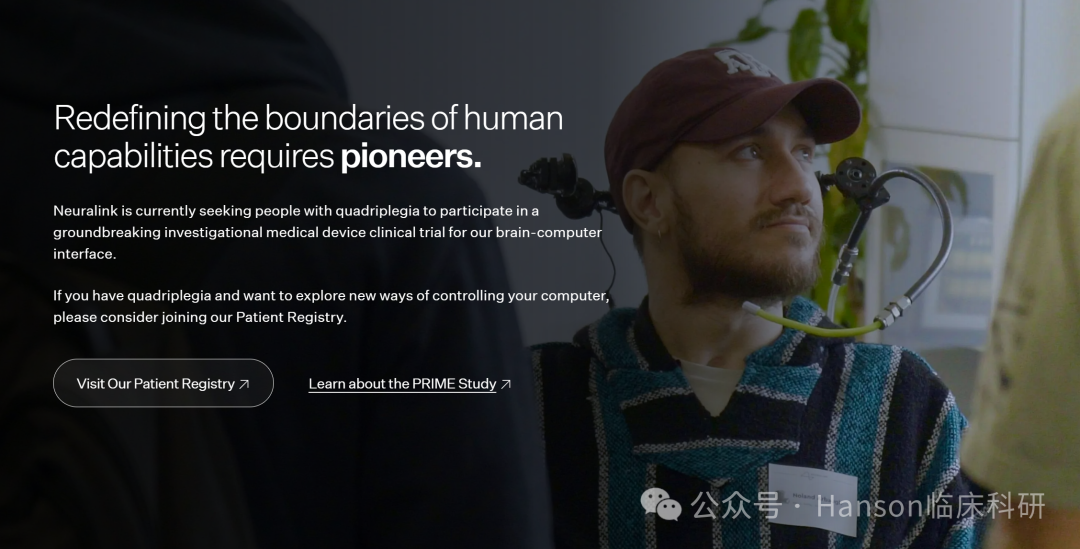
(Image source: Neuralink website)
Against this backdrop, Neuralink’s second BCI implantation surgery was not only another attempt at the technology but also a direct response to the lessons learned from previous experiences.
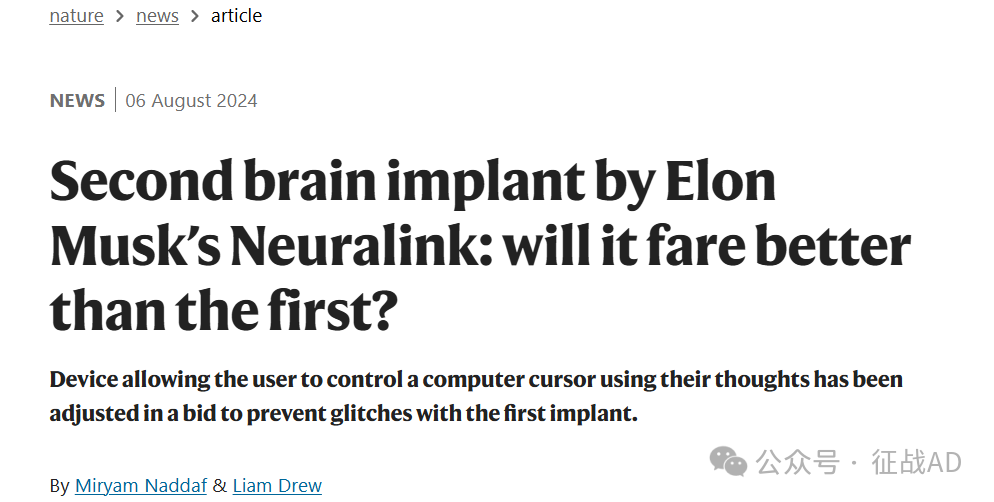
August 6, 2024Miryam Naddaf & Liam Drew E in internationally renowned journalsNature published an article titled “Second brain implant by Elon Musk’s Neuralink: will it fare better than the first?” [2] on its news section.
-
Through its second BCI case, Neuralink aims to showcase its latest advancements in materials science, bioengineering, algorithm optimization, and surgical techniques, while providing valuable experience and data support for the future development of BCI technology.
-
Existing research results indicate that,Neuralink’s Second BCI Implantation Surgery Succeeds and Is Functioning Well, Demonstrating the Potential of BCI Technology in Assisting Humans, Particularly Patients with Spinal Cord Injuries; However, It Also Faces Technical Challenges Such as Long-Term Stability and Durability.
Primary Outcomes
The Second Case of BCISuccessful Implantation:
Neuralink Has Successfully Implanted a BCI Device in Its Second Patient, Which Elon Musk Says Is Functioning Well. Approximately 400 out of 1,024 electrodes are transmitting signals from the recipient’s brain, indicating that the device is capable of recording and transmitting neural activity.
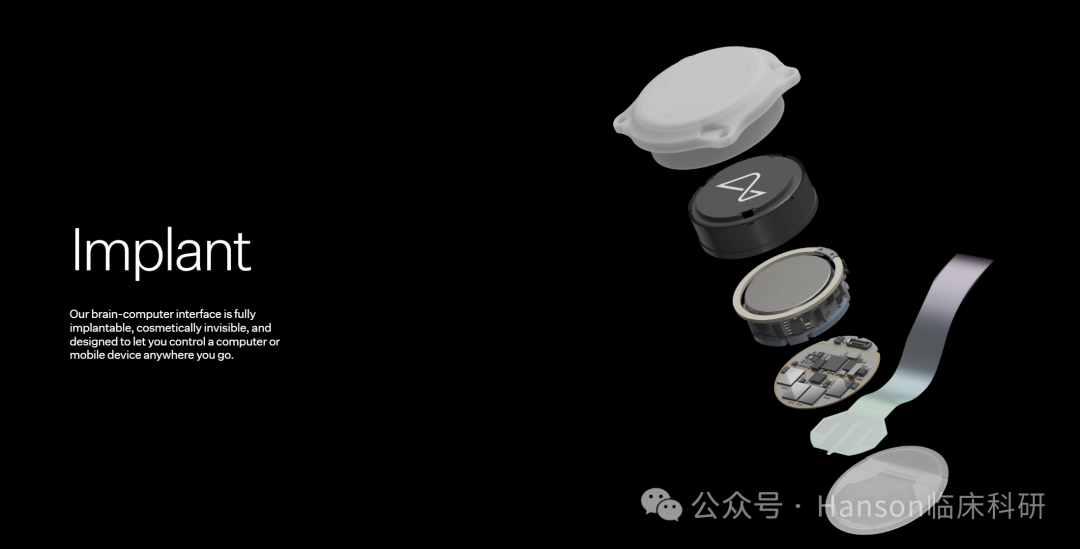
(Image source: Neuralink website)
Improvement and Optimization:
-
Improved Devices and Algorithms: The company adjusted its devices to prevent the failures observed in the first human implant recipient. In particular, the algorithms that convert neural data into computer-understandable commands were improved, shifting from recording the activity of individual neurons to recording the average activity of neurons near each electrode.
-
Optimization of the Surgical Procedure: Neuralink’s surgical team attempted to avoid creating air pockets during the second implantation surgery, which may have caused electrode displacement in the first procedure. They also refined the surgical technique to enable more secure and deeper fixation of the implanted device within the skull [3].
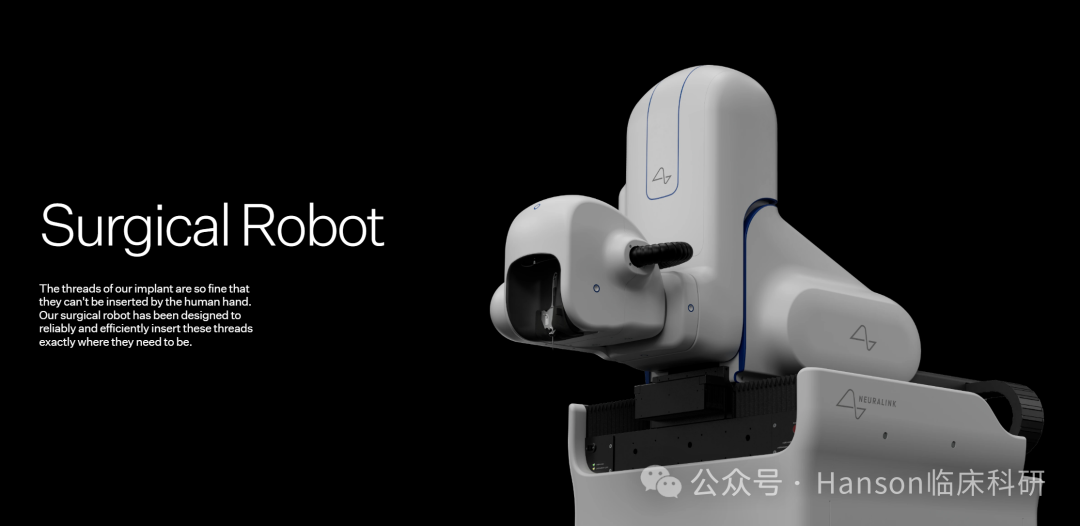
(Image source: Neuralink website)
Stability and Durability Issues:
Although the second implantation surgery demonstrated progress, the long-term stability and durability of BCI devices remain unresolved issues, particularly given the slight but continuous motion of the brain relative to the skull and the long-term stability of the materials.
Future Plans:
Neuralink plans to frequently offer upgraded devices, each requiring implantation through an additional surgical procedure. Neuralink’s ultimate goal is to develop a brain-computer interface (BCI) that enables symbiosis between humans and artificial intelligence, potentially aiding individuals with psychiatric disorders or epilepsy.
Ethical and Social Implications:
The study also sparked discussions on the ethical and social implications of the potential applications of BCI technology, including the risk of misleading potential research volunteers.
Scientific Community's Opinion:
The scientific community has expressed cautious optimism regarding Neuralink’s progress. Some experts, such as Dr. Sameer Sheth, have voiced hope that Neuralink can safely perform these advanced procedures and believe that these technologies will make significant contributions to human health and disease management.
Editor's Note:
Clinical Significance andResearch Inspiration:
Neuralink Corp'sBCI technology provides a new avenue for patients with spinal cord injury to interact with the external environment, potentially significantly improving their quality of life and offering new insights into the treatment of other neurodegenerative diseases.。
Although the second BCI implant demonstrated technical potential, issues with stability and durability highlight key challenges that future research must address, including long-term biocompatibility and advances in materials science.Furthermore, as algorithms and surgical techniques continue to be optimized, the development of brain-computer interface (BCI) technology will drive multidisciplinary collaboration and promote a deeper understanding of brain function.
At the same time, this alsoSparked Important Discussions on Neuroethics and Patient Safety, emphasizing the necessity of considering individual differences, risk assessment, and informed consent in the process of technological development.
In summary, Neuralink’s research not only lays the foundation for the future applications of brain-computer interface (BCI) technology, but also provides valuable insights and lessons for the broader scientific community, guiding us toward safer and more effective human-machine interaction technologies.
We look forward to more high-quality studies of this nature, which will bring better clinical diagnosis and treatment strategies for patients.
Original link:
【1】 https://www.dailymail.co.uk/sciencetech/article-13750613/neuralink-patient-elon-musk-brain-chip-hacked.html
【2】 https://doi.org/10.1038/d41586-024-02368-8
【3】 https://neuralink.com/#experience