

Baiduoan, First Domestic PICC Certificate Holder, Terminates Sci-Tech Innovation Board IPO with Only 60 R&D Staff

Branden
Medical Device Manufacturer

Recently released by Smart Medical Devices,"Fenghe Medical Terminates STAR Market IPO: How Difficult Is It for Medical Device Companies to Go Public!"In the article, the author previously mentioned that since 2024, numerous domestic medical device companies that had submitted IPO prospectuses have ultimately terminated their listing processes, which is not a favorable development for medical device enterprises requiring substantial financial support.
In late August, Fenghe Medical, a manufacturer of minimally invasive surgical instruments and consumables (staplers), terminated its IPO. More recently, after a nearly two-year process, Shandong Branden Medical Devices Co., Ltd. (hereinafter referred to as “Branden”), a well-known domestic PICC catheter company, also terminated its IPO on the STAR Market.
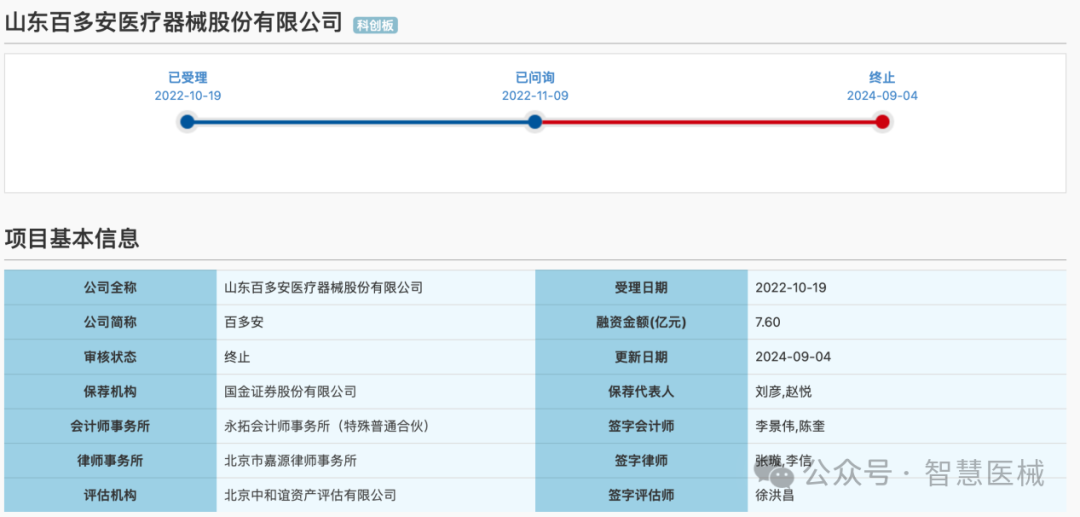
Branden is the first domestic company to obtain the Class III medical device registration certificate for a domestically produced Peripherally Inserted Central Catheter (PICC), breaking the monopoly of imported products in China’s PICC market.
01
R&D Personnel: Only 60
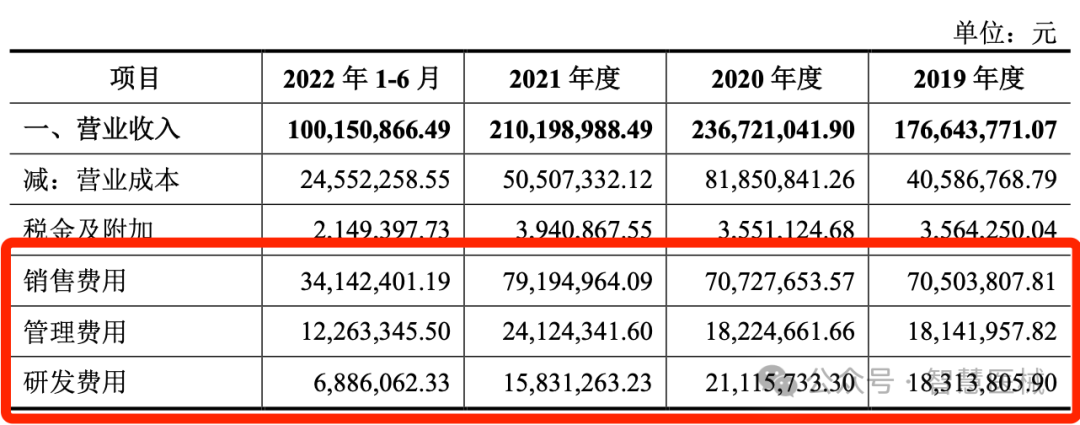
R&D expenses are less than one-fifth of sales expenses.
According to available data, Branden is a national high-tech enterprise dedicated to applying medical material modification technologies to implantable and interventional medical devices.The company has established a core technology platform centered on the modification of medical materials, precision machining, and digital diagnosis and treatment of vascular access, through independent research and development and continuous innovation.
According to the company’s prospectus, it is the first enterprise in China to obtain a Class III medical device registration certificate for a domestically produced peripherally inserted central catheter (PICC), thereby breaking the monopoly of imported products in the domestic PICC market. The company’s PICC products feature high resistance to catheter fracture and electrical conductivity. In clinical practice, when used in conjunction with the company’s independently developed color Doppler ultrasound diagnostic system, they demonstrate advantages such as high insertion success rate, accurate positioning, and low incidence of complications.
The project “Establishment of Key Technologies for Digital Diagnosis and Treatment of Vascular Access and Its Clinical Application,” centered on the core technologies related to this product, was awarded the Second Prize of the National Science and Technology Progress Award in 2020. Zhang Haijun, one of the company’s actual controllers, served as the primary contributor, and the company was one of the main contributing entities. In addition to its vascular access products, the company boasts a diverse product portfolio that includes neurosurgical products and other material-modification products.
From a product perspective, the company’s current main products fall into three major categories: vascular access, cranial neurosurgery, and other polymer-based products. In addition, its R&D projects cover vascular access, neurosurgery, and other fields.
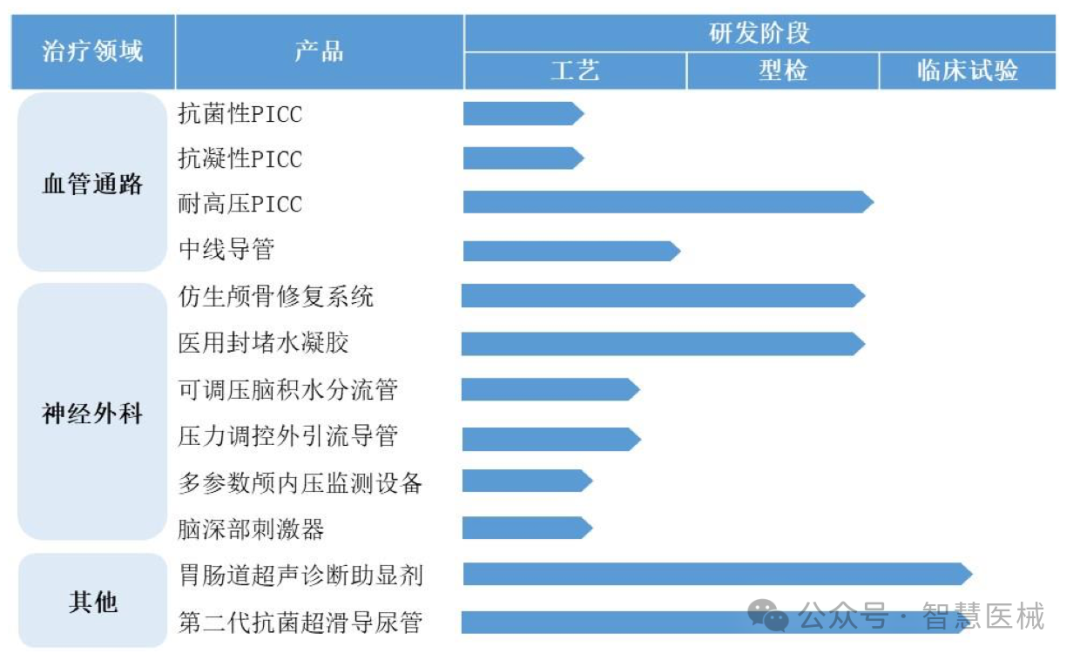
Among these, the main products in the vascular access category are PICC and color Doppler ultrasound diagnostic systems. A PICC is a central venous catheter inserted via peripheral venous puncture, with its tip positioned in the middle to lower third of the superior vena cava, at the junction of the superior vena cava and the right atrium. It is used to provide medium- to long-term intravenous infusion therapy for patients, particularly for administering medications that are irritating to peripheral veins.
Branden’s PICC products primarily compete with imported offerings from Bard Medical. Founded in 1907 and headquartered in New Jersey, USA, Bard Medical was acquired by BD (Becton, Dickinson and Company) in 2018, with its relevant product lines integrated into BD’s Medication Delivery Solutions segment. Its main products include catheters, guidewires, and introducer needles for central venous access, peripheral venous access, and hemodialysis access, as well as vascular preparation and care devices.
Cerebrospinal fluid (CSF) external drainage is one of the most commonly used therapeutic techniques in neurosurgery, employed to drain bloody or infected CSF to the extracranial space, as well as to control and monitor intracranial pressure and administer medications into the central nervous system. The main products of the Branden Cranial External Drainage System include the Continuous Lumbar Drainage System, External Ventricular Drainage System, Epidural Drainage System, and Minimally Invasive Intracranial Drainage System.
It is understood that the market for external cranial drainage catheters remains dominated by imported products. Medtronic, leveraging its comprehensive portfolio in neuronavigation and imaging equipment, neurosurgical instruments, and consumables, holds a major share of the external cranial drainage consumables market. In China, only Branden and a few other companies have established robust product lines covering continuous lumbar drainage, external ventricular drainage, subdural drainage, and minimally invasive intracranial drainage, thereby securing a certain market share amidst the import-dominated landscape.
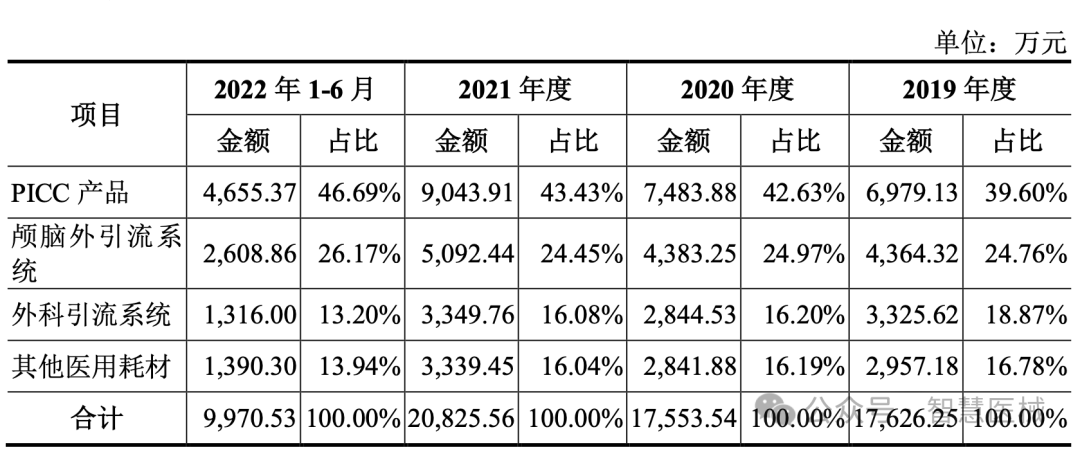
In terms of revenue structure, the company’s core product is its PICC line; additionally, the cranial external drainage system constitutes its second-largest business segment, while surgical drainage systems and other medical consumables account for roughly comparable shares of revenue.
Furthermore, in terms of net profit, from 2019 to the first half of 2022, its net profits were RMB 31.31 million, RMB 41.55 million, RMB 42.89 million, and RMB 18.45 million, respectively, showing an overall trend of initial growth followed by a decline.
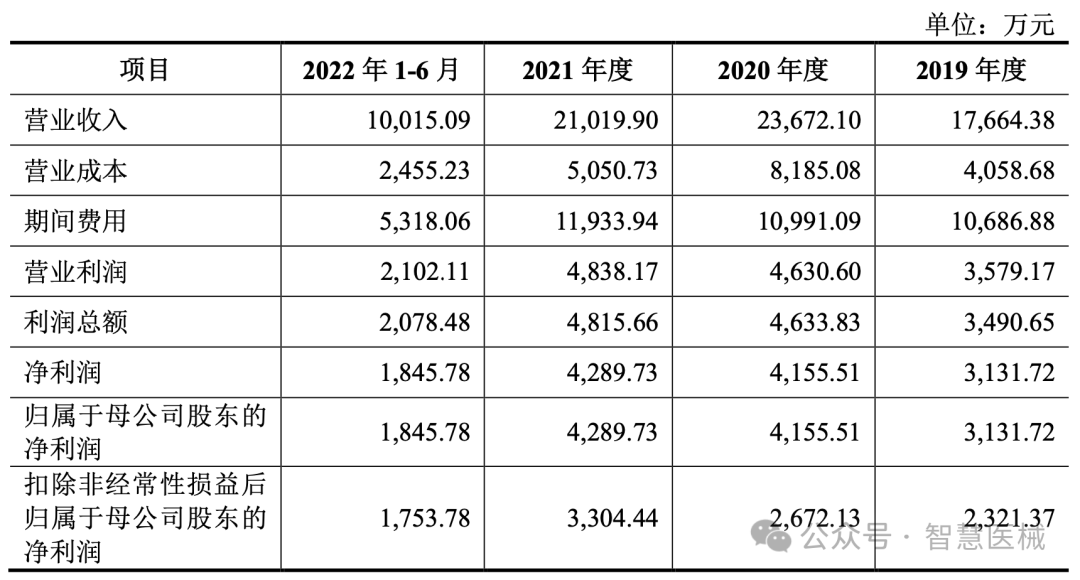
Notably, the company’s R&D expenditure is not substantial within the medical device industry. From 2019 to the first half of 2022, its highest annual R&D spending occurred in 2020, amounting to only RMB 21.12 million; by the first half of 2022, it had dropped to less than RMB 7 million. As of the first half of 2022, the company employed merely 60 R&D personnel. For instance, in 2021 and the first half of 2022, its R&D expenses accounted for only one-fifth of its selling expenses.
02
Breaking the Monopoly of Foreign Companies in the PICC Market:
Proposed Fundraising of RMB 759 Million for Investment in Projects Including Medical Catheters
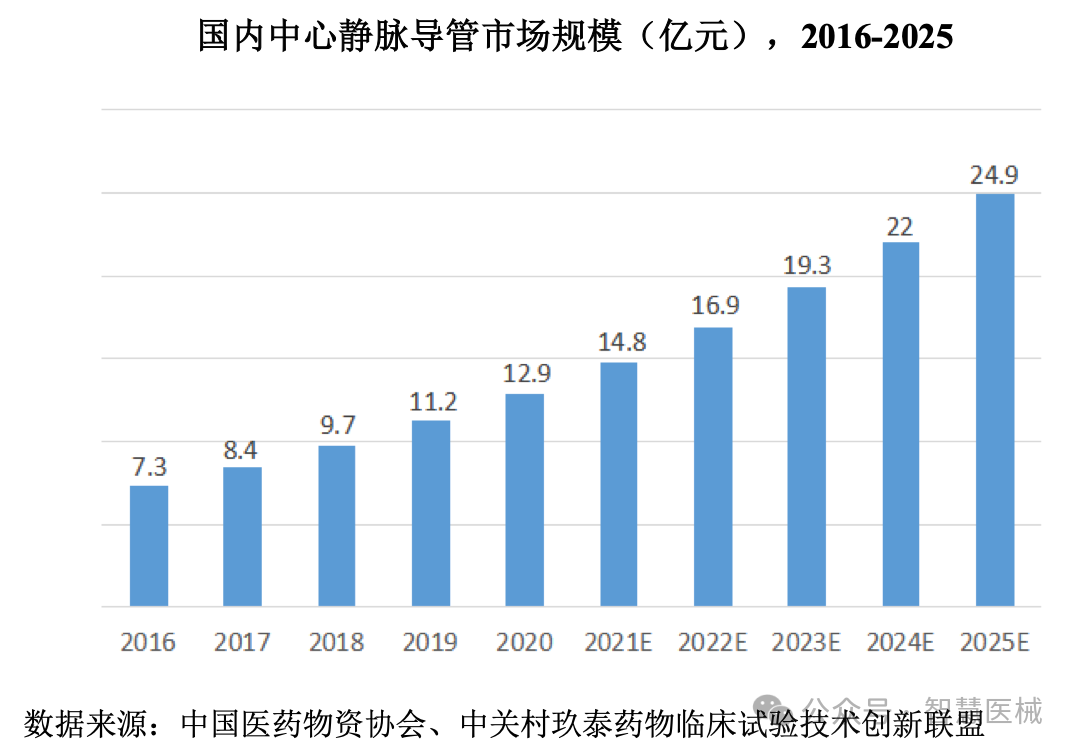
It is understood that in the United States, PICCs are widely used in oncology chemotherapy, parenteral nutrition, critical care, and other scenarios requiring medium- to long-term intravenous therapy.According to data published by GLOBOCAN, there were 2.28 million new cancer cases in the United States in 2020;According to iData Research, approximately 2.7 million PICCs are inserted annually in the United States, exceeding the number of cancer patients.
In China, there were 4.57 million new cancer patients in 2020, with only about 600,000 PICC insertions, indicating a significant gap in PICC penetration compared to the United States. With the improvement of medical technology and per capita income in China, along with the growing experience of healthcare professionals in PICC insertion and maintenance, as well as increased success rates aided by navigation techniques such as EDUG, the clinical use of PICCs is expected to become more widespread.
Furthermore, PICCs are expected to be used for patients requiring repeated infusions. For instance, in cases where intravenous infusion is required for more than one week during hospitalization, peripheral venous catheters currently need to be re-punctured every three days; the use of PICCs can improve patient experience. The American Journal of Infusion Nursing also recommends that COVID-19 patients choose PICCs when vascular access needs to be established.
It is understood that PICC insertion in China is currently primarily performed by nurses in hospital wards. The traditional method involves venipuncture based on clinical experience, preliminary measurement of the intravascular catheter length using a soft tape measure externally, and subsequent judgment and adjustment of catheter position based on the relative position of the catheter to the vertebrae on chest X-rays after the catheter has been advanced to the corresponding length. Previously, typically only 1–2 nurses per department were capable of performing PICC insertion, and each hospital usually had an intravenous therapy team responsible for managing difficult PICC insertions.
Currently, the more advanced technology involves using navigation and positioning systems to allow healthcare professionals to accurately place PICCs without the need for repeated chest X-rays to confirm placement. This makes catheter insertion faster and safer, saving both time and costs. In the United States, most bedside PICC insertions in clinical settings are currently performed with the aid of navigation and positioning systems. Globally, navigation and positioning technologies are reshaping the PICC market.
It is understood that there are currently few manufacturers of PICC. According to statistics based on publicly available information from the National Medical Products Administration (NMPA) website, as of 2022, a total of 6 domestic manufacturers and 9 imported manufacturers, including Branden, have obtained NMPA registration approval for their PICC products.
Branden’s proposed IPO is set to raise nearly RMB 759 million, with the medical catheter industrialization upgrade project and the R&D center construction project accounting for a combined total of over RMB 500 million.
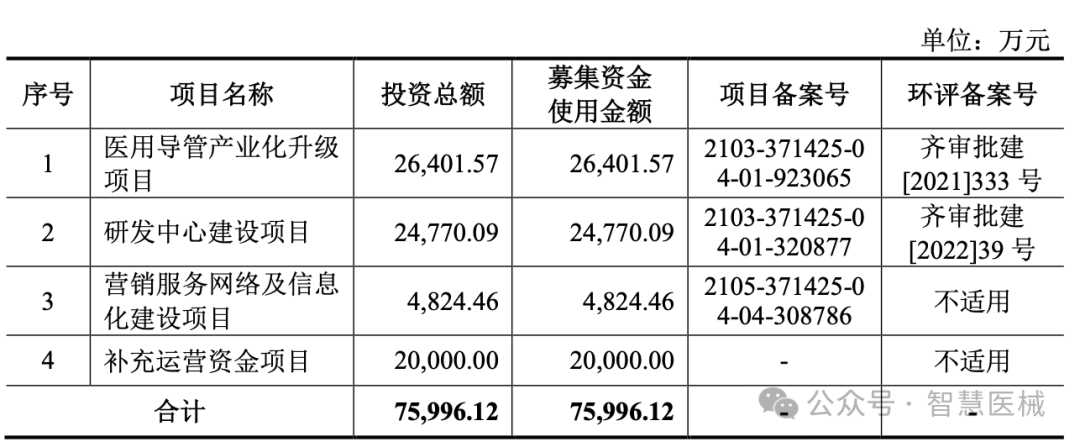
According to Branden, the construction of the “Industrialization Upgrade Project for Medical Catheters” will provide a solid foundation for expanding the production capacity of the company’s core products. Meanwhile, technological optimization and improvement will enhance product performance and diversify the range of core products, thereby further strengthening the competitiveness of the company’s product portfolio.
Upon completion of the project, the company will add an annual production capacity of 300,000 PICC kits and 200,000 cranial external drainage systems. The company will be able to supply the market with a greater volume of technologically advanced drainage products that meet market demands, thereby facilitating import substitution, capturing market share, and increasing the market penetration of its products.
Branden stated that the medical device industry is technology-intensive, and the continuous development of new products to meet market demands is a key factor in maintaining the company's competitive position. The company has independently developed various types and specifications of PICCs, cranial external drainage systems, surgical drainage systems, and other related products, establishing a relatively complete product structure and forming a certain product tier.
The “R&D Center Construction Project” will expand laboratory and office facilities, introduce advanced testing and experimental equipment, and conduct innovative product development. Specifically, it involves constructing a new R&D center within the existing factory premises to develop innovative products such as the bionic skull repair system and the new type of PICC. Meanwhile, the project aims to attract high-end technical talent, optimize the structure of the R&D team, and enhance the company’s overall R&D capabilities.
Branden stated that the company is the first domestic enterprise to obtain a registration certificate for a Chinese-made peripherally inserted central catheter (PICC). It has developed PICC products compatible with catheter positioning systems, thereby breaking the monopoly of imported products in China’s PICC market. Through material modification technology, Branden’s PICC catheters are rendered conductive. When used in conjunction with the company’s independently developed color Doppler ultrasound diagnostic system, this technology improves puncture accuracy and significantly reduces catheterization-related complications. With the widespread training and adoption of EDUG technology, more nurses have become proficient in ultrasound-guided venipuncture and in determining catheter tip position via electrocardiographic waveforms, making catheterization more convenient and safer.
Branden further emphasized, “The market launch of our company’s products has driven down the market price of PICC products, thereby benefiting patients. Currently, imported PICC products still hold the majority of the domestic market share. Our company’s product technology possesses independent intellectual property rights and has reached an internationally leading level in aspects such as catheter conductivity and fracture resistance.”
——【END】——

Latest Review
Review of previous periods