

How Can Brain-Computer Interface Companies Survive the Next Decade Without a Clear Monetization Path?

Neuralink
Brain-Computer Interface System Developer
On September 18, Elon Musk’s brain-computer interface company, Neuralink, announced another major development:“Blindsight” Officially Receives FDA “Breakthrough Device” Designation, Offering Hope for Restoring Vision to the BlindOn the day of the announcement, A-share brain-computer interface (BCI) concept stocks surged collectively.
In fact, this is not the first time Neuralink has stirred up the industry. Earlier this year, Neuralink announced the completion of its first human brain implant surgery. The implanted device, named “Telepathy,” is Neuralink’s inaugural product. After implantation, patients can control smartphones or computers using only their thoughts, thereby enabling them to control virtually any device. Reportedly, this product primarily targets individuals with quadriplegia due to cervical spinal cord injuries or amyotrophic lateral sclerosis (ALS), aiming to help them regain motor function.
While technological advancements are certainly gratifying, a practical issue has come to the fore as they gradually move toward the market, namelyWhen Will These Disruptive Products Truly Become Widespread?? After consulting multiple industry practitioners, the general consensus is that it will take ten years. Elon Musk has expressed the same view; when launching its first product, he predicted that millions of people would be using Neuralink within a decade.
This is undoubtedly a protracted cycle; however, for Neuralink, helmed by Elon Musk, there is certainly the capital and confidence to wait. But for those brain-computer interface (BCI) companies with less robust financial strength,In the current environment of increasingly constrained funding channels, how can one survive this long, unprofitable decade?
Why Wait Ten Years?
As a cutting-edge, future-oriented technology, brain-computer interfaces (BCIs) boast an extensive range of application scenarios spanning healthcare, entertainment, military, education, and other sectors. Among these, healthcare currently garners the most attention, with applications including enabling paralyzed individuals to stand, restoring speech to those with aphasia, returning sight to the blind, and alleviating depression in patients. Any single one of these breakthroughs, once realized in the market, would be significant enough to earn a place in human history.
Perhaps it is precisely for this reason that its path to success has been exceptionally arduous. Take Neuralink as an example: despite Elon Musk’s leadership, the company has encountered obstacles at every turn. In 2022, it was revealed that 15 out of 23 rhesus macaques involved in Neuralink’s experiments had died, leading the U.S. Food and Drug Administration (FDA) to reject its applications for human clinical trials on two occasions. Although Neuralink successfully performed its first human brain implant surgery in early 2024, reports emerged in May of this year indicating malfunctions in some of its brain implants. Specifically, certain implanted electrodes became dislodged, resulting in a significant reduction in the volume of data captured. This development undoubtedly constitutes a severe setback for Neuralink, which is eager to expand its clinical trials.
It is important to note that this technology is still in the early stages of clinical development. A long road lies ahead before it can be truly brought to market, with ten years being merely a conservative estimate. So, what exactly is hindering the commercialization of brain-computer interfaces?
1. Technical Limitations. Taking engineering capabilities as an example, the human brain contains at least 86 billion neurons, with each neuron forming thousands of connections, creating a vast network. Therefore, to make the commands issued via brain-computer interfaces (BCIs) more stable and accurate, it is essential to increase the number of channels in the interfacing electrodes. However, currently, BCI chips represented by the N1 implant can monitor the activity of up to 1,024 neuronal channels simultaneously, which is clearly insufficient. In addition, significant challenges remain regarding potential allergic or immune rejection reactions between the implant materials and the human body.
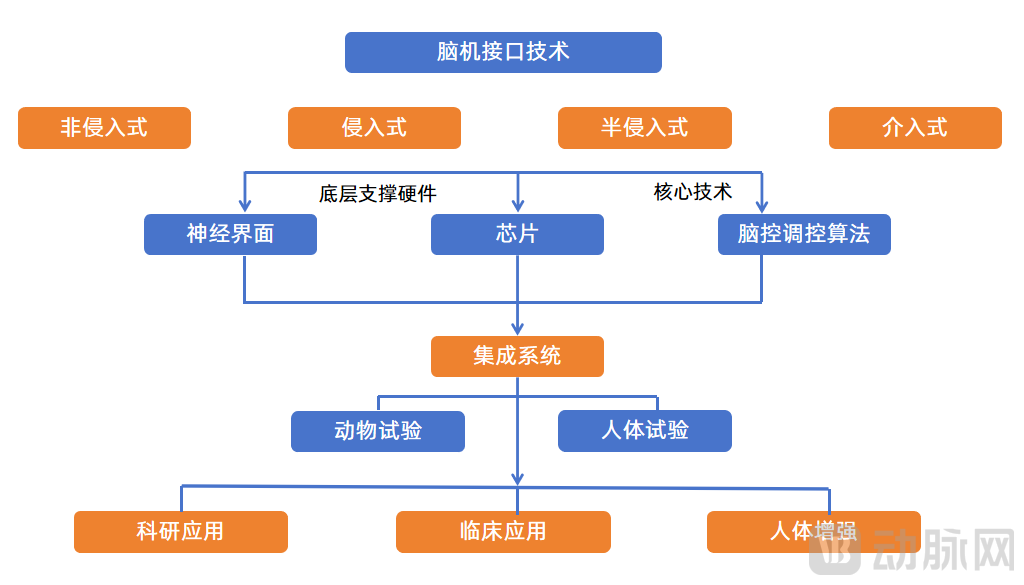 Figure 1. Logic of the Brain-Computer Interface System
In this regard, a researcher at the Beijing Institute for Brain Science and Brain-Inspired Intelligence remarked, “Unlike other medical device sectors, brain-computer interface research is currently being driven almost entirely by research institutes, with few initiatives led by physicians.” This means thatBrain-computer interfaces are currently still in the laboratory stage, with the industry’s focus remaining on basic research; it is therefore premature to discuss industrialization.。
The second point is the lengthy registration and approval process.Currently, the National Medical Products Administration (NMPA) has not yet issued specific standards for brain-computer interfaces (BCIs), indicating only that they can be registered and declared as Class III medical devices in accordance with the "Rules for the Classification of Medical Devices." Therefore, the approval cycle may take two to three years. However, this is merely an idealized estimate, as invasive BCIs currently face safety risks and ethical concerns. Regulatory oversight is inevitably expected to be more stringent, which could further prolong the approval timeline.
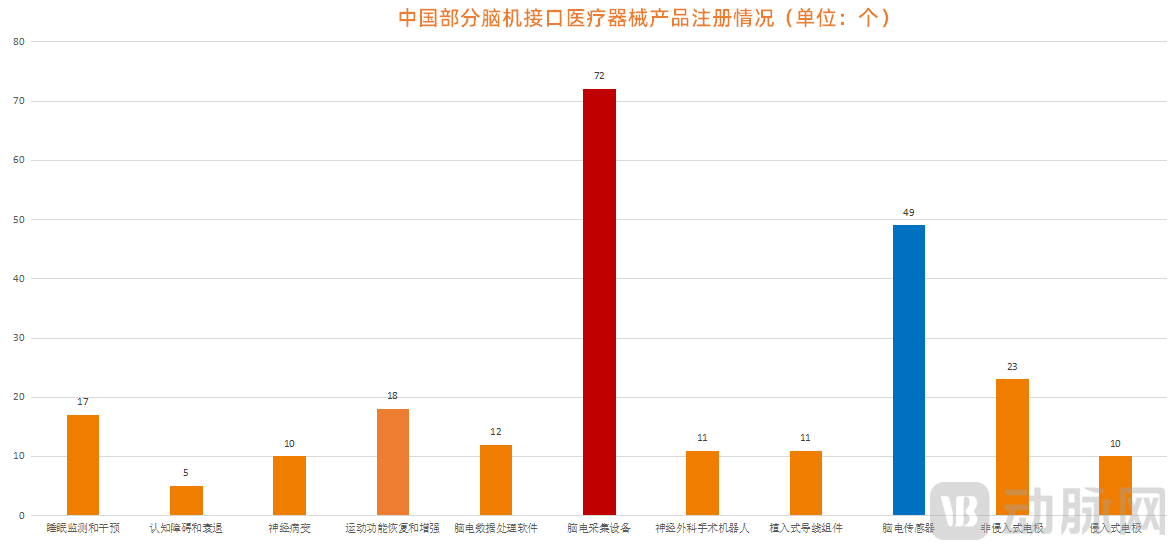 Figure 2. Approval Status of Selected Brain-Computer Interface Medical Device Products in China (Data Source: Zhiyan Consulting)
In response, Li Xiaojian, founder of Weiling Medical and a senior engineer at the Shenzhen Institute of Advanced Technology, Chinese Academy of Sciences, stated in an interview, “The electrodes, chips, and other components used in invasive brain-computer interfaces (BCIs) adopt novel design approaches, rather than being modified from traditional implantable medical devices. Therefore, each module must undergo registration and approval as a Class III medical device, encompassing multiple stages such as technical product review, clinical trials, and audits of production and quality management systems. Furthermore, the entire BCI approval process is designed with safety, efficacy, and stability as its foundational premises, and this framework is unlikely to change significantly in the future.”
The final point is market-level constraints.. In fact, since the advent of brain-computer interfaces (BCIs), ethical discussions within the industry have been ongoing. These discussions primarily focus on two aspects: first, whether reading patients’ neural activity and subconscious information constitutes an invasion of their personal privacy; and second, whether the enhancement of human capabilities in a minority of individuals through BCIs may impact social equity. In this context, the industry has raised a key question, namelyWhat Should Be Done If an Implant-Selling Company Goes Bankrupt in the Future?? In 2013, brain-computer interface manufacturer NeuroVista went bankrupt due to its inability to secure new funding, forcing epilepsy patients participating in clinical trials of its device to have their implants removed. This clearly deviated from market norms.
Beyond ethical concerns, market promotion is also influenced by cost and pricing. Taking Neuralink as an example, its cumulative funding to date has exceeded $700 million, and this investment is expected to grow further as clinical research advances. According to previously disclosed pricing from Neuralink, each implantation procedure costs approximately $10,500. However, this figure is not fixed; actual costs will vary depending on various factors. Nevertheless, it is certain that the procedure will not be inexpensive. Balancing costs and revenue remains challenging given the high investment requirements and premium pricing.
Miguel Nicolelis, the father of brain-computer interfaces, once evaluated Neuralink as follows: “Three Key Criteria for the True Development and Widespread Adoption of Brain-Computer Interface Technology: Safety, Efficacy, and Affordability“Neuralink clearly violates these three principles. First, it is not entirely safe, as implantable devices may trigger inflammatory responses in the brain. Second, its readout and transmission efficiency does not offset the risks associated with intracranial implants. Finally, its cost is prohibitively high.”
Non-Invasive: Brain-Computer Interface Companies’ Self-Rescue and Path Forward Amid the Winter
While Musk continues to extol the boundless possibilities of brain-computer interfaces (BCIs), the immediate challenge of survival has become a stark reality for the vast majority of BCI companies. According to observations by VCBeat,Many companies that were previously favored by the market and had secured Series B financing have seen little to no recent activity. Meanwhile, the capital market remains sluggish, with most enterprises now on the brink of a broken capital chain.。
A senior investor also confirmed this to VCBeat, stating, “Earlier this year, a company founder spent half a day with me, but by the end of our meeting, we still hadn’t identified a viable commercialization path. Therefore, while we continue to monitor the brain-computer interface sector, we have not made any new investments in this area for quite some time.”
So, how can brain-computer interface (BCI) companies, now backed into a corner, first ensure their survival? By interviewing numerous industry practitioners,They unanimously agreed that the company should assess its cash flow, concentrate resources and efforts on launching products with rapid regulatory approval pathways and quick monetization potential. In short, the focus should shift toward products with greater market certainty; from the current perspective, non-invasive brain-computer interfaces are clearly a promising option.。
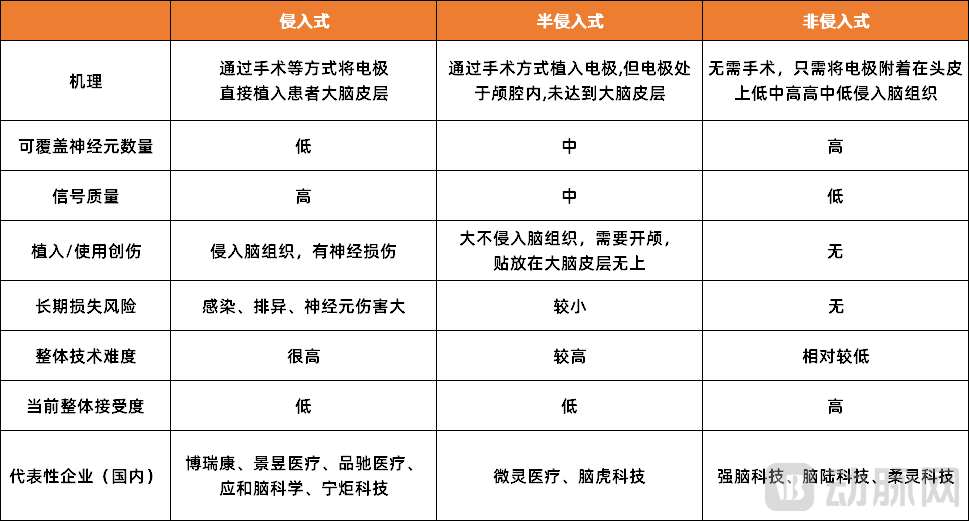 Figure 3. Comparison of Three Invasive Approaches for Brain-Computer Interfaces (Data Source: Zhiyan Consulting)
It is reported that brain-computer interfaces (BCIs) can be categorized into three types—invasive, semi-invasive, and non-invasive—based on their methods of connection to the brain. Currently, the industry focuses most heavily on invasive BCIs, such as Neuralink, which require electrodes to be implanted into the cerebral cortex or gray matter. While this approach offers superior signal acquisition and more pronounced therapeutic effects, it also entails higher risks and greater technical complexity. Consequently, regulatory approval is stringent, making short-term commercialization challenging.
Non-invasive methods are the exact opposite; they do not require surgery, only requiring electrodes to be attached to the scalp. Although the signal quality is relatively lower compared to invasive methods, they offer greater safety, are more cost-effective, and enjoy high market acceptance.. Additionally, non-invasive devices are mostly classified as Class II medical devices, resulting in a shorter approval cycle of approximately 12 months.
Currently, there are already multiple non-invasive brain-computer interface (BCI) products on the market, including EEG acquisition devices, sleep monitors, attention-training wristbands, meditation headbands, and smart headphones. However, at this stage, the commercialization progress of such products has not been smooth. For example, a domestic company’s meditation headband has seen sales ranging from single digits to just a few hundred units across various e-commerce platforms, making it difficult to generate stable cash flow.
In response, a senior investor remarked, “The efficacy of such consumer-grade products is actually very limited, and they face high substitutability in the market. Therefore, at best, they can generate some positive cash flow, but it is impossible to sustain long-term operations solely on these revenues.” Many industry experts believe that the future of non-invasive brain-computer interfaces (BCIs) lies in their application for rehabilitation and the treatment of psychological disorders. Miguel Nicolelis, known as the father of brain-computer interfaces, also agrees with this view. In a recent media interview, he stated, “Although I invented invasive brain-computer interfaces and hold patents in this field spanning 20 years, I still believe that non-invasive BCIs will be the mainstream development trend in the coming years, particularly in the treatment of conditions such as Parkinson’s disease, chronic epilepsy, stroke, depression, and autism.”
Specifically, compared to simple consumer healthcare scenarios, rehabilitation and mental health disorders have clear market demand. Secondly, non-invasive approaches cause less harm to patients and offer higher safety profiles than invasive ones, making them easier to gain regulatory approval. Finally, non-invasive technologies already have mature clinical experience in the treatment of rehabilitation and mental health conditions, with a wide variety of related products available.
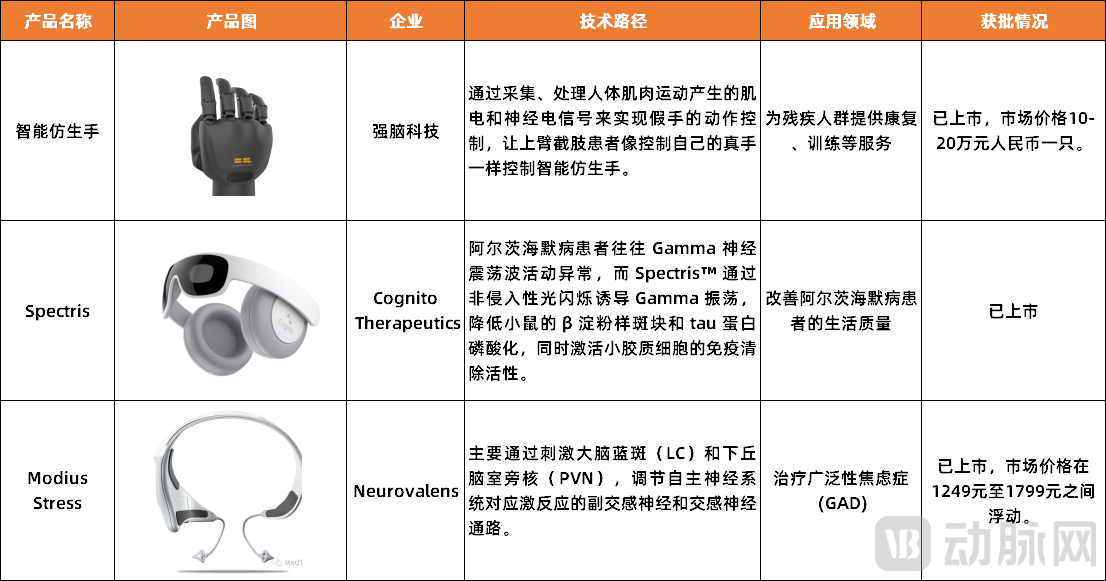 Figure 4. Overview of Existing Non-Invasive Partial Products
For instance, BrainCo’s intelligent bionic hand can be worn directly on the hand and achieves motion control by processing electromyographic (EMG) neural signals, providing rehabilitation and training services for individuals with disabilities. Additionally, Spectris is a non-invasive neuromodulation system designed to treat cognitive and functional symptoms associated with Alzheimer’s disease through specific light and sound stimulation. Modius Stress focuses on anxiety relief; approved in March 2024, it primarily works by stimulating the locus coeruleus and the paraventricular nucleus of the hypothalamus to regulate the parasympathetic and sympathetic pathways of the autonomic nervous system in response to stress.
In addition, non-invasive brain-computer interfaces have also driven, for example,Cochlear Implants, Humanoid RobotsThe rapid development of emerging markets presents strong monetization potential in the future. In this regard, professionals who have completed multiple rounds of investment in brain-computer interfaces stated, “In the realm of brain-computer interfaces, invasive technology represents the future, but it is still premature for widespread adoption; non-invasive approaches are currently the means of self-preservation and the viable path forward for BCI enterprises.。”
How to Win in the Future: Both Technology and Market Are Indispensable
According to McKinsey’s estimates, the potential global market size for medical applications of brain-computer interfaces (BCIs) is expected to reach $40 billion to $145 billion between 2030 and 2040. Within this, serious medical applications focused on the treatment of central nervous system disorders are projected to have a potential market size of $15 billion to $85 billion, while consumer healthcare applications centered on emotional assessment and intervention are estimated to account for approximately $25 billion to $60 billion.
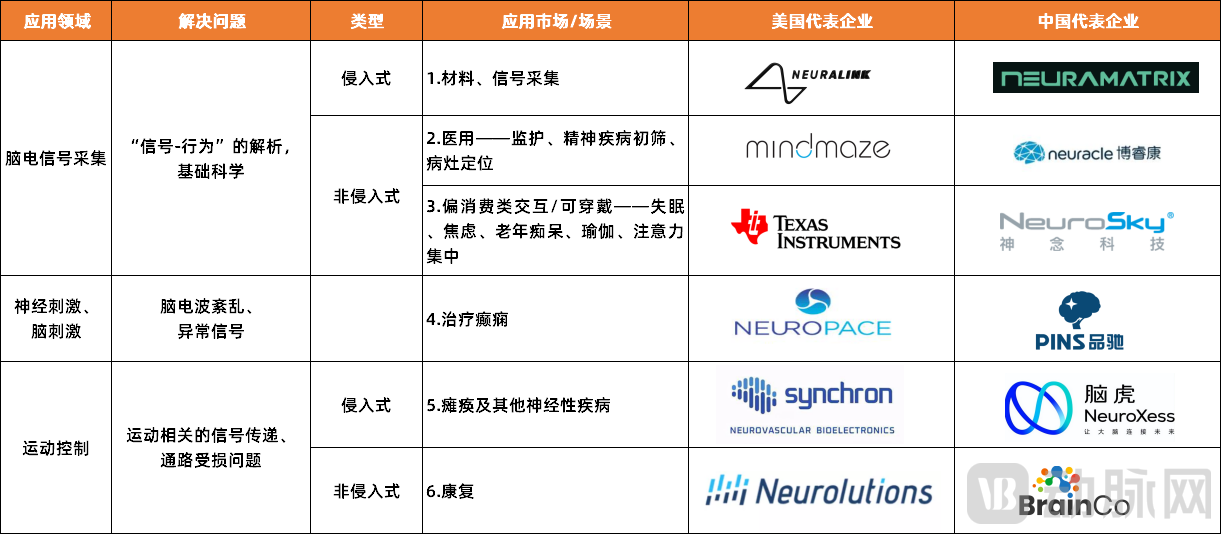
Figure 5. Landscape of Brain-Computer Interface Companies (Source: Zhiyan Consulting)
Stimulated by the vast market potential, industry competition has become inevitable. According to a research report by Northeast Securities,80% of China's brain-computer interface companies have chosen the non-invasive acquisition technology route, with typical representatives including BrainCo, NeuraMatrix, Rouling Technology, and Huichuang Medical. Currently, many other companies are accelerating their transition into this sector. This implies that industry competition will gradually intensify, and substantial investments in both technology and market development will be essential for companies seeking to stand out from the crowd.
Let’s start with the technology. In fact,In terms of brain-computer interface (BCI) hardware, China’s gap with foreign countries is not significant. However, in theoretical research on the neural mechanisms of the Chinese language—such as encoding mechanisms of neural electrical activity and decoding algorithms—there remains a substantial disparity between China’s current capabilities and the leading international standards.In this regard, the founder of a certain company remarked, “The most prominent strength of Neuralink lies in its system integration and industrial design capabilities embodied in its fully implantable system, which represents the gap between domestic brain-computer interface R&D teams and top international teams.”
This reality underscores the weaknesses that still persist in China across multiple fields, including computer science, neuroscience, bioengineering, and mechanical engineering. In this regard, a seasoned investor remarked, “Given its multidisciplinary nature, the technological iteration of brain-computer interfaces (BCIs) necessarily requires collaborative advancement across various disciplines. Therefore, companies must cultivate a larger, more diverse talent pool with broad interdisciplinary backgrounds. This will confer advantages in engineering implementation and represents the key differentiator for future BCI enterprises seeking to stand out.”
Of course, in addition to technological iteration, market capabilities are equally critical. This is primarily reflected in two aspects. First, a company must be able to identify its position within the industrial chain, mainly by selecting appropriate technological pathways and therapeutic areas for application. The core logic is to achieve rapid monetization and capture short-term gains, while avoiding prolonged, unproductive efforts. Second, it is essential to possess strong sales capabilities, meaning the ability to maximize product sales, which involves building distribution channels and establishing an integrated industrial chain.
In fact, compared with the rigorous pursuit of technical excellence in invasive approaches, non-invasive methods may place greater emphasis on market viability. In this regard, a senior investor remarked, “Most founders in the brain-computer interface field have engineering backgrounds, making them generally insensitive to clinical needs.This is actually highly critical, as the substantial upfront investment means that any misstep in selection can easily plunge startups—with their very limited fund and workforce sizes—into adversity. Therefore, selecting the right indications and strengthening marketization capabilities are particularly important.”
To date, the development of brain-computer interfaces (BCIs) has spanned a mere 50 years. Thus, there will undoubtedly be many changes and possibilities in the future. However, one point has already reached industry consensus: thatSecure cash flow, temporarily set aside distant dreams, and focus on brain-computer interface products that are safe, effective, affordable, and quick to monetize.。
1. “BCI Companies Are Planting a Tree That Will Bloom in Ten Years” — The Economic Observer;
2. “Exclusive Interview with the ‘Father of Brain-Computer Interfaces’: Why I Worry That Musk Is Misleading the Public” — China Science Daily;
3. “Brain-Computer Interfaces: Close to Treating Depression and Paralysis, Far from Digital Immortality” — 36Kr Pro.