

Global Neurotech Leaders File IPO Amid Surge in Brain-Computer Interface and Neuromodulation Innovations

Axonics
Developer of Novel Implantable Neuromodulation Technologies

Neuralink
Brain-Computer Interface System Developer
Throughout the medical technology sector, the company in 20The first nine months of 2024 continued to see innovation, particularly in the field of neurotechnology.
A variety of neurotechnologies will be showcased at DeviceTalks West, held in Santa Clara, California, on October 16–17.
1. Axonics R20
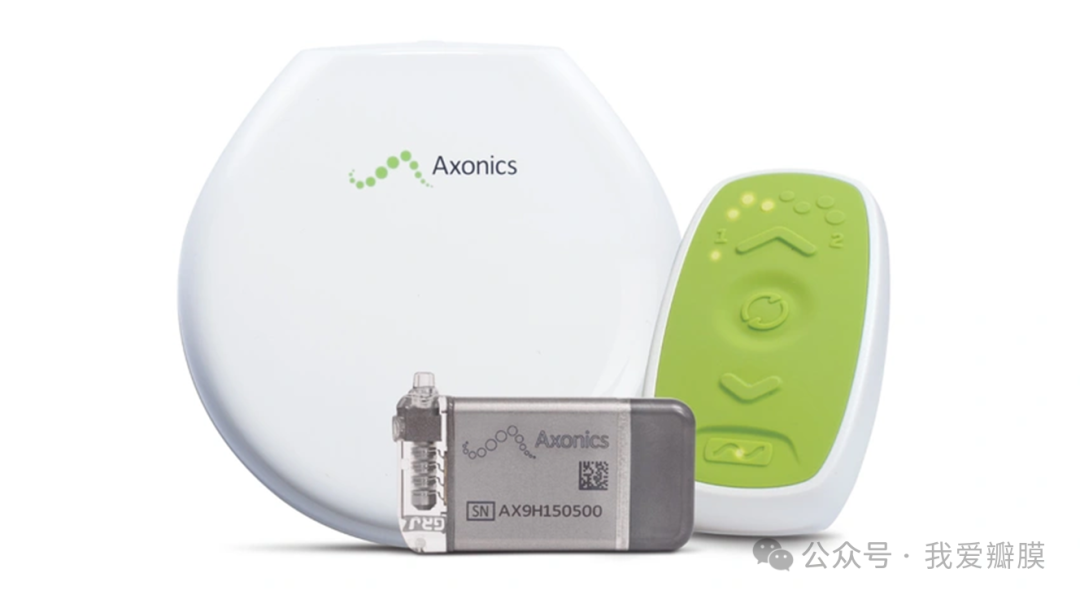
Headquartered in Irvine, California, Axonics has developed neuromodulation systems for the treatment of urinary and bowel dysfunction. Its fourth-generation R20 rechargeable sacral neuromodulation (SNM) system received FDA approval approximately one year ago. Axonics also launched the non-rechargeable F15 SNM system in mid-2022.
Axonics Becomes a Key Component of One of the Largest Medtech M&A Deals This Year, BostonScientific Company Agrees to Pay $3.7 Billion for AxonicsThe addition of urological technology to its product portfolio has caused a sensation.However, the deal remains pending as the FTCRequest for Additional Information Regarding This Acquisition。
As we await the outcome of the acquisition, Axonics this month inIn the patent dispute with Medtronic, the jury reached a unanimous verdictAxonics Achieves Significant Victory in Intellectual Property Case. The jury found that Axonics did not infringe any of the three patents-in-suit related to its tin lead wire design and temperature sensor technology.
2. Neuralink
 Neuralink Faces More Issues but Continues to Advance Pipeline
Controversial entrepreneur Elon Musk’s Neuralink, a brain-computer interface (BCI) company, has been in the news over the past few years, and 2024 was no exception.The companyCompleted its first human BCI implantation in January。A 9-minute live demonstration showcasedNoland Arbaugh Uses Neuralink BCI to Move Computer Cursor and Play Chess Online。
However, the company encountered obstacles in May due to potential wiring issues with its BCI. Neuralink had previously stated thatWithin weeks after the first human implantation, several threads retracted from the brain。
According to reports, the companyHave been aware of this issue for many years, but considered the risks insufficient to warrant a redesign. Nevertheless, in May, the FDAApproved the company's completion of its upcoming second human implant.。
Meanwhile, another brain implant from Neuralink is under development. In September, the companyAnnounced on social media that its Blindsight implant, designed to restore vision, received FDA Breakthrough Device DesignationMusk stated that the Blindsight device “will enable even those who have lost both eyes and their optic nerves to see.”
3. Cognito Therapeutics Touts Non-Invasive Neuromodulation Technology
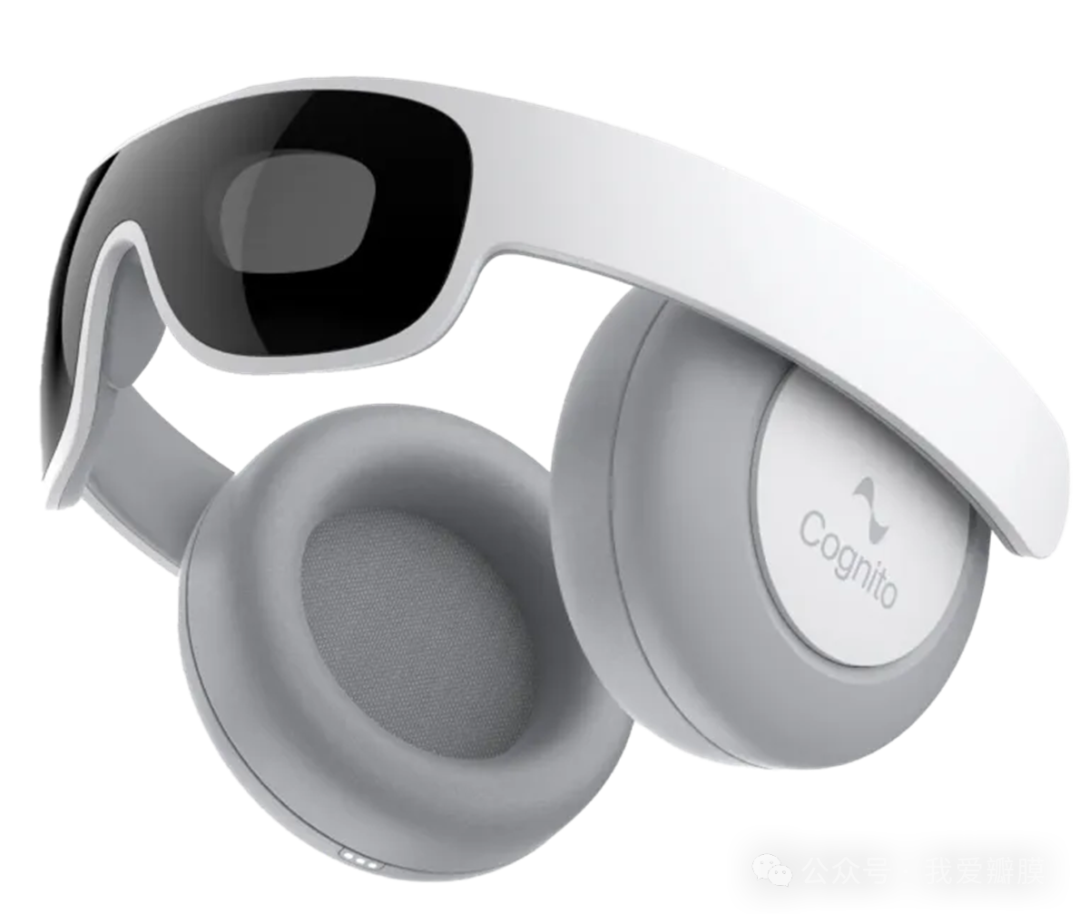
Cognito, headquartered in Cambridge, Massachusetts, has developed the Spectris system, which provides disease-modifying therapy for the treatment of Alzheimer’s disease. Its non-invasive neuromodulation device delivers proprietary gamma-frequency light and sound stimulation. This induces EEG-confirmed gamma-frequency brain oscillations to treat central nervous system (CNS) disorders.
Cognito reported that activities of daily living maintained a statistically significant separation during the 12 months of its study on disease-modifying therapies.
These results indicate that the Spectris composite endpoint meets published disease-modifying criteria. Cognito stated that the findings also support early treatment. Furthermore, the company did not identify any serious treatment-related adverse events in OVERTURE II. It reported high device adherence (80%), similar to that observed in the OVERTURE I study, which led to its inclusion in OVERTURE II.
Cognito continues its efforts to bring neuromodulation technologies to market, and onA new CEO was appointed in August。
4. InspInspire Medical Next-Generation Sleep Apnea Neurostim
Inspire Medical, a developer of neurostimulators offering an alternative to traditional CPAP therapy for patients with sleep apnea, took another significant step forward in August when it received major regulatory approval.
This Minneapolis-based company (NYSE: INSP)Its Inspire V therapy system has received FDA approval, featuringNext-generation neurostimulators and associated Bluetooth patient remote controls and physician programmers.
The Inspire pacemaker-like device delivers mild electrical stimulation to the hypoglossal nerve, which controls the tongue muscles.
The company stated at the time that its focus remained on post-approval operational readiness. This includes product manufacturing and building inventory to support a full commercial launch in the United States. Inspire Medical aims to soft-launch Inspire V by the end of 2024, followed by a full launch in 2025.
SinceA Major Recall Forces Traditional PAP Manufacturer Philips to Temporarily Exit the MarketSince then, Inspire Medical's market share in sleep apnea treatment has continued to grow.
5. Abbott Rechargeable Deep Brain StimulationLiberta RC DBS

Earlier this year, Abbott announcedFDA Approval Granted for Launch of Liberta RC DBS System。
Liberta RC DBS (Rechargeable Deep Brain Stimulation) features remote programming capabilities for the treatment of patients with movement disorders.Abbott stated that among all FDA-approved DBS systems, its system requires the fewest recharges, with most users needing to recharge only 10 times per year.
This system is also the first and only one compatible with Abbott’s proprietaryNeuroSphere Virtual ClinicCompatible rechargeable DBS device. NeuroSphere enables patients to communicate with their physicians to ensure proper settings and functionality, and to receive new therapy settings remotely.
Abbott’s DBS device has a height and width approximately equivalent to the face of a smartwatch. Abbott states that it is approximately 31% smaller than other commonly used implantable rechargeable DBS devices in the United States.
Meanwhile, the company’s neurotechnology portfolio continues to expand, as Abbott’sThe Proclaim™ system also received expanded MRI labeling from the FDA in January.。
6. LivaNova Neuromodulation Therapy for DepressionSymmetry VNS
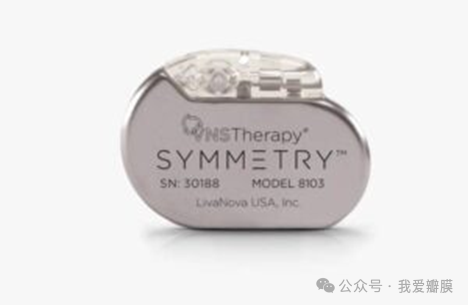
In June, the company stated that a study on LivaNova’s VNS therapy for treatment-resistant depression failed to meet its primary endpoint.
In the RECOVER study, symmetric VNS therapy did not meet its primary endpoint in the monopolar cohort. However, LivaNova stated that it achieved statistical significance on selected secondary endpoints with its neurotechnology.
The primary endpoint measured the difference in response rates on the Montgomery-Åsberg Depression Rating Scale (MADRS) between active and sham VNS therapy in a cohort of patients with unipolar depression. Over 12 months, the active treatment group demonstrated statistically and clinically significant improvements compared to the control group.
LivaNova stated that the study recorded unexpected robust responses in its sham surgery group. The company indicated that this precluded achieving statistical separation between the two groups for the primary endpoint. Nevertheless, the company asserted that the overall data support a clinically meaningful therapeutic effect of VNS therapy.
7. CorTec Brain Interchange BCI
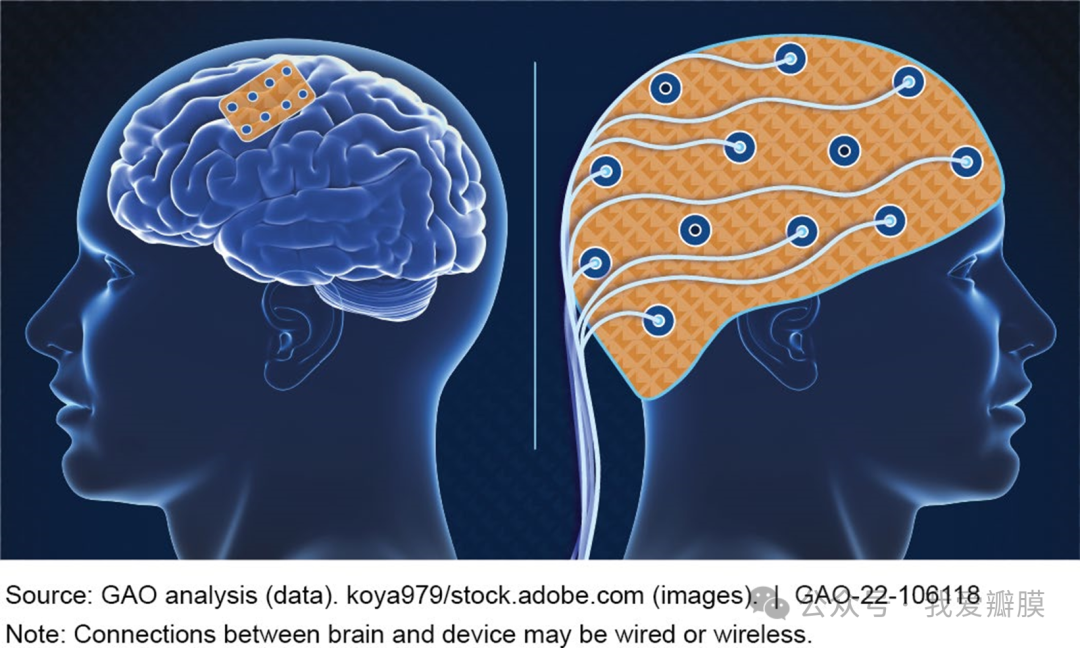
CorTec stated in May that the FDA granted an Investigational Device Exemption (IDE) for research on its closed-loop BCI system.
This neurotechnology company has designed its Brain Interchange system to provide clinicians with a fully implantable closed-loop BCI for researching therapeutic approaches. Dr. Martin Schuettler, Chief Technology Officer, believes that the closed-loop functionality offers new possibilities for personalized treatment.
The IDE enables the University of Washington School of Medicine (UW) to evaluate CorTec’s Brain Interchange implantable system in clinical research. It will investigate a novel stroke rehabilitation therapy that uses cortical stimulation to enhance neuroplasticity.
These studies, funded by the NIH, aim to obtain preliminary first-in-human safety data. Additionally, the researchers hope to leverage direct cortical electrical stimulation provided by Brain Interchange to investigate the development of novel therapeutic rehabilitation approaches for upper limb impairment in stroke patients. They plan to conduct recruitment and perform the first implantation in the third quarter of 2024.
8. Medtronic Percept RC
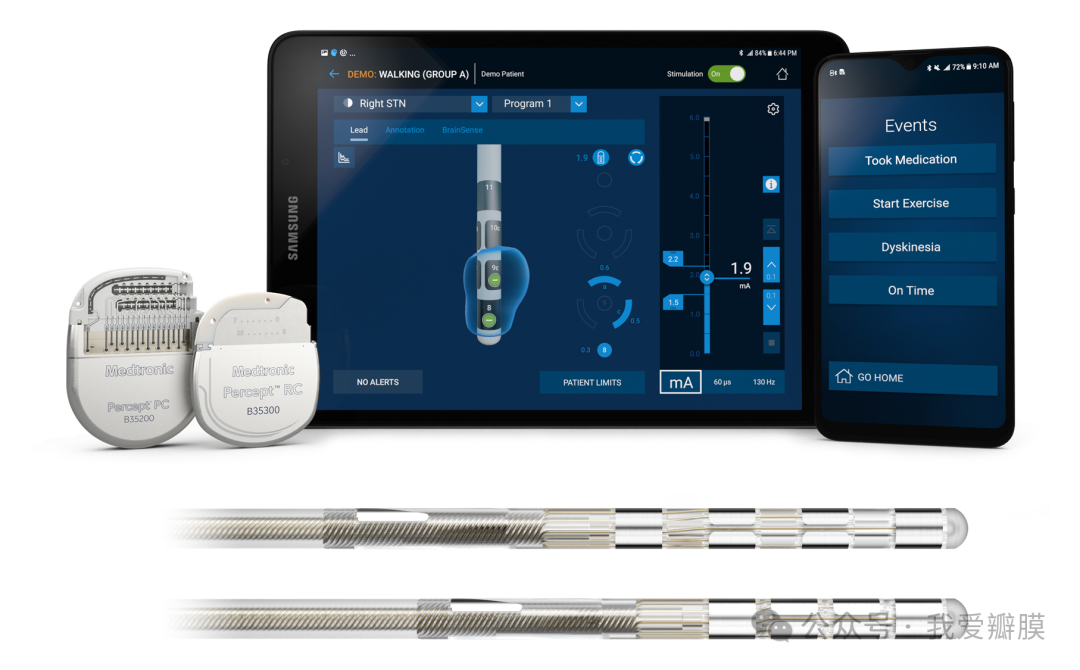
In just one week of 2024, Medtronic announced FDA approval of its Percept RC Deep Brain Stimulation (DBS) System, the latest addition to its Percept family of DBS devices. The medical technology giant described the Percept RC as the first rechargeable device supporting DBS sensing.
DBS uses surgically implanted devices, such as cardiac pacemakers. Medtronic offersPercept™ NeurostimulatorIt transmits electrical signals via slender wires to specific brain targets affected by neurological disorders. Percept offers sensing, directionality, and advanced programming capabilities. The company’s DBS system, equipped with BrainSense technology, can capture and record brain signals. This provides valuable data and insights necessary for tailoring treatment to each patient’s individual needs.
In a speech at the J.P. Morgan Healthcare Conference, Chairman and CEO Geoff Martha described it as a “game-changing” device that exemplifies “how Medtronic engineers are truly leading the industry in innovation, developing smaller devices, and inventing sensing technologies to improve therapeutic outcomes.”
Approximately eight months later, the company announced another breakthrough in DBS,FDA approval granted for sleep DBS surgery in patients with Parkinson’s disease and essential tremor (ET)。
Medtronic stated that it is the first and only company to receive FDA approval for performing DBS surgery while patients are asleep (under general anesthesia) or awake.
9. Synchron Stentrode BCI
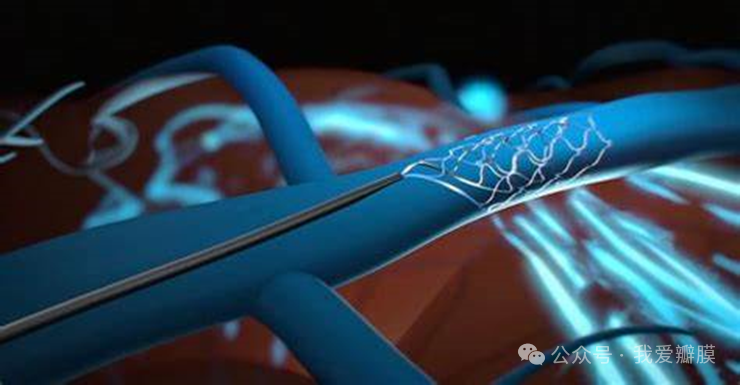
Synchron is one of the BCI companies striving to bring its first product to market, employing a unique approach.It has designed Stentrode BCI technology to decode the brain's neural signals and identify motor intentions for controlling digital devices, similar to other technologies, but this technologyis provided via an endovascular approach。
The company stated that its BCI is the only oneEntering the vasculature to capture signals from the brainBCI. The implant is inserted via the jugular vein to reach the surface of the brain’s motor cortex. After implantation, it detects and wirelessly transmits motor intent signals out of the brain, potentially enabling individuals with severe paralysis to control personal devices through hands-free clicking.
As the company advances the clinical trials of its BCI, it will continue to add other features. In July,Synchron Announces Integration of OpenAI-Powered Generative AI into Its BCI Platform. Integrating generative AI into the platform further enhances its capabilities, enabling users with severe paralysis and loss of upper limb mobility to interact with the digital world hands-free simply by thinking. Several months after the AI integration, the companyIt also connects its BCI to Amazon's Alexa platform.。
Early impressions from the Stentrode clinical trial were also impressive, becauseSynchron recently stated that no serious adverse events occurred in its 12-month Command study., the study also demonstrated the reliable performance of the implant.
CEO Tom Oxley recently discussed FDA approval competition, lessons learned from the Command trial, and the potential for consumers to use BCI implants through medical design and outsourcing.