Neuralink Submits Prospectus for First Overseas Clinical Trial of Its Brain-Computer Interface and Surgical Robot in Canada

Neuralink
Brain-Computer Interface System Developer


Pioneer in Medical Device Media Coverage
Sharing Professional Medical Device Knowledge
Recently, Elon Musk’s brain-computer interface (BCI) company Neuralink announced,Having received approval from Canadian regulators, the company will conduct the first international clinical trial of its device in patients with quadriplegia in Canada. This study, named CAN-PRIME,To be conducted in parallel with Neuralink’s recently launched PRIME study in the United States, marking a further global expansion of this technology.
The CAN-PRIME study will focus on testing the safety and functionality of Neuralink’s N1 implant in individuals with difficulties moving their arms and legs. The implant is designed to serve as a hands-free interface between the brain and electronic devices, enabling patients to control external devices using only their thoughts. The research team will evaluate whether this technology can effectively enhance patients’ activities of daily living and independence.
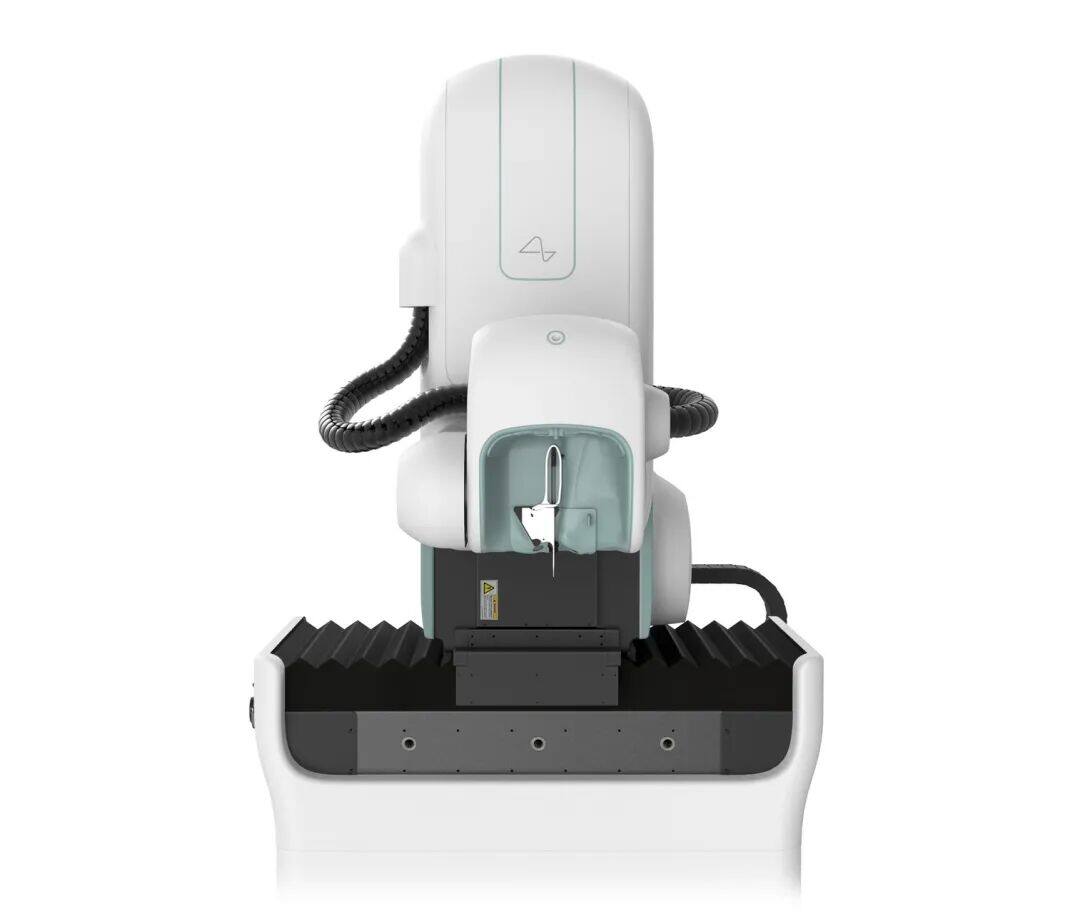
In addition to the N1 implant,The study will also evaluate the safety and efficacy of Neuralink’s R1 robot. This robot, a critical tool in the surgical procedure, is designed to precisely implant the thread-like electrodes used in brain-computer interfaces (BCIs) into the brain. By validating the performance of the R1 robot, the research team aims to further optimize the process and outcomes of the implantation surgery.
The study plans to recruit six Canadian residents with severe quadriplegia resulting from spinal cord injury or amyotrophic lateral sclerosis (ALS), who have a life expectancy of at least 12 months. The primary objective of the study is to evaluate the safety of the implant and the implantation procedure. Additionally, the Montreal Cognitive Assessment (MoCA) scale will be used to assess patients’ cognitive functions, including attention, memory, language, and orientation, as well as their levels of anxiety and depression.
To ensure the comprehensiveness and accuracy of the study, follow-up assessments will continue for up to six years. During the first 12 months, patients will undergo four assessments using the Montreal Cognitive Assessment (MoCA) scale, as well as evaluations for anxiety and depression, to monitor changes in their cognitive and emotional status.
Previously, Neuralink conducted initial clinical trials in the United States and achieved encouraging results. The first patient to receive the N1 implant, Noland, has shown promising signs of neuronal spike detection, indicating that the device was correctly implanted and that he is able to control the cursor on a computer screen. Although subsequent retraction of electrode wires affected BCI performance, the company stated that the situation has stabilized.
The second patient, Alex, underwent brain-computer interface (BCI) surgery this summer. Within just five minutes, he was able to control a cursor with his thoughts and soon began playing the first-person shooter game Counter-Strike using the implant. According to Neuralink, Alex is also learning how to use computer-aided design (CAD) software to create 3D objects, demonstrating the potential of BCI technology to enhance patients’ quality of life and expand their skill sets.
Neuralink stated that it is currently working on adding features such as multi-click and multiple simultaneous movement intents to provide “full mouse and video game controller functionality.” In the future, the company also hopes to enable the device to interact with the physical world, allowing users to feed themselves and move more independently by controlling robotic arms or wheelchairs.
According to the trial listings on the ClinicalTrials.gov registry, the results of the CAN-PRIME study are expected to be published in 2027. The conduct of this international trial not only brings new hope to patients with quadriplegia but also marks the continuous development and advancement of brain-computer interface technology worldwide.
More Exciting Content
Welcome to follow our WeChat Video Account


800 Units: GE HealthCare Announces Major Partnership
Intuitive Surgical, rejected
Imaging Giant Announces Latest Acquisition
Medical Giant Bankrupt, 12,600 Employees Face Job Losses
First Approval Granted: Sun Piaoyang Enters the ECMO Market
Radiotherapy Giant: Major Personnel Appointment
30-Billion Medical Device Leader Acquired
Neusoft Medical: Leading the Digital and Intelligent Transformation
Just now, the "Pioneer of Ultrasound" Listed on the ChiNext Board
Medtronic: Appoints New CFO

BusinessBusiness Cooperation Email: qxzj@landianyiliao.com