

Paradromics and Neuralink: The Battle for Dominance in Brain-Computer Interface Technology

Paradromics
Brain-Computer Interface Technology Developer

Neuralink
Brain-Computer Interface System Developer

For decades, enhancing brain capabilities through computers and technology has been a central theme in science fiction. Now, numerous brain-computer interface (BCI) companies worldwide, including Paradromics and Neuralink, are striving to turn this concept into reality by developing BCI technologies. This advancement holds the potential to transform medicine and human cognition, yielding profound and controversial implications.
Recently, Saudi Arabia has partnered with the U.S. neurotechnology company Paradromics to join this race. Through this collaboration, Saudi Arabia aims to establish a cutting-edge brain-chip research center in NEOM.
As competitors like Neuralink seek greater advances in ethical issues, the global landscape of brain-computer interfaces is undergoing rapid change.
Recent Saudi-US Cooperation
Saudi Arabia Is Entering a Risky Realm After Collaborating with the U.S. on Brain-Chip Implant Technology
Despite the significant attention Elon Musk’s Neuralink has garnered, competition is intensifying.
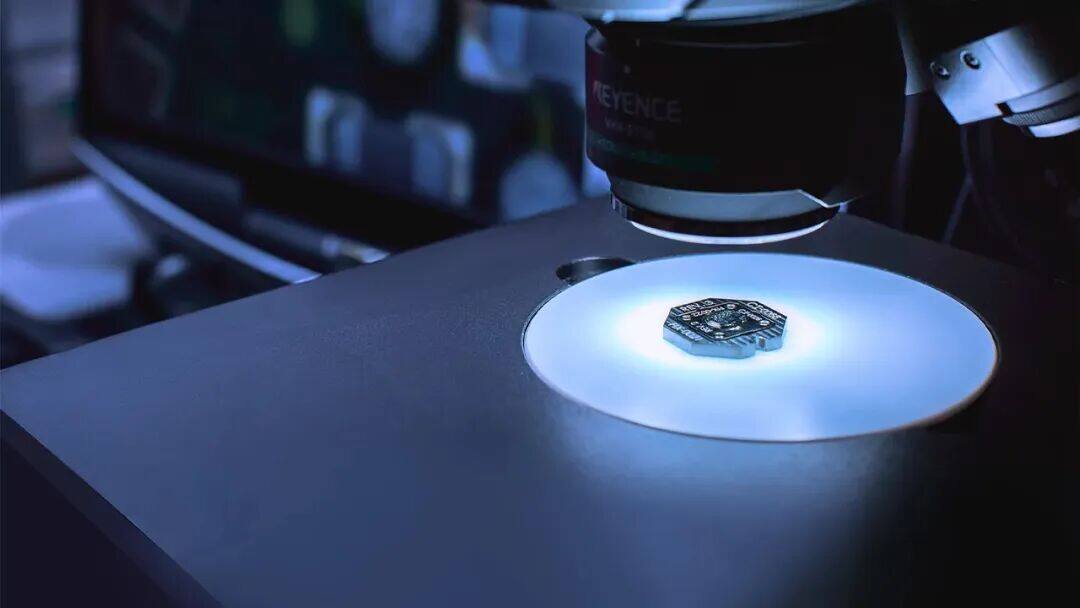
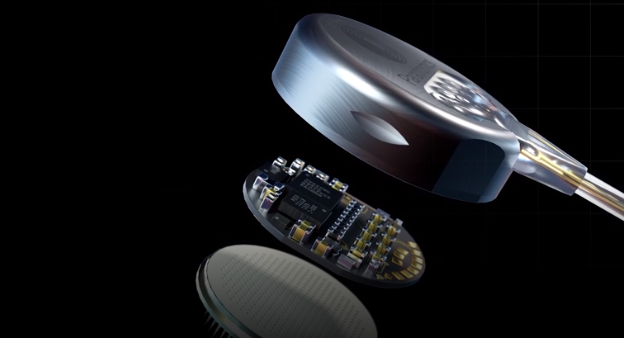
Paradromics is a Texas-based neurotechnology company that claims to offer more precise applications for medical use. The company focuses on high-bandwidth communication between the brain and external devices, whereas Neuralink concentrates on small wireless implants.
The plan to establish a center in NEOM demonstrates Saudi Arabia’s growing investment in technology and biotechnology. Amid rising concerns, the Kingdom is seeking to attract global talent and explore neurotechnology.
Competitive Landscape
When Musk first founded Neuralink in 2016, the company made headlines. It claimed that its technology could enhance human cognitive abilities and even restore mobility to paralyzed individuals. However, these ambitious goals have faced regulatory hurdles, allegations of rushed timelines, and controversy over its animal testing practices.
Of the eight co-founders who initially established Neuralink, only one remains. Key figures such as Max Hodak have departed to found a new company that is also researching brain-computer interfaces.
Despite various concerns, Neuralink continues its experiments and is committed to implanting chips in pigs. The company also released a video claiming that it enabled a monkey to play video games using only its brain.
Approximately one year ago, Musk announced that the first human patient had undergone an implantation procedure by Neuralink Corp. This occurred after the U.S. Food and Drug Administration approved the company to conduct human clinical trials.
As competitors offer alternatives to Neuralink’s approach, the brain-computer interface (BCI) field is becoming increasingly crowded. Synchron, backed by Bill Gates and Jeff Bezos, has also implanted devices in human patients.
In Switzerland, researchers have been able to restore movement in paralyzed patients using brain-spine interfaces. Meanwhile, in Germany, companies like CereGate are exploring different neural interface approaches.
Ethical Issues
Research led primarily by Paradromics and Neuralink has raised ethical concerns. Although companies emphasize medical applications to justify this race, the field has sparked questions regarding privacy and societal impact.
Elon Musk has previously stated that brain-computer interfaces could one day enable telepathic communication or memory storage. However, critics argue that Neuralink’s marketing is a “spectacle” or, as described by MIT Technology Review, “neuroscience theater.”
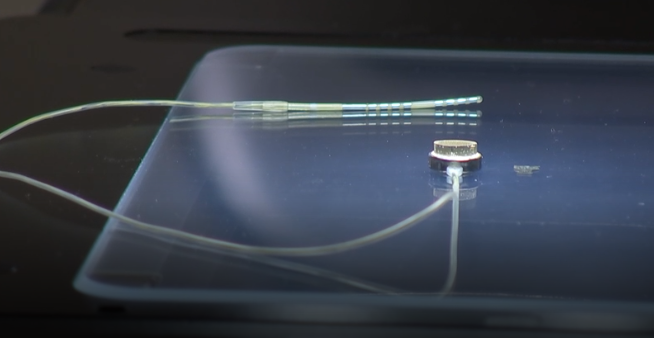
Although brain implants may help treat neurological disorders, experts still warn that the broader adoption of brain implants to enhance human capabilities remains speculative.
Many doctors and experts also warn that commercial neurotechnology companies rely on technological optimism without peer-reviewed data. Furthermore, these implantable devices always carry the risk of infection, immune responses, and damage to brain tissue.
Growing Investment
Saudi Arabia’s recent collaboration with Paradromics is more than just a business deal. The Kingdom has entered a field that will transform human-computer interaction, aiming to be an active participant in this race rather than a mere bystander.
Translated by Tina from the Brain-Computer Interface Community
Please cite the source when reposting.
For academic sharing only. If there is any infringement, please leave a message, and it will be deleted immediately!


Join Community
Welcome to the Brain-Computer Interface Community Group Chat,
Exploring Topics in the Field of Brain-Computer Interfaces: Real-Time Tracking of Cutting-Edge Developments
Join WeChat Group:
Add WeChat: RoseBCI [Note: Name + Industry/Profession].
Join QQ Group: 913607986
Submissions Welcome
1. Submissions are welcome. For submission inquiries, please contact us via WeChat: RoseBCI
Click to Submit:Submission Guidelines for Academic News in the Brain-Computer Interface Community
2. To join the community as a part-time creator, please contact us on WeChat: RoseBCI



One-click Triple Action: “Share,” “Like,” and “Mark as Read”
Stay Updated on Every Breakthrough in Brain-Computer Interface Technology