On March 12, 2025, neuroscience medical technology company MicroTransponder announced that it had raised in its Series F financing round$65 million(Contract470 millionRMB) to support the development of its Vivistim system.This round of financing was led by U.S. Venture Partners, with participation from other existing investors such as Osage University Partners and Action Potential Venture Capital. New investors included Gilde Healthcare and Longitude Capital.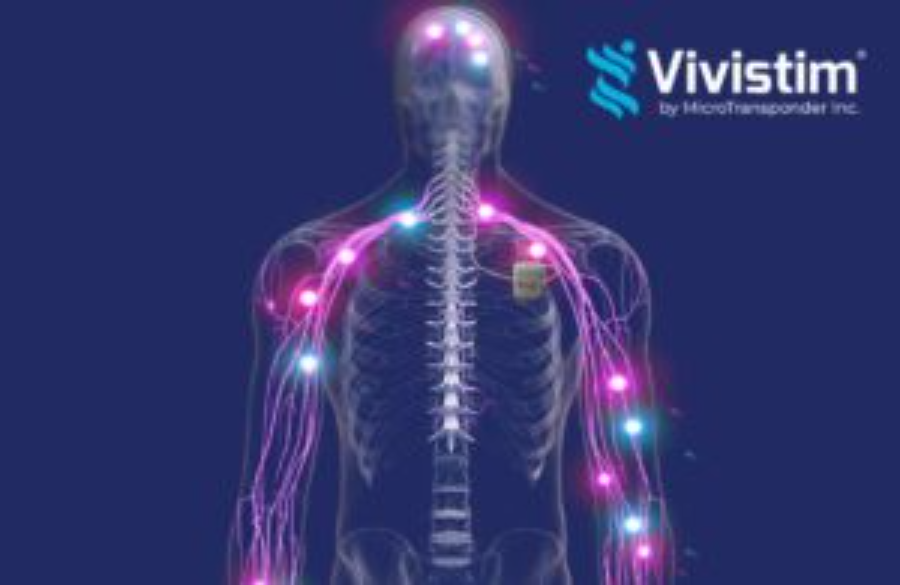
# Vivistim System
The Vivistim Paired VNS™ system, developed by MicroTransponder Inc., is an innovative neuromodulation technology specifically designed for the rehabilitation of upper limb function after stroke.
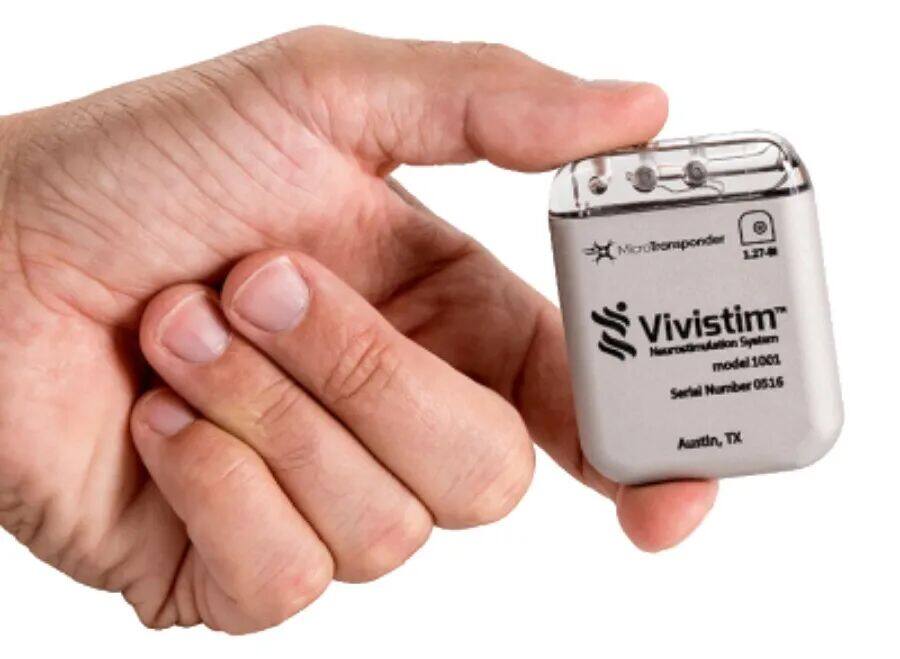
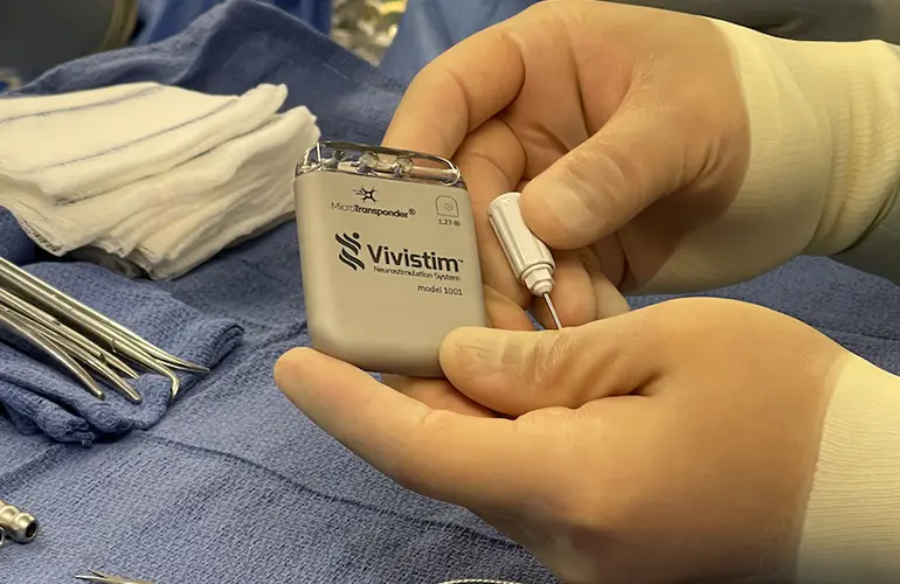
This system combines Vagus Nerve Stimulation (VNS) with rehabilitation training to significantly improve hand and arm motor function in patients with chronic ischemic stroke by enhancing neuroplasticity.- Pulse Generator:Weight less than70 g, implanted in the left thoracic region of the patient, capable of generating a frequency of1 Hz to 30 Hzelectrical pulses.
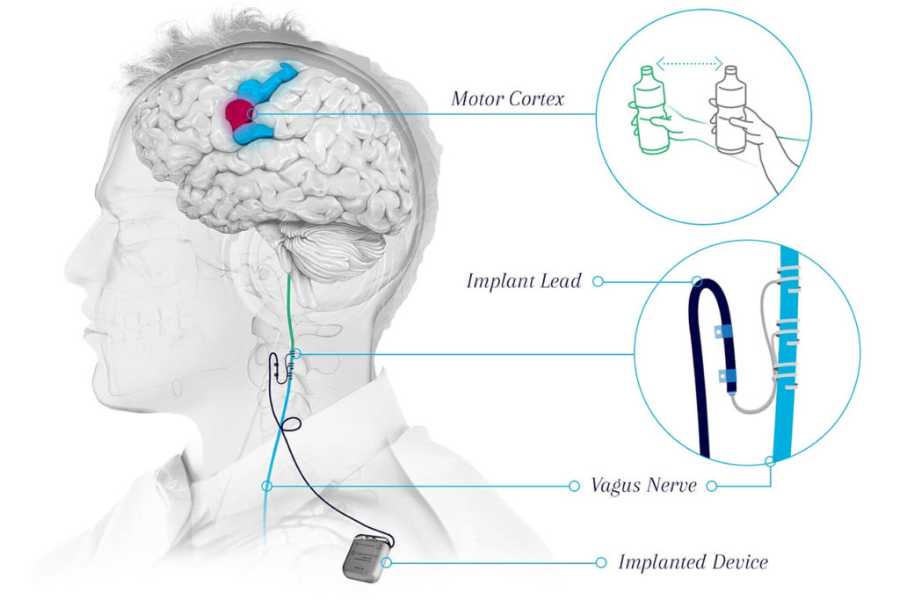
Lead and Electrode:A long wire43 cm in length, with a diameter of 2 mm or 3 mmThe lead wire is connected via a subcutaneous tunnel to the helical electrode, which is wrapped around the left vagus nerve.
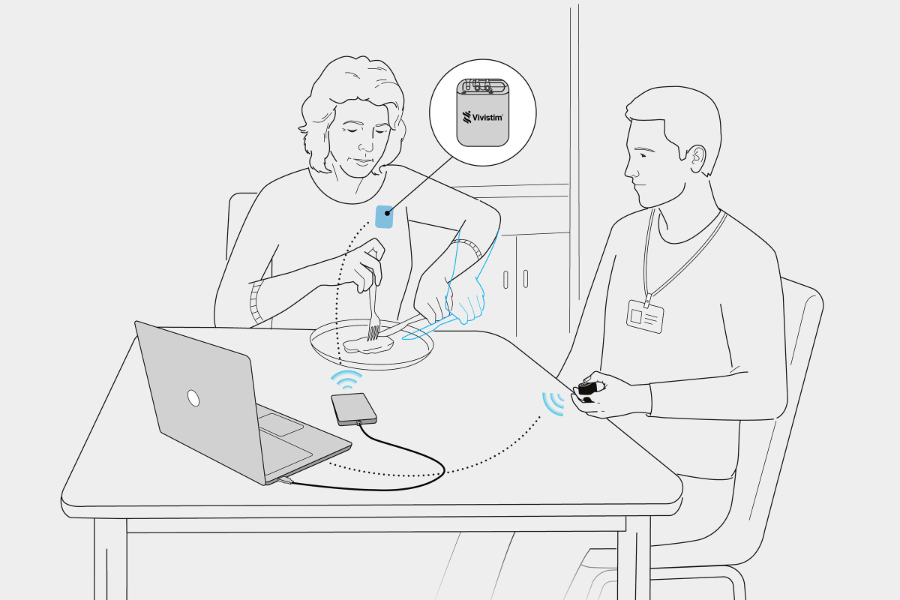
Programming Software (SAPS):Installed on a laptop computer, used to set the stimulation parameters of the pulse generator (such as amplitude, frequency, pulse width), and record historical stimulation data. All settings are transmitted to the pulse generator via a wireless transmitterdevice.
Wireless Transmitter:For remote control of parameter settings for the pulse generator.
The Vivistim system includes a neurostimulator implanted under the skin of the chest, connected via electrodes to the left vagus nerve in the neck. After implantation in an outpatient procedure, the device delivers mild electrical pulses in synchrony with rehabilitation training sessions.This “paired stimulation” mechanism is based on neuroscience principles: electrical stimulation triggers the release of neuromodulatory substances (such as acetylcholine and norepinephrine), thereby strengthening neural connections formed during rehabilitation training. Preclinical studies have shown that VNS can enhance the effects of rehabilitation training and promote reorganization of the brain’s motor cortex.The Vivistim system must be used strictly in accordance with the rehabilitation plan under the operation of a professional therapist. In the home environmentDuring use, patients need to undergo professional training and then activate the pulse generator with a magnet for self-training.
Compared to traditional VNS (primarily used for epilepsy and depression), the innovation of Vivistim lies inSynchronize stimulation with specific behavioral training, pioneering a new model for neurorehabilitation. Its implantation procedure is simplified (requiring only45-90 Minute Surgery) and adjustable parameter design (via external programmer) further enhance clinical applicability.The pivotal clinical trial (VNS-REHAB) demonstrated that patients receiving6 WeeksPatients receiving paired VNS therapy showed improvement in arm motor function compared to the control group.2-3 times, and65%Patients reported significant improvement in activities of daily living. Follow-up demonstrated that therapeutic effects were sustained for several years.The Vivistim System, developed by MicroTransponder, is FDA-approved.Article 1Vagus nerve stimulator for stroke rehabilitation, approved by the FDA in August 2021.MicroTransponder was completed in 2023.$73 Million Series EFinancing is intended to expand the commercialization of Vivistim and develop iterative products. The company is exploring the expansion of this platform to other neurological disorders, such as chronic pain or cognitiveDisorder.Richard Foust, CEO of MicroTransponder, stated: “We have alreadyOne-fifthJoint Commission-certified Comprehensive Stroke Center andone-half ofA collaboration plan was established within the Top 100 Neurospinal Projects in 2024.”# AboutMicroTransponder
MicroTransponder, founded in 2007, specializes in developing innovative neuroscience-based solutions aimed at helping patients with neurological disorders restore sensory and motor functions through neurostimulation technology, thereby improving their quality of life.The company’s current main products include the Vivistim system, the Serenity system, and others. The Serenity system is a neuromodulation device for the treatment of tinnitus, currently undergoing clinical trials, with FDA approval expected in the future.MicroTransponder plans to expand the Paired VNS™ platform into the treatment of additional chronic neurological disorders, including post-traumatic stress disorder (PTSD), obsessive-compulsive disorder, phobias, and addiction.