

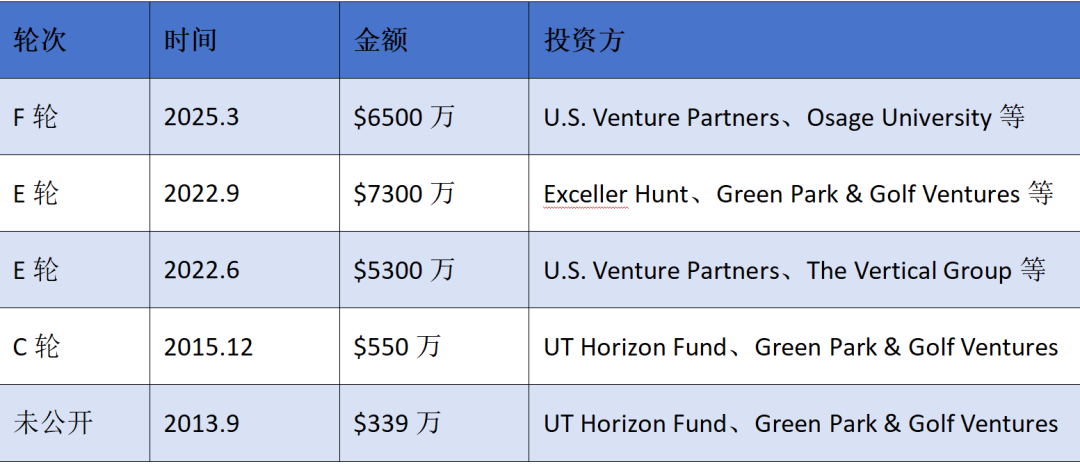
MicroTransponder Secures $65M Series F Funding to Advance Vagus Nerve Stimulation Therapy for Stroke Rehabilitation

MicroTransponder
Neurostimulation Device Developer

Due to recent changes in the official account’s push mechanism, we welcome you to set Boom Health as a “Star” on the homepage of our official account to receive the latest trends and expert insights in the digital healthcare industry at the earliest opportunity!
MicroTransponder, founded in 2007 and headquartered in Dallas, Texas, USA, is a medical technology company focused on the development and commercialization of neurostimulation devices. The company’s mission is to provide solutions for restoring sensory and motor function in patients with neurological disorders through innovative neuromodulation technologies.
The market for neurotechnology devices has developed rapidly in recent years. According toGlobal Market InsightsData,2021The annual market size of neurotechnology devices has exceeded109hundred million USD, and is expected to grow at a rate of over the next decade14.5%with an increase in the compound annual growth rate. The neurotechnology device market can be divided into four categories: neuromodulation, neural prosthetics, neural sensing, and neurorehabilitation. Among these, neuromodulation, also known as neural stimulation, is2021Years accounted for approximately69%market share, and this trend is expected to continue rising in the future.
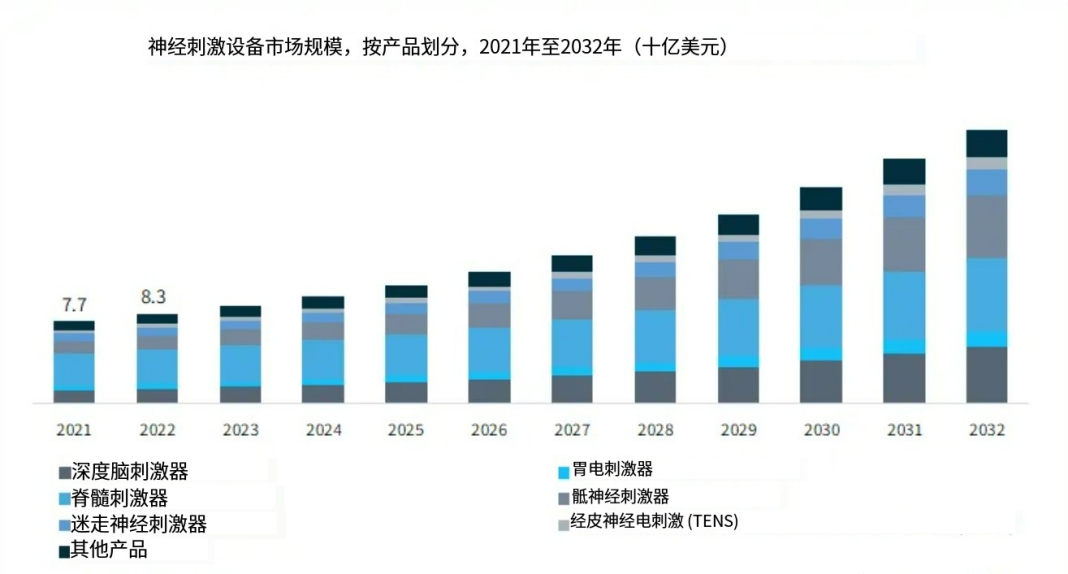
Neuromodulation can be further subdivided into various types based on the targeted neural segments, such as deep brain stimulators, spinal cord stimulators, and gastric electrical stimulators,Vagus Nerve Stimulator, sacral nerve stimulators, transcutaneous electrical nerve stimulation devices, etc. Among these, vagus nerve stimulators have become a new focus in recent years, particularly demonstrating significant potential in the treatment of post-stroke motor disorders.
The vagus nerve is the tenth of the twelve pairs of cranial nerves in the human head. It contains sensory, motor, and parasympathetic nerve fibers, making it the longest and most widely distributed cranial nerve. The vagus nerve extends from the brainstem down to the abdomen, passing through various organs, including the heart, esophagus, and lungs. Due to its extensive distribution and numerous connections within the brain, the vagus nerve serves as the foundation for neuromodulation therapies targeting a variety of diseases.
The market prospects for vagus nerve stimulators are promising. In 1997, the U.S. Food and Drug Administration (FDA) approved vagus nerve stimulators for the treatment of drug-resistant epilepsy. To date, more than 100,000 vagus nerve stimulation devices have been implanted in patients to treat epilepsy or depression. In recent years, breakthrough progress has been made in using vagus nerve stimulators to treat post-stroke motor impairments. The Vivistim system, developed by MicroTransponder, is the first FDA-approved vagus nerve stimulator for stroke rehabilitation and has received the FDA’s Breakthrough Device designation.
MicroTransponder’s R&D team possesses robust technical expertise in the field of vagus nerve stimulation. The company’s co-founder, Navzer, holds a Ph.D. in Neuroscience from the University of Texas and is an M.D. The Vice President graduated with a degree in Electrical Engineering from Rice University and brings 30 years of clinical experience in vagus nerve stimulation. This seamless integration of medicine and engineering provides a solid foundation for the company’s product development. Richard Foust, the current CEO, previously held executive positions at major medical device companies such as Abbott. He holds a Bachelor’s degree in Applied Physics and a Master’s degree in Bioengineering, making him a seasoned professional in the medical device industry.
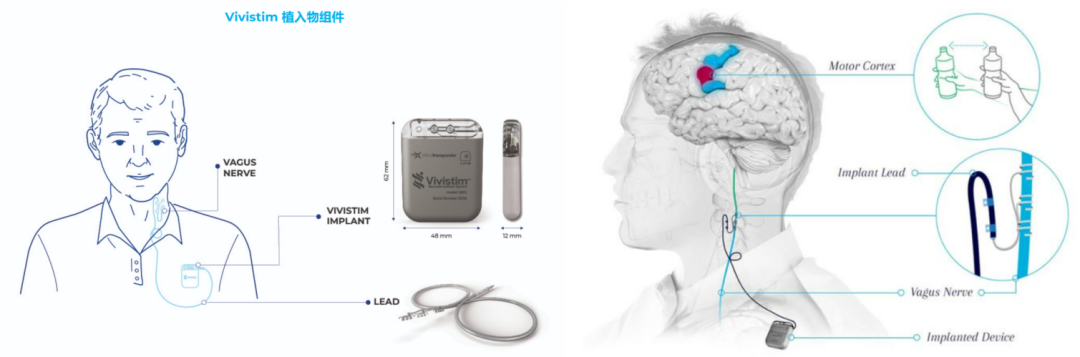
MicroTransponder 's core products areVivistim Paired Vagus Nerve Stimulation (Paired VNS™) System, this system has obtained U.S.FDAApproved for improving upper limb motor function in patients with chronic ischemic stroke. The development of the core technology is based on vagus nerve stimulation (VNS) neuromodulation system, which promotes the recovery of impaired neural function by stimulating the vagus nerve during rehabilitation training to activate the brain's neuroplasticity mechanisms.
The system consists of an implantable pulse generator (IPG) and electrode leads,IPG Implanted in the patient's left thoracic region, weighing less than70grams, capable of generating a frequency of1HzTo30Hzelectrical pulses. The lead wire passes through a long43cmDiameter2mmor3mmThe lead wire is connected via a subcutaneous tunnel to the spiral electrode, which is wrapped around the left vagus nerve. During rehabilitation training, the therapist controls the device using a remote control or software.IPGDeliver electrical pulses to stimulate the vagus nerve for half a second, while the patient performs specific rehabilitation exercises. The rehabilitation program is recommended three times per week for six weeks, with each session lasting75to90minutes, electrical stimulation per5to10once per second.
In addition to being used under the operation of a therapist, the device can also be used at home; however, the wireless transmitter should not be given to the patient. The patient must first receive training and then be provided with a special magnet that can activate the pulse generator, followed by daily use.30minutes of stimulation.
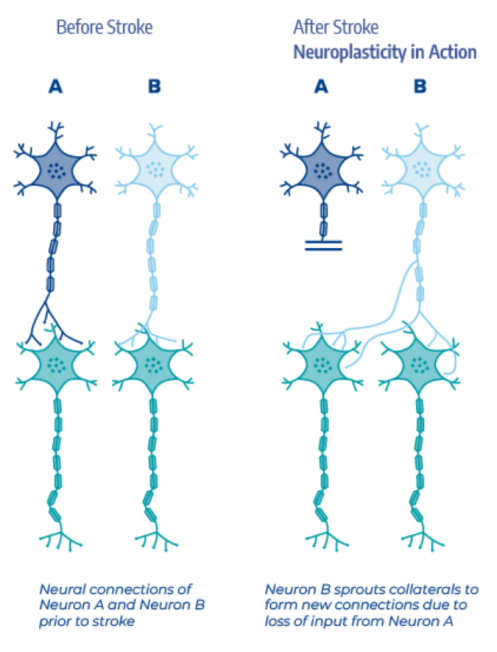
The Vivistim System enhances neuroplasticity by synchronously stimulating the vagus nerve during rehabilitation training, thereby accelerating the recovery of brain function. This stimulation, combined with rehabilitation training, not only promotes the reconstruction of neural connections but also improves the brain’s capacity for remodeling, offering patients more significant functional improvements than traditional rehabilitation methods. Therefore, Vivistim paired VNS therapy has become an innovative approach to neurological rehabilitation. By promoting neuroplasticity, it helps stroke survivors achieve continuous improvement in upper limb and hand function within 3 to 6 months post-stroke, enabling functional recovery even after long-term impairment.
Clinical trial data demonstrate that the Vivistim system yields significant improvements in upper limb function among patients with chronic ischemic stroke. In a pivotal study, patients treated with the Vivistim system exhibited a mean increase of 5 points in the Fugl-Meyer Assessment for Upper Extremity (FMA-UE) score after 6 weeks of therapy, compared to a mean increase of only 2.4 points in the control group. Furthermore, 90 days post-treatment, 47.2% of patients achieved an FMA-UE score improvement of ≥6 points, whereas only 23.6% of the control group did so. These data indicate that the Vivistim system provides two to three times greater improvement in upper limb function than conventional rehabilitation therapy.
Compared to traditional VNS (primarily used for epilepsy and depression), Vivistim’s innovation lies in synchronizing stimulation with specific behavioral training, thereby pioneering a new model for neurorehabilitation. Its simplified implantation procedure (requiring only 45–90 minutes of surgery) and adjustable parameter design (via an external programmer) further enhance its clinical applicability. Currently, through collaborations with leading medical institutions, MicroTransponder has promoted the Vivistim System in 20% of comprehensive stroke centers in the United States, garnering significant attention at international stroke conferences.
MicroTransponder has also developed the Serenity system for the treatment of tinnitus. Tinnitus is a common hearing disorder, and vagus nerve stimulation (VNS) represents an emerging therapeutic approach. Animal studies have indicated that VNS combined with auditory stimulation can controllably induce neuroplasticity in the auditory cortex. The Serenity system delivers tones outside the tinnitus frequency range while simultaneously stimulating the vagus nerve, thereby reducing the excitability of auditory neurons. Over time, this process facilitates the remodeling of auditory neuronal pathways. As an implantable device, Serenity’s relevant clinical data have not yet been disclosed on the company’s official website.
Furthermore, MicroTransponder plans to expand the Paired VNS platform to other neurological disorders, such as post-traumatic stress disorder (PTSD), obsessive-compulsive disorder, phobias, and addiction. This expanded application of the technology not only brings new hope for stroke rehabilitation but also lays a solid foundation for the future development of neuromodulation technologies. Through these innovations and product developments, MicroTransponder is committed to restoring dignity and function in patients with neurological disorders, thereby improving their quality of life.
MicroTransponder’s technology holds promise for profound impact across multiple fields. The Vivistim system not only provides an innovative therapeutic approach for stroke rehabilitation but also has the potential to play a significant role in treating other neurological disorders, such as tinnitus. By leveraging its innovative neuromodulation technology, MicroTransponder aims to help more patients restore neurological function and improve their quality of life, while continuing to expand the clinical applications of its products to encompass a broader range of disease areas and treatment options. With ongoing technological advancements and deepening partnerships, MicroTransponder is poised to become a leader in the field of neuromodulation, providing support in addressing some of the most complex challenges associated with neurological disorders.
Overall, MicroTransponder demonstrates significant growth potential in the field of neuromodulation, leveraging its innovative technology and robust partner network. The development and application of its Vivistim Paired Vagus Nerve Stimulation System are poised to bring new breakthroughs to neurological rehabilitation, offering more effective treatment options for patients worldwide.

Author: Huang Changjian


Click to Share

Like

Click "Like"