

Global Top 10 Brain-Computer Interface Companies: This Chinese Firm Makes the List! (With Tech, Applications & Funding)

Neuralink
Brain-Computer Interface System Developer

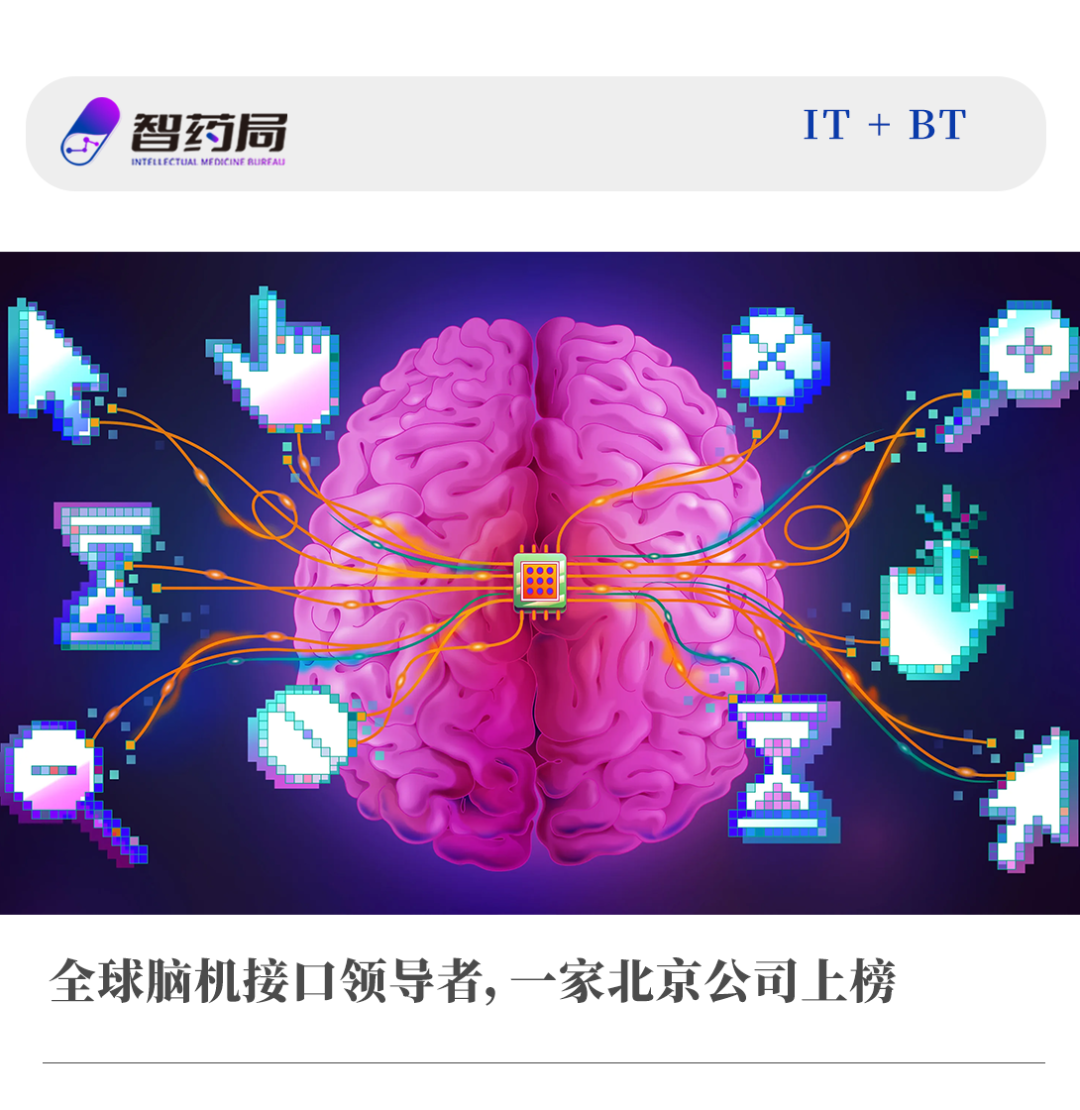
Brain-Computer Interfaces Are Accelerating Their Real-World Deployment.
On the R&D front, brain-computer interface (BCI) technologies via different approaches are approaching or have already entered clinical trials; on the market front,NeuralinkOfficial Announcement6.5Hundreds of millions of dollars in financing highlight strong investor enthusiasm; on the policy front, Beijing, Shanghai, Sichuan, and other regions have successively introduced relevant plans. National-level standard-setting is also rapidly underway.
Recently, a well-known market research and industry consulting firmSpherical InsightsRelease Report,List2025Top 10 Companies Leading Brain-Computer Interfaces, and provide relevant market data and future trends.
The report indicates that brain-computer interfaces are transitioning from the laboratory to scalable, practical solutions.This technology is expected to be commercialized in the healthcare sector within the next five years.,Early applications may target diseases refractory to conventional therapies, such as multiple sclerosis and amyotrophic lateral sclerosis.(ALS)and stroke.
Analysts predict,GlobalThe market size of brain-computer interfaces will grow from2024Annual28.7increased from $100 million to2035of the year151.4hundred million USD,However, as this technology is still in the early stages of commercialization, actual market revenue remains relatively limited.Estimated to2035Year,Brain-Computer Interfacerevenue will be slightly lower than15$100 million。
The report indicates that,The Asia-Pacific Region Currently Leads Global Demand in the Brain-Computer Interface Market, the brain-computer interface market in this region is continuously expanding, driven by rising healthcare costs, the development of advanced infrastructure, and increasing patient awareness of technology.
The following isSpherical InsightsSelected2025Top 10 Companies Leading the Brain-Computer Interface Market:
1、Neuralink
by Musk in2016a neurotechnology company co-founded in [year], dedicated to developing high-bandwidth brain-computer interfaces (BCI) system, whose core objective is to achieve direct communication between the human brain and computers by implanting miniature devices into the brain, thereby addressing various neurological disorders and ultimately aiming to enhance human capabilities.
Key Technologies:
NeuralinkThe primary technology is a technique known as “Link” micro-implantable device, composed of thousands of flexible electrode threads thinner than a human hair, capable of reading and writing brain activity. Their robotic surgical system can precisely implant these electrode threads into the cerebral cortex to minimize tissue damage.
'%20fill='%23FFFFFF'%3E%3Crect%20x='249'%20y='126'%20width='1'%20height='1'%3E%3C/rect%3E%3C/g%3E%3C/g%3E%3C/svg%3E)
Implementation Progress:
Neuralink Extensive testing in animals (such as pigs and monkeys) has demonstrated the potential of its device to read brain signals and control external devices.2023Year,Neuralink Obtained approval from the U.S. Food and Drug Administration (FDA) approval, first-in-human clinical trials may be conducted.
2024At the beginning of the year,Neuralink Successfully completed the first human brain chip implantation surgery. The first patient to receive the implant has been able to control a computer cursor and play games using only their thoughts, although some issues with electrode wire retraction occurred in the early stages, butNeuralinkIndicates that the issue has been resolved through software adjustments.
Financing:Neuralink Completed multiple rounds of financing,2025Year6The latest round of fundraising this month raised6.5$100 million, pre-money valuation90hundred million U.S. dollars.
2、Paradromics
Founded in2015Founded in [Year], headquartered in Austin, Texas, dedicated to treating the brain as a “data organ” and leveraging digital technologies to address complex medical challenges,The core mission is to develop high-data-rate brain-computer interface systems, aimed at helping patients with severe motor impairments caused by spinal cord injuries, stroke, and neurodegenerative diseases.
KeyTechnology:
Paradromics 's key technologies focus on high-bandwidth neural recording systems,CompanyAn innovative neural recording system was developed, achieving the largest-scale electrophysiological recording in the cerebral cortex to date.,This meansItsThe device is capable of capturing the activity of a large number of neurons in the brain, therebyObtainRicher, More Precise Signal Data,andDecoding Intentions in the Brain into Actionable Instructions
Implementation Progress:
2023Year5Month,CompanyBrain-Computer Interface Technology Has ObtainedFDABreakthrough Device Designation.
2024Year4Month,Paradromics Successfully Completed the First Human Brain Chip Implantation; The Patient Was Unable to Speak or Move Due to a Stroke,Demonstrated the ability to control a computer cursor and type using thought after implantation.
Financing:ParadromicsCompleted inMultipleraised a total of in the round of financing8870USD 10,000,The latest publicly disclosed round of financing is2023Year5MonthCompleted3300ten thousand US dollarsA Round of Financing,byPrime Movers LabLead Investor。
3、Precision Neuroscience
Established in2021Year,Located in New York City, USA, by formerNeuralink Neurosurgeon among the founding team membersBenjamin RapoportFounded with the core mission of developing and commercializing minimally invasive, high-resolution, reversible brain-computer interface technology, aimed at providing life-changing treatments for millions of patients suffering from neurological disorders.
KeyTechnology:
Precision Neuroscience 's technical highlights lie in its uniqueLayer 7 Cortical Interface(Seventh-layer cortical interface), thisIt is a microelectrode array made from ultra-thin, flexible polymer films, with a thickness of only one-fifth that of a human hair. Its extreme softness allows it to conform closely to the surface of the cerebral cortex without penetrating brain tissue. Unlike traditional deep brain implants or devices requiring extensive craniotomy, this device is designed to minimize invasiveness and emphasize reversibility.
Implementation Progress:
2023Year10Month, CompanyBegan testing its implants in human patients.
2024Year4Month, CompanyProductObtainedFDAapproval, which may be used for commercial purposes (non-clinical studies), with a maximum implantation duration of up to30day. This is the first brain-computer interface system of its kind to receiveFDAFully Regulated and Licensed Products.
Financing:2024Year12Month,Precision Neuroscience Announcement of Completion1.02of hundreds of millions of US dollarsCround of financing, led byGeneral Equity HoldingsLead investor, which enables the companyCumulativeFinancing amount reached1.55billion USD.
4、Synchron
Established in2016Headquartered in Brooklyn, New York, the company is dedicated to developing and commercializing a unique, minimally invasive implantable brain-computer interface system that is delivered via an endovascular approach, significantly reducing surgical risks.
KeyTechnology:
SynchronThe core technology isStentrode™. This is a flexible, mesh-like stent with attached microelectrodes. Instead of being implanted by directly penetrating brain tissue, it is navigated through the vasculature via the patient’s internal jugular vein (similar to the implantation method for cardiac stents) and positioned within the blood vessels on the surface of the cerebral cortex. Once it reaches the target location,Stentrode It self-expands and conforms to the vessel wall, with its electrodes capable of recording neural signals from within the vasculature.
Implementation Progress:
SynchronIn2019year launched in Australia under the name"SWITCH" 's first-in-human clinical trial. The trial was successfully conducted in four patients withALSpatients with implantedStentrodeDevice.
2021Year7Month,SynchronObtainedFDABreakthrough Device Designation and Early Feasibility Study approval, allowing it to initiate human clinical trials in the United States, becoming the first company to obtainFDAApproved for Permanent Implantation in the United StatesBrain-Computer InterfaceClinical Trial Company.
2022Year7Month,Synchron Completed the First Human Case in the United StatesStentrodeImplantation Surgery, Results ShowStentrode The device met the primary endpoint for safety, with no device-related serious adverse events reported, and it was able to stably capture brain signals and convert them into digital output.
Financing:SynchronYu2022Year12Completed in May7500of ten thousand US dollarsCround of financing, this round of financing was led byARCH Venture Partners Lead investor; other notable investors includeBezos, Bill·Gatesetc.MakeGetThe company's cumulative financing amount has reached approximately1.45hundred million U.S. dollars.
5、Blackrock Neurotech
Established in2008year, headquartered in Salt Lake City, Utah, USA. The company is dedicated to developing and commercializing implantable neural interface solutions, aiming to help people restore motor, communication, and sensory functions,CompanyWith over a decade of experience in the field of neuroscience hardware and software, its technology has been widely applied in scientific research and clinical studies worldwide.
KeyTechnology:
Utah Array: This isCompanyOne of the most well-known technologies. It is a microelectrode array, typically only4mm wide, equipped with96root (or more) microelectrodes. When the array is implanted into the cerebral cortex, it can read and analyze neuronal activity with high resolution and convert it into commands that can be relayed to external devices. The array is known for its reliability and long-term stability, and has been used in multiple human clinical studies for over25, is one of the few research-grade brain-computer interface devices approved for implantation in the human cerebral cortex.
MoveAgain™: This is its commercialized integrated system, designed to provide patients with limited mobility with “mind-controlled” access to mice, keyboards, and mobile devices./tablets, wheelchairs, or prosthetic devices to help them return to work, engage in leisure activities, and communicate more effectively and efficiently.
Implementation Progress:
Company's electrode array technology since2004has been used in patients since as early as , accumulating a total of20years of clinical data and experience, to dateFDANo device-related serious adverse events were reported.
2021Year11Month,MoveAgain™ Brain-Computer Interface System ObtainedFDABreakthrough Device Designation.
Financing:2024Year4Month,Blackrock NeurotechAnnounced receipt of funding from a stablecoin issuerTether Affiliated Venture Capital FirmTether Evoof2$100 million strategic investment.
6、Kernel
Established in2016Year,Headquartered in Los Angeles, USA, the company’s vision is to develop and deliver accessible, scalable, and affordable neuroimaging technologies,withMeasuring and Understanding Brain Activity. Unlike brain-computer interface companies that focus on implantable devices,Kernel The main products are non-invasive head-mounted devices.
KeyTechnology:
Kernel Flow: This isKernel’s flagship product, an advanced, multimodal functional brain-measurement headwear device. It integrates two major neuroimaging technologies: near-infrared spectroscopy (fNIRS): Used to measure changes in local cerebral blood oxygen levels; electroencephalogram (EEG), used to measure the electrical activity of the brain.
Kernel FlowPrimarily targeted at the research market, it assists scientists and researchers in exploring brain function, cognitive processes, emotional states, as well as early diagnosis and treatment assessment of neurodegenerative diseases.
Implementation Progress:
2020Year9Month,KernelAnnounced the provision of “Neuroscience as a Service,” allowing researchers and institutions to access its advanced brain recording technologies and analytics platform on demand. It enables researchers, universities, pharmaceutical companies, and other institutions to lease its services on demand.Kernel FlowHead-mounted device, along with its supporting software and data analysis platform.
Financing:2020Year7Month,KernelCompleted5300USD 10,000C-round financing, with investors includingGeneral Catalyst、Khosla Ventures、Eldridge such as renowned institutions, which enables the companyCumulativeThe financing amount reached approximately1.58100 million USD.
7、MindMaze
Founded in2012Headquartered in Lausanne, Switzerland, the company is dedicated to digital therapeutics and neurorehabilitation solutions. Its products integrate neuroscience, virtual reality, artificial intelligence, and brain-computer interfaces, aiming to provide personalized, data-driven rehabilitation therapy for patients with neurological disorders such as stroke, traumatic brain injury, Parkinson’s disease, and multiple sclerosis.
KeyTechnology:
MindMaze The core lies in its unique digital neurorehabilitation platform that integrates multiple advanced technologies.
Real-Time Motion Capture and Tracking:MindMaze 's system utilizes high-precision sensors and cameras to capture patients' movements in real time
VR/AR: During the rehabilitation process, patients are immersed in interactive virtual environments. These environments stimulate neuroplasticity and encourage repetitive, goal-oriented rehabilitation training through gamified tasks and challenges.
Neuroscience: The company’s product design is grounded in extensive neuroscience research, aiming to activate neural networks in the brain associated with motor, sensory, and cognitive functions, thereby promoting functional recovery in damaged areas.
AI:MindMazeThe platform leverages algorithms to analyze patients’ rehabilitation data, including movement patterns, error rates, and progress. This enables highly personalized therapy, with difficulty levels and training content dynamically adjusted based on real-time patient performance to optimize treatment plans.
Implementation Progress:
MindMazeone of its core productsMindMotion™ PROIn2015year obtained the European Union'sCELogo and USAFDA of510(k) Market authorization, becoming one of the first digital neurorehabilitation solutions to receive approval from major regulatory authorities.
Financing:2022Year2Month,MindMazeCompleted1.05$100 millionBround of financing,byConcord Health PartnersLead Investor,Total Financing AmountApprox.2.24billion U.S. dollars.
8、CorTec GmbH
Established in2010Year,Located in Freiburg, Germany,CompanySpun out of the University of Freiburg and the Fraunhofer Institute for Biomedical Engineering, it focuses on the development and manufacturing of innovative, implantable neural interface systems for recording and stimulating the brain and nervous system.
KeyTechnology:
CorTecofMajorIts technology is modular and customizable.Brain Interchange®The system is designed to achieve high-precision recording and stimulation of neural signals. It consists of a flexible electrode array implanted in the brain or nervous system, a hermetically sealed implantable unit (responsible for signal amplification, digitization, and wireless transmission), and an external extracorporeal unit (which powers the implant and enables bidirectional wireless communication).Brain InterchangeThe system supports both open-loop (investigator-controlled) and closed-loop (automatic adjustment by the system based on real-time neural activity) operations. Its highly customizable design enables it to meet a wide range of needs, from basic neuroscience research to clinical therapeutic exploration for neurological disorders such as epilepsy and Parkinson’s disease.
Implementation Progress:
2024Year5Month,CorTecAnnouncing its closed-loop systemBrain Interchange The implant system has obtainedFDAInvestigational Device Exemption (Investigational Device Exemption, IDE) approval. This approval allows the University of Washington School of Medicine in the United States (UW) and the University of California, Los Angeles (UCLA) collaborative team forCorTecofBrain InterchangeThe system is conducting a clinical study, with patient recruitment and first-in-human implantation scheduled for2024Starting in the fourth quarter of the year.
Financing:2019Year,CorTecCompletion Announced1300€10,000 financing,By StrüngmannFamily Holding CompanySanto Venture CapitalLead investor.
9、Neurable
Founded in2015year,Headquartered in Boston, USA,Its mission is to leverage non-invasive brain-computer interfaces (BCI) technology and artificial intelligence (AI), enabling humans to interact more seamlessly with everyday devices through thought, companyFocus on developing brain-sensing technology for consumer-grade products, with the ultimate goal of enablingBrain-Computer InterfaceAs ubiquitous as smartphones.
KeyTechnology:
Neurable 's core technology lies in its combination of non-invasive electroencephalography (EEG) sensors and proprietaryAI Algorithm Platform, throughSoft Fabric Neural Sensors Integrated into Everyday Devices(Typically placed on the scalp surface, avoiding invasive surgery) toHigh-Confidence Recording and Interpretation of Brain Signals, through algorithmsDynamically analyze data to identify and understand users' cognitive states (e.g., attention level, degree of distraction) and intentions.
Implementation Progress:
2024Year9Month,Neurable With High-End Audio BrandsMaster & Dynamic Jointly launchedMW75 Neuro Smart Earphones,This is the first integrated Neurable BCI Consumer-grade smart headphones with advanced technology. These headphones capture and analyze brain signals through sensors, providing users with deep insights into their focus levels, burnout management, and optimization of daily performance. Users can view brainwave data and receive productivity recommendations via a mobile app.
10. Beijing Xinzhi Da Neurotechnology Co., Ltd.
Established in2023In [Year], funded by the Beijing Municipal Government and Zhongguancun Development Group, and led by the Beijing Institute for Brain Disorders and Brain-like Intelligence, integrating resources from the Chinese Academy of Sciences, Peking University, Tsinghua University, and clinical hospitals such as Xuanwu Hospital and Tiantan Hospital affiliated with Capital Medical University, to jointly develop globally leading brain-computer interface devices and advance their clinical translation and application.
KeyTechnology:
Xinzhida focuses on the international frontier field of high-throughput invasive brain-computer interfaces and has successfully launched a semi-invasive“Beijing Brain One”and invasive“Brain-Computer Interface No. 2”Two Intelligent Brain-Computer Interface Systems.
“Beijing Brain No. 1”Integrated with self-developed flexible high-density cortical electrodes, typically placed epidurally,High-Quality Neural Signal Acquisition with Minimal Trauma,Overcame challenges in high-integration miniature hosts (processing high-throughput, low-power signals), next-generation short-range wireless communication technologies (low-power, high-bandwidth data transmission), and real-time, accurate, multi-scenario encoding and decoding algorithms (fine motor control and high-accuracy Chinese language decoding).
“Brain No. 2”High-throughput flexible microfilament electrodes, thousand-channel high-speed neural signal acquisition devices developed by benchmarking against advanced foreign products, and the internationally pioneering generative neural decoding algorithm technology based on a feedforward control strategy,It fills the gap in China’s high-performance invasive brain-computer interface technology and, for the first time internationally, achieves dexterous brain control of a two-dimensional motion cursor by macaques.
Implementation Progress:
2023Year10Month,In collaboration with Professor Zhao Guoguang’s team at Xuanwu Hospital of Capital Medical University and Professor Hong Bo’s team at the School of Medicine, Tsinghua University, we successfully completed the first clinical trial of a wireless minimally invasive brain-computer interface, enabling patients with high-level paraplegia to autonomously control a robotic glove through thought.“Brain-Computer Interface”Drink water.
2024Year2Month,“Beijing Brain No. 1”Completed the first implantation at Peking University First Hospital, enabling a paralyzed young man to control a robotic arm through brain-computer interface.
2024Year3In [Month], Xuanwu Hospital of Capital Medical University completed the world’s first wireless implantable Chinese-language brain-computer interface surgery, helping a patient with aphasia caused by amyotrophic lateral sclerosis (ALS) regain communication abilities.
Financing:Beijing Beinao Venture Capital Fund, jointly established by Zhongguancun Development Group and the Beijing Municipal Government, is for XinzhidaHoldingShareholder.
Recommended Reading