Home Zhangjiang Pharma Valley Accelerates Toward a World-Class Medical Device Cluster with 10th Innovative Product Approval

Zhangjiang Pharma Valley Accelerates Toward a World-Class Medical Device Cluster with 10th Innovative Product Approval

Jun 03, 2026 19:40 CST Updated 19:40
ShineyoMedical

Provider of Atrial Fibrillation Electrophysiology and Peripheral Vascular Intervention Solutions

MicroMedTec

Minimally Invasive Interventional Treatment Device Developer

MicroPort EP

R&D Producer of Cardiac Electrophysiology Interventional Medical Devices

图片

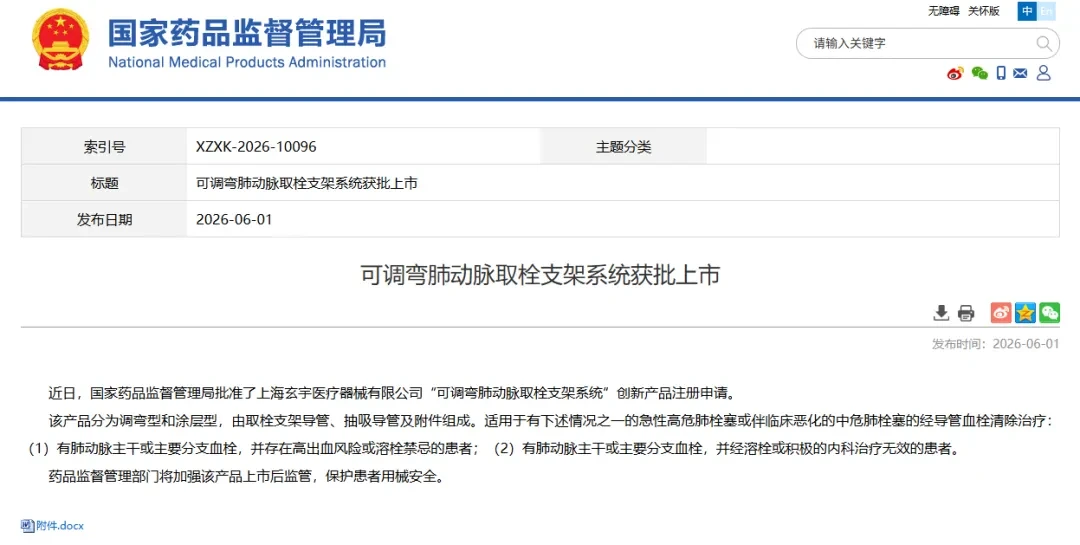
June 1,ShineyoMedical"Adjustable Curved Pulmonary Artery Embolectomy Stent System" Approved by NMPA for Market Launch.Since the beginning of this year, a total of 13 Class III innovative medical devices have been approved for market launch in Shanghai, 10 of which originated from Zhangjiang Pharma Valley.


220150cb8e192640c68adbf2b0882613.png

(Image source: NMPA official website)


From Domestic Substitution to Global Firsts: Zhangjiang Pharma Valley is Accelerating Towards a World-Class Medical Device Industry Cluster with Dense Innovation Achievements and a Complete Industrial Chain Ecosystem. As policy dividends continue to be released, clinical translation efficiency improves, and cross-sector integration deepens, a batch of “3F” innovative products—Global First-in-Class, China First-in-China, and Clinical First-in-Human—will continue to emerge, contributing more “Chinese Solutions” to the global healthcare cause.

Image
Image

Interventional Medical Devices: Comprehensive Portfolio Across All Segments

Interventional medical devices, as the core platform of modern minimally invasive medicine, have significantly transformed treatment paradigms across multiple fields—including neurointervention, cardiovascular intervention, and peripheral venous intervention—by virtue of their key advantages such as minimal invasiveness, precision, high efficiency, and rapid postoperative recovery. Consequently, they have become one of the fastest-growing and most innovation-driven segments within the medical device industry.


NeurointerventionIt has long been regarded as a niche sector characterized by high technical barriers and rapid growth. Wide-necked aneurysms at the intracranial vascular bifurcation have consistently posed significant challenges for neurointerventional therapy due to their complex anatomical structures and unique hemodynamics. Existing treatment options, such as stent-assisted coil embolization and flow diverter devices, suffer from limitations including procedural complexity and limited efficacy.


fb003d773d6d5251e4a18f5c7baa4c93.png

(Image source: MicroMedTec)


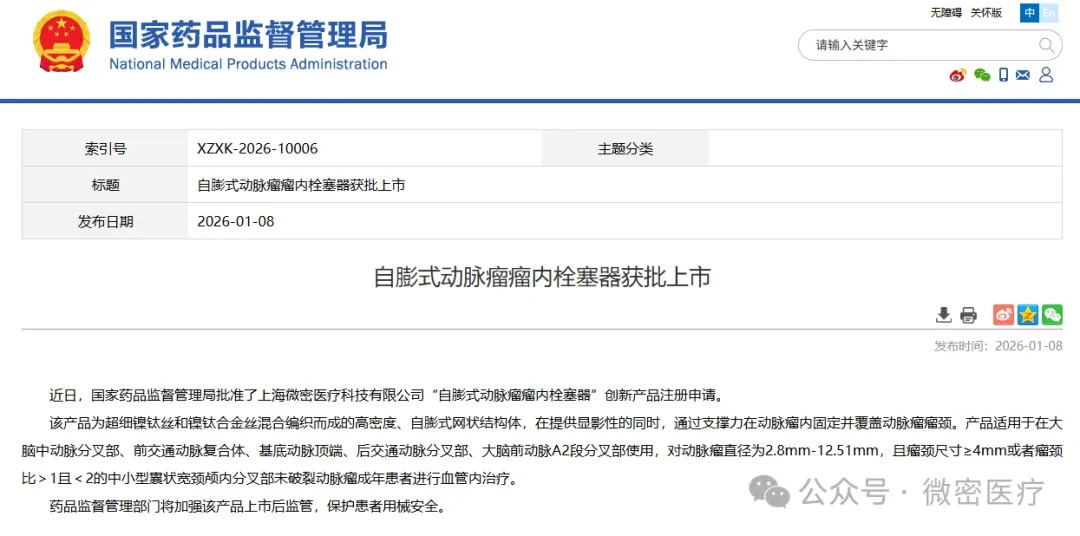
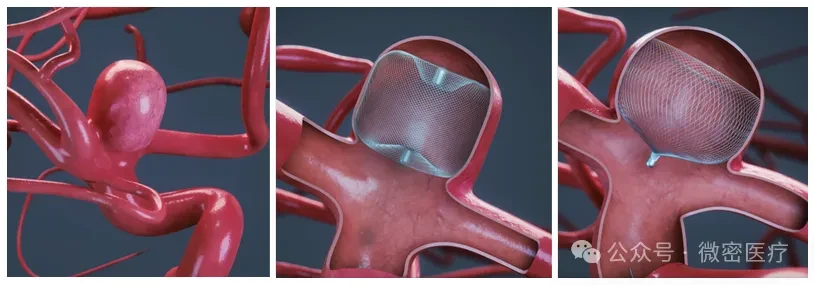
MicroMedTecThe independently developed MeshCoil® intrasaccular flow disruptor features a high-density mesh structure woven from ultra-fine nitinol shape-memory alloy and nitinol-platinum composite wires. It provides optimal coverage of the aneurysm neck, effectively reducing hemodynamic impact on the aneurysm wall and promoting intrasaccular thrombosis, thereby achieving aneurysm occlusion and offering a novel therapeutic option for wide-necked bifurcation aneurysms.


On January 8, MeshCoil® received NMPA approval for market launch, becoming the first Class III innovative medical device approved in Shanghai in 2026.


acc101424a69c558e96f0ce8c5f12016.png

(Image source: MicroMedTec)


MeshCoil®, as the first independently designed and developed intrasaccular flow disruptor in China, has achieved multiple industry firsts: the first domestically produced flow disruptor to initiate and complete clinical trials, the first domestically produced flow disruptor to enter the National Innovative Medical Device Green Channel, and the first domestically produced flow disruptor approved for market launch.


In May this year, the MeshCoil® self-expanding intrasaccular flow disruptor for aneurysms was successfully included in the first batch of the 2026 Recommended Catalog of Innovative Drugs and Medical Devices in Pudong New Area, Shanghai, further facilitating the transition of innovative products from the laboratory to the market and ensuring that innovative achievements “benefit the public.”


Image


In the field of cardiovascular intervention,MicroPort EP, MicroPort Melody, Yingmai Medical, Shenqi MedicalAs innovative products from Zhangjiang Pharma Valley enterprises are intensively launched, covering multiple niche areas such as mitral valve repair, electrophysiological ablation, intravascular ultrasound, and anti-embolism, they demonstrate the innovation vitality and technical strength of Zhangjiang Pharma Valley enterprises in the field of cardiovascular intervention.


Mitral regurgitation is a common valvular heart disease. Traditional open-heart surgery carries high risks and involves a slow recovery. Transcatheter edge-to-edge repair (TEER) of the mitral valve has become the mainstream global treatment modality, owing to its advantages of minimal invasiveness and rapid recovery.


Previously, the market in this field in China was long dominated by imported products.Yingmai Medical, Shenqi MedicalThe approval of such products marks a key breakthrough for China in the high-barrier field of structural heart disease, gradually forming a diversified landscape of innovation.

f7e4889a1a318709d67ae24cd208323d.png

(Image source: NMPA official website)


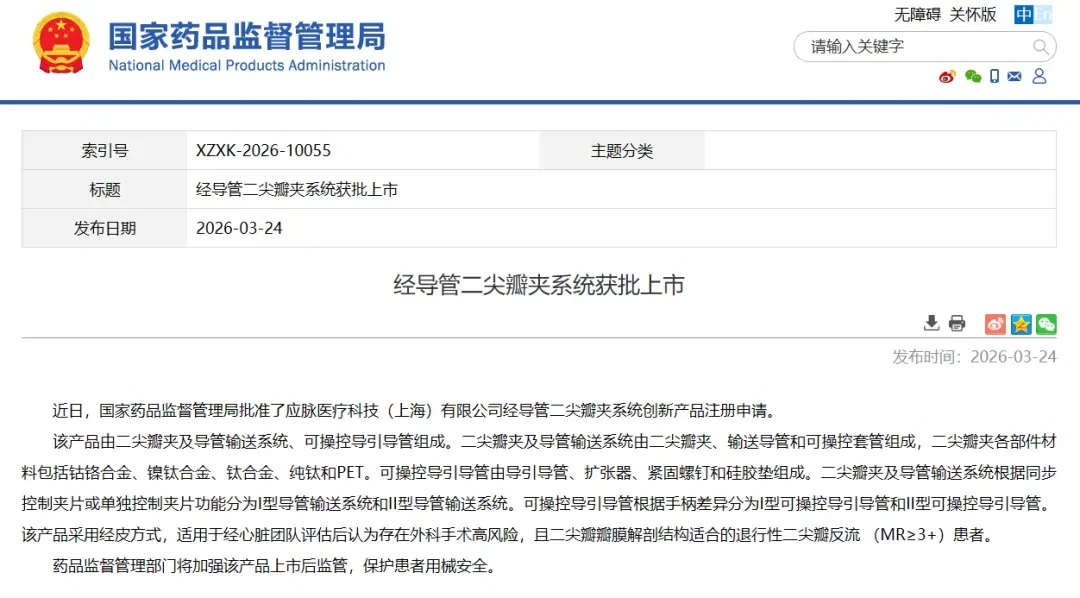
On March 24, the NMPA approvedYingmai MedicalRegistration Application for the Innovative Transcatheter Mitral Valve Clip System. The product consists of a mitral valve clip and catheter delivery system, as well as a steerable guide catheter.

662ded98e99558e7be8583149f92a188.png

(Image source: Shenqi Medical)


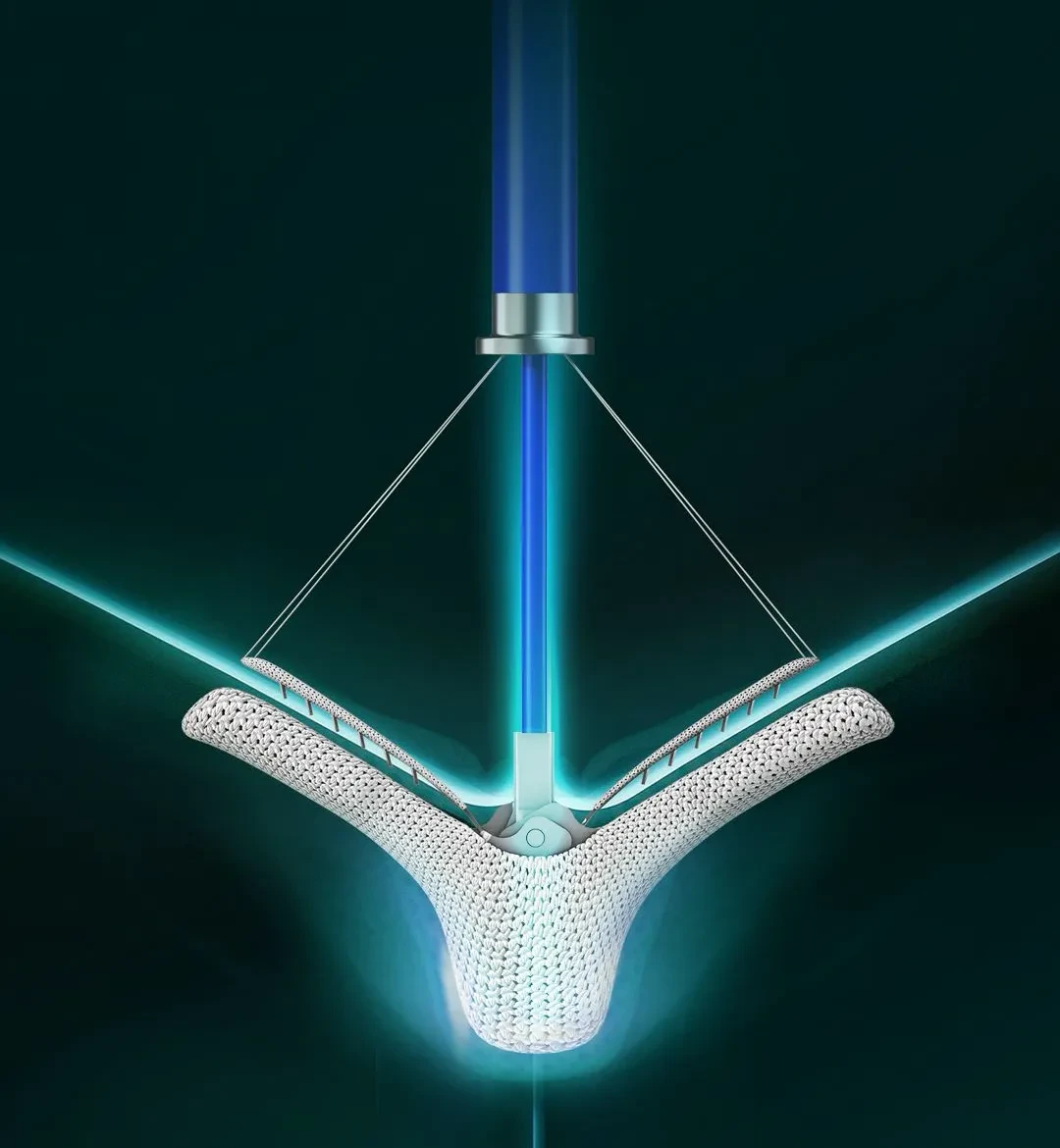
On April 22, the NMPA approvedShenqi MedicalRegistration Application for the Innovative Product “Transcatheter Mitral Valve Clip System.” This product is delivered percutaneously and is indicated for patients with degenerative mitral regurgitation (MR ≥ 3+) who are deemed at high surgical risk by a heart team and have suitable mitral valve anatomy.


Image


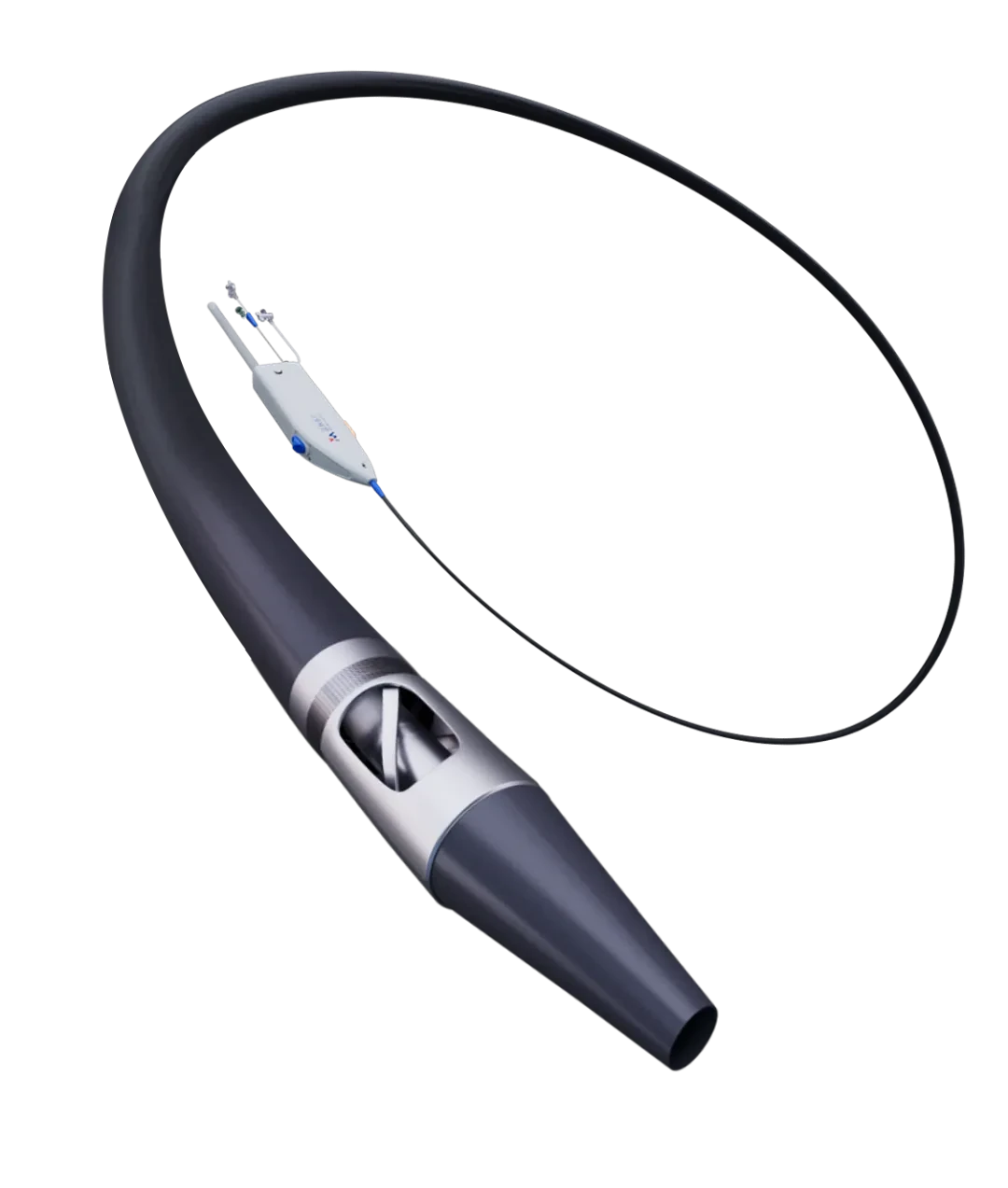
In the field of peripheral venous intervention,Deep Venous Thrombosis (DVT) has a high incidence rate; if not effectively and promptly treated, it can lead to pulmonary embolism or post-thrombotic syndrome (PTS), severely affecting quality of life.

e78a78300d3c81216365751f892c577c.png

(Image source: MicroPort Dynamic)


Currently, percutaneous mechanical thrombectomy (PMT) is one of the preferred treatment options for this disease,BluePulse MedicalThe Fishhawk® disposable thrombectomy device, leveraging its innovative thrombus retrieval mechanism and isolation technology, precisely addresses the current clinical pain points in the field of pharmacomechanical thrombectomy (PMT).



Image

Brain-Computer Interfaces: Industrial Implementation Continues to Accelerate

From the laboratory to clinical practice, from “China-new” to “global-new,” Zhangjiang Pharma Valley has also seen the emergence of globally first-in-class products in frontier sectors such as brain-computer interfaces.


c4326f264e2828e541d812bd183a055f.png

(Image source: BrainCo)


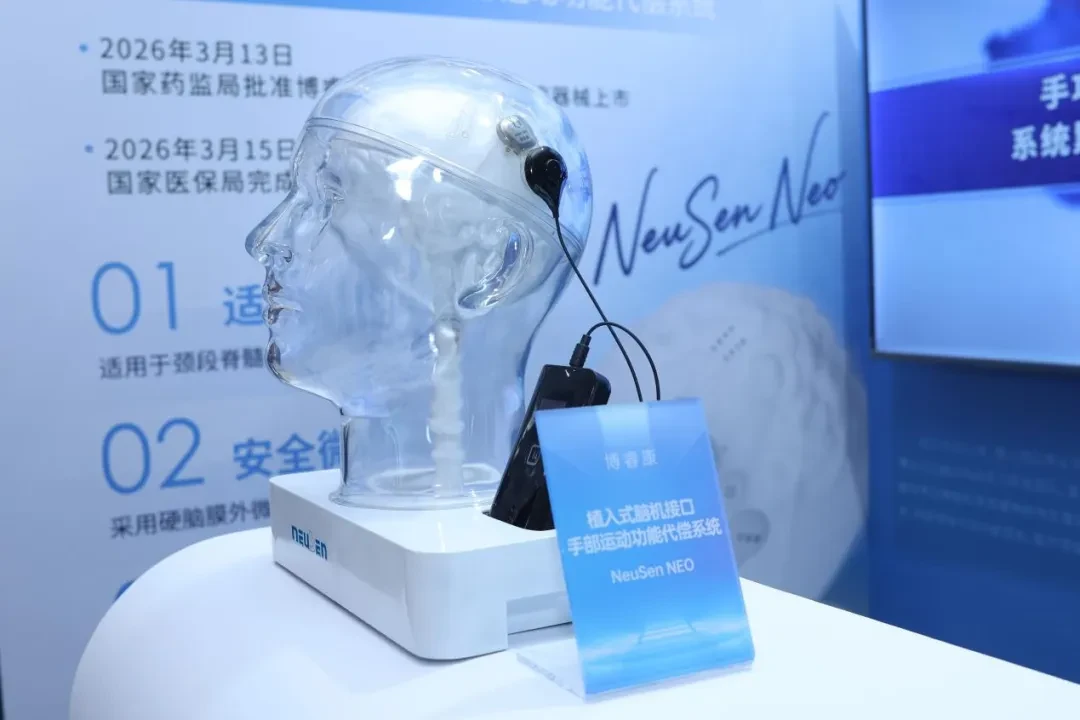
March 13,NeuracleThe Implantable Brain-Computer Interface Hand Motor Function Compensation System (NEO) has been approved for market launch, becoming the world’s first approved invasive brain-computer interface medical device. It is indicated for patients with quadriplegia resulting from cervical spinal cord injury, helping them achieve compensatory hand grasp function through minimally invasive implantation technology.


On March 23, the Shanghai Municipal Healthcare Security Administration included this product in the city’s catalog of medical consumables covered by medical insurance—taking only 11 days from market approval to clinical implementation.


Empowered by supportive policies, Neuracle is also accelerating the clinical implementation of its technologies. In May, the NEO National Clinical Special Training Program was launched to unify clinical operational standards for brain-computer interfaces (BCIs) in China and to improve diagnosis, treatment, and rehabilitation systems. Leveraging the industry’s first standardized SOP system covering entire processes and all roles, along with mature clinical experience from 11 pilot hospitals, the program employs multi-modal, comprehensive training for neurosurgeons, surgical operators, rehabilitation therapists, and caregivers, thereby systematically enhancing the standardization of BCI clinical applications across China.


4bab83ff55a75dbca24aa40fbd3f8f29.jpg

(Image source: MicroPort)


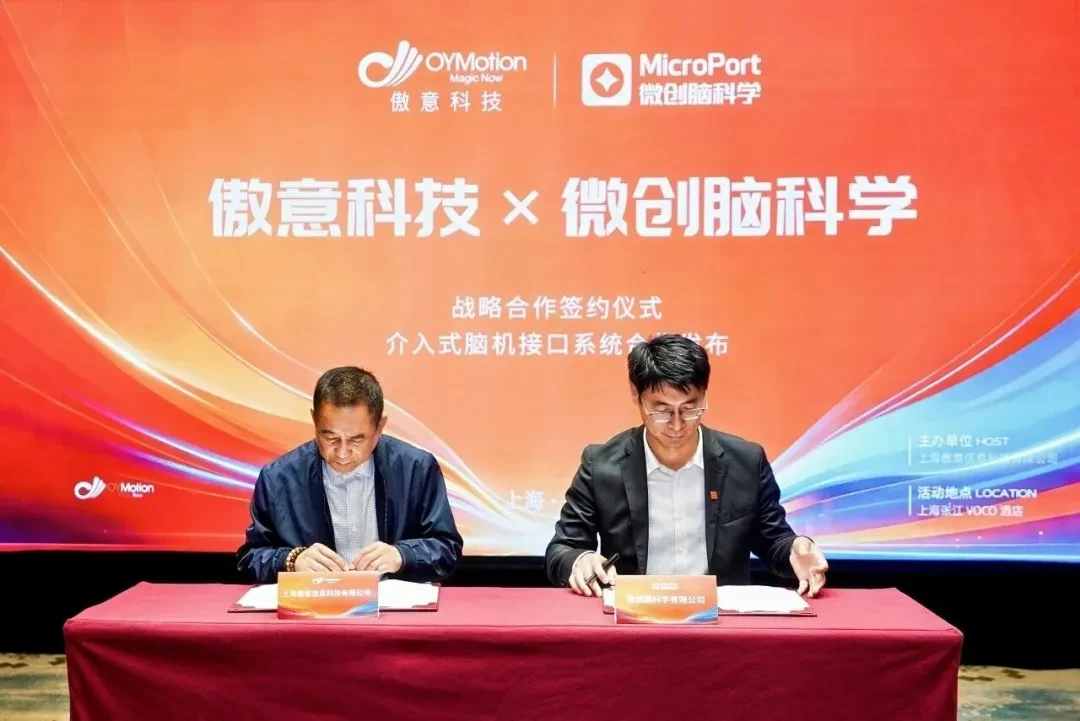
OYI TechnologyandMicroPort NeuroScienceThis will establish an upstream and downstream ecosystem for brain-computer interfaces, spanning research and development to application, through industrial collaboration. On May 28, Aoi Technology announced that MicroPort NeuroTech had officially signed a strategic cooperation agreement. Both parties will jointly develop the “Interventional Brain-Computer Interface Rehabilitation System.”


At the practical implementation level, both parties will jointly tackle key challenges in hardware-software integration, signal transmission, and user experience optimization, striving to ensure low latency, high stability, and high precision from neural signal decoding to exoskeleton action execution. The application scenarios will primarily focus on two major directions:


  • 1. Deepen expertise in medical rehabilitation, providing comprehensive solutions ranging from rehabilitation training to functional compensation for patients with conditions such as stroke and spinal cord injury;

  • Second, expand the boundaries of human-computer interaction by exploring the integration of brain-computer interfaces with embodied intelligence devices, thereby unlocking greater potential for human-machine collaboration.

Image


Cover image is AI-generated