Nalu MedicalIn the journal “Journal Chronic Pain & Management 》Neurostimulators for the Treatment of Chronic Pain---Nalu NeurostimulationofClinical Study Data (COMFORT 2),shows passage throughNalu NeurostimulationTreatment enables patients to achieve sustained pain relief.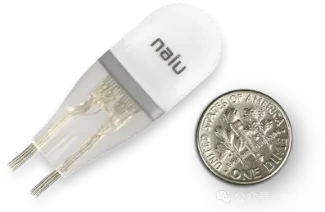
- At 3 Months of Treatment,80% of patients in the experimental group achieved the target for pain relief.(Responders with ≥50% pain relief),Pain was reduced by an average of 66% (p<0.001); the control group had a target achievement rate of only 4%, with a 3% reduction in pain.
- At 6 months of treatment, the target achievement rate in the experimental group remained at 79%, with an average pain relief of 64%.
- Assessed by the Oswestry Disability Index,75% of patients in the treatment group achieved clinically meaningful improvements in function (p<0.001)。
- 73% of patients in the trial group achieved a clinically significant improvement in quality of life (p<0.001)。
- For the COMFORT and COMFORT-2 studiesSummary Data AnalysisResults: At 6 months of treatment, the proportion of patients achieving the pain relief target was 82% in the experimental group, with a mean pain reduction of 66% (p<0.001), whereas the target achievement rate was only 4% in the control group.
- According to the Patient Global Impression of Change ScaleEstimate,97% of patients in the pooled trial group met the criteria for treatment response (p<0.001)。
“The results of COMFORT 2 confirm our clinical observations—Nalu’s peripheral nerve stimulation therapy significantly improves patient symptoms, quality of life, and overall health status. The high consistency of these results with those of the COMFORT study further validates the clinical value of this important therapy in helping patients return to a satisfying life.”---Mitch EngleFirst AuthorExecutive Evaluation
“This Level I evidence further demonstrates that Nalu delivers clinically meaningful improvements in patient outcomes. The consistent and reproducible efficacy across different neural targets indicates that Nalu therapy is well-positioned to provide significant relief for patients with chronic, refractory pain, regardless of the anatomical site being treated.”---Tom West, CEO and President of Nalu Medical
Chronic pain is defined as pain persisting for more than one month (previously defined as three months or six months). Some have likened chronic pain to an "immortal cancer." Currently, there are at least 100 million individuals suffering from chronic pain in China.Current treatment technologies for chronic pain still fail to meet patients’ true needs,For example, although opioid analgesics can alleviate pain, they are prone to misuse, leading to drug tolerance.as well as patient addiction. It is evident that this treatment modality is suboptimal. Spinal cord stimulation (SCS) and peripheral nerve stimulation (PNS) have gradually become important options for the management of chronic pain and are internationally recognized as advanced therapies.Due to the vast market size and high technical barriers, this market is primarily dominated by Medtronic (34%), Abbott (29%), and Boston Scientific (23%), with these three companies accounting for more than 80% of the neuromodulation market. However, the products offered by these three giants are all of the traditional type, generallyconsisting of an Implantable Pulse Generator (IPG), electrodes, a test stimulator, a patient programmer/charger, and an external controller...and other components. Implantable pulse generators are generally large, resulting in poor patient comfort post-implantation, while their operational complexity leads to a steep learning curve for physicians. Additionally, the high cost of traditional stimulators makes them unaffordable for many patients.In addition,Implantable PulseThe limited battery capacity of the generator results in a short service life, making lifespan extension a key focus for the three major industry leaders.Nalu MedicalAs a latecomer building on prior work, we achieved disruptive innovation by reducing the volume of the implantable pulse generator to 1/27th that of conventional stimulators, significantly enhancing patient comfort after implantation. MeanwhileNalu Neurostimulation SystemThe pulse generator is battery-free and powered by an external treatment pad, eliminating patient concerns about battery life. According toNalu MedicalIntroductionNalu NeurostimulationLifespan of up to 18 years,is currentlyFDA ApprovalmakeLongest Service LifeofSlowDyspareuniaPain Implantable Pulse Generator.
Nalu Neurostimulation
Nalu Neurostimulation It is a neurostimulation product approved by the FDA in 2019, indicated for SCS and PNS applications to treat chronic pain in the back, legs, and neuropathic pain.
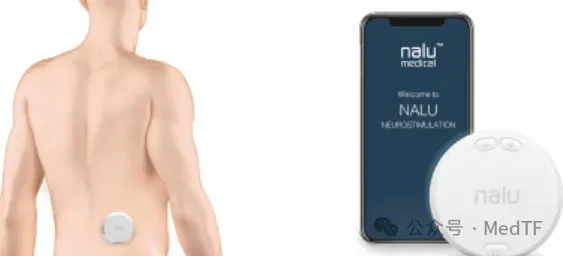
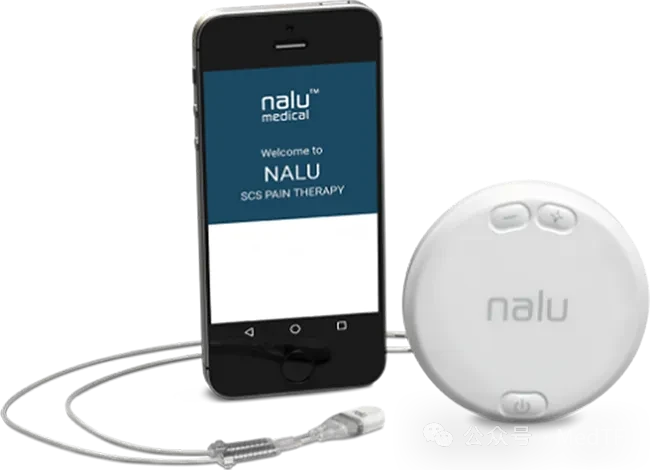
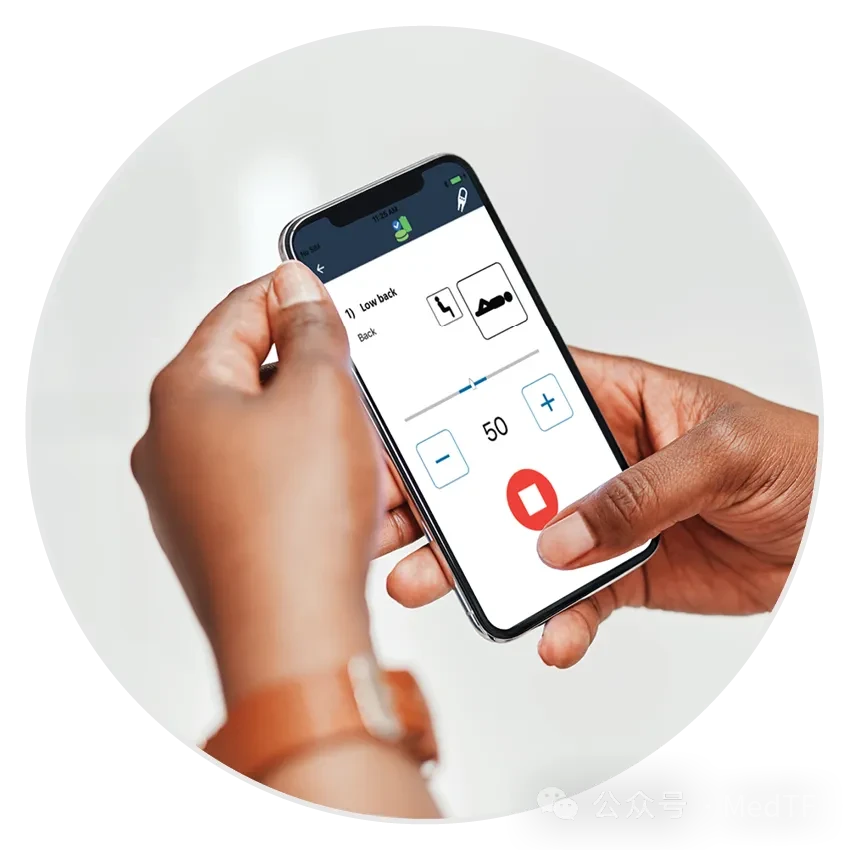
Nalu NeurostimulationByIt consists of a fully functional, battery-free, miniature implantable pulse generator (IPG), lead wires, a therapy disc, and a remotely controllable app.Micro-implantablePulse GeneratorImplantable Pulse Generator (IPG)ExternalThe wearable treatment tray is wirelessly powered, and viaAPPPerform remote control.
Nalu Neurostimulation Advantages:- Smaller, Less Invasive Implants: 27 Times Smaller Than the Largest Commercially Available Implantable Pulse Generator (IPG).
- Battery-Free Miniature IPG: Powered externally via a replaceable, wearable therapy disc, eliminating the need for an implanted battery and battery replacement surgery.
Upgrade Without Surgery: The software can be upgraded wirelessly without the need for surgery.
Durable Use: Expected service life of 18 years, indicated for long-term treatment of chronic refractory pain
Nalu Neurostimulation Demo
Nalu MedicalNalu Medical, Inc. is an innovative medical device company headquartered in California, focused on developing and commercializing innovative minimally invasive solutions for patients with chronic neuropathic pain.Nalu NeurostimulationDelivers gentle electrical pulses to the nervous system, modulating pain signals before they reach the brain.Nalu NeurostimulationDesigned to address the primary unmet needs in the treatment of chronic neuropathic pain and to provide a differentiated value proposition for patients and physicians.