

Science Corporation's PRIMA System Restores Functional Vision in Blind Patients, Led by Neuralink Co-Founder Max Hodak

Neuralink
Brain-Computer Interface System Developer

Restoration of Vision in the Blind, that's amazing.
This may have been the most understated yet brilliant technological advancement of 2025.
Nature Publishes Latest Research: Artificial Vision Technology Helps 70-Year-Old Grandmother Regain Sight
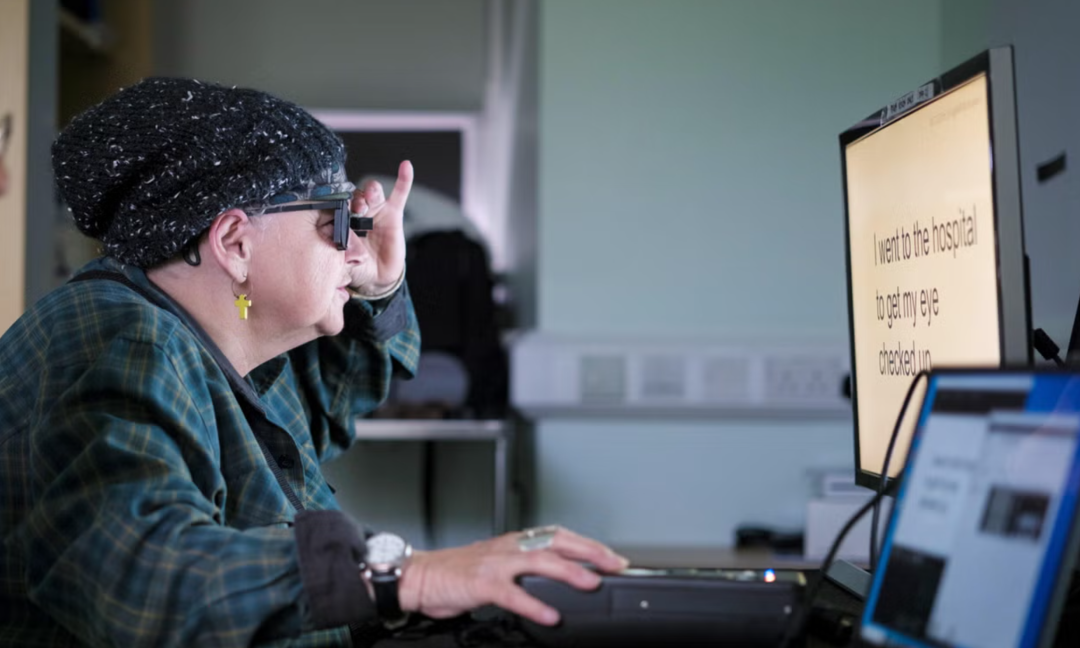
Before I went blind, I was an avid bookworm, and I want to get that back.
70-year-old Sheila Irvine’s greatest wish was to be able to read again, and recently, her wish came true.
The Cause Stems from a World-First Study on Artificial VisionPRIMA。
The team behind it is still led by the co-founder who founded Neuralink with Musk back in the day, and he is now starting his own business, still working onRetinal Implant。
With a thickness no greater than that of a human hair, yet capable of80%The patient's vision improved significantly, enabling them to read letters, numbers, and words with ease.
In response, Frank Holz, the lead author of the paper, stated:
This study provides the first demonstration that artificial vision can restore functional central vision in patients, offering hope to those who are blind.
And for the patients themselves and their families, this may represent a precious opportunity to reunite in their later years:

Blind for 15 Years, She Finally Regains Her Sight
Before participating in the experiment, Sheila described herself as follows:
"My eyes are like two black intervertebral discs, twisted on the outside."
The story begins 15 years ago, when she first noticed that she had lost control of her vehicle and kept crashing into the sidewalk. Upon arriving at the hospital, she was diagnosed with age-relatedMacular Degeneration(AMD)。
This is a common disease among the elderly. After onset, cells in small areas of the retina at the back of the patient's eye will gradually become damaged and die, ultimately leading to blurred or distorted central vision.
Although Sheila Irvine quickly accepted this reality and learned to live with darkness, reading remained an enduring obsession in her heart.
The turning point came in 2022, when sheSubjectparticipated in the study as a(n) [role].
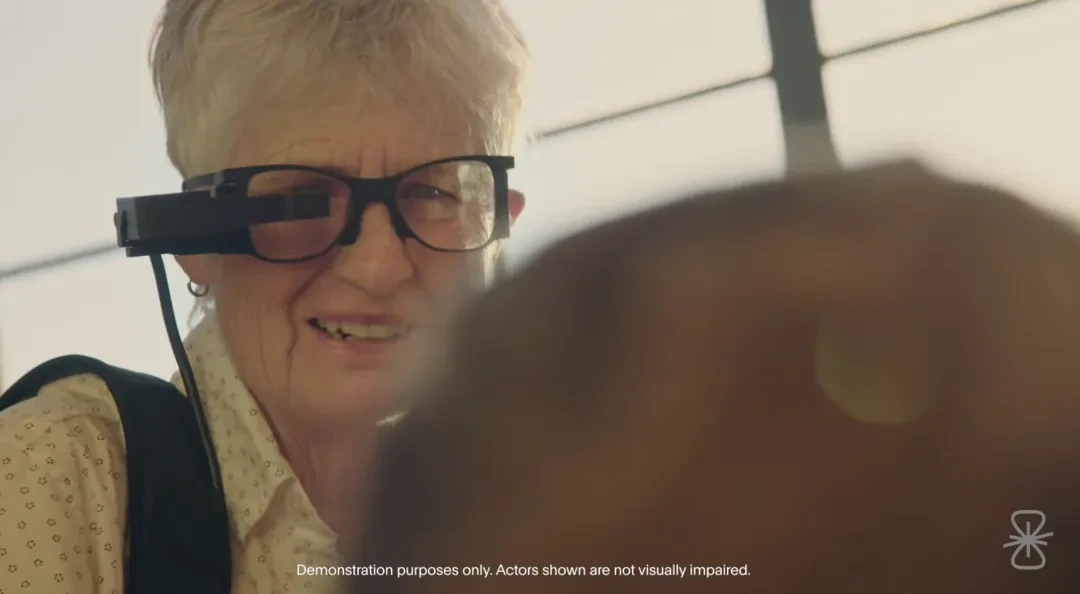
Following surgical implantation of the device beneath the retina and years of intensive rehabilitative therapy, she was finally able to hold her beloved books once again; now, she can independently recognize even the smallest print on food cans.
Prior to this, restoring vision in patients with age-related macular degeneration (AMD) was nothing short of a pipe dream.
First, based on symptoms and progression rate, AMD can be broadly classified into two types: dry (atrophic) and wet (neovascular).
Among them, there are over 5 million patients worldwide with late-stage dry AMD (geographic atrophy, GA), who are unable to recognize family members' faces, read normally, or drive cars... Every aspect of their lives is severely disrupted.
Scientists have also proposed a series of treatment regimens:
Commonly, usingStem Cell Therapy Regenerates PhotoreceptorsSpecifically, this involves differentiating embryonic stem cells or induced pluripotent stem cells (iPSCs) into retinal pigment epithelium (RPE) or photoreceptor cell layers, implanting them into the retina, and facilitating synapse formation with the patient’s existing neurons to guide functional recovery.
However, it is still in the clinical trial phase, and issues of immune rejection and long-term stability remain.
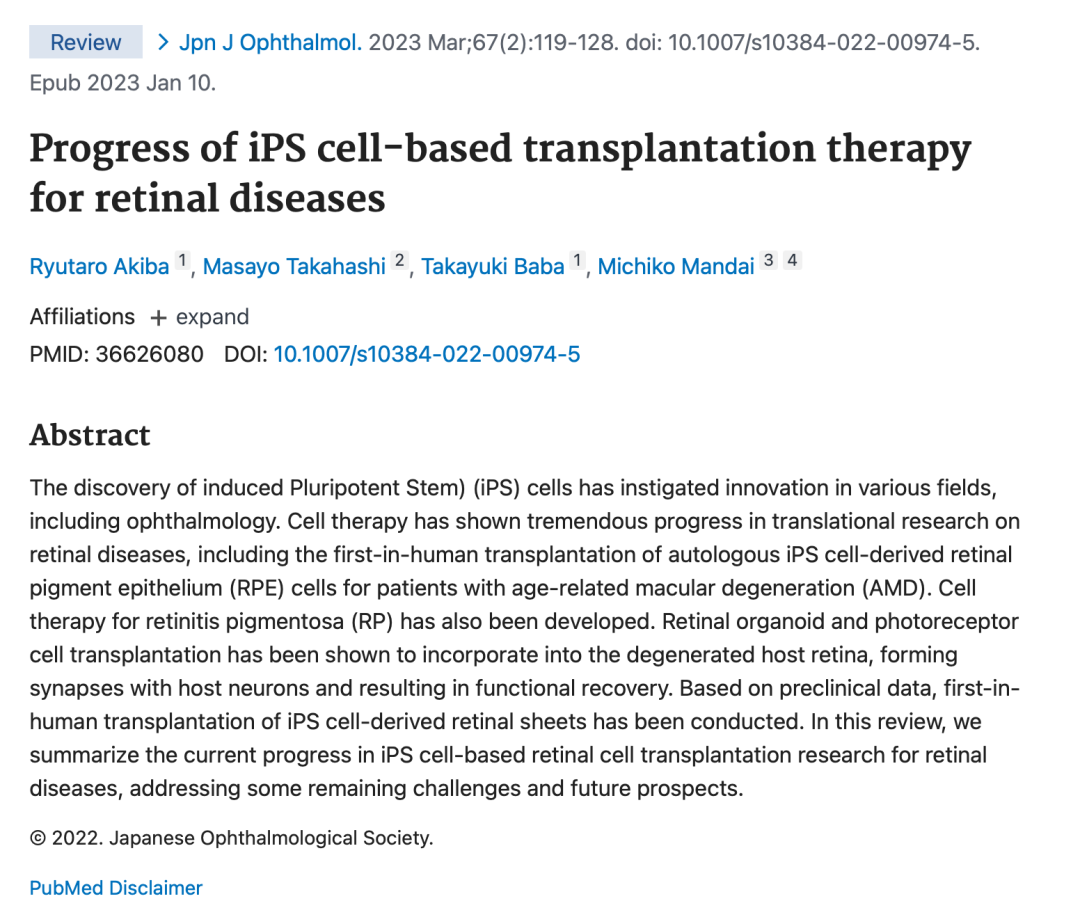
Some scientists are also considering introducing light-sensitive proteins into residual neurons to restore their sensitivity to light signals; this therapy has achieved the expected outcomes in some early-stage clinical trials.
In more extreme cases, direct consideration is given to inserting implants into the visual cortex of the brain or employing gene therapy to repair mutations in genes such as RPE65, CFH, C3, and ABCA4.
……
However, the vast majority of these methods merely delay vision loss. Dr. Mahi Muqit, one of the paper’s authors, once stated:
When you communicate with patients suffering from severe vision loss, you will find that slowing down the progression of vision loss is merely a temporary measure, and what they truly desire is restoration.
Currently, the only method capable of truly reversing vision loss and restoring eyesight isPRIMA。
First Successful Restoration of Patient Vision
The principle of PRIMA is actually quite simple: it becomes a photosensitive cellSubstitute。
Although age-related macular degeneration (AMD) leads to the death of photoreceptor cells, retinal neurons survive. Therefore, by identifying suitable replacement “photoreceptor cells” that can mimic the pattern of photon impact on the retina and delivering electrical stimulation to the retina, vision can be restored.
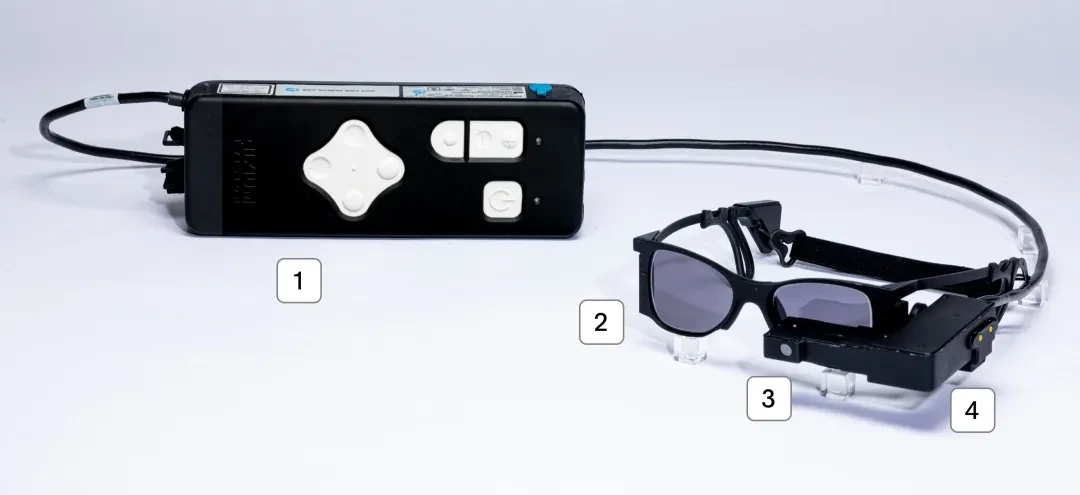
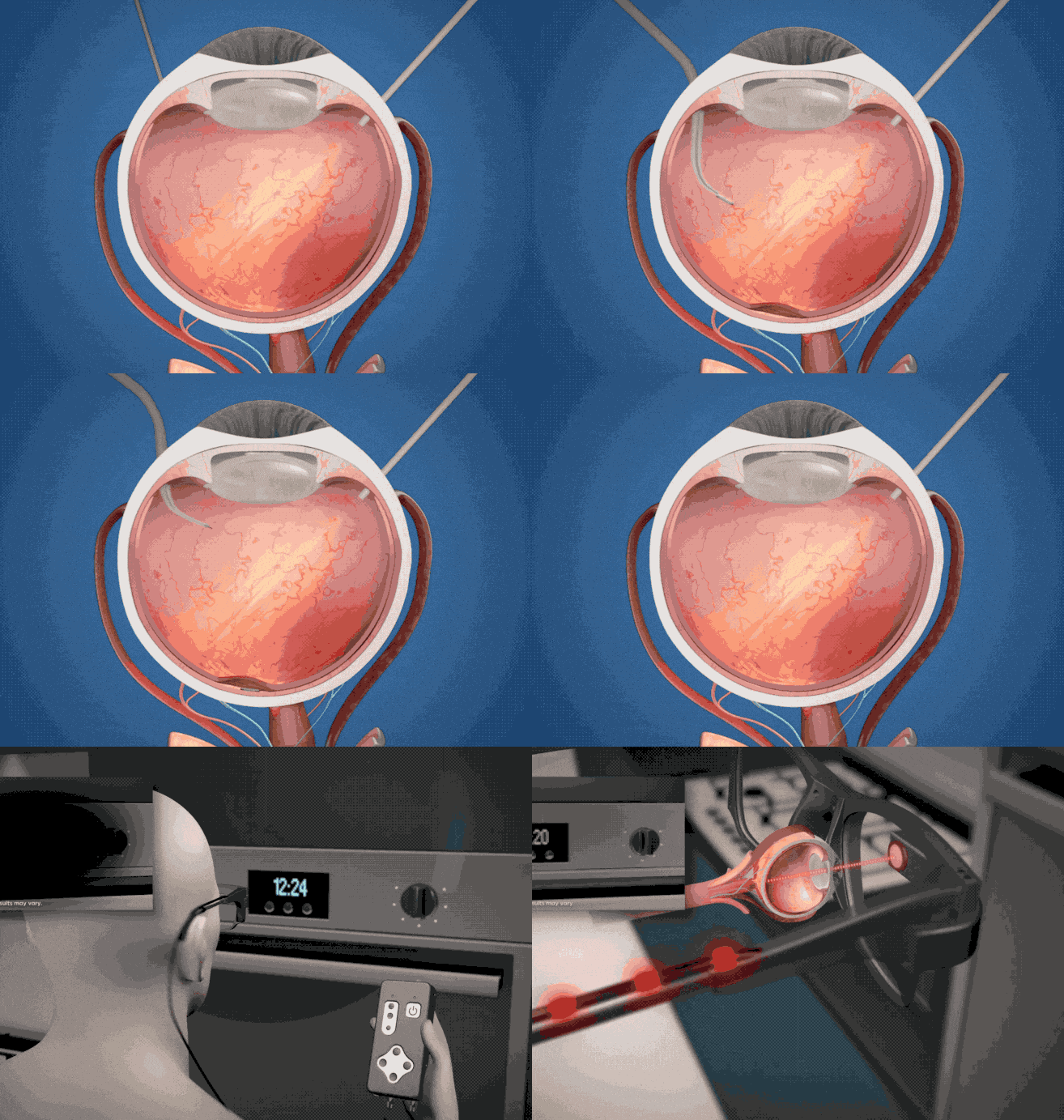
ThereforePRIMA(Photovoltaic Retinal Implant Microarray) has emerged. Unlike previous retinal devices, it is wireless, and as a photovoltaic component, the photons that activate it also serve as its power input.
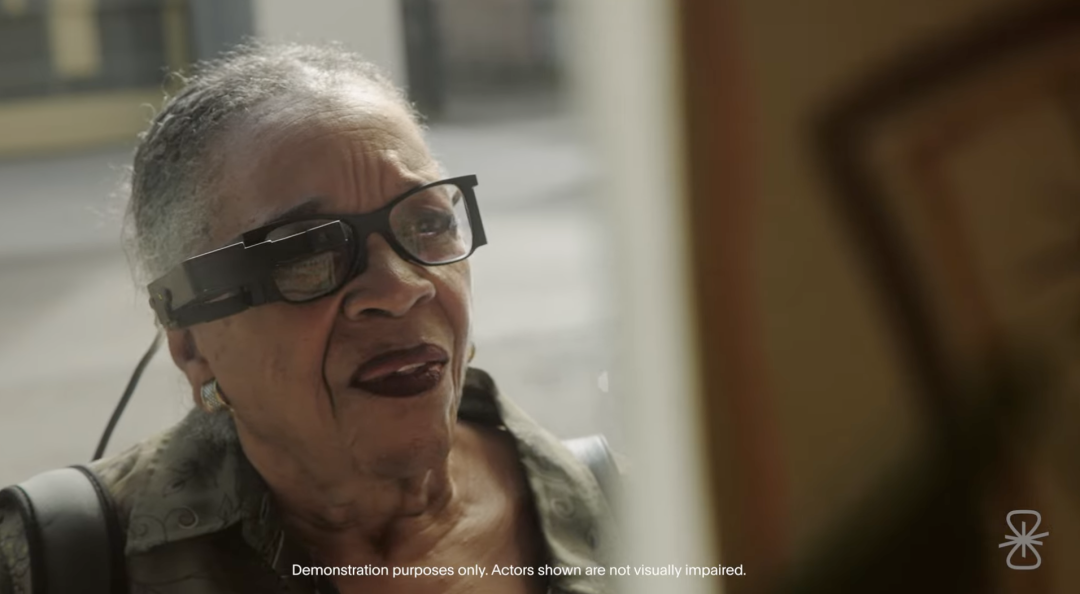
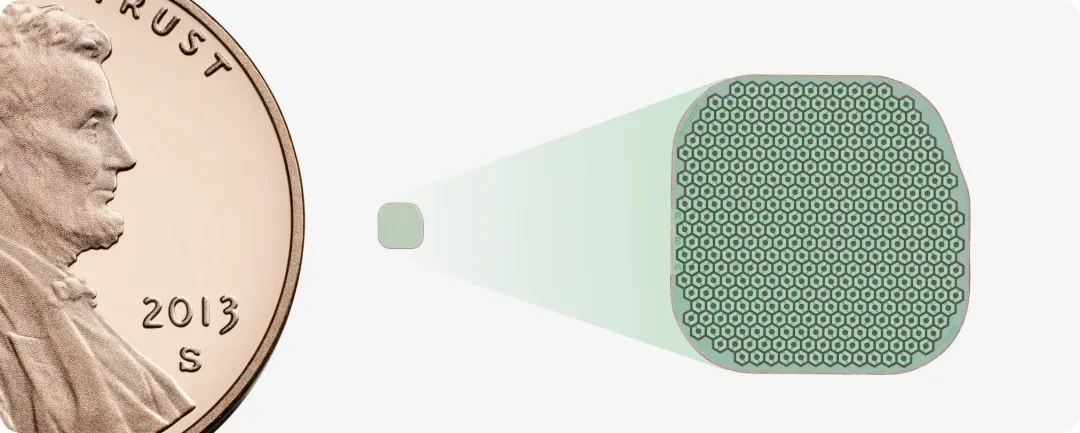
The entire system consists of a miniature photovoltaic retinal implant (measuring 2 mm × 2 mm × 30 μm) and a pair of specialized glasses. The camera mounted on the glasses captures visual information and converts it into an infrared light beam, which is then received by the retinal implant.
The implants then transmit them to a miniature processor for image enhancement and clarification, finallyRetinal Neuronsis transmitted back to the patient’s brain, thereby restoring vision.
The entire process is analogous to a miniature solar panel, with the implant located within the area of retinal atrophy serving as an artificial photoreceptor array to stimulate visual signal transmission in the remaining cells.
With its ultra-thin profile and seamless wireless integration, PRIMA can directly restore functional vision lost in patients with geographic atrophy (GA), rather than merely slowing disease progression as traditional therapies do.
This project has also been validated in clinical trials.
The research team enrolled 38 patients with geographic atrophy (GA) and visual acuity worse than 1.2 logMAR (logarithm of the minimum angle of resolution) from 17 clinical sites across five countries, and conducted visual acuity assessments on the participants at 6 months and 12 months.
Of these, 32 participants completed the final assessment. Among the 6 patients who did not participate, 3 died, 1 withdrew, and 2 were unable to undergo testing.
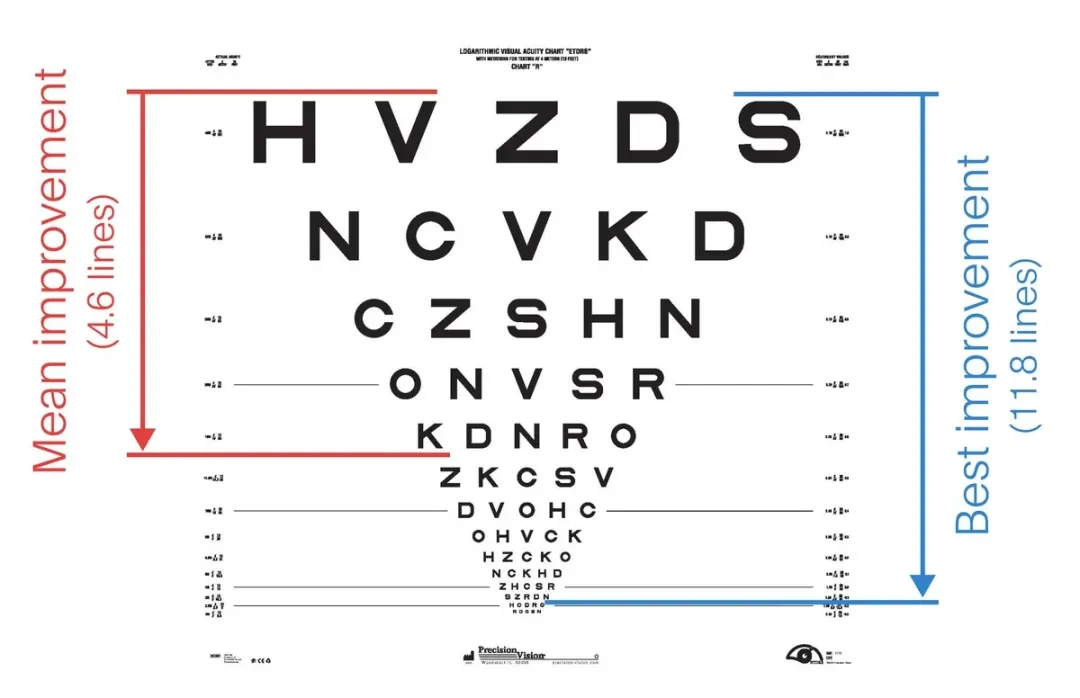
The experimental results show that the PRIMA system can enable84%of patients regained functional central vision,80%of patients achieved a 0.2 logMAR improvement, equivalent to being able to read two additional lines on the standard visual acuity chart, with an average improvement of25.5characters (approximately 5 lines).
Furthermore, during the first two months postoperatively, although some patients experienced rejection reactions, including elevated intraocular pressure, retinal tearing, and hemorrhage, 95% of them saw their symptoms resolve within two months of onset, without significant decline in their original peripheral natural vision.
Overall, the experimental outcomes align with the intended objectives established for the PRIMA system, and the benefits to patients outweigh the risks associated with the implantation surgery.
Moreover, this device is not only applicable to patients with AMD but also to those with other conditions such as retinitis pigmentosa; although photoreceptor cells degenerate, PRIMA can still provide benefit as long as the retinal neurons remain functional.
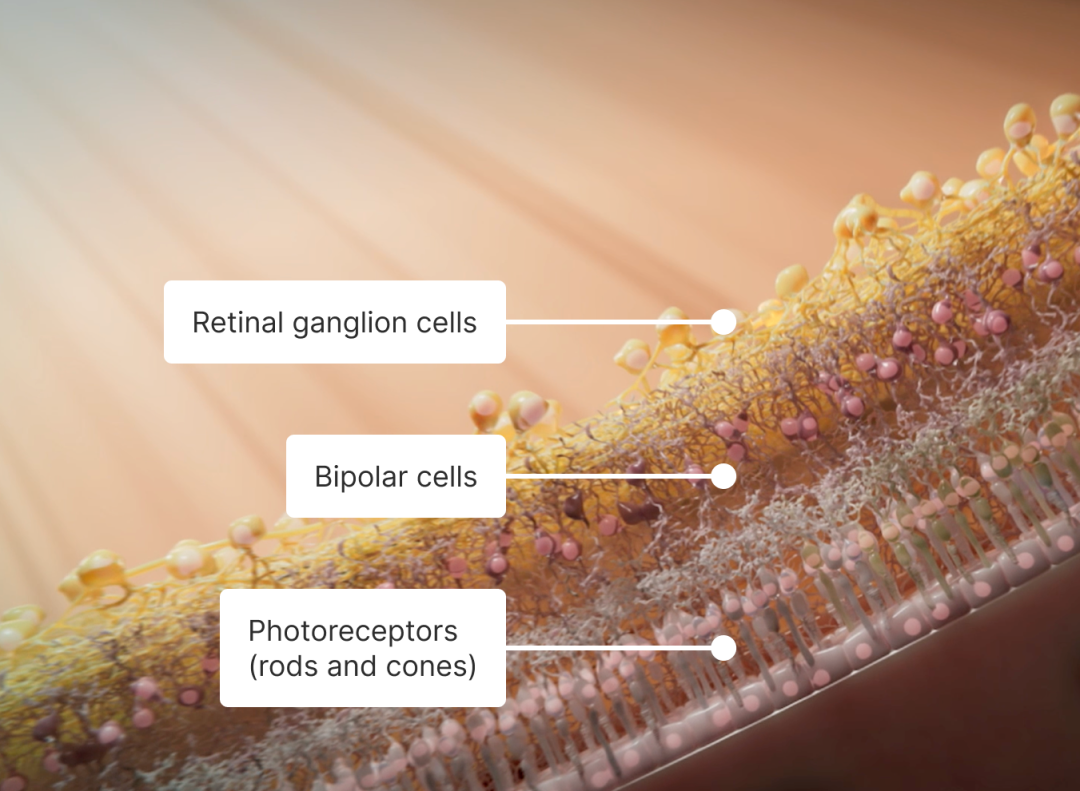
PRIMA has currently submitted the relevant applications to European regulators and plans to officially launch next year, while the FDA approval process is simultaneously underway in the United States.
However, researchers also acknowledge that the system currently stillLimitations, the experimental results may have been improved by enhanced visual training and heightened emotional arousal, lacking a control group that completed the training but did not receive the implant.
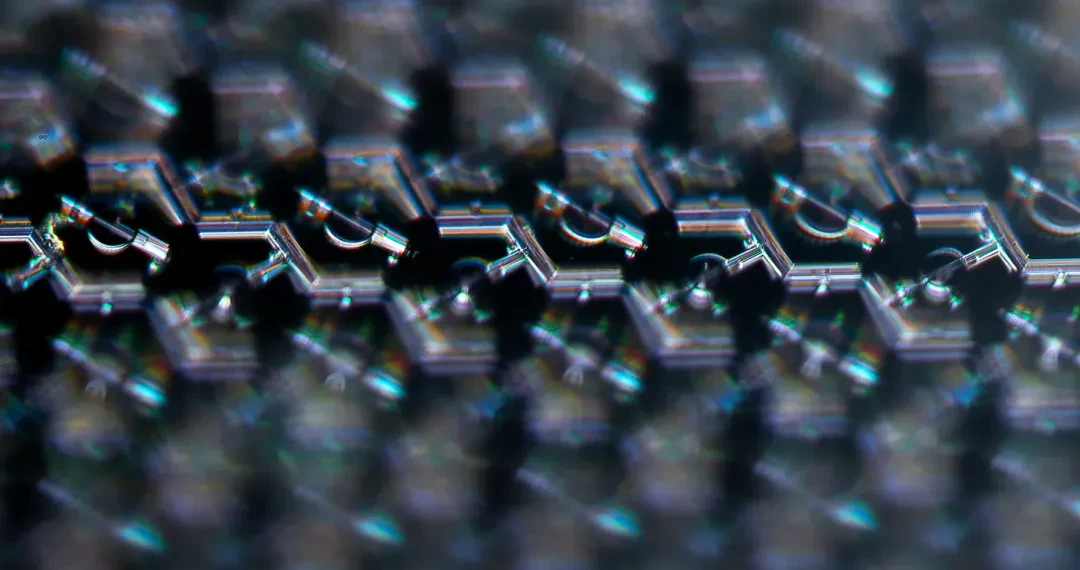
There is still room for improvement in the maximum visual acuity achievable by PRIMA. Currently, the system comprises only 381 pixels, each with an area of 100 square micrometers. As a result, the overall reading process for users is not rapid or fluent, and the visual perception remains limited to black and white.

Therefore, the research team is also developing next-generation implants and glasses that will further optimize visual performance through digital image processing and simplified ergonomics, achieving smaller and more effective pixels than PRIMA, along with color vision.
And PRIMA is merely their first step.
The Founder Was a Co-Founder of Musk's Neuralink
Backed byScience CorporationAs a neurotechnology company founded only in 2021, the company may still be unfamiliar to many.
But when it comes to the company's founderMax Hodak, he also has another identity—Neuralink CorpNeuralinkco-founder.

After earning a Bachelor of Science in Biomedical Engineering, he first founded the life sciences company Transcriptic, and after serving as its CEO for five years, he co-founded Neuralink with Elon Musk and assumed the role of President.
Neuralink primarily aims toImplantable Brain-Computer InterfaceTechnology enabling direct interaction between the brain and computers can not only help patients restore sensory functions but also aims to establish a symbiotic relationship with artificial intelligence in the long term.
After leaving Neuralink, Max Hodak founded Science Corporation again, focusing on neural engineering, brain-computer interfaces, and devices and technologies for treating patients with impaired vision, cognition, and mobility.
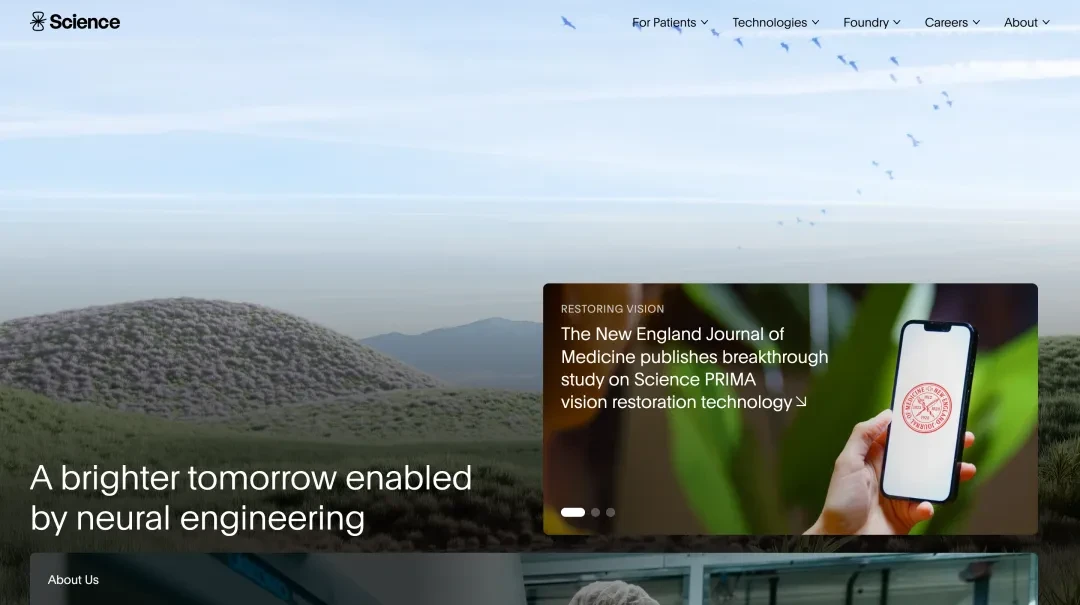
For example, ultra-thin flexible neural probes such as Thin Film Probes for neural signal acquisition and stimulation, and Silicon Axon probes constructed from silicon materials.
Meanwhile, it has established its own micro medical chip manufacturing facility, capable of producing MEMS and IC chips required for medical-grade neural implants.Achieve full autonomous completion from materials and manufacturing to clinical trials。
Science Corporation has completed a financing round led by Khosla Ventures in April this year, raising over $100 million, which is expected to accelerate the development of its brain-computer interface technology and the commercialization of its products.
Returning to the PRIMA project itself, the research team had been engaged in related research long before the company was established; indeed, some researchers’ doctoral dissertations even focused on vision restoration.
What they need to do is create a “visual version” of the cochlear implant.
Cochlear implants have been in use worldwide for over 50 years; it is time to make “artificial vision” a reality.
Reference Links:
[1]https://www.nature.com/articles/d41586-025-03420-x
[2]https://pubmed.ncbi.nlm.nih.gov/36626080/
[3]https://www.bbc.com/news/articles/c0qpz39jpj7o
[4]https://www.youtube.com/watch?v=J_qTLT8kJPU&t
[5]https://x.com/maxhodak_/status/1980320322353299727
[6]https://science.xyz/
[7]https://maxhodak.com
For academic sharing only. If there is any infringement, please leave a message, and the infringing content will be deleted immediately!
Welcome to the Brain-Computer Interface AI Planet
Access more knowledge and resources in fields such as brain-computer interfaces + AI.

To join the group for discussions or explore business collaborations, please add WeChat: RoseBCI [Note: Name + Industry/Profession].
Call for Papers
1. Submissions welcome. For submission inquiries, please contact us on WeChat: RoseBCI
Click to Submit:Submission Guidelines for Academic News in the Brain-Computer Interface Community
2. To join the community as a part-time creator, please contact us on WeChat: RoseBCI


One-click Triple Action: "Share," "Like," and "Watch"
Stay Updated on Every Frontier Advancement in Brain-Computer Interfaces