

Six Breakthrough Medical Devices of 2025: Pioneering the Future of Healthcare
United Therapeutics
Pharmaceutical R&D Developer

Neuralink
Brain-Computer Interface System Developer

Paradromics
Brain-Computer Interface Technology Developer

Precision
Brain-Computer Interface Developer

Synchron
Developer of implantable neural interface products
2025 May Become a Milestone Year Marking Medicine’s Entry into a New Era. The FDA approved the first clinical trial of pig-to-human kidney transplantation; brain-computer interface technology moved out of the laboratory, enabling actual patients to control devices using only their thoughts; artificial intelligence systems can predict cancer risk years before its onset; and surgeons successfully performed heart surgery on patients thousands of miles away.
The following is the overseas definition of the futureMedical DevicesSix Major Breakthroughs—and the Pioneer Companies Leading the Change.
[01] Xenotransplantation Enters Clinical Trial Phase
In February 2025, the FDA approved the first-ever clinical trial for pig kidney transplantation, a significant milestone for the more than 100,000 organ transplant waitlist patients across the United States (“Nature Medicine》July 2025). Currently, two companies are leading the race: eGenesis and United Therapeutics/Revivicor.

Early clinical studies have demonstrated that transplanted kidneys can maintain normal function for months without the need for dialysis. The clinical focus is shifting from feasibility to durability: can xenografts function stably for years? United Therapeutics’ trial plans to initially enroll six patients, with potential expansion to 50 participants thereafter.
[02] Large-Scale Application of Brain-Computer Interfaces
The brain-computer interface (BCI) market, valued at $160 billion in 2024, is rapidly expanding. By mid-2025, Neuralink had implanted its BCI devices in five patients with severe paralysis, enabling them to control digital devices, smartphones, and robotic arms using only their thoughts. In November of the same year, Paradromics received FDA approval to initiate clinical trials for its high-bandwidth BCI aimed at restoring speech function (STAT News, November 2025).
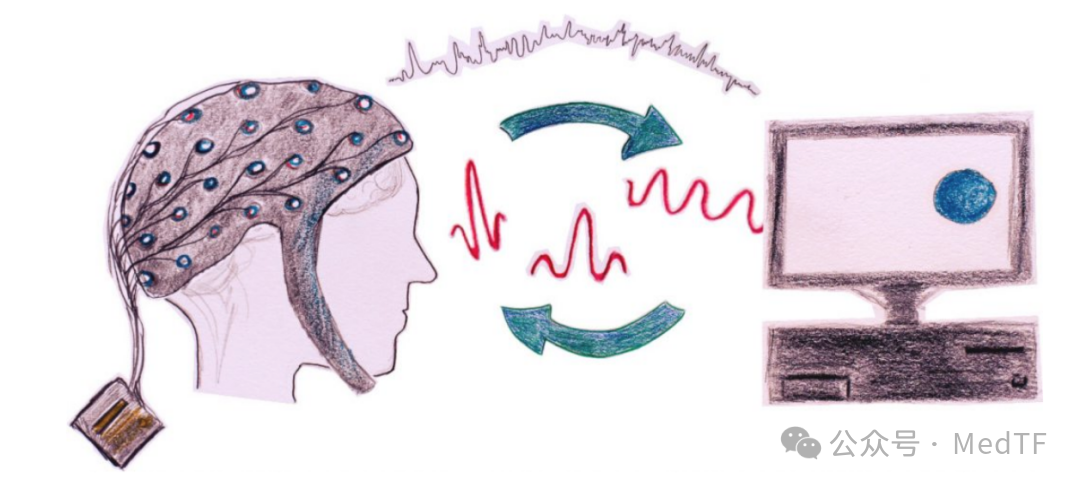
Precision Neuroscience’s minimally invasive Layer 7 cortical interface received FDA 510(k) clearance in April. Meanwhile, Synchron’s endovascular Stentrode (implanted via blood vessels without craniotomy) has been expanded to 10 patients in trials in the United States and Australia. Morgan Stanley recently valued this sector at $400 billion.
【03】AI: From Disease Detection to Risk Prediction
In June 2025, Clairity Breast became the first AI platform authorized by the FDA to predict breast cancer risk five years in advance using standard mammograms, capable of identifying subtle patterns imperceptible to the human eye. Initial data indicated that 37% of women aged 40 had risk levels comparable to those in older screening populations, thereby supporting personalized precision medicine.
Paige’s PanCancer Detect received the FDA “Breakthrough Device” designation, becoming the first AI system capable of identifying multi-organ cancers from a single pathology slide. The DAMO PANDA system achieved a sensitivity of 92.9% and a specificity of 99.9% in detecting pancreatic cancer, with diagnostic performance surpassing that of radiologists by 34%, and it also received Breakthrough Device designation.

【04】Tissue Ablation Technology Ushers in a New Era of Non-Invasive Tumor Treatment
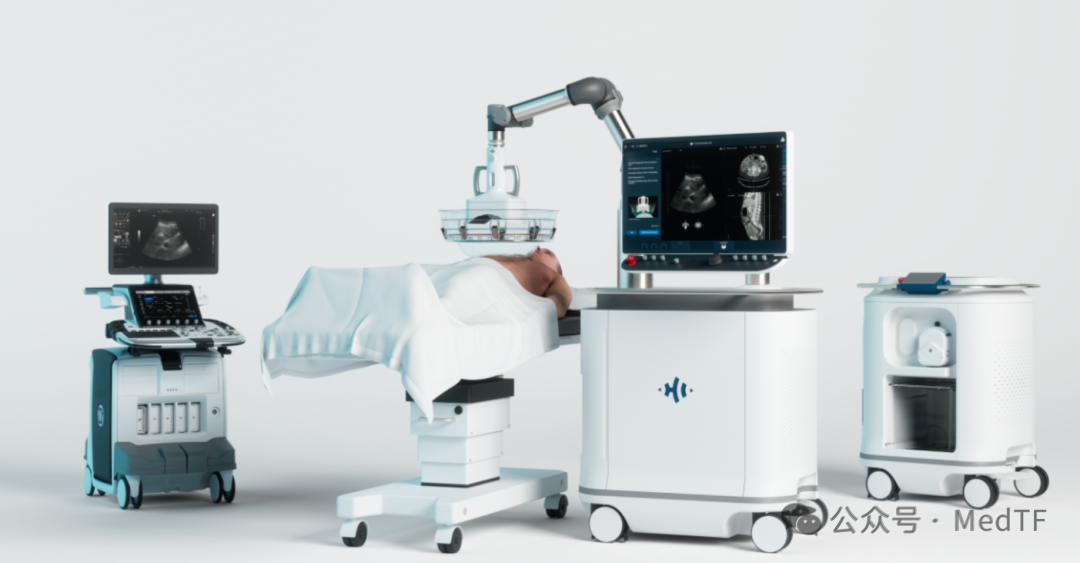
In April 2025, HistoSonics announced the 12-month follow-up data from the pivotal HOPE4LIVER trial, demonstrating that its Edison system continues to show favorable efficacy in the non-invasive ablation of primary and metastatic liver tumors.
Unlike traditional tumor ablation methods such as conventional surgery, thermal ablation (radiofrequency or microwave), radiation therapy, or chemotherapy, Edison’s tissue ablation technology employs focused ultrasound to induce non-thermal mechanical disruption. This approach avoids thermal and radiation-induced damage, potentially preserving surrounding normal tissues—including blood vessels and ducts—and minimizing collateral injury. This technology marks a fundamental shift in the therapeutic paradigm for solid tumors.
【05】Leadless Pacemaker Usage Doubles
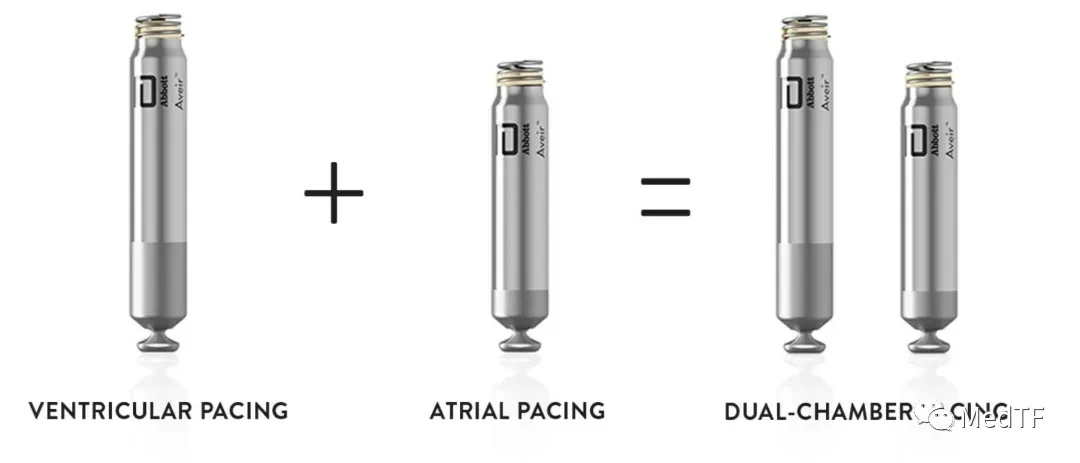
The World’s First Dual-Chamber Leadless Pacemaker—Abbott AVEIR DR—Achieved Milestone-Wide Adoption in 2025: Physician Training Volume and Average Daily Implantations Both Doubled Year Over Year.AVEIR DRUtilizing patented i2i communication technology, two devices smaller than AAA batteries achieve hop-by-hop synchronization.
The dual-chamber functionality meets the needs of over 80% of patients requiring dual-chamber pacing. Its core advantages include the complete elimination of lead-related complications, no visible scarring, and no restrictions on daily activities. The number of arrhythmia patients in the United States is projected to reach 12.1 million by 2030, while Abbott’s cardiac rhythm management business reported a 10% sales growth in the second quarter of 2025.
【06】Surgical Robots Enter a New Phase of Competition and Widespread Adoption
Although IntuitiveStrong Performance: Medtronic’s Hugo Surgical Robot Also Receives FDA Approval for Urological Surgeries in the United States,Global medical technology companies are still racing to launch innovative platforms. From niche solutions like Stryker’s Mako smart orthopedic robot to Tuodao Medical’s portfolio of robotic products, we are witnessing an unprecedented wave of innovation.
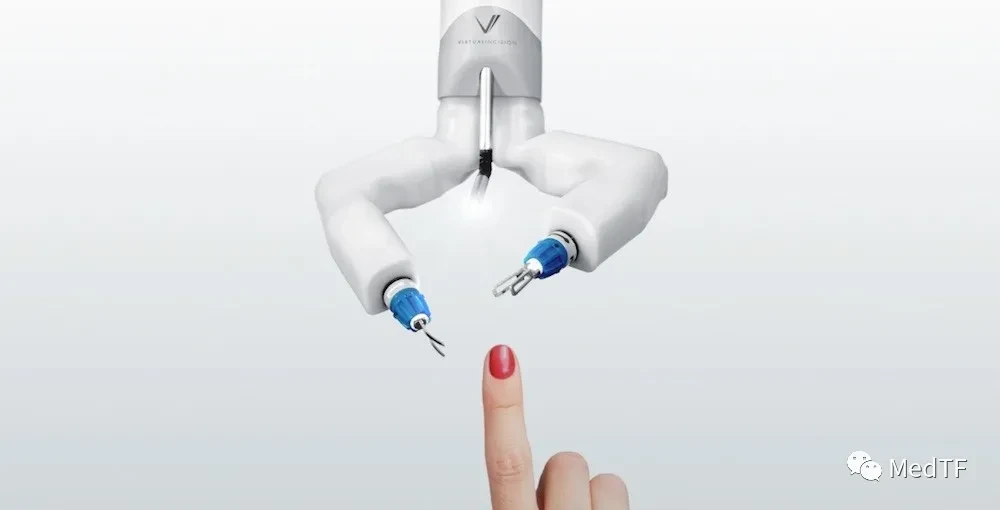
CMR Surgical’s Versius Receives FDA De Novo Authorization for U.S. Market Entry, Becoming the First Approved Multi-Port Soft Tissue Surgical Robot (October 2024). Its compact, modular design facilitates portable transfer between operating rooms, offering a new option for small healthcare institutions and ambulatory surgery centers.
Of particular note is Virtual Incision, whose miniaturized MIRA surgical robot received market authorization via the FDA De Novo pathway, enabling robotic surgery to be performed in all operating rooms and significantly lowering the logistical and economic barriers to technology adoption.
Perhaps the most groundbreaking development is that in early 2025, SS Innovations performed the world’s first remote robotic cardiac surgery using the SSi Mantra 3 system, which included robot-assisted internal mammary artery harvesting and totally endoscopic coronary artery bypass grafting. During the procedure, the surgeon and the patient were located in entirely different places. The global market for surgical robots was valued at approximately USD 2.9 billion in 2024 and is projected to reach USD 9.2 billion by 2034.
# Looking Ahead
These breakthroughs share a common core: they stem from leaders’ forward-looking insights into the future of healthcare. Behind every regulatory milestone, clinical success story, and market expansion lies the team’s steadfast commitment to cutting-edge science and the organizational infrastructure built to realize this vision.