

Neuralink Announces 21 Global Implant Recipients, Advances in Blindsight Technology and 3x Performance Enhancement

Neuralink
Brain-Computer Interface System Developer

On January 29, Neuralink officially announced that 21 “Neuralnauts” (Neuralink users) worldwide had participated in its clinical trials.Achieved a Major Milestone in the Journey Toward Integrating the Human Brain with Technology.This expansion marks the company's transition from its early experimental phase to a new stage focused on helping patients with paralysis and speech impairments regain independent living.
The company’s first product, Telepathy, allows patients with quadriplegia to control computers, smartphones, and even robotic arms using only their thoughts. Unlike voice commands or eye-tracking technology, this implant directly records neural activity in the brain’s motor cortex and translates these signals into digital instructions.


One of the most significant breakthroughs emphasized by the team is communication speed. Able-bodied individuals typically use a mouse at speeds of 8 to 10 bits per second (bps). Neuralink has revealed that some participants have already surpassed this rate. One participant, named Nick, achieved speeds exceeding 10 bps within the first week, using a “mind-controlled” cursor to feed himself and performing gestures with a robotic arm.
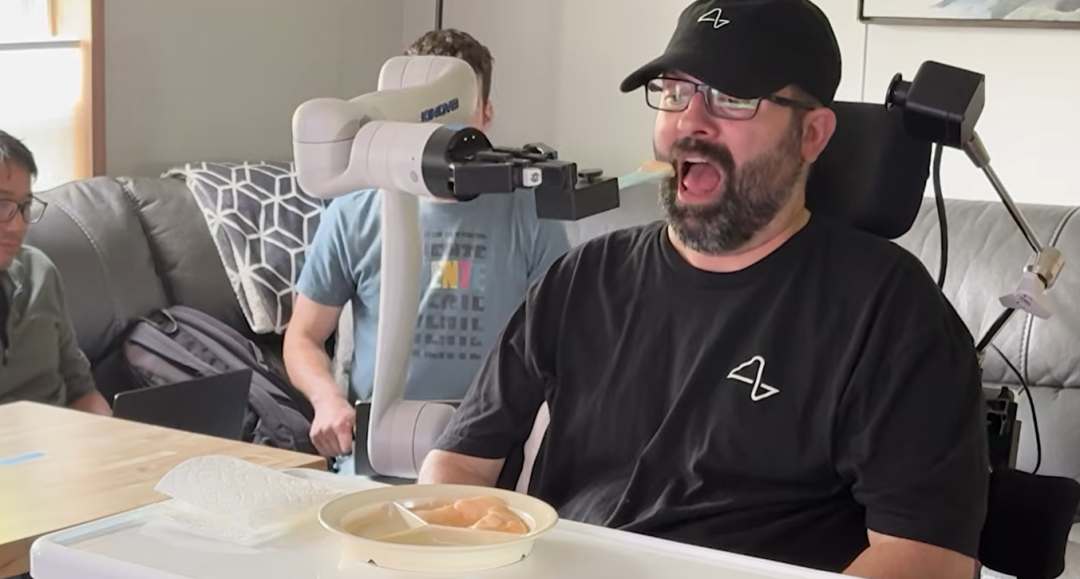
This technology has also been used to help patients with amyotrophic lateral sclerosis (ALS) regain their ability to speak. By mapping “imagined” finger movements to a digital keyboard, participants have achieved typing speeds of 40 words per minute. Neuralink aims to increase this speed to 140 words per minute—matching normal conversational pace—through its new VOICE clinical trial.


For participants, the impact of this technology extends far beyond technical metrics. Noland, the first human implant recipient, has regained his independence and returned to school to pursue a degree in neuroscience.
Sebastian, a 23-year-old medical student, now uses Neuralink for up to 17 hours a day to prepare for exams and annotate research papers. Similarly, Audrey, the first female participant, has mastered the technology, creating exquisite digital artworks and planning to open a physical gallery to showcase her work.



Elon Musk has outlined his vision for the near future, announcing that a next-generation “Cyber Enhancer” with tripled performance will be launched later this year. Perhaps most notably, Musk confirmed that Neuralink Corp is ready to initiate clinical human trials for its Blindsight device, pending regulatory approval. The device aims to restore vision by directly stimulating the visual cortex. Although the initial visual output will be “low-resolution” (akin to the graphics of early Atari games), the ultimate goal is to surpass natural human vision.
To support this development, Neuralink plans to shift toward mass production and more automated surgical procedures in 2026. This includes a new technology that enables implant threads to be inserted directly through the brain’s protective dura mater, thereby making future surgeries less invasive for participants.
For academic sharing only. If there is any infringement, please leave a message and it will be deleted immediately!
Welcome to the Brain-Computer Interface AI Planet
Access more knowledge and resources in fields such as brain-computer interfaces + AI.

For group discussions and business collaborations, please add WeChat: RoseBCI [Note: Name + Industry/Profession].
Call for Papers
1. Submissions are welcome. For submission inquiries, please contact us via WeChat: RoseBCI
Click to Submit:Guidelines for Submitting Academic News to the Brain-Computer Interface Community
2. To join the community as a part-time creator, please contact us on WeChat: RoseBCI


One-click Triple Action: “Share,” “Like,” and “Wow”
Stay Ahead of Every Breakthrough in Brain-Computer Interface Technology