


This article is a professional academic paper interpretation and does not constitute medical advice.
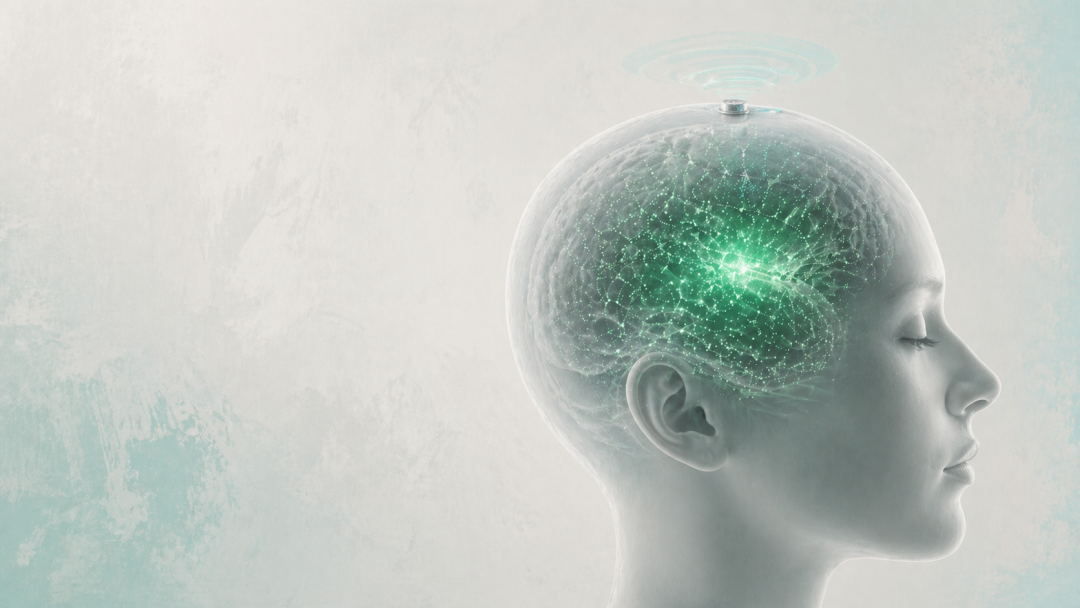
A blueberry-sized implantable device may be emerging as a new tool for treating depression.
Recently, U.S. brain-computer interface company Motif Neurotech (hereinafter referred to as “Motif”) announced that it will launch a human clinical trial. The U.S. Food and Drug Administration (FDA) has approved its Investigational Device Exemption (IDE) application for the RESONATE early feasibility study.
The company has developed a small implantable device called DOT, similar in size to a blueberry (approximately 9mm in diameter), which can stimulate the brain without penetrating deep into brain tissue, aiming to help patients with severe depression alleviate related symptoms.
Traditional neuromodulation systems typically incorporate built-in batteries and leads, which can lead to complications such as lead fracture, displacement, and battery failure. In contrast, the DOT device is battery-free and powered wirelessly, thereby reducing the potential risk of failure associated with conventional implanted devices.
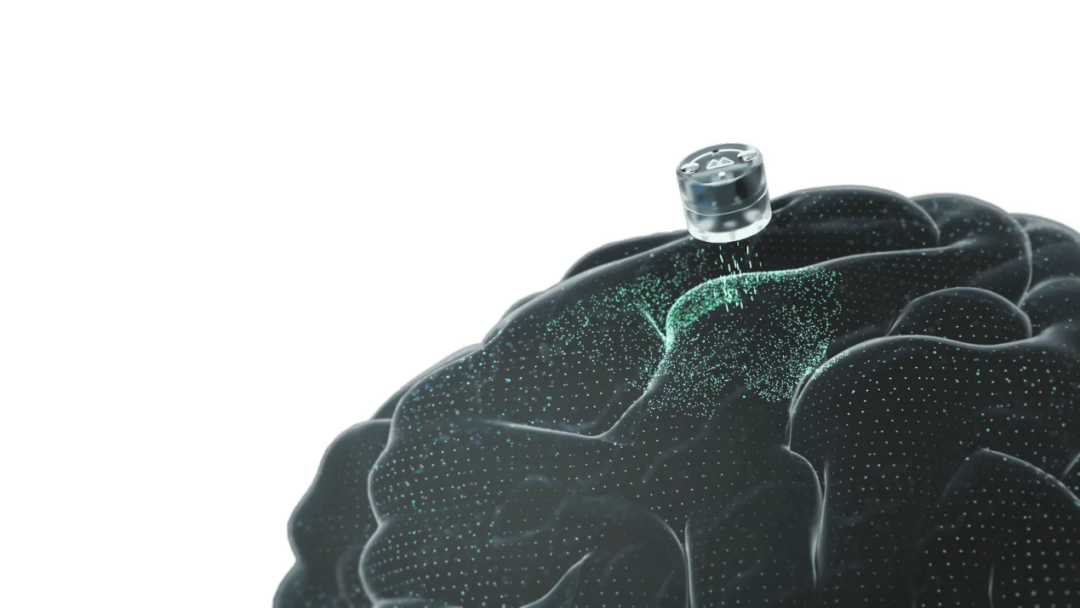 (Source: Motif Neurotech)
Depression is a severe mental disorder, with a lifetime prevalence of approximately 16% in the general population. Treatment-resistant depression (TRD) is one of the leading causes of disability and suicide worldwide, defined as the failure to achieve significant improvement after trials of two or more antidepressant medications.
A paper published in The Journal of Clinical Psychiatry[1] indicates that nearly 9 million U.S. adults are receiving treatment for major depressive disorder, among whom 30.9% (approximately 2.78 million individuals) have treatment-resistant depression.
In addition to pharmacological treatment, scientists have been exploring other potential approaches to alleviate the symptoms of depression. In fact, decades ago, researchers began experimenting with electrical stimulation therapy for depression. Electroconvulsive therapy (also known as electroshock therapy) underwent early trials in the 1930s and remains in use today for patients who do not respond to antidepressant medications.
Deep Brain Stimulation (DBS) therapy requires surgical implantation of electrodes into the brain; however, this therapy has not yet received FDA approval for the treatment of depression and is currently used only occasionally in experimental settings. A gentler and highly effective alternative is Transcranial Magnetic Stimulation (TMS), which was approved in 2008. Nevertheless, it also has limitations, such as a treatment course lasting six weeks, with approximately five sessions required per week.
Although there are already other similar companies on the market, such as Neuralink, Paradromics, and Synchron, Motif’s focus is more targeted. Compared to technologies that help paralyzed patients communicate and use computers via brain-computer interface (BCI) technology, Motif aims to treat and alleviate symptoms in patients with depression who do not respond to medication, by modulating and interpreting brain signals.
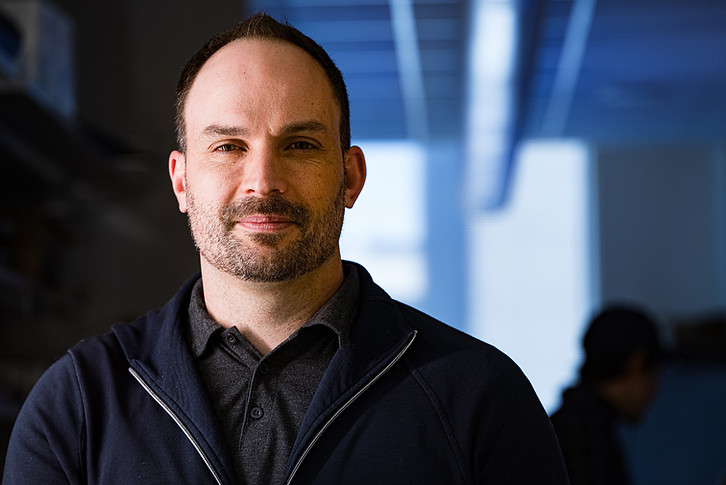
The company was founded by scientists, engineers, and physicians. In 2022, Jacob Robinson, Professor of Electrical and Computer Engineering at Rice University; Kaiyuan Yang, Associate Professor of Electrical and Computer Engineering at Rice University; Dr. Sunil Sheth, a vascular and interventional neurologist at UTHealth Houston and McGovern Medical School; and Dr. Sameer Sheth, Professor of Neurosurgery at Baylor College of Medicine, co-founded Motif.
Robinson is dedicated to developing miniature technologies for manipulating and monitoring physiological functions and neural circuit activity. He has published more than 70 peer-reviewed journal articles, including in Nature, Science, Nature Nanotechnology, Nature Materials, and Nature Biomedical Engineering.
Motif’s technology is based on the wireless magnetoelectric technology developed by Robinson during his tenure at Rice University. The DOT device can stimulate and improve dysfunctional brain circuits without direct contact with brain tissue. This less invasive surgical approach is expected to enhance overall safety and deliver more durable therapeutic effects.
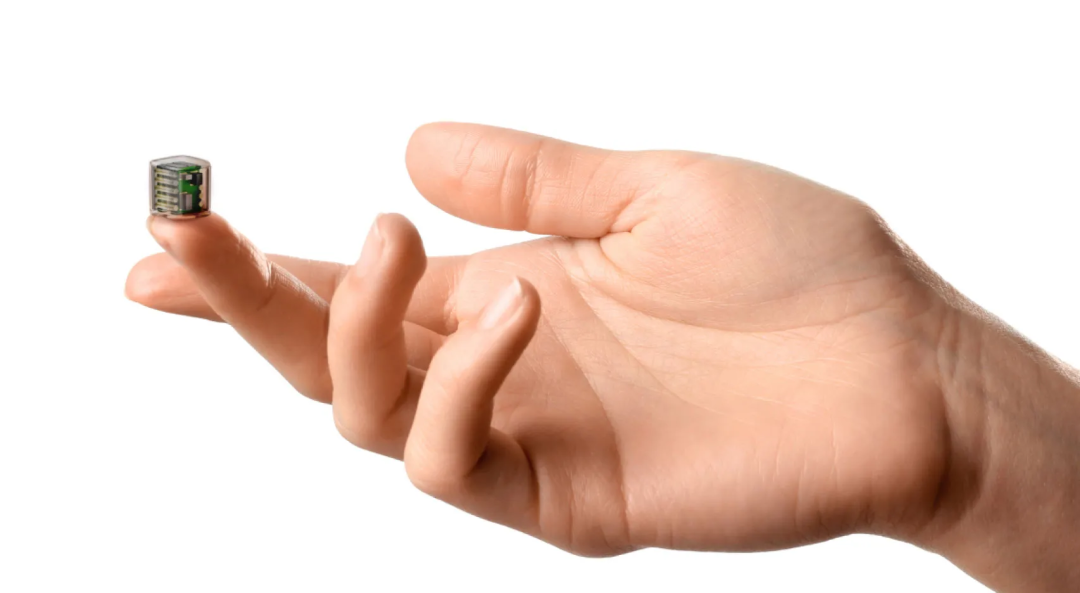 (Source: Motif Neurotech)
According to public information, physicians are required to perform an approximately 20-minute implantation procedure to place the DOT device above the dura mater (the protective membrane surrounding the brain) within the patient’s skull. The key mechanism of this treatment for depression lies in the implanted device emitting specific stimulation signals to “activate” the central executive network. This region, responsible for higher-order cognitive functions, is considered an effective therapeutic target for depression, as it typically exhibits hypoactivity in patients with major depressive disorder.
Notably, the DOT device offers operational convenience, allowing patients to receive electrical stimulation therapy at home using a baseball cap-like apparatus, thereby eliminating the need to visit specific hospitals or institutions. The patient’s treatment parameters are pre-configured in the device, and the components on the cap transmit the stimulation parameters prescribed in the patient’s prescription to the implanted device.
According to Motif’s projections, during the initial phase of treatment (typically the first 10 days), patients will undergo treatment several times per day, with each session lasting 10 to 20 minutes. Subsequently, patients may enter a remission phase, at which point the frequency of wearing the cap can be appropriately reduced.
“We believe that frequent electrical stimulation can promote neuroplasticity, thereby enhancing connectivity within the central executive network in patients with depression, enabling them to perform daily activities such as getting out of bed in the morning, calling friends, and exercising at the gym,” said Jacob Robinson, Co-founder and CEO of Motif.
The primary objective of the upcoming trial by Motif Corp is to verify the safety of the implantation procedure and the device over a 12-month period by enrolling 10 participants. Researchers will track improvements in depressive symptoms and safety outcomes, while monitoring quality of life, anxiety levels, and cognitive function throughout the 12-month period.
The RESONATE study will be conducted at eight medical institutions: Baylor College of Medicine, Massachusetts General Hospital and Brigham and Women’s Hospital, Emory Healthcare, UTHealth Houston, University of Iowa, University of Utah Health, New York University, and the Center for BrainHealth (Houston).
Currently, one of the challenges facing psychiatry is the lack of objective metrics to assess patients’ health status—metrics that are closely linked to long-term changes in the brain. With future iterative upgrades to the Motif device, Motif aims to record and monitor brain signals over time, enabling clinicians to better tailor personalized treatment plans for patients based on these objective measurements.
Although this technology is still some way from practical application, Motif offers a simpler treatment option for patients with “treatment-resistant” depression. The company also plans to explore the potential of using its DOT device to treat other conditions, such as bipolar disorder, obsessive-compulsive disorder, Alzheimer’s disease, and substance use disorders.
References:
1.Zhdanava M, Pilon D, Ghelerter I, et al. The prevalence and national burden of treatment-resistant depression and major depressive disorder in the United States. J Clin Psychiatry. 2021;82(2):20m13699. https://doi.org/10.4088/JCP.20m13699
2.https://www.wired.com/story/a-brain-implant-for-depression-is-about-to-be-tested-in-humans/
3.https://www.businesswire.com/news/home/20260427361988/en/Motif-Neurotech-Receives-FDA-Approval-to-Begin-First-Clinical-Trial-of-its-Therapeutic-BCI-for-Treatment-Resistant-Depression
4.https://www.robinsonlab.com/jacob-t-robinson
5.https://www.houstonchronicle.com/health/article/rice-brain-tech-startup-depression-treatment-18623762.php
Operations/Typesetting: He Chenlong
This article provides an interpretation of professional academic papers and does not constitute medical advice.
Note: Cover/Featured image generated with AI assistance