Home Three-Year SMART Trial Data Confirms Evolut TAVI Superiority, Reshaping Treatment Paradigm for Small Annulus Patients

Three-Year SMART Trial Data Confirms Evolut TAVI Superiority, Reshaping Treatment Paradigm for Small Annulus Patients

May 31, 2026 08:00 CST Updated 08:00

Medtronic

Medical Device Manufacturer

Image
At the annual EuroPCR Congress, there are always several head-to-head landmark studies that directly challenge the clinical diagnosis and treatment paradigms in the field of structural heart disease.
At the EuroPCR 2026 conference held in Paris, France, the highly anticipated three-year follow-up core data from the SMART study were officially released, providing a compelling and definitive answer to the long-standing challenge faced by interventional cardiologists: “TAVI valve selection for patients with small aortic annuli.”
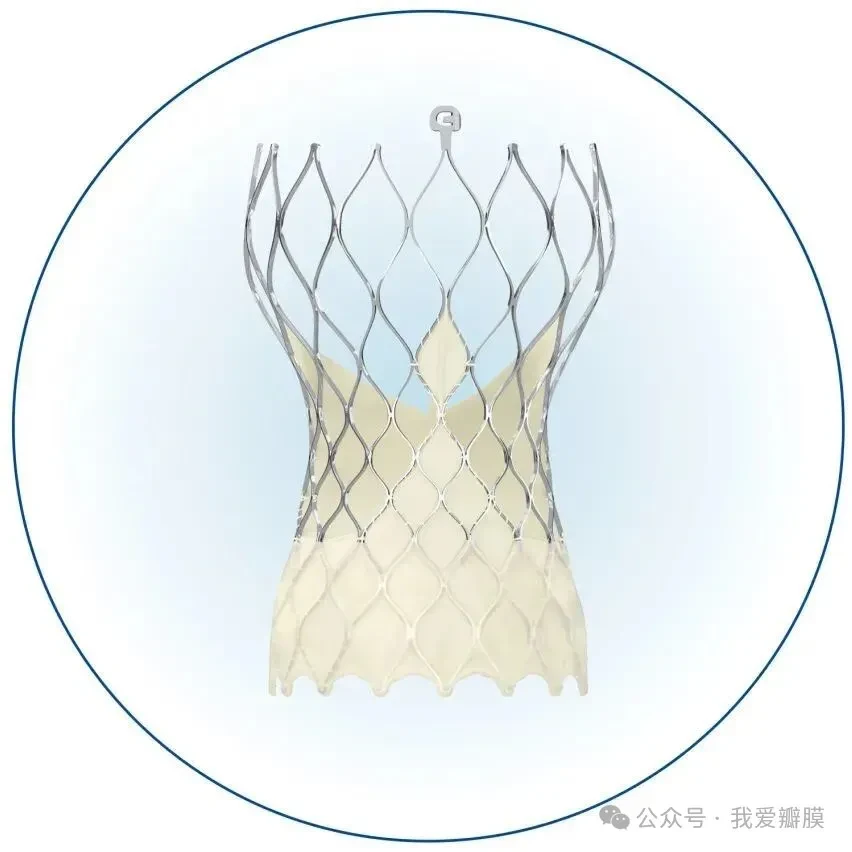
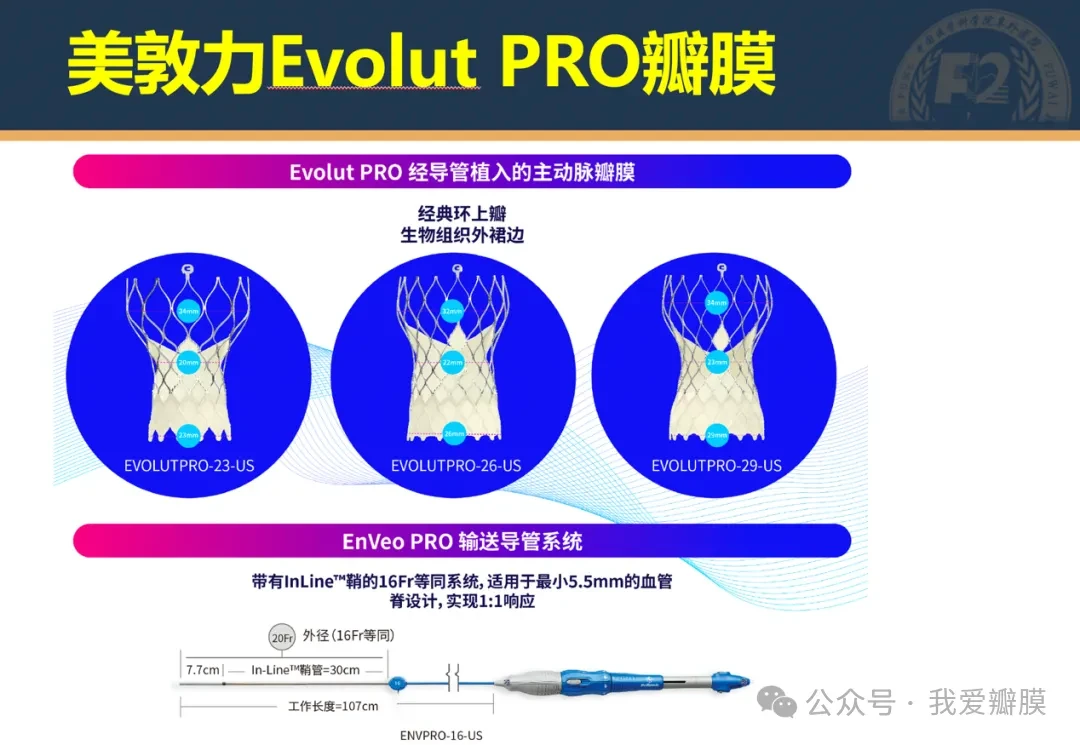
As the largest global head-to-head randomized controlled trial of TAVI to date, the three-year follow-up results conclusively demonstrate that, for patients with aortic stenosis and small annuli, the Medtronic Evolut self-expanding valve is comprehensively superior to the Edwards Sapien balloon-expandable valve in terms of long-term hemodynamic performance, valve durability, and thrombosis prevention, with these advantages remaining stable and undiminished over the long term.
Image
This study not only reshapes the understanding of the relative merits and drawbacks of the two mainstream TAVI valve types, but also fundamentally optimizes individualized TAVI treatment strategies for special populations characterized by small annuli and a predominantly female demographic.

01
Why Does the SMART Study Carry Far Greater Weight Than Ordinary Clinical Trials?
生而不凡 美力相瓣 | Evolut PRO大湾区创新联动,引领TAVR精准植入新境界 -- 严道医声网
In clinical practice, we have always been clear that patients with severe aortic stenosis and a small aortic annulus (annulus area ≤430 mm²) constitute a high-risk and challenging population for TAVI treatment.
These patients present with unique anatomical characteristics, making them highly susceptible to long-term complications such as patient-prosthesis mismatch, elevated transvalvular pressure gradients, prosthetic valve degeneration, and thrombosis. These issues have consistently remained core challenges affecting the long-term prognosis of transcatheter aortic valve implantation (TAVI). Furthermore, the historical lack of large-scale, long-term, head-to-head comparative studies has meant that clinical valve selection has largely relied on empirical experience, lacking support from high-level evidence-based medicine.
The SMART study perfectly fills this clinical gap, and the robust advantages of its trial design lend high clinical credibility to its conclusions:
  1. The World’s Largest Head-to-Head TAVI Comparative Study: Encompassing Over 80 Leading Centers Worldwide, with a Total of 716 Patients with Symptomatic Severe Aortic Stenosis and Small Annuli
  2. High proportion of female patients: 87% of enrolled patients were female, precisely aligning with the clinical characteristic that small annulus populations are predominantly female, thereby yielding highly targeted conclusions;
  3. Prospective randomized controlled design: 1:1 randomization to compare the Evolut self-expanding valve with the Sapien balloon-expandable valve, minimizing bias and ensuring objective and rigorous data;
  4. Comprehensive Long-Term Follow-Up System: The 3-year core data are released in this report, with ongoing follow-up extending to 5 years, focusing on long-term valve durability and patient long-term outcomes.
02
Three-Year Robust Data: Evolut Leads Across Four Core Dimensions
TAVR创新交流论坛第二期|阜外医院吴永健教授Evolut PRO瓣膜挑战极端融合重度钙化病例 -- 严道医声网
Unlike the phased advantages observed in short-term follow-ups at 1 and 2 years, the results of this 3-year follow-up clearly confirm that the superior performance of the Evolut valve is not merely a short-term benefit, but rather a sustained clinical benefit with long-term stability, demonstrating significant advantages across four key dimensions: valve function, thrombosis prevention, anatomical adaptability, and long-term prognosis.


1. Valve durability leads by a wide margin, significantly reducing the risk of dysfunction
Bioprosthetic Valve Dysfunction (BVD) is the most critical adverse event following TAVI, directly associated with the risks of reoperation, heart failure, and long-term mortality, serving as the core gold standard for evaluating valve quality.
Three-Year Follow-Up Data Show a Significant Difference:
✅ The incidence of bioprosthetic valve dysfunction in the Evolut group was only 16.3%
❌ Up to 54.4% in the Sapien group
The difference between the two groups was statistically significant (p<0.001). This indicates that in patients with small annuli, the risk of valve dysfunction at three years after Sapien valve implantation is more than three times higher than that with Evolut, with a significantly increased risk of long-term valve failure and reintervention.


2. Significantly Reduced Risk of Valve Thrombosis, Avoiding Long-Term Management Challenges
Valve thrombosis is a serious complication following transcatheter aortic valve implantation (TAVI), which can directly lead to increased transvalvular pressure gradient, valve stenosis, and deterioration of cardiac function. Patients require long-term anticoagulation therapy, which not only increases the risk of bleeding but also significantly burdens chronic disease management over the long term.
This study employed a dual-standard assessment using VARC-2 and VARC-3, with highly consistent results:
✅ VARC-2 criteria: Thrombosis incidence was 1.3% for Evolut and 5.8% for Sapien (p=0.002)
✅ VARC-3 criteria: Evolut thrombosis rate 1.3%, Sapien increased to 6.8% (p<0.001)
These data fully demonstrate that the unique hemodynamic structural advantages of the Evolut valve can reduce the probability of thrombosis at its source, significantly decrease the need for postoperative anticoagulation therapy and repeat interventional procedures, effectively improve patients’ long-term quality of life, and alleviate the burden of long-term diagnosis and treatment.


3. Effectively reduce prosthesis-patient mismatch and lower the risk of cardiovascular mortality
Prosthesis-Patient Mismatch (PPM) is a frequent complication following transcatheter aortic valve implantation (TAVI) in patients with small annuli, and it represents a long-term prognostic risk factor that has been historically overlooked in clinical practice.
Exploratory analysis yielded key clinical conclusions: Patients with moderate or greater PPM postoperatively had a 2.24-fold increased risk of cardiovascular death at three years (p=0.014), sufficiently demonstrating that PPM is an independent high-risk factor affecting long-term survival in patients with small annuli.
Regarding PPM prevention, the two valves showed significant differences: the incidence of moderate or greater PPM at 30 days post-procedure was only 9.9% in the Evolut group, compared to 33.2% in the Sapien group (p<0.001). The self-expanding Evolut valve features adaptive conformability, allowing it to better fit the limited anatomical space of small annuli and effectively mitigate the long-term risk of cardiovascular mortality associated with PPM.


4. Comparable Safety Endpoints, More Favorable Benefit-Risk Profile
Regarding the hard safety endpoints of concern, the three-year follow-up results showed no significant difference between the two groups in the composite outcome of all-cause mortality, disabling stroke, and rehospitalization for heart failure.
This finding holds significant clinical guidance value: based on comparable outcomes for the primary safety endpoint, the Evolut valve achieved comprehensive improvements in hemodynamics, valve durability, thrombosis prevention, and avoidance of patient-prosthesis mismatch (PPM). This allows patients with small annuli to obtain superior long-term prognosis without increasing safety risks, demonstrating a significantly more favorable overall risk-benefit profile compared to the Sapien valve.

03
Clinical Implications: Redefining TAVI Treatment Strategies for Patients with Small Annuli

In previous clinical practice, there was no unified and clear evidence-based guidance for valve selection in patients with small annuli and female patients with aortic stenosis; some operators would choose balloon-expandable valves based on personal procedural preferences. However, the three-year evidence-based data from the SMART study have completely updated this traditional clinical understanding.
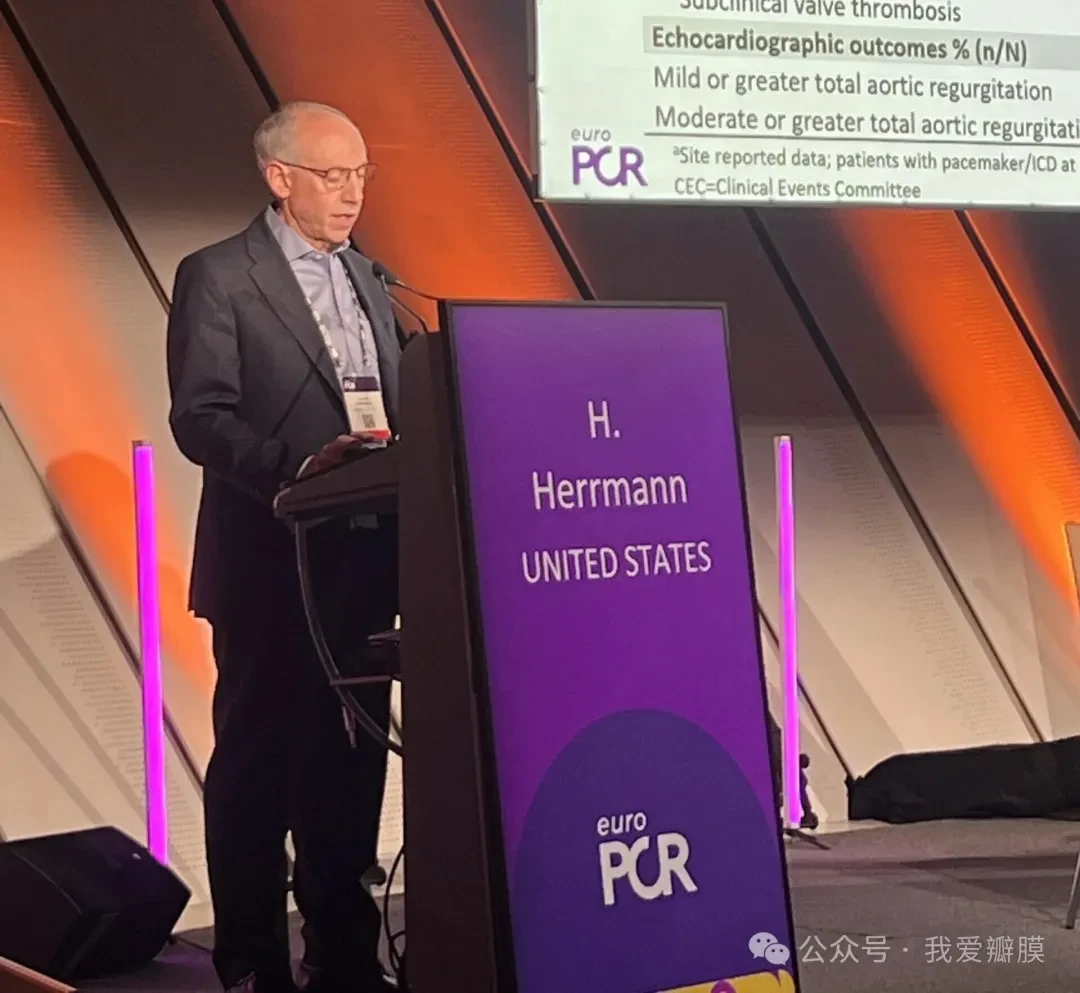
Professor Howard C. Herrmann from the Perelman School of Medicine at the University of Pennsylvania, the principal investigator of the study, stated: "The sustained excellent hemodynamic benefits over three years confirm the unique advantages of the Evolut valve in treating patients with small annuli, and these advantages demonstrate long-term durability. The lower incidence of clinical valve thrombosis can effectively reduce the long-term management burden on patients, representing a highly clinically significant new research finding."
Image
Kendra J. Grubb, Vice President and Chief Medical Officer of Medtronic’s Structural Heart Division within its Cardiovascular Portfolio, stated that the three-year follow-up data further strengthen and solidify the evidence-based framework for Evolut TAVI. These findings provide superior treatment options for high-risk patient populations with specific anatomical challenges, such as women and patients with small annuli, while driving the evolution of TAVI from traditional standardized implantation toward a new model of refined, individualized precision therapy.
Image

04
Summary: Implementing Evidence-Based Practice to Support Precision Diagnosis and Treatment in Clinical Care

Across the entire field of interventional structural heart disease, the three-year follow-up data from the SMART study represent the most authoritative and clinically relevant head-to-head evidence-based data currently available for patients with small annuli undergoing TAVI.
It tells us with real, long-term, large-sample data:
  1. TAVI in patients with small annuli is not a matter of “any valve will do”; valve selection directly determines long-term valve durability and patient outcomes;
  2. The Evolut self-expanding valve has become the preferred option for patients with small annuli and women with severe aortic stenosis, owing to its excellent hemodynamic stability and extremely low risks of valve failure and thrombosis.
  3. Effective avoidance of PPM is a key target for improving long-term cardiovascular mortality risk in such patients and should be incorporated into the core preoperative assessment system.
As follow-up data from 5-year studies continue to be released, the clinical selection criteria for TAVI valves will become more refined and standardized. Personalized valve selection strategies tailored to different anatomical features and patient populations will emerge as a core development trend in the interventional treatment of structural heart disease.
We will continue to track the 5-year follow-up results of the SMART study, providing the latest and most authoritative evidence-based guidance for frontline clinical interventional diagnosis and treatment.
The content of this article is based on the 3-year follow-up data from the SMART study presented at EuroPCR 2026, intended solely for academic exchange and reference among medical professionals, and does not constitute diagnostic or treatment recommendations.