

Takeda Hosts First Acid Suppression Optimization Management Summit to Advance GERD Treatment in China

Takeda
Biopharmaceutical Manufacturer
TIANJIN, China, May 15, 2021 /PRNewswire/ -- Today, the Takeda Summit on Optimized Acid Suppression Management and the 1st Anniversary Celebration of the Launch of Vonoprazan Fumarate Tablets were grandly held in Tianjin. Themed "A New Era of Acid Suppression: Vonoprazan Pioneers a New Chapter," the forum aimed to establish a high-quality academic exchange platform for China's gastroenterology community, advance academic research and clinical practice in acid suppression therapy, and effectively meet the actual treatment needs of patients. Over 200 gastroenterology experts, scholars, and healthcare professionals attended the event, including Professor Chen Minhu, Chairman of the Gastroenterology Branch of the Chinese Medical Association and from the First Affiliated Hospital, Sun Yat-sen University (participated online); Professor Wang Bangmao from Tianjin Medical University General Hospital; Professor You Suning, Former President and Editor-in-Chief of the Chinese Medical Journal Publishing House; Professor Hou Xiaohua from Union Hospital, Tongji Medical College, Huazhong University of Science and Technology; Professor Xiao Yinglian from the First Affiliated Hospital, Sun Yat-sen University; and Professor Zuo Xiuli from the Department of Gastroenterology, Qilu Hospital of Shandong University.
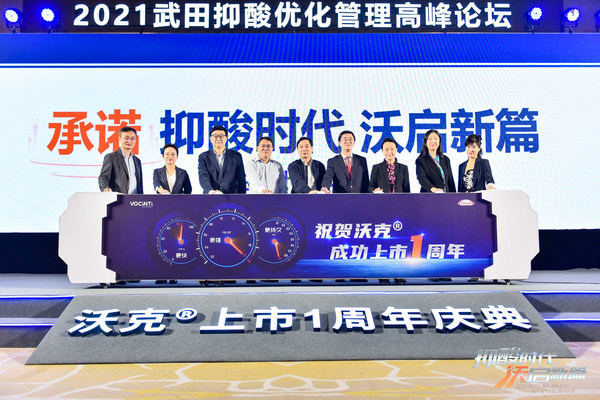
“The Acid Suppression Era: ‘Wo’ Opens a New Chapter” Launch Ceremony
In recent years, with changes in lifestyles and living environments, coupled with the accelerating aging of the population, the incidence of digestive system diseases has been rising year by year, making them common diseases in the modern era.[1]. Taking common reflux esophagitis (RE) as an example, the estimated total number of patients is as high as 89 million.[2], and if treatment is inadequate, it may lead to various esophageal complications[3], even posing a risk of malignant transformation[4], posing a serious threat to patient health.Professor Chen Minhu, Chairman of the Chinese Society of Gastroenterology, Chinese Medical Association, and from The First Affiliated Hospital, Sun Yat-sen University, stated: "In recent years, many chronic digestive diseases, represented by reflux esophagitis (RE), have begun to present numerous challenges such as high incidence and recurrence rates, along with an increasingly younger patient demographic, making their severity increasingly prominent. We hope that through active communication and collaboration among all stakeholders, we can further promote the optimized management of acid-suppressive therapy, strengthen standardized diagnosis, treatment, and long-term disease management, and advance the development of gastroenterology in China."
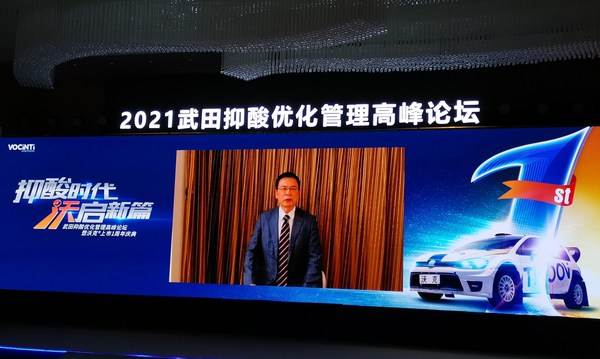
Professor Chen Minhu, Chairman of the Chinese Society of Gastroenterology, The First Affiliated Hospital, Sun Yat-sen University
At this forum, gastroenterology experts from various institutions discussed the current status of acid-suppressive therapy for gastroesophageal reflux disease (GERD), including reflux esophagitis (RE), focusing on patients' clinical challenges and actual treatment needs. Among them, Professor Hou Xiaohua from Union Hospital, Tongji Medical College, Huazhong University of Science and Technology, presented an in-depth overview of China's first real-world study based on a large sample of GERD patients--the GRAND China study.[5]。Studies indicate that in real-world clinical practice, the RE healing rate is only 44.4%, with over half of patients receiving prescribed dosages and administration frequencies exceeding standard recommendations, highlighting a substantial unmet clinical need in patient management. Professor Xiao Yinglian from The First Affiliated Hospital of Sun Yat-sen University presented a cross-sectional study on the satisfaction of Chinese physicians and patients with the current clinical management of GERD -- the GO-GAP study, providing evidence-based medical insights into the contemporary diagnostic and therapeutic landscape of GERD in China. The study revealed that 52.02% of surveyed GERD patients reported chronic sleep deprivation, most had irregular dietary habits, and their dosing frequency fell short of the recommended twice-daily regimen. Furthermore, given the short half-life of conventional medications, only a minority of patients strictly adhere to prescribed schedules, underscoring that the current treatment outcomes for GERD remain suboptimal.
Professor Wang Bangmao of Tianjin Medical University General Hospital stated: "In recent years, progress has been made in both the diagnosis and treatment of RE; however, numerous challenges persist, including inadequate acid suppression with existing medications, unsatisfactory healing rates, and suboptimal patient adherence. Both physicians and patients have a pressing need for innovative pharmacological treatment options."
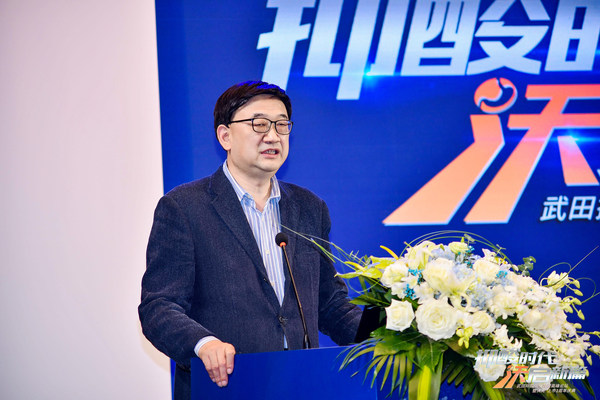
Professor Wang Bangmao, General Hospital of Tianjin Medical University
Focusing on the latest status of acid-suppression therapy in China and exploring optimized management strategies for acid-suppression therapy is the core theme of this forum. During the forum, Professor Zuo Xiuli from Qilu Hospital of Shandong University delivered an in-depth presentation on the new standards and regimens for acid-suppression therapy in China, pointing out that the primary objectives of reflux esophagitis (RE) treatment are symptom relief, mucosal healing, and maintenance of remission, as well as preventing related complications and improving health-related quality of life. An ideal acid-suppressing drug should possess characteristics such as rapid onset of action, potent acid suppression, and a long-lasting acid-suppressive effect.
Professor You Suning, former Director and Editor-in-Chief of the Chinese Medical Association Journal Press, stated“Despite the continuous advancement of current treatment modalities, RE, as a chronic disease, remains a significant challenge in the field of gastroenterology. Nevertheless, we are pleased to see that acid-suppressive therapies have undergone continuous iterative development in recent years. We are confident that innovative drugs will provide more treatment options for RE patients in the future, thereby improving their quality of life.”
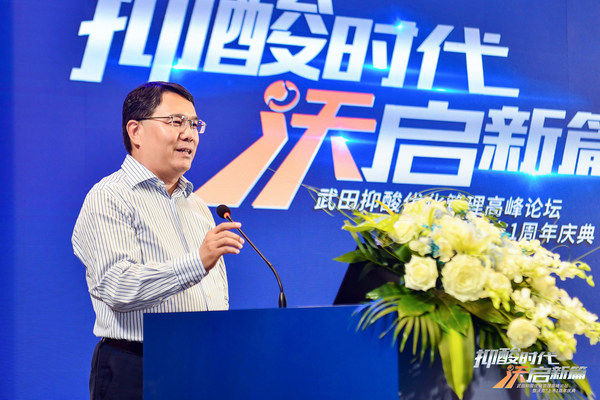
Prof. You Suning, Former President and Editor-in-Chief of the Publishing House of the Chinese Medical Association
Leveraging its R&D expertise and industry leadership in gastroenterology, Takeda has consistently promoted and participated in the continuous advancement of scientific research and clinical practice in China’s gastroenterology sector since entering the market in 1994, steadfastly upholding its commitment to scientific innovation and patient benefit. In May 2020, Takeda’s vonoprazan fumarate tablets were officially launched in China, becoming the first P-CAB drug approved in the country, delivering full efficacy from the first dose.[6]、Rapid and sustained acid suppression[7]、High target attainment rate[8]advantages, and can effectively shorten the treatment course to 4 weeks[9], Over the past year since its launch, it has helped many patients with RE achieve their treatment goals. Meanwhile, through a series of concrete initiatives in discipline development, academic exchange, academic research, and patient care, Takeda has been continuously advancing the diagnostic and therapeutic capabilities for acid-related diseases. Looking ahead, Takeda will continue to leverage its strengths in the gastroenterology field, actively contribute to the development of gastroenterology in China, and safeguard the healthy lives and promising futures of Chinese patients.
[1] 2019 China Gastrointestinal Disease Examination White Paper
[2] Zou D, et al. Scand J Gastroenterol. 2011;46(2):133-41
[3] Pisegna J, et al. Aliment PHarmacol Ther. 2004 Dec;20 Suppl 9:47-56.
[4] Kong Fanyang, Li Zhaoshen. International Journal of Digestive Diseases. 2015;35(6)
[5] Xiaoyun Y, et al. ISPOR. 2021; May 17-20.
[6] Sakurai Y, et al. Aliment pHarmacol Ther. 2015 Sep; 42(6):719-730.
[7] Hunt RH, et al. Curr Treat Options Gastroenterol.2018 Dec;16(4):570-590
[8] Hoshino S, et al.Digestion. 2017;95(2):156 161.
[9] Ashida K, et al. Aliment pHarmacol Ther. 2016;43(2):240-51.
Statement:
About Takeda
Takeda Pharmaceutical (Tokyo Stock Exchange Stock Code: 4502) (NYSE: TAK) is a Japan-headquartered, values-based, and R&D-driven global biopharmaceutical company. Takeda is committed to transforming scientific discoveries into highly innovative medicines, safeguarding healthier lives and a brighter future for patients. Takeda focuses its drug development on four therapeutic areas: oncology, gastroenterology, neuroscience, and rare diseases, with targeted R&D investments in plasma-derived therapies and vaccines. We remain dedicated to the development of highly innovative medicines, pioneering novel treatment options and strengthening collaborative R&D engines to build a robust and diverse pipeline that helps improve people's lives. Our employees work across approximately 80 countries and regions, partnering with local healthcare stakeholders to deliver better health to patients worldwide.
Takeda entered China in 1994. Takeda China is headquartered in Shanghai, with its main business centers in mainland China located in cities and regions such as Beijing, Shanghai, Tianjin, Guangzhou, and the Hong Kong Special Administrative Region. The company maintains offices in major cities across China and currently employs over 2,000 people in the country. With China's economic development and the growing demand for healthcare, China has become one of Takeda's most important emerging markets globally.
For more information, please visithttps://www.takeda.com
Forward-Looking Statements
This document and any materials distributed in connection herewith may contain forward-looking statements, views, or opinions regarding Takeda's future business, future conditions, and operating performance, including Takeda's estimates, projections, objectives, and plans. Forward-looking statements often include, but are not limited to, words such as “target,” “plan,” “believe,” “hope,” “continue,” “anticipate,” “aim,” “intend,” “ensure,” “will,” “may,” “should,” “would,” “might,” “expect,” “estimate,” “forecast,” or similar expressions, or their negatives.
The forward-looking statements in this document are based solely on estimates and assumptions by Takeda as of the date of release. Such forward-looking statements do not constitute a guarantee by Takeda or its management regarding future performance and involve known and unknown risks, uncertainties, and other factors, including, but not limited to: economic conditions facing Takeda's global operations, including the macroeconomic environments in Japan and the United States; competitive pressures and developments; changes in applicable laws and regulations; the success or failure of product development programs; decisions by regulatory authorities or the timing of such decisions; fluctuations in interest rates and exchange rates; claims or questions regarding the safety or efficacy of marketed or candidate products; the timing and impact of post-merger integration efforts for acquired companies; and the ability to divest assets non-core to Takeda's operations and the timing of any such divestitures, all of which could cause Takeda's actual results, performance, achievements, or financial condition to differ materially from any future results, performance, achievements, or financial condition described or implied by such forward-looking statements.
For more information regarding the above and other factors that may affect Takeda’s results, performance, achievements, or financial condition, please refer to Takeda’s most recent Annual Report on Form 20-F filed with the U.S. Securities and Exchange Commission under “Item 3. Key Information—D. Risk Factors” and other reports, available on Takeda’s website.https://www.takeda.com/investors/reports/sec-filings/orwww.sec.govTakeda’s actual future results, performance achievements, or financial position may differ materially from those expressed or implied in the forward-looking statements. Recipients of this press release should not place undue reliance on any forward-looking statements. Takeda assumes no obligation to update any forward-looking statements contained in this press release or any other forward-looking statements the Company may issue, except as required by law or securities exchange rules. Historical performance is not indicative of future performance, and Takeda’s performance referenced in this press release does not represent, nor is it an estimate, forecast, or projection of, Takeda’s future performance.