

11th Pfizer New Perspectives Breast Cancer Summit Held in Shanghai

Pfizer
Pharmaceutical R&D Developer
SHANGHAI, May 24, 2021 /PRNewswire/ -- On May 23, 2021, the "11th New Perspectives Breast Cancer Summit" hosted by Pfizer kicked off in Shanghai, in ChinaWell-knownExperts in the field of breast cancer prevention and treatment shared the latest research advances and clinical practice outcomes on key topics, including precision diagnosis and treatment of breast cancer in the big data era, the cure of early-stage breast cancer, long-term survival in advanced breast cancer, and real-world studies of CDK4/6 inhibitors, thereby promoting the standardization and homogenization of diagnosis and treatment in the field. The conference concurrently launched the "New Perspective Academic Month," which will partner with mainstream media to invite authoritative experts to educate the public on disease awareness and clinical innovations. This initiative aims to help more breast cancer patients improve their overall survival rates and quality of life, thereby contributing to the early realization of the overarching goals of the "Healthy China 2030" initiative.
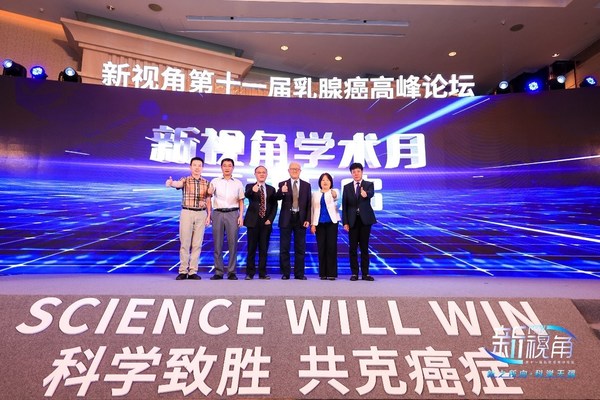
Conference Launch Ceremony
At this conference, leading Chinese breast cancer experts were invited to attend, including Prof. Shen Zhenzhou, Lifetime Professor of the Department of Breast Surgery at Fudan University Shanghai Cancer Center; Prof. Shao Zhimin, Director of the Fudan University Breast Cancer Institute and Director of both the Department of Surgery and the Department of Breast Surgery at Fudan University Shanghai Cancer Center; Prof. Zhang Jin, Director of the Third Department of Breast Oncology at Tianjin Medical University Cancer Institute and Hospital; Prof. Wang Yongsheng, Director of the Breast Disease Center at Shandong Cancer Hospital; and Prof. Jin Feng, Director of the Department of Breast Surgery at the First Hospital of China Medical University. While sharing insights, moderating relevant discussions, and summarizing the path toward precision diagnosis and treatment alongside cutting-edge trends in breast cancer, they particularly emphasized that future efforts should focus on scientific exploration to drive clinical progress through academic discourse, ultimately aiming to improve overall survival and quality of life for more breast cancer patients.
As an innovative biopharmaceutical company, Pfizer upholds the vision of "Science to Win, Together Against Cancer," remaining science-driven and focused on addressing the unmet medical needs of cancer patients.Jinhui Li, General Manager, Oncology & Rare Disease Business, China, Pfizer Biopharmaceuticals Groupstated: "Oncology is a strategic priority for Pfizer globally and in China. With over 30 years of deep roots in China, Pfizer has successively introduced innovative breast cancer therapies, including chemotherapy, endocrine therapy, and targeted therapy. Meanwhile, Pfizer is committed to collaborating with academia and experts to build high-end academic platforms. The New Perspectives Breast Cancer Summit, held consecutively for 11 years, has become a premier platform for sharing cutting-edge research and continuously advancing the diagnosis and treatment of breast cancer. We look forward to leveraging this summit as an opportunity to partner with experts and researchers in advancing medical exploration, driving precision medicine in breast cancer through science, delivering innovative and optimized treatment regimens, and bringing hope for a cure to more patients."
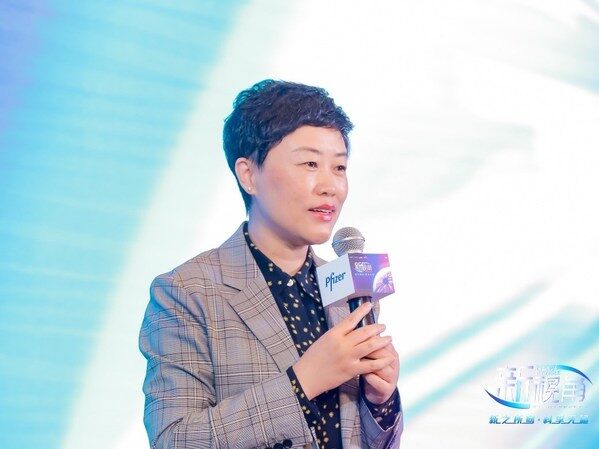
Remarks by Li Jinhui, General Manager, Oncology and Rare Diseases Business, Pfizer Biopharmaceuticals Group, China
Science Drives Discovery, Precision Therapy Brings Greater Hope for a Cure
According to the latest 2020 global cancer statistics released by the World Health Organization (WHO), breast cancer has surpassed lung cancer to become the most commonly diagnosed cancer worldwide. In 2020, China reported approximately 420,000 new cases of breast cancer and an estimated 120,000 deaths. Breast cancer remains the leading cancer in terms of incidence among women in China.[1]
Professor Zhimin Shao, Fudan University Shanghai Cancer CenterHe/She stated: “As our research into the disease deepens, we have gained a clearer understanding that breast cancer is predominantly driven by molecular subtypes. Currently, rapid progress is being made in utilizing molecular biomarkers to predict treatment efficacy and assess prognosis. The genomic profiling of Chinese breast cancer patients is being progressively refined, providing a ‘reference index’ for clinical precision diagnosis and treatment of breast cancer. Meanwhile, the advent of the oncology big data era has ushered in a future where personalized breast cancer diagnosis and treatment can be realized through real-world data and molecular subtyping. Standing at the new starting point of the ‘critical decade’ for breast cancer, we look forward to more research breakthroughs driving the ‘continuous refinement’ of breast cancer diagnosis and treatment. This will enable more precise local control leading to cure for early-stage patients, while also allowing advanced-stage patients to achieve chronic disease management through precision therapeutic strategies.”
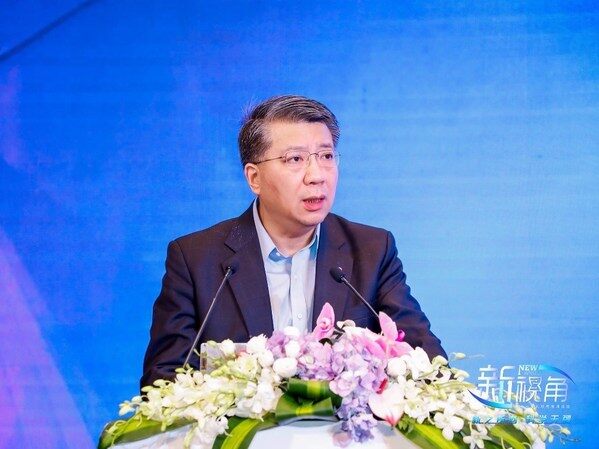
Address by Professor Shao Zhimin
Science-driven cures, meeting patients' comprehensive and full-lifecycle treatment needs.
Currently, within the breast cancer treatment landscape, surgical therapy, radiotherapy and chemotherapy, endocrine therapy, targeted therapy, and immunotherapy have all undergone varying degrees of innovative advancement. Coupled with ongoing exploration of neoadjuvant therapy and other modalities, patients with early-stage breast cancer in China now have greater opportunities for cure, while the treatment of advanced breast cancer is increasingly transitioning toward chronic disease management.
“Through years of concerted efforts by the academic and clinical communities, breast cancer as a whole has largely come to resemble a chronic disease. For early-stage breast cancer in particular, treatment options are abundant. Under standardized and guideline-directed therapy, the current 5-year survival rate for early-stage breast cancer in cities such as Beijing and Shanghai has reached 90%, on par with internationally advanced standards,”Professor Wang Yongsheng, Shandong Cancer HospitalIt was further pointed out: “In the future, treatment research for early-stage patients should strive for a cure. Guided by the 'comprehensive, full-cycle' health management philosophy, multidisciplinary collaboration and continuous precision diagnosis and treatment should be integrated to provide patients with optimal therapeutic regimens. Through active surveillance and management, proactive interventions must be implemented to address the risk of breast cancer-associated comorbidities, enabling early-stage patients to achieve greater clinical benefits while further improving their quality of life. Advanced concepts and treatment strategies should also be promoted through standardized clinical practices to drive consistent quality of care, thereby bridging urban-rural and regional disparities, elevating the overall standard and efficacy of breast cancer treatment, and allowing more patients to benefit from medical advancements.”
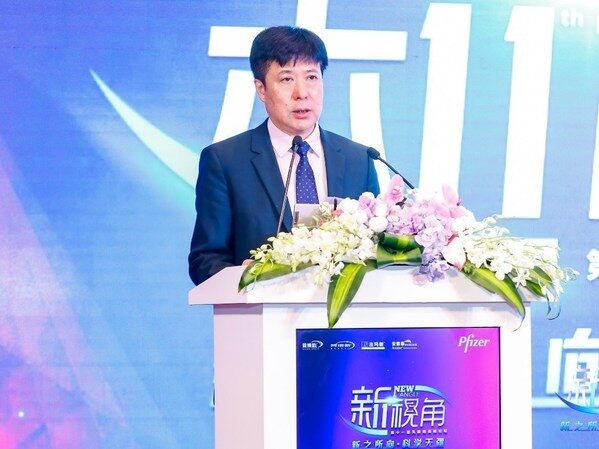
Address by Prof. Wang Yongsheng
Meanwhile, the clinical management of advanced breast cancer in China presents a severe challenge, acting as a "bottleneck" to improving the overall 5-year survival rate for breast cancer. Among newly diagnosed breast cancer cases each year, approximately 3%–10% of women already present with distant metastasis at diagnosis. Furthermore, 30% of early-stage patients may still progress to advanced breast cancer, and the 5-year survival rate for patients with advanced disease remains at only 20%.[2]. Improving treatment outcomes for patients with advanced breast cancer is of great significance for enhancing the overall 5-year survival rate of breast cancer.
“The introduction of CDK4/6 inhibitors into clinical practice has broken the past treatment paradigm of over-reliance on chemotherapy monotherapy. Results from both clinical trials and real-world studies consistently demonstrate that the use of CDK4/6 inhibitors in combination with aromatase inhibitors as first-line therapy for patients with HR+/HER2- advanced breast cancer significantly improves progression-free survival, reducing the risk of disease progression by nearly 50%. Furthermore, real-world studies have also shown an extension in patients' overall survival.”Prof. Jin Zhang, Tianjin Medical University Cancer Institute and Hospitalremarked: "However, compared with developed countries, the current treatment for advanced breast cancer patients in China still primarily relies on chemotherapy and endocrine therapy, with targeted therapy combined with endocrine therapy accounting for only 4%. We look forward to further promoting the widespread adoption and grassroots implementation of advanced breast cancer treatment guidelines through professional exchanges, thereby meeting patients' needs for prolonged survival with a high quality of life."
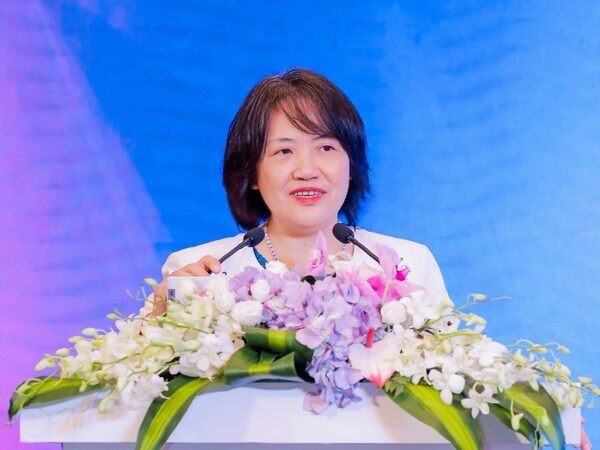
Address by Professor Zhang Jin
In recent years, real-world studies in the field of breast cancer have gained increasing prominence. Existing research findings have begun to support epidemiological analyses of breast cancer and facilitate the approval of related clinical management strategies and therapeutic indications. Notably, a CDK4/6 inhibitor has received FDA approval for a new indication in male breast cancer, marking the first instance of a new drug indication approved solely on the basis of real-world evidence (RWE). Subsequently, a series of real-world studies have been conducted, further validating the efficacy of CDK4/6 inhibitor-based combination therapies in routine clinical practice and providing novel insights into their application in specific patient populations with hormone receptor-positive (HR+) and human epidermal growth factor receptor 2-negative (HER2-) metastatic breast cancer (mBC).
Science Leads the Era, Leveraging Big Data to Empower Healthy China's "Critical Decade"
Emerging frontiers in therapeutic research, such as real-world studies and precision medicine, rely on new technologies—including big data, data analytics, and artificial intelligence—to empower medical research. This conference features a dedicated section on "New Technologies," which, through insights shared by cross-disciplinary experts from breast cancer clinical research and innovative technology platforms, envisions a future of precision medicine grounded in real-world patient data for breast cancer specialists and scholars.Hui Xing, Head of Pfizer Commercial Data Analytics & Insights TeamAt the event, the latest explorations of the real-world oncology database were shared, highlighting advanced analytics of real-world data conducted through an industry-leading platform for real-time, interactive analysis and collaborative research. By leveraging artificial intelligence and machine learning technologies, breast cancer treatment is being enhanced and optimized to deliver improved therapeutic outcomes for patients, while providing oncology experts with specialized technical tools to advance clinical research related to advanced breast cancer.
"Upholding the commitment to 'deliver breakthroughs that change patients' lives,' Pfizer in China is dedicated to driving the advancement of clinical healthcare through science,"Faxian Song, Head of Oncology and Rare Diseases Marketing, Pfizer Chinastated: “At the beginning of the ‘critical decade’ for breast cancer prevention and treatment, Pfizer will actively collaborate with experts and scholars in China to deeply engage in the precision diagnosis and treatment of breast cancer, empower disease research with new technologies, and accelerate the exploration of innovative drugs and treatment regimens. Through scientific medical practice, we will further advance the chronic disease management of breast cancer, enhance therapeutic benefits for more patients, and contribute to achieving the goal of ‘increasing the overall 5-year cancer survival rate by 15%’ as outlined in the ‘Healthy China 2030’ Planning Outline!”
[1]The World Health Organization: Latest global cancer data: Cancer burden rises to 19.3 million new cases and 10.0 million cancer deaths in 2020
[2]Chinese Guidelines for the Standardized Diagnosis and Treatment of Advanced Breast Cancer (2020 Edition)[J]. Chinese Journal of Oncology, 2020, 42(10): 781-797.