

How AI Reshapes Chronic Disease Management: How Lingxi Bio Defines a New Paradigm for Health Wearables with "Continuous Monitoring + Generative AI"?
In the global digital wave of healthcare, China's innovative medical company Lingxi Bio is actively engaged in"Medical-grade precision + continuousContinuity"Monitoring"The dual-core drive breaks the homogenization deadlock in smart wearables. In early 2026, Lingxi Bio officially released China's first medical-grade 24-hour continuous blood pressure monitoring smartwatch, a smart ring integrating five vital signs, and a portable oxygen generator among its product portfolio, while appointing...Professor Zhang Yuanjing, Academician of the International Academy of Medical and Biological Engineering, serves as the Chief Scientist.
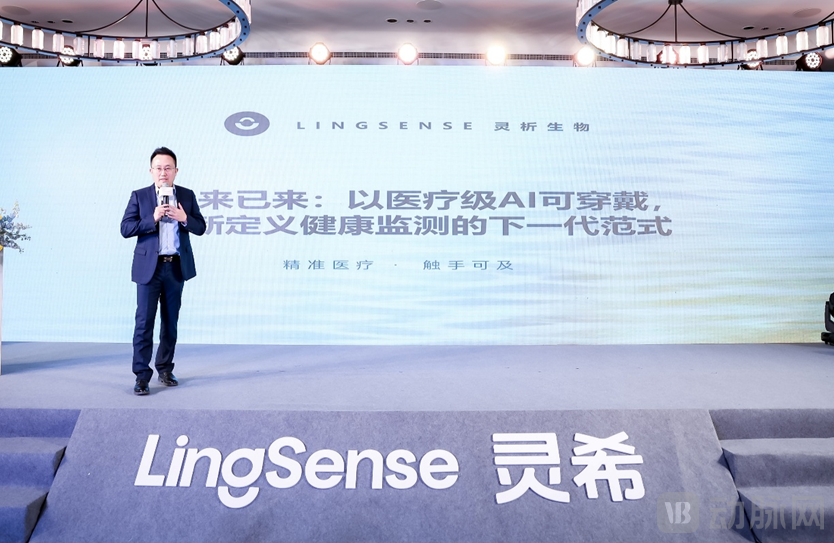
Lingxi Bio CEO Peng Zhifeng
This is not only a product launch, but also a redefinition of the industry paradigm—health management is becoming a system engineering driven by continuous, precise, and intelligent data. Behind it isThe Integration of Sensors, AI Algorithms, and Clinical Medicine, which also means health managementFrom "Passive Treatment" to "Active Prevention and Personalized Intervention".
Lingxi Bio plays a dual role as both a trailblazer and an integrator in this transformation. At the same time, it is addressing the core proposition of the healthcare industry: how to transform cutting-edge technologies into universal and accessible clinical value; and how to establish China's innovation discourse within the global market and standards system.
In fact, the wearable health market can be described as an "Asura Field" full of temptation and cruelty. On one side, there is a vast blue ocean driven by the demand for chronic disease management and aging; on the other side, consumer electronics giants like Huawei and Xiaomi, as well as traditional medical device manufacturers from China and abroad such as Abbott and Sinocare, are aggressively positioning themselves, quickly turning the track into a "red sea." To survive in this space, companies must find unique rules for survival.
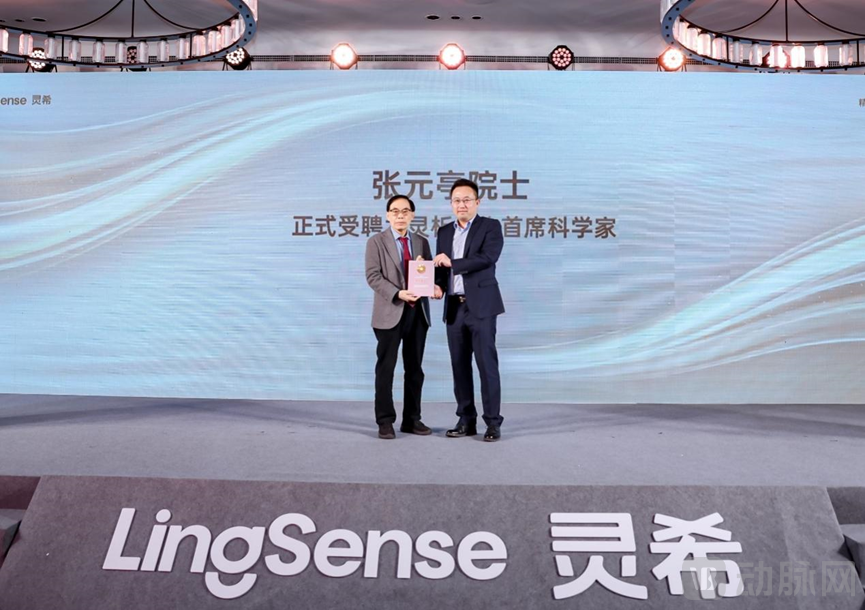
Lingxi Bio appoints Professor Zhang Yuanting as Chief Scientist
As a Chinese medical technology company, what combination of strategies should Lingxi Biotech adopt to face red ocean competition, international barriers, and technological challenges? What differentiated strategies will there be?
Deep Integration of AI: Dr. PAI Large Model Empowers "Hardware + Algorithm + Platform" Comprehensive Dynamic Health Management
Facing the homogenized competition in wearable devices, Lingxi Bio has chosen a differentiation path focused on "medical-grade" precision and "continuous" monitoring. This is not only about functional upgrades but also a systematic reconstruction from product definition to ecosystem building. The core lies in the fact that only clinically recognized high-precision, high-compliance continuous data can achieve a true closed-loop in health management.
Lingxi Bio CEO Peng Zhifeng pointed out that traditional health monitoring relies on intermittent "point measurement" data, which struggles to capture dynamic fluctuations in the human body. For instance, traditional blood pressure monitors and glucose meters can only capture instantaneous data, unable to reveal critical health indicators such as blood glucose fluctuation curves or nighttime blood pressure peaks, leading to overlooked risks like hidden hyperglycemia and nocturnal hypertension.
The product matrix of Lingxi Bio reflects its"Comprehensive Dynamic Health Management"Strategy.
Flagship Product LingWatch Pro Dynamic Blood Pressure WatchTargeting the pain points of blood pressure monitoring, achieving "24-hour medical-grade continuous and non-intrusive monitoring," relying on pulse wave sensing and AI algorithms, with an accuracy reaching the gold standard of ±5 mmHg, promoting blood pressure management from clinical settings into daily life.
LingRing-Dubhe-R1 Smart RingThis showcases another approach to integration, incorporating five major vital sign monitoring functions—such as non-invasive blood glucose trends, blood pressure, and blood oxygen—into a ring form. It resolves the ECG circuit issue through a dual-electrode design and utilizes medical-grade titanium alloy material with vacuum ion plating technology, achieving a high level of functional integration while remaining lightweight and slim.
In addition,LingCare Spring Series Oxygen Generation EquipmentExtending the scenario to the field of respiratory support. Among them, the 1.6-kilogram SpringMini portable oxygen generator overcomes the stability of oxygen supply at high altitudes and provides a new solution for outdoor high-altitude populations through an AI high-altitude adaptive algorithm; the ultra-quiet Spring5L oxygen generator and nebulizer combo precisely serves nearly 100 million patients with COPD and sleep apnea and their families.
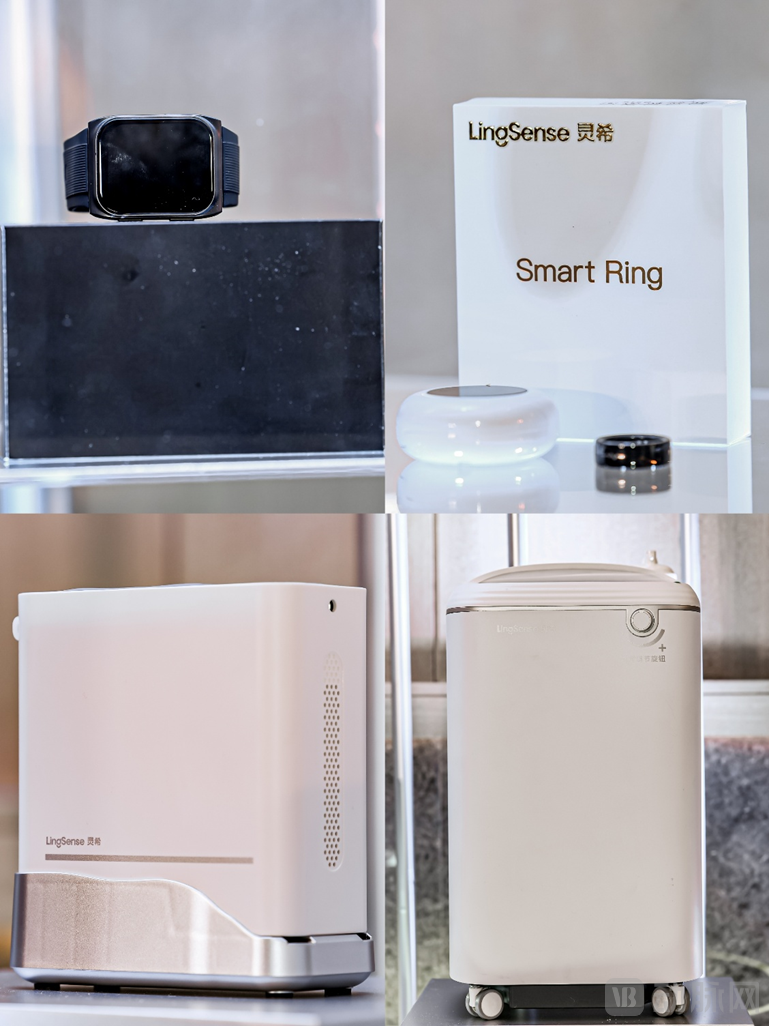
Lingxi Product Matrix: LingWatch Pro Flagship Ambulatory Blood Pressure Watch, LingRing-Dubhe-R1 "All-Vital-Signs Monitoring" Smart Ring, LingCare SpringMini Portable Oxygen Concentrator, LingCare-Spring5L Oxygen Concentrator and Nebulizer Integrated Machine
These products indicate that Lingxi's hardware layout is proceeding along"Monitoring-Intervention-Support"The extension of the chain aims to build a more comprehensive ability to safeguard family health. Behind these hardware products lies Lingxi Biotech's dedication to "medical-grade" standards.
Lingxi Bio's deeper layout lies in its binding with the Zhang Yuanting team, whose core academic achievements——Dr. PAI (Personalized AI Doctor) Deep Ecosystem Integration of Large Models with Lingxi Product Matrix.
Academician Zhang YuantingMore than 20 years of research accumulation, engineering practice, and experience in international standards development in the field of non-invasive continuous dynamic blood pressure have infused Lingxi's product development and global strategy with cutting-edge academic resources and strategic vision.This means that Lingxi's product development will adhere to top-tier medical device standards from the outset, significantly accelerating the transformation path from technology to product.
In addition, the Dr. PAI (Personalized AI Doctor) large model independently developed by Academician Zhang Yuanting's team can also assist in the integration of the algorithm layer of VCBeat. VCBeat's medical-grade hardware (such as continuous blood pressure watches, CGM, and smart rings) will become real-time, continuous, multi-modal data sources for Dr. PAI.Both teams are working to integrate Dr. PAI's generative reasoning capabilities with VCBeat's edge computing algorithms., to achieve early health risk warnings on the device end.
At the platform level,Dr. PAI will be integrated as the core system into the Lingxi Health platform, surpassing traditional Q&A functions.To achieve trend analysis, risk assessment, and personalized intervention based on continuous data. For instance, when abnormal fluctuations in nighttime blood pressure are detected, the system can automatically generate an analysis report and recommend adjustments in monitoring or seeking medical attention.
Define the Next Generation of Health Technology High Ground with "Smart Hardware + AI"
At the critical stage of wearable health devices evolving into diagnostic tools, technical standards and AI have become the "brain" of medical technology companies. Participating in or even leading the formulation of standards means grasping the core right to define the rules of industry competition.
Standards, especially those for medical devices, are the cornerstone for classifying product levels, ensuring safety and efficacy, and gaining regulatory and clinical recognition.
Academician Zhang Yuanting announced excitedly at the press conference"2026: The Year of Cuffless Blood Pressure". This judgment is based on the official release of the draft guideline for clinical performance testing and evaluation of cuffless non-invasive blood pressure measuring devices by the U.S. FDA on January 23, 2026, with the full English title being "Cuffless Non-Invasive Blood Pressure Measuring Devices – Clinical Performance Testing and Evaluation." This is the world's first regulatory guidance document specifically targeting cuffless blood pressure monitoring devices. Additionally, China’s group standard, "Wearable Cuffless Blood Pressure Measurement Devices" (Draft for Public Comment), initiated by the China Association for Promoting Quality and Safety of Food and Drug Enterprises, was opened for public consultation on January 13, 2026. This signifies that the technology, which has been in development for over two decades, is now entering the "standardization moment" of industrialization. It is reported that Academician Yuan Ting Zhang's team played a significant role in formulating these two standards, and the IEEE standard they led has been referenced by the FDA.
The formulation of standards in China is also more revolutionary: it not only focuses on absolute error but, for the first time, requires devices to possess "the ability to identify trends in blood pressure changes," marking a paradigm shift from static accuracy to dynamic evaluation. This is crucial for risk assessment of hypertension and medication adjustment.
After the standards are set, they will better boost the development of the industry, such as setting technical thresholds to purify the market; obtaining clinical "passports" to facilitate entry into hospital channels;Enhance international competitiveness, integrate Chinese innovation into global technological progress, and clear barriers for going global.
And willThe deep integration of vertical AI large models with continuous data streams represents the ultimate form of health management transitioning from "informatization" to "intelligence."
The continuous data stream collected by hardware, without AI empowerment, is merely a digital curve stored in the cloud. Dr. PAI, the large model developed through the collaboration between Lingxi Bio and Academician Zhang Yuanting, aims to activate the value of data and transform it into intelligent insights.Unlike general health assistants, Dr. PAI is committed to creating a vertical, professional, and personalized AI health companion based on continuous medical-grade monitoring data.
Its core lies in deep vertical integration and real-time interaction: it can provide quantitative analysis based on users' real-time continuous data combined with specific contexts, rather than general suggestions, greatly enhancing the relevance and value of the advice.
Based on the in-depth layout of standards and AI, a series of plans by Lingxi Bio have come to light.
Platformization Transformation:The release of Lingxi Bio's Chronic Disease Management Platform 1.0 marks its evolution from a device company to a platform company. The platform builds a "Health Data Middleware" through open interfaces, aggregating multi-source health data, integrating AI capabilities, and connecting medical services. In the future, user device data can be fused with third-party smart device data. Analyzed by engines such as Dr. PAI, it will provide more comprehensive and professional health insights.
Ecological Co-construction:It is also one of Lingxi Bio's key strategic layouts. The collaboration with Xin Yong Technology, a Tsinghua-affiliated enterprise, in areas such as handheld ultrasound, drives the expansion of data dimensions from physiological parameters to imaging. In the future, by integrating continuous vital signs, portable ultrasound imaging, and genomic information to build comprehensive health records, the ability for early disease screening and risk assessment can be significantly enhanced. Partnering with insurance companies to co-develop "health insurance" and collaborating with elderly care institutions to promote "smart health and wellness" solutions are important directions for its ecosystem expansion.
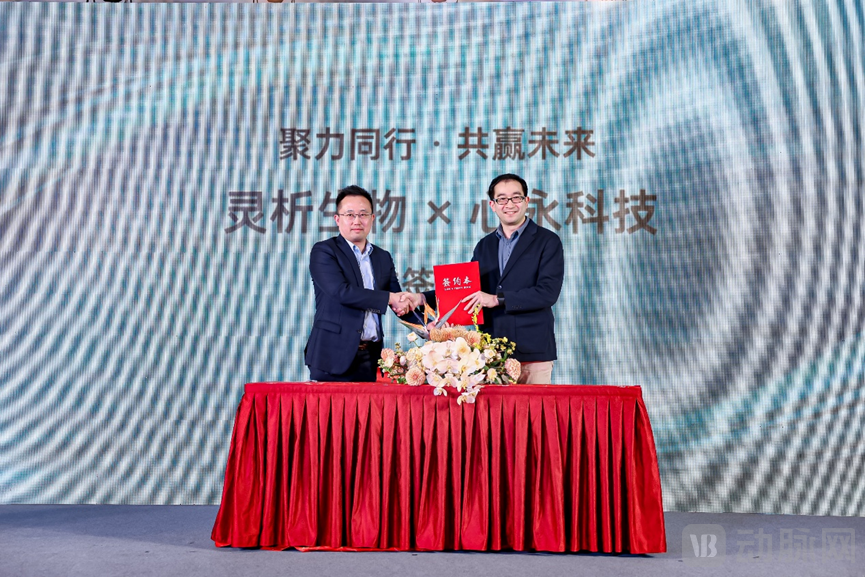
Lingxi Bio CEO Peng Zhifeng and Tsinghua-affiliated Xin Yong Technology CEO Li Yibin sign a cooperation agreement
Differentiated Competition: Penetrating the Red Ocean Market with "Medical-Grade + AI"
Beyond standards and ecosystem building, Lingxi Bio faces the ultimate market test.
China's wearable health device market is an "Asura Field" filled with both extreme allure and brutal competition.
On the one hand, the huge demand for chronic disease management, the acceleration of aging, and the improvement of health awareness have given rise to a rapidly growing blue ocean; on the other hand, consumer electronics giants such as Huawei, Xiaomi, and Apple, with their massive user base and strong ecosystems, have entered the market in full force. Meanwhile, multinational corporations like Abbott and Dexcom, along with Chinese domestic medical device manufacturers such as Yuwell and Sinocare, are deeply cultivating their channels. Additionally, countless innovative companies are relentlessly joining the race, quickly turning this track into a "red ocean" or even a "bloody ocean."
Lingxi Bio was born and grew up in such an environment. The competitive landscape it faces, the coping strategies it formulates, and the overseas paths it chooses provide us with a deeply researchable sample for observing the survival and development of China's medical technology enterprises.
As Peng Zhifeng said, Lingxi Bio is doing"Differentiated Competition: Penetrating the Red Ocean Market with 'Medical-Grade + AI'."
The global home medical device market is expected to exceed $100 billion by 2030, primarily driven by aging populations, the shift of chronic disease management outside hospitals, and increased health awareness. At the same time, the market structure is undergoing profound changes: user demand is shifting from purchasing single devices to obtaining complete solutions, requiring not only monitoring tools but also a service system capable of risk identification, providing recommendations, and connecting to medical resources. This is prompting all participants to reevaluate their value propositions.
Against this backdrop, the dimensions of market competition have become unusually complex.
The first dimension is the route competition between consumer electronics giants and professional medical device manufacturers. Consumer electronics giants (such as Huawei and Apple) rely on their brand, user base, general AI, and ecosystem advantages to integrate medical functions like ECG and blood pressure trends into consumer-grade smartwatches. Their strengths lie in traffic entry points and user experience, but they face challenges in clinical recognition, regulatory compliance, and service integration. Traditional medical companies (such as Yuwell and Sinocare), on the other hand, focus on the research, registration, and hospital channels of medical devices, often progressing more slowly in terms of intelligence, data utilization, and user experience.
The second dimension is the divergence of technical routes. Taking CGM (Continuous Glucose Monitoring) as an example, market leaders Abbott and Dexcom have built a strong moat with years of technical accumulation and patent barriers. Chinese innovative enterprises, on the other hand, are facing the historical opportunity of "import substitution" and the realistic challenge of "patent breakthrough."
Peng Zhifeng frankly pointed out that international giants will use all means, such as patent wars, to defend their market, while Chinese companies' opportunities lie in leveraging supply chain advantages, faster innovation speed, and a deep understanding of local needs to achieve "overtaking on the curve" or differentiated innovation in technology.
Facing Complex Competition, Lingxi BioFirst, adopt a precise differentiation strategy.: Avoiding the consumer-level red ocean, not directly competing with giants, and focusing on the core of "medical-grade" and "continuous monitoring." Products such as a 24-hour continuous blood pressure watch and multi-vital sign rings boast clinical-grade accuracy and continuity that consumer-level devices struggle to achieve. These have established a distinct recognition among professional users and health management communities.
Secondly, "saturated innovation" is used to achieve rapid iteration.Lingxi Bio team is well aware that meeting the parameters of international giants is merely the entry ticket. Their advantage lies in more agile responses and more flexible product combinations, such as simultaneously deploying both separate and integrated solutions in the CGM field to meet diverse needs. By collaborating with top teams like Academician Zhang Yuanting, they are advancing source innovation in core algorithms such as non-invasive blood pressure and blood glucose trend, breaking through existing patent barriers, and building an independent technological moat.
The third is a deep understanding of channels and ecological co-construction.Lingxi Bio redefines channel perception by transforming distributors into "health service partners" that provide local services and continuous operations. Through targeted incentives, they are encouraged to offer value-added services such as debugging, training, and data interpretation, thereby extending hardware sales into long-term health management relationships. This model collaborates with platforms like JD Health to jointly build an integrated online and offline service ecosystem.
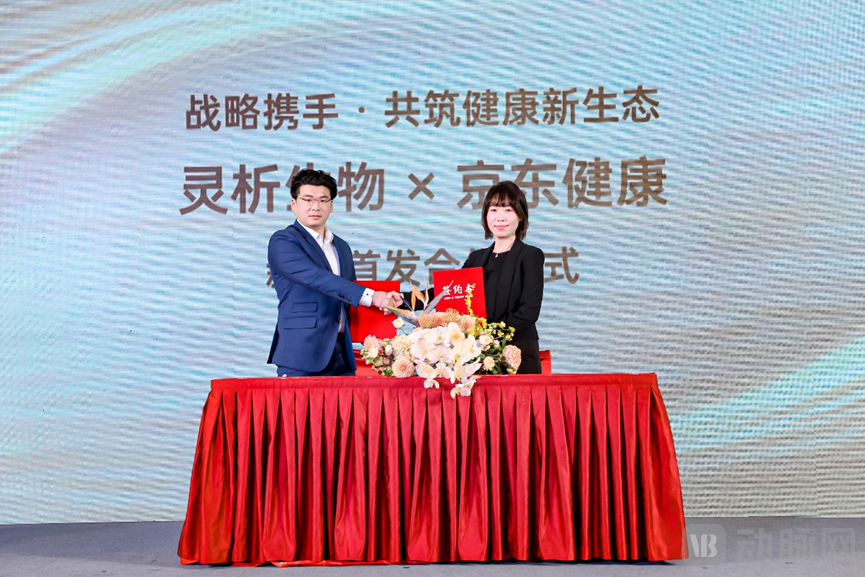
Lingxi Bio Signs New Product Launch Cooperation Agreement with JD Health
The fourth is the globalization path:For Chinese enterprises aspiring to become global health technology brands, going overseas is an inevitable challenge and a matter of survival. The overseas strategy of Lingxi Biotech fully reflects pragmatism and wisdom. Peng Zhifeng divided the global market into three tiers: the most profitable but highly competitive markets in Europe and America; emerging markets with significant growth potential and relatively friendly regulatory environments such as the Middle East, Southeast Asia, and Eastern Europe; and other markets that require special approaches to enter.
Lingxi Bio chose the classic "encircle the cities from the countryside" approach. They are not in a rush to forcefully penetrate the core markets of Western Europe and North America, which are heavily guarded by international giants and complicated by geopolitical factors. Instead, they have targeted the Middle East (such as the UAE, Saudi Arabia), Southeast Asia (such as Singapore, Indonesia), and some Eastern European countries as their first stop for overseas expansion.
Peng Zhifeng explained to VCBeat that these markets share common characteristics: a high incidence of chronic diseases (especially diabetes and cardiovascular diseases), uneven distribution of medical resources, an urgent demand for innovative medical solutions, and a relatively high acceptance of Chinese technological products. Lingxi plans to establish regional marketing centers in these areas, engage in in-depth operations, and create benchmark cases.
For the "toughest" European and American markets, Lingxi Biotech adopts a long-term and patient "indirect" strategy: on the one hand, it indirectly penetrates through local compliant partners to avoid direct competition; on the other hand, it adheres to product strength as the core, participating in international standard-setting, obtaining authoritative certifications such as FDA/CE, and accumulating clinical evidence as the fundamental path to entering the high-end market.
Facing the challenge of possible cross-border entries from giants like Huawei and Xiaomi, Peng Zhifeng remains cautiously confident. He pointed out that there is a natural industry barrier between consumer electronics and professional medical devices. Medical equipment requires lengthy clinical validation and rigorous approval processes, as well as establishing in-depth doctor-patient communication and professional service systems—capabilities that cannot be quickly replicated through traffic or general technology alone. As he stated, the successful model of consumer internet cannot be directly transplanted to the medical field, as their strategic logic and organizational DNA differ fundamentally.
Lingxi Bio's confidence stems from its focus on the medical field. Peng Zhifeng stated that the addition of Academician Zhang Yuanting not only brings algorithms but also connects to top clinical and academic resources.This deep binding of "industry-university-research-medicine" constitutes a barrier that consumer electronics companies will find difficult to cross in the short term.Lingxi's strategy is: Before the giants fully enter, establish sufficient professional depth and irreplaceability through continuous innovation and ecosystem construction.
Lingxi Bio's approach provides a hopeful model for the industry, but its challenges are equally prominent. There is a natural friction between the conservatism of the healthcare industry and the radical innovation of technology; the "Sword of Damocles" regarding data privacy and algorithmic security always looms overhead; in the journey towards globalization, geopolitical issues and differences in regulatory cultures present a gap even more difficult to bridge than technology itself.
Although there are numerous challenges, the transformation from equipment providers to health management ecosystem definersLingxi Bio's "Hardware + AI" strategy not only addresses the pain points of inaccurate data and delayed intervention in consumer-grade devices but also achieves true intelligent health management through the deep integration of the Dr. PAI large model with continuous monitoring. At the tipping point of digitalization in healthcare, Lingxi Bio is rewriting industry rules with a triangular balance of technological leadership, clinical trust, and ecosystem expansion.