

Health 100 Takes the Lead: AI Empowerment Ushers in a New Era of Intelligent Health Management!
health 100
Medical Examination Service Provider
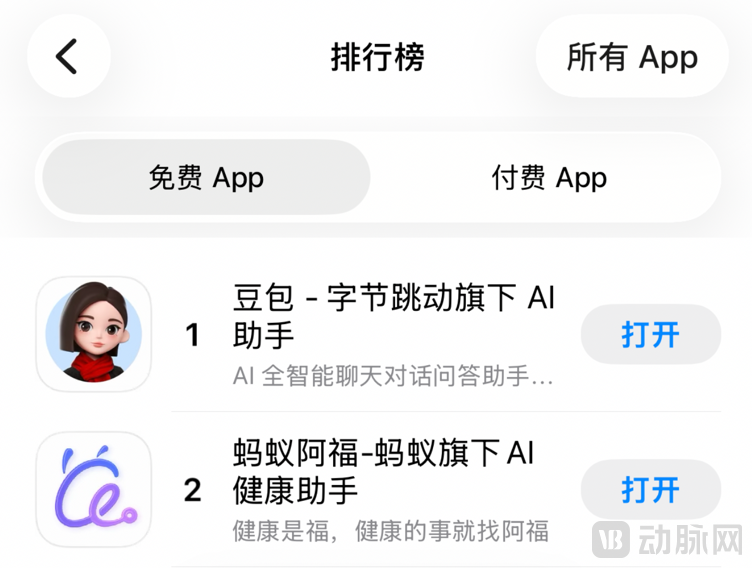
Figure 1. "Ant Happy" quickly climbed to the 2nd place on the Apple App Store's free chart.
Recently, an AI health app called "Ant Alfo" has quickly gained popularity, whether it's in offline elevators and shopping malls or on online platforms like Weibo and video sites, "Alfo" seems to be everywhere. The latest data shows that as of January 2026,"AFu" now has 30 million monthly active users, doubling the number from a month ago when the brand was upgraded, marking an explosive growth. It has now become China's largest health management AI APP.。
This is not just superficial; as a national-level AI health application heavily invested in by Ant Group, this groundbreaking AI product not only boasts over ten million monthly active users but also reshapes the new landscape of the "AI + Health Management" market, unlocking the commercial potential of the entire industry. In this wave, health 100, China's leading enterprise in preventive medicine with nearly 300 million medical-grade physical examination data records, a nationwide network covering nearly 600 offline service centers, and a mature AI product portfolio, has undoubtedly become a core beneficiary, accelerating its transformation into a "Medical-Grade AI Health Manager."
According to the latest quarterly report released,In the first three quarters of 2025, the AI-related business revenue of Health 100 was approximately 250 million yuan, a significant increase of 71.02% compared to the same period last year. This further expanded the growth rate of 62.36% seen in the first half of the year, demonstrating a very strong overall growth momentum and verifying the commercial feasibility of its model.Therefore, the market expansion brought by "Ant Financial Alipay" is expected to further drive a significant increase in Health 100's performance.
This may only be the beginning. As the national-level promotion of the AI healthcare strategy deepens and Health 100's AI strategy gradually transitions from the technical application stage to the value creation deep waters, its potential in the AI field will be further unleashed, and future performance returns are expected to grow exponentially.
So, how did all of this begin?
Why is Health 100 Focusing on AI?
As early as 2017, when medical AI was still in the early exploration and pilot stage globally, Health 100 stepped out of its comfort zone and promoted the application of AI-assisted diagnosis for pulmonary nodules, which was regarded as the beginning of its AI industrialization layout.
Immediately following in 2021,Health 100 Proposes "All in Digital" Strategy; Three years later, in May 2024, it once again upgraded this strategy to "All in AI," officially announcing its full embrace of AI and accelerating the transformation towards an "AI + Health Management" service platform.
This is not easy. As a leading professional health examination and medical service group in China, Health 100, which went public in 2015, has already established a vast service network covering the entire country.Currently, it has nearly 600 offline health examination centers and more than 52,000 employees., such a heavy-asset-based physical service system faces far greater challenges in pivoting towards profound digital transformation and intelligent integration compared to many tech companies that are more agile.
So, why is Health 100 taking this "risk"?
The first point, of course, is to actively respond to the national strategy of "AI + Healthcare."In November 2025, five departments including the National Health Commission jointly issued the "Implementation Opinions on Promoting and Regulating the Application Development of 'Artificial Intelligence + Medical and Health'", explicitly stating that by 2027, a national-level AI health data infrastructure should be established. This aims to drive the industry's expansion from single online consultations and report interpretation to full-scene applications such as preventive interventions, chronic disease management, and family health services. As a leading enterprise with nearly 300 million person-times of medical-grade physical examination data, Health 100 (Meinian Onehealth Healthcare Holdings Co., Ltd.) naturally takes on the responsibility of accelerating the implementation of "AI + Health Management" in the field of physical examination services.
Secondly, it is necessary to adapt to the ever-evolving demands of the market, such as personalized diagnosis and treatment, as well as whole-life-cycle health management services.In the past decade, the health awareness of Chinese people has significantly improved. The focus on personal health has gradually shifted from "passive treatment" in the past to an accelerated transformation towards "active prevention, early intervention, and systematic management." Moreover, they are no longer satisfied with standardized medical services but instead have higher expectations for personalized diagnosis and treatment plans that cater to individual needs ("different solutions for different individuals").
This undoubtedly brings new challenges to the entire health management industry. However, the integration of AI technology can provide a breakthrough: On one hand, AI can customize a full-cycle health management plan for each individual—from prevention, diagnosis, and treatment to rehabilitation—by deeply learning from massive medical data and conducting precise analysis. On the other hand, its powerful computing capabilities and predictive models can identify disease risks in advance, enabling early warnings and dynamic interventions, truly transforming health management from "reactive response" to "proactive protection." Health 100 recognized this early on, so it took the lead in experimenting and quickly formulated an "All in AI" corporate strategy.
The last point lies in the new challenge posed by the times to the industry: how to transform scattered medical data into continuous health value, which is pushing Health 100 to accelerate its transformation into a "medical-grade AI health管家".Currently, the entire healthcare industry is at a critical stage of transitioning from digitalization to intelligence. "Health management," being the closest, most frequent, and continuously data-driven entry point for users, naturally becomes the optimal breakthrough for AI technology to be applied in medical use and achieve a value loop.
And in the process of this industry reshaping,Health 100 has built a closed-loop system of "data collection - scenario validation - technology optimization" based on the dual advantages of data and scenarios.Specifically, nearly 600 offline physical examination centers across China not only serve as data sources but also provide real-world application scenarios for AI technology, avoiding "technological suspension." Additionally, tens of millions of precise traffic users with high willingness to pay for health management services each year lay a solid foundation for the commercialization of AI products. Moreover, the increased public health awareness brought by "Ant Alipay" further amplifies the commercial potential of Health 100's "Physical Examination + AI + Health Management" model.
In this regard, Yu Rong, Chairman of Health 100, stated: "AI Brings Equality to Healthcare, and We Are Leveraging AI to Rewrite the Term 'Physical Examination' into 'Health Productivity'。”
Health 100 "AII in AI", Where is AII?
In 2022, Health 100 proposed the strategic goal of "building a new Health 100 in three years," with AI being a key initiative. Coincidentally, the recently concluded 2025 marks the final year to fulfill this commitment. So, from a results-oriented perspective, in which dimensions has Health 100’s AI strategy been implemented? And what kind of report card has it delivered? Through a comprehensive review of Health 100's AI strategy in recent years and interviews with several senior industry figures, VCBeat has distilled three important aspects:
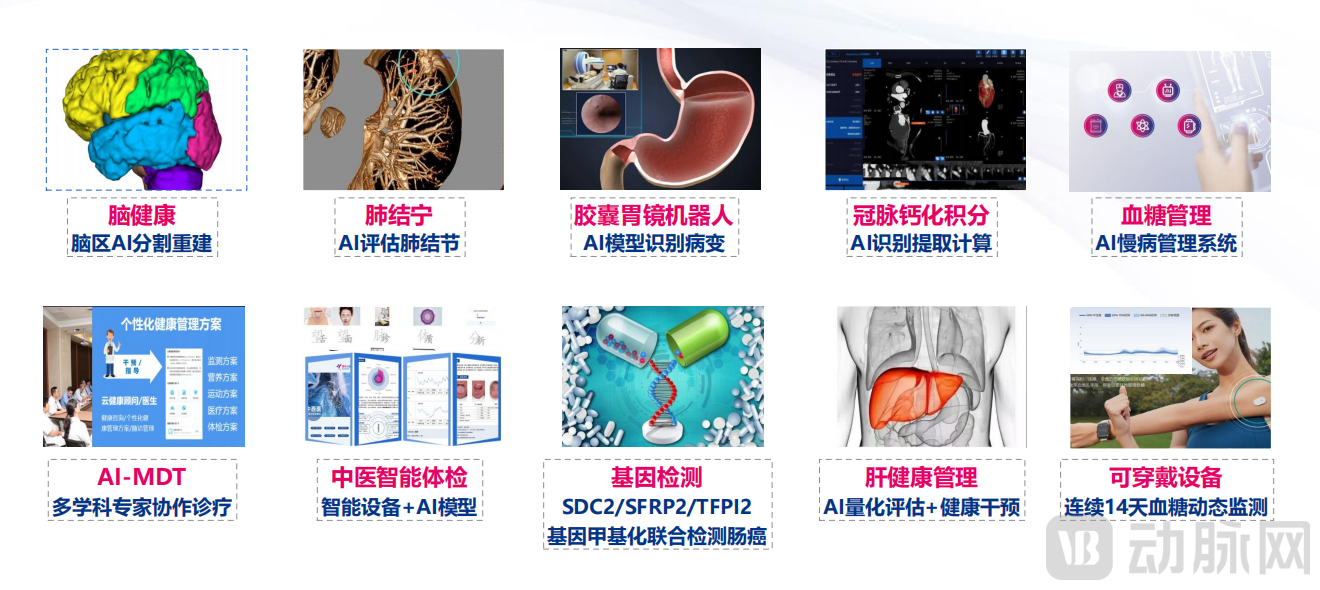 Figure 2. Health 100 has formed a full-process health management product matrix
The first level is in innovative products, where Health 100 has formed a full-process health management product matrix through AI.. Since 2022, Health 100 has continued to launchLungPeace, BrainWisdom, CT Coronary Artery Calcium Scoring, Hematology ClockA series of AI-specialized and sophisticated new products, among which "Lung Peace" enhances the early detection rate of lung nodules, "Brain Wisdom" aids in the early warning of cerebrovascular diseases, especially focusing on key screenings for Alzheimer's disease and senile dementia, and "CT Coronary Artery Calcium Scoring Detection" balances efficiency with comprehensiveness. Each product focuses on different disease areas, primarily utilizing AI technology to achieve precise screening and in-depth health management for specific diseases, as well as forming a closed loop of screening + intervention.
Taking the innovative product "BrainRuijia" developed by Health 100 in the neurocognitive field as an example, it is based on multiple examination items such as specialized MRI scans, scales, genetic tests, and blood tests.Integrating over 30 dimensions including genetics, molecular metabolism, brain structural imaging, behavior, emotion, and lifestyle, etc., with more than 100 quantified analyses of brain regions and plaque stability assessment technology, it can calculate the 10-year risk of cognitive function impairment and the 10-year risk of stroke., truly achieving early detection and early treatment. It is worth mentioning that brain health is also a key strategic direction for Health 100 in 2026.
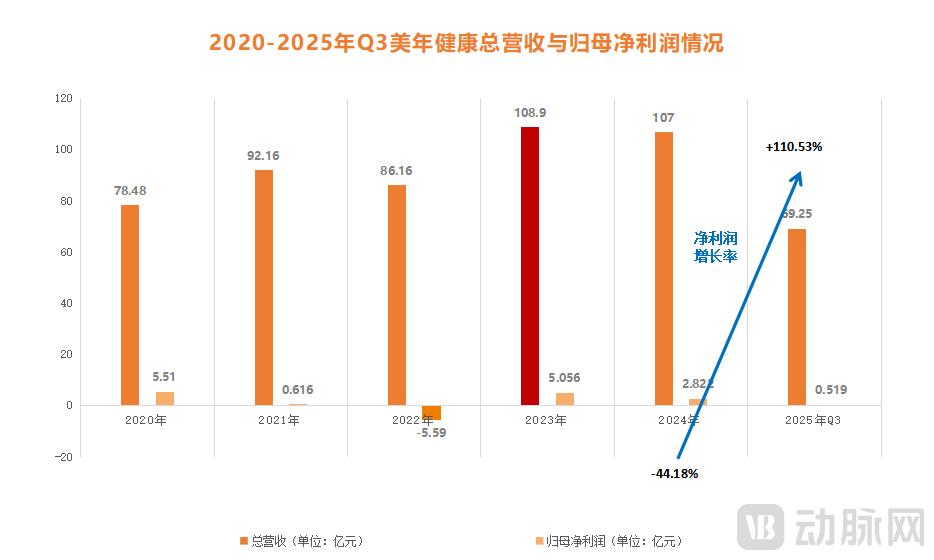 Figure 3. Health 100 Total Revenue and Net Profit Attributable to Shareholders from 2020 to Q3 2025 (Data Source: Annual Reports of the Company)
Currently, these innovative AI products have brought significant performance growth and brand premium to Health 100. According to data released in October 2024, the cumulative number of people served by "Fei Jie Ning" has exceeded 100,000, covering 130 cities; the number of people screened by "Nao Rui Jia" has exceeded 200,000, covering more than 220 cities, with an abnormal detection rate of 14% for medium-to-high risk cases. The outstanding performance has also enabled Health 100’s performance to quickly enter the realization phase.In 2023, one year after the launch of these products, Health 100 achieved revenue exceeding 10 billion yuan for the first time—during this period, the company generated 10.9 billion yuan in revenue, representing a 26% year-on-year increase. Additionally, the number of customers increased by 13%, and the average spending per customer grew by 11%, achieving simultaneous growth in both volume and price. This resulted in Health 100's net profit surpassing 500 million yuan in 2023, marking a 190.45% year-on-year increase.。
The second aspect is reflected in operations, where Health 100 utilizes AI to achieve refined enterprise management and strengthen digital marketing.First, let's talk about refined management. In July 2022, Health 100 officially launched its self-developed Bianque Intelligent Health Examination Management SaaS cloud platform, marking the first time since its establishment that AI has been used to achieve full-process digitalization and intelligent management of health examinations. It is reported that the Bianque system is a core platform built on cloud computing, big data, and artificial intelligence technologies. It can carry out full-link, standardized intelligent control and optimization for various aspects of the health examination process, including appointment scheduling, registration, examination, report generation, and health management, achieving a service upgrade from single health check-ups to whole-cycle health management.
In addition, focusing on the field of digital marketing, Health 100 launched an AI-powered intelligent sales assistant in 2024, which is built on large model technology. This assistant integrates professional medical knowledge support, high emotional intelligence, and highly anthropomorphic interactive capabilities. It can understand user needs in real time, build dynamic profiles, and provide personalized health guidance and solution recommendations throughout the entire service process, promoting marketing conversion and upgrading service experience.
In the latest released Q1-Q3 2025 earnings report,Although Health 100's total revenue decreased by 3.01% year-on-year, the net profit attributable to shareholders surged by 100.53%. This is inevitably closely related to the improvement in operational efficiency and cost optimization driven by AI technology, with a significantly enhanced effect on cost reduction and efficiency improvement.。
The third level is embodied in the reshaping of the service system, that is, Health 100 relies on AI technology to build a comprehensive health management closed loop for users covering pre-examination, during examination, and post-examination.In August 2024, at the 20th anniversary celebration of Health 100, it officially launched "Health Xiao Mei," the first intelligent private health manager in China based on large model technology.
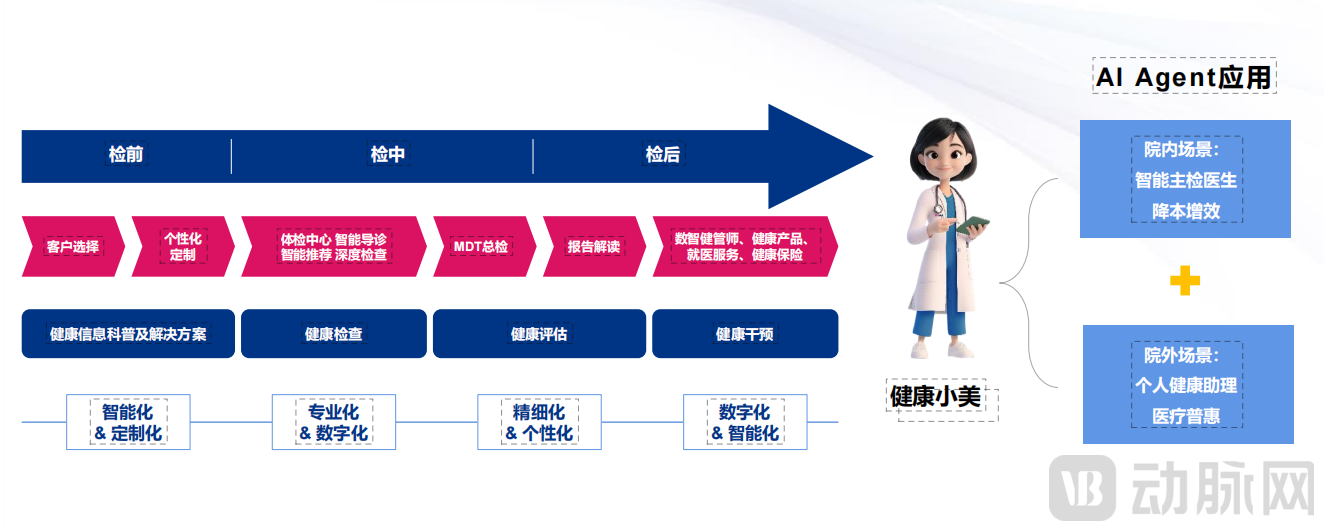 Figure 4. "Healthy Little Beauty" Deeply Embedded in Health 100's Full-Process Service System
As an important achievement of Health 100 in fully implementing the "All in AI" strategy, "Healthy Little Beauty" carries the "five-all" functions:全流程高品质服务 (full-process high-quality service), 全生命周期数字健康档案 (digital health records for the entire life cycle), 全方位个性化健康计划 (comprehensive personalized health plans), 全天候专业健康咨询 (round-the-clock professional health consultation), and 全交互式多模态感知融合 (full-interactive multimodal perception fusion). Specifically, "Healthy Little Beauty," supported by advanced large model technology, can respond to user needs at any time and meet users' health needs in real-time through multimodal interaction methods such as text, images, voice, and video. Additionally, through a three-dimensional digital twin that visualizes individual health check results, it can provide real-time reminders of users' health status. It can also actively remind users to execute health plans on time via smart wearable devices, offering users a new way of full-interactive health management.
As of now,"Health Little Beauty" AI Intelligent Chief Examination System Has Been Launched in Nearly 300 Physical Examination Centers Across China, with an Accuracy Rate of 95% for AI Chief Examination Conclusions and SuggestionsIt is reported that the system has reduced the median of average working hours for report review to 0.7 minutes, accelerated the overall process from receipt to completion to 17.3 hours, improved efficiency by over 50%, and significantly reduced cost consumption. Taking Beijing Ciming as an example, the application of intelligent chief inspection has reduced personnel demand by 22 people, achieving cost savings of approximately RMB 3.459 million, fully demonstrating the optimization capability of AI technology on human resources.
As an important achievement of Health 100 in fully implementing the "All in AI" strategy, Xiao Mei is China's first health management AI robot developed by Health 100. Relying on advanced large model technology, it simulates a constantly available private health partner, empowering the entire service process from pre-examination to post-examination. After the health check-up, Xiao Mei helps clients establish an exclusive lifelong digital health record, analyze health data, update in real-time, and provide lifelong companionship. Behind Xiao Mei, the AI-MDT multi-disciplinary expert consultation service acts as the supporting "professional think tank." Rooted in evidence-based medicine, it integrates knowledge from over 16 medical disciplines, the experience of nearly 100 clinical experts, and the latest domestic and international clinical guidelines and expert consensuses into a robust medical knowledge graph and model application.
Moreover, ""Health 100" AI Intelligent Chief Examination System Designed for Doctors Has Been Launched in Nearly 300 Physical Examination Centers Across China, with an Accuracy Rate of 95% for AI Chief Examination Conclusions and Recommendations.It is reported that the system has reduced the median of the average working hours for report review to 0.7 minutes, accelerated the entire process from receipt to completion to 17.3 hours, improved efficiency by over 50%, and significantly cut cost consumption. Taking Beijing Ciming as an example, through the application of intelligent primary inspection, the personnel demand was reduced by 22 people, achieving a cost reduction of approximately 3.459 million yuan, fully demonstrating AI technology's ability to optimize human resources.
This shows that Health 100's AI strategy is not just limited to simple efficiency tools or auxiliary diagnostics. Instead, it transforms dormant体检 reports into dynamic health data assets through AI,打通 the entire service闭环 of "screening-diagnosis-intervention-follow-up," and reestablishes a new patient-centered medical service paradigm.
In the fierce market competition, how does Health 100 use AI to break the deadlock?
A common judgment in the industry is that,AI Will Be an Important Driver of Growth in the Healthcare Industry Over the Next Decade。
This is not a baseless guess but an inevitable trend driven by the convergence of data, technology, and demand. As the healthcare service sector was the first to adopt AI and has already established a mature industrial chain, the health management market is about to enjoy a wave of development dividends. According to forecasts by "iResearch",It is estimated that by 2028, the market size of health management in China will exceed 3 trillion yuan, with a compound annual growth rate of 12.5% from 2023 to 2028.。
This is clearly a huge market, thus currently attracting numerous competitors. Among them are internet giants who prioritize traffic, a large number of technology companies supported by core technologies, and of course, industry leaders like Health 100, which is vertically entrenched in the healthcare sector. So, in such foreseeable fierce competition, what are Health 100’s chances of success?
In this regard,Yu Rong, Chairman of Health 100, stated in March last year that "data barriers," "product strength," and "efficiency and experience" are the three pillars for Health 100 to achieve its new three-year goal of "from excellence to greatness," as well as the foundation for building an AI moat.。
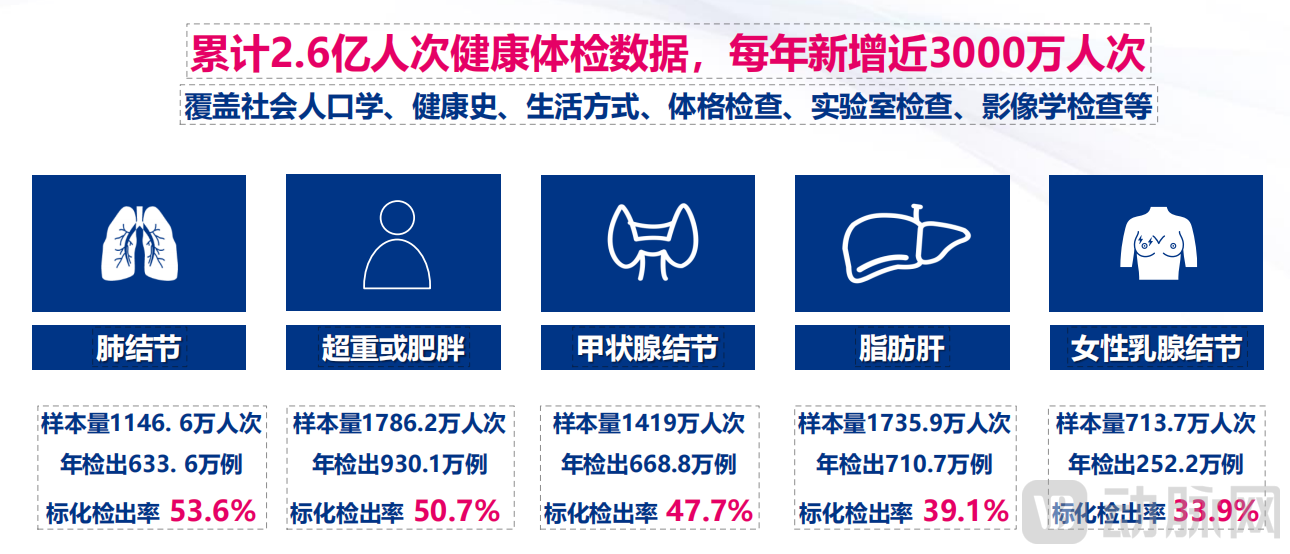 Figure 5. Health 100's Vast and Solid Health Data Barrier
First, Focus on "Data Barriers": The data for traditional large medical models mainly comes from user narratives and online consultations, showing fragmented and non-medical-grade characteristics. However, Health 100, relying on nearly 300 million person-times of physical examination data and serving over 25 million people annually, has accumulated multi-dimensional medical-grade data including imaging, biochemical, physiological indicators, lifestyle, and more. Particularly crucial is that this data focuses on healthy and sub-healthy populations, compensating for the lack of "sick data" in traditional medical institutions. It can capture early signals of diseases, providing high-quality training material for AI predictive models. The National Key R&D Program "Health Examination Big Data Cloud Platform" project led by Health 100 has gathered health data exceeding 130 million person-times, laying a foundation for the continuous optimization of large AI models.
Besides,Since 2022, Health 100 has consecutively released the "Annual Health Checkup Big Data Blue Paper" for three years, encompassing nearly 80 million individuals undergoing health checkups and covering all 31 provinces, autonomous regions, and municipalities in China (excluding Hong Kong, Macao, and Taiwan). These continuous, comprehensive, and professional data sets are regarded as the "golden material" for AI training and have become an irreplicable core barrier for Health 100 in the AI era.。
Building on this foundation, Health 100 actively collaborates with top research institutions to enhance data quality. To this end, Health 100 plans to establish 50 research-grade health examination centers across China, aiming to develop them into core platforms for academic innovation and external scientific research cooperation.
Currently, the value of this "data asset" is entering a period of full-scale explosion: On one hand, its multimodal health data covering the entire population and spanning regions precisely meets the core needs of innovative pharmaceutical companies to overcome R&D challenges. It is expected to reduce R&D costs for pharmaceutical enterprises. Currently, the company has established stable scientific research cooperation with multiple well-known pharmaceutical companies, and the data licensing business model has been preliminarily validated. On the other hand, with the deep integration of AI technology, this data can be transformed into high-value outputs such as disease risk prediction models and personalized health management solutions. Collaborating with leading AI enterprises to develop intelligent screening and chronic disease management in specific application scenarios, the service scope continues to expand. In the future, as the medical data market size approaches the 100-billion-yuan level, combined with ongoing policy support for the application of real-world evidence, Health 100's data scarcity and commercial potential will further stand out. The secondary market is expected to fully recognize its composite value of "data + AI + healthcare," and the hidden dark horse value is likely to be fully acknowledged.
Secondly, we need to mention "product strength."In order to better explore clinical real needs, Health 100 has fully built eight key discipline constructions including intelligent ultrasound, intelligent chief examination, brain science, respiratory/lung health, digestive tract health, breast/cervical screening, blood glucose/obesity/fatty liver management, anti-aging detection/gene box, etc. On this basis, by combining with technology-driven approaches, it continuously launches "specialized, refined, distinctive and innovative" product series and characteristic health management tools, such as Brain Ruijia, Lung Jiening, Capsule Gastroscope Robot, etc., which have successfully entered the market and achieved rapid commercial value transformation.
Reporters noticed that in November 2025, Health 100 released the first AI aging assessment product in China based on routine体检 data——"Hematology Clock". This innovative product, developed over many years and relying on hundreds of millions of health big data and cutting-edge AI algorithms, has completely broken through the technical barriers of traditional aging assessment that depend on high-cost omics testing. It pushes scientific anti-aging from high-end research and niche consumption scenarios into the field of public health management, gradually leading the construction of a one-stop longevity medicine health management service ecosystem covering 'in-depth physical examination + precise assessment + personalized intervention'.
Finally, focusing on "efficiency and experience," this mainly refers to Health 100's strong delivery capability at the AI strategy level.At present, through the deep integration of AI technology, Health 100 has formed a closed-loop health management service covering the entire chain of "screening-assessment-intervention-monitoring," demonstrating significant efficiency improvements and optimized user experience on the clinical side. Meanwhile, it has also achieved remarkable results in market-oriented commercial testing, further validating the feasibility of its technical approach and the superiority of its business model. As China's AI healthcare strategy continues to deepen, industry competition will increasingly focus on professional, continuous, and verifiable health data assets. With its closed-loop data ecosystem, offline service network, and AI technology implementation capabilities, Health 100 has built a strong competitive barrier.
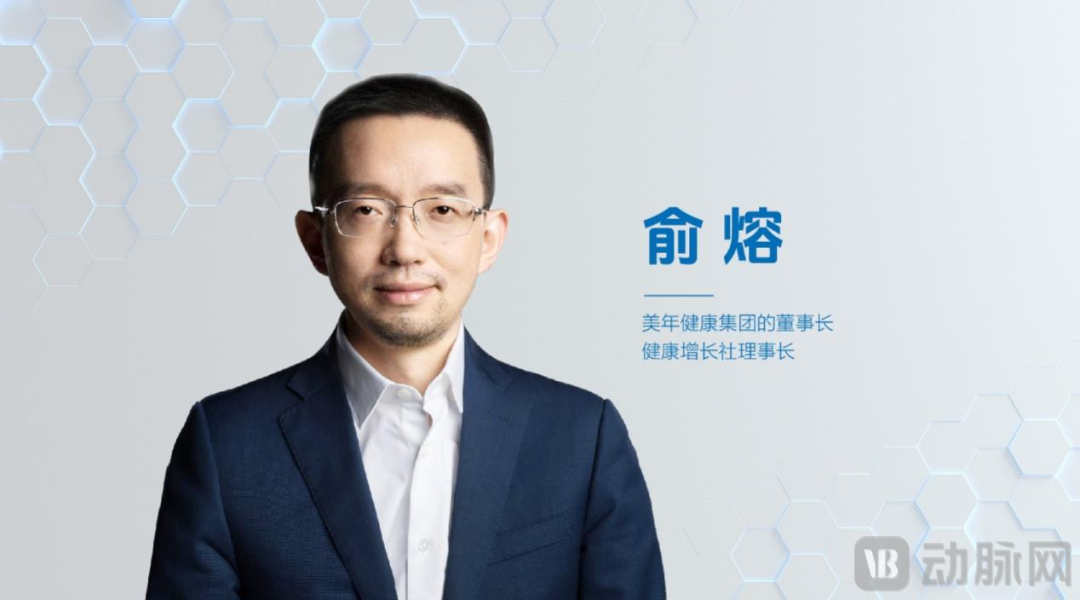 Figure 6. Yu Rong, Chairman of Health 100
Looking Forward to the Brand-New 2026, Health 100 Has More Room for Imagination. At the Start of the New Year, Yu Rong, Chairman of Health 100, Mentioned in His New Year Greeting"Four Major Transformations":On the corporate side, the shift is from single annual health checkup services to comprehensive health protection; on the individual side, the transition is from standardized packages to AI-driven personalized customization and specialized blockbuster products; within hospitals, traditional health checkup services are upgraded to intelligent scenarios of "precise checkups + light treatment + comprehensive medical services"; outside hospitals, report delivery evolves into long-term health services that deeply integrate "AI health management doctors + specialized disease solutions."
In order to support this strategic leap,Health 100 has also established the "Three Major Themes": the "Year of Transformation," firmly implementing the "All in AI" strategy to achieve a systematic reshaping from mindset to organization; followed by the "Year of Growth," using AI and big data as dual drivers to propel the "exponential growth" of health management efficiency; and finally, the "Year of Renewal," leading the industry into a new era of precision and personalization through the upgrading and renewal of "brand, product, traffic, and experience."。
We have reason to believe that, as policy tailwinds combine with the upgrading of nationwide health demands, Health 100, the leader in preventive medicine, is leveraging AI to achieve a closed-loop leap from "screening" to "intervention," turning every health check into personalized, trackable, and predictive digital health assets, thereby reshaping the valuation benchmarks of the billion-dollar health management market.Obviously, the revaluation of Health 100 may have just begun.。