

TR MED-3D: Entering the Precision Medicine Market through 3D Printing, Completes Tens of Millions in Pre-A Funding
TR MED-3D
3D Printing Total Solution Provider
The 3D printing market scale is further expanding.
From a global market perspective, according to the "Wohlers Report 2024," the global 3D printing market size exceeded 20 billion USD in 2023 and is expected to reach 27.7 billion USD by 2025, with a CAGR of 16.1% from 2021 to 2025. According to data from China Business Intelligence, the 3D printing market size in China reached 36.7 billion RMB in 2023, with a CAGR of approximately 23.45% from 2019 to 2023, and it is expected to exceed 40 billion RMB in 2024.
As the 3D printing market continues to grow, the ongoing improvement in 3D printing efficiency is also driving the expansion of downstream applications – among which the performance in the medical field is particularly remarkable:Data shows that in 2024, the medical field accounted for 13.7% of applications, ranking among the top three in the global 3D printing industry.
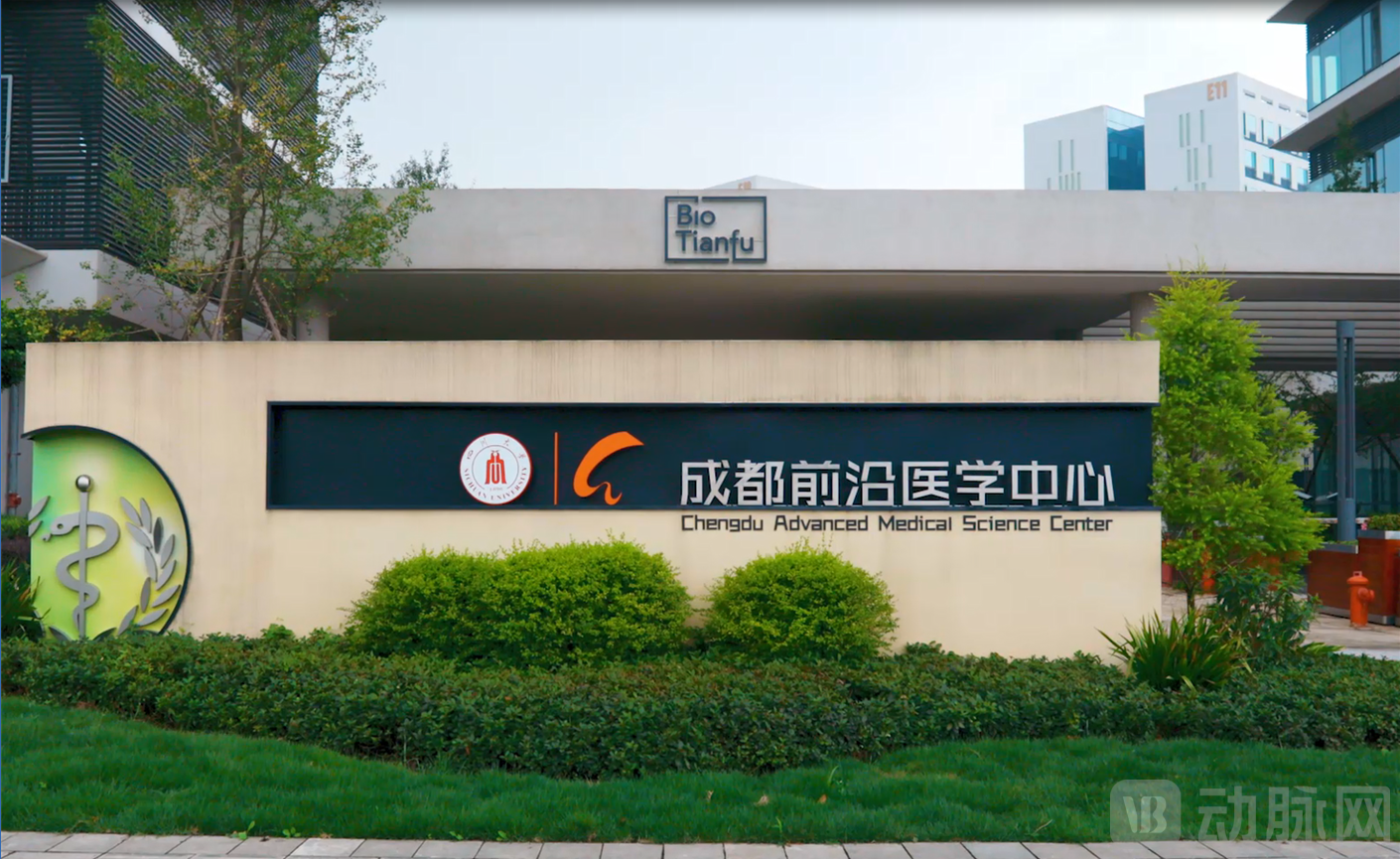
TR MED-3D is located on the 2nd and 3rd floors of Building E9, Chengdu Frontier Medical Center.
And inTR MED-3D (hereinafter referred to as "TR MED-3D") Founder and CEO Huang YongIt seems that the rapid development of the industry is inseparable from the following factors:
On the one hand, there is the rapid growth in demand from both doctors and patients. From the patient perspective, with China’s rapid economic growth, a large number of patients have higher expectations for medical quality, hoping to access more precise, personalized, and better-experience treatment plans. From the doctor perspective, most existing products in fields such as orthopedics and rehabilitation are generic and standardized, and clinicians hope to provide more personalized treatment solutions for their patients. Moreover, doctors often generate innovative product ideas during clinical practice, but traditional technologies cannot meet the needs of doctors for scientific research and innovation.
On the other hand, additive manufacturing (3D printing) technology perfectly meets the needs of doctors and patients. Compared with traditional processing methods, the advantages of 3D printing technology lie in no need for mold opening, high material utilization, short product realization cycles, and the ability to achieve mold-free, rapid, and fully dense forming of high-performance complex structural parts. It makes personalized and precise treatment plan design and implementation possible.
Guidance-oriented policies have further fueled the industry's development. "Looking at the U.S. market, in 2015, Obama proposed the 'Precision Medicine' initiative in his State of the Union address, emphasizing the formulation of individual treatment plans based on patients' individual characteristics, further driving advancements in areas such as genetic testing, surgical robots, targeted drugs, and personalized treatment; from the perspective of the domestic market in China, in 2015, the State Council issued 'Made in China 2025,' proposing to focus on innovative fields such as additive manufacturing (3D printing), new materials, and biomedicine for strategic planning, boosting the entire industry’s growth. Moreover, China has rapidly rolled out various policies to support the development of medical 3D printing. The extent and speed of policy support are relatively rare."
Based on his understanding of additive manufacturing technology, insights into its development prospects, and over two decades of experience in the medical industry, Huang Yong keenly realized that the era of personalized treatment as a rigid demand in the healthcare field was beginning. However, the "east wind" arrived in 2018 — at that time, the national level accelerated the establishment of a precision medicine industry innovation center, and 3D printing technology was identified as one of the key categories. Huang Yong seized this "opportunity" and co-founded TR MED-3D with Huafu High-Tech, China's leading additive manufacturing enterprise. Since then, the medical 3D printing sector has welcomed a hardcore practitioner with multi-dimensional capabilities.
Since its establishment in 2018, TR MED-3D has been steadily advancing with rapid exploration.
In 2020, TR MED-3D collaborated with Sichuan Provincial People's Hospital to co-build a Joint Research Center for Medical 3D Printing, marking the birth of a new business model in the industry.
In 2022, TR MED-3D reached a cooperation in achievement transformation with West China Hospital of Sichuan University, successfully transforming the patented technology of the thoracic surgery team and obtaining its first innovative medical device registration certificate "Pulmonary Nodule Localization Model (Sichuan Medical Device Approval No. 20222020192)." This achievement enabled doctors to participate in the entire process of innovative product design, development, verification, and application, bridging the "last mile" from patent to product and from laboratory to clinical application, realizing a perfect closed loop from "medical-engineering integration" to "achievement transformation."
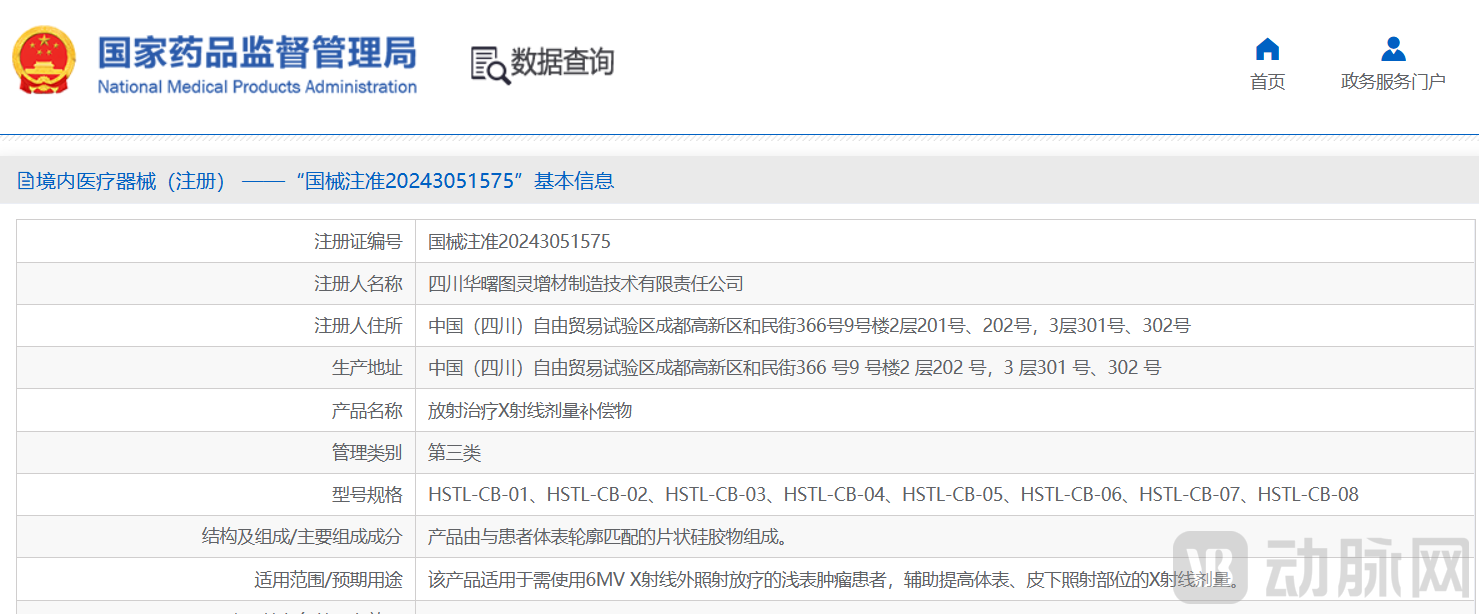
In 2024, TR MED-3D's independently developed key product for precise tumor radiotherapy, the "Radiation Therapy X-ray Dose Compensator," obtained the Class III Medical Device Registration Certificate (Approval No. 20243051575), making TR MED-3D the first Chinese company to independently develop and receive a Class III medical device registration certificate for a radiotherapy tissue compensator (Bolus). From this point on, TR MED-3D’s new business model has officially "taken off."
Behind the rapid development, TR MED-3D offers different solutions to the common question faced by industry practitioners: "How to enter the medical 3D printing track."
According to Huang Yong, TR MED-3D was not the first company in the market at that time to recognize the development potential of 3D printing technology applications in the medical field. At that time, there were two distinct types of practitioners in the medical 3D printing track. One type of company entered the medical field with a single hit product and achieved good results. For example, a certain company’s personalized cranial repair product was popular in more than twenty or thirty countries and regions worldwide. The other type consisted of traditional medical device companies. To better respond to the impact brought by centralized procurement, these companies referred to advanced overseas technologies, applied 3D printing technology to niche areas such as orthopedics, obtained registration certificates, and achieved market expansion.
However, TR MED-3D has other intentions. Since its establishment, TR MED-3D has aimed to become a provider of integrated 3D printing solutions for the entire medical lifecycle.
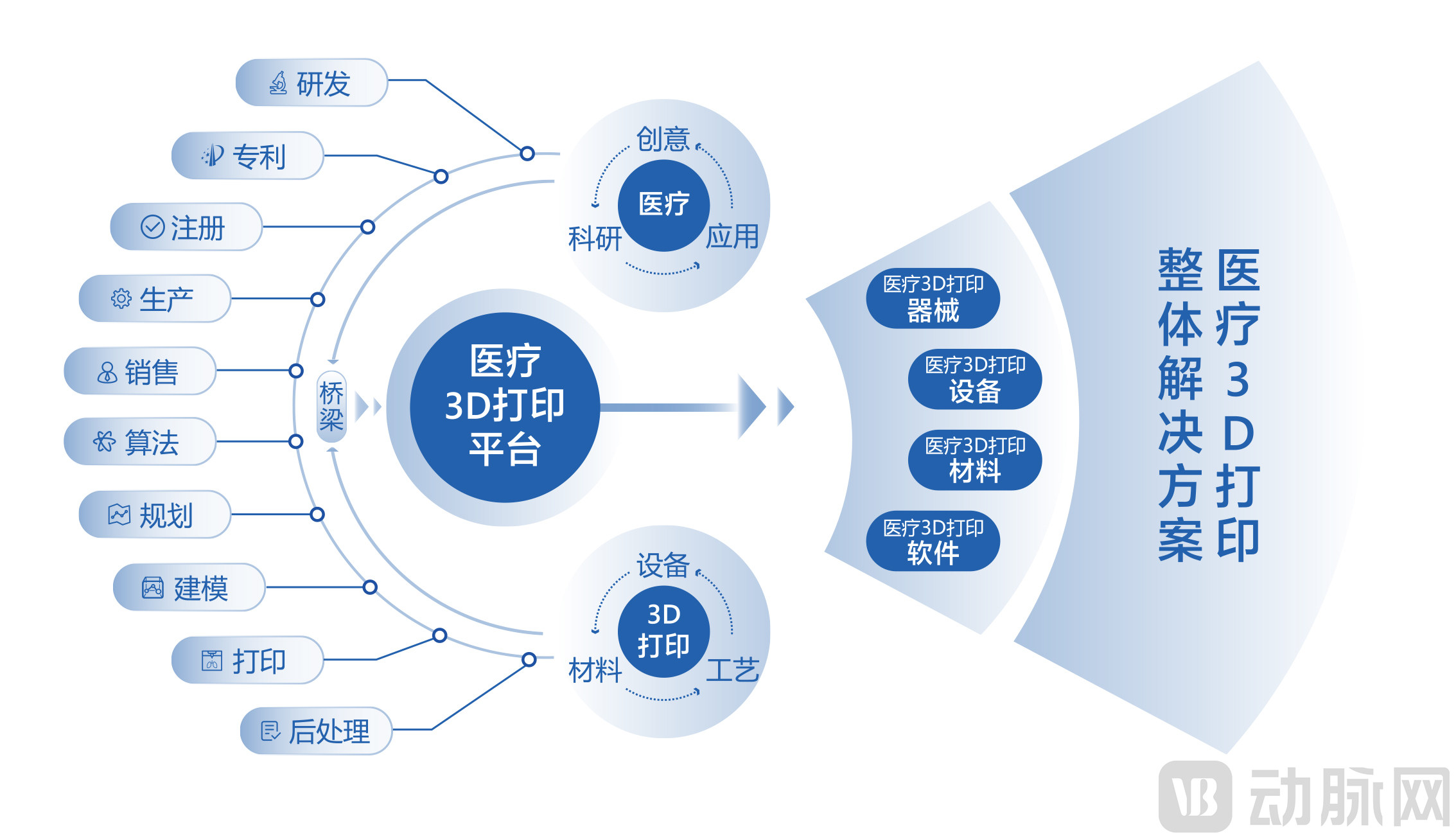
One of the results under this goal-oriented approach is to continuously develop innovative 3D-printed medical devices based on clinical needs, achieving coverage of clinical application products across multiple departments and scenarios.Currently, TR MED-3D has established multiple product pipelines, including a series of products for precise tumor radiotherapy, a series of products for medical imaging digital services, model series products, navigation template series products, intelligent orthopedic series products, implant series products, and modern rehabilitation series products. The number of medical devices successfully developed and marketed by the company has reached 28. Among them, the X-ray dose compensator for radiotherapy, as the first Class III medical device registration certificate for radiotherapy tissue compensator (Bolus) in China, successfully filled the gap in the domestic field of radiotherapy tissue compensators (Bolus). Additionally, the scientific research transformation achievements of the Thoracic Surgery Department of West China Hospital of Sichuan University, "Lung Nodule Localization Model (Sichuan Medical Device Registration Certificate No. 20222020192)," and the Radiation Oncology Department of Sichuan Cancer Hospital, "Modular Brachytherapy Intracavitary Template (Sichuan Medical Device Registration Certificate No. 20252050191)," have both received special approval for innovative medical devices, representing internationally leading scientific and technological achievements.
Building on the above, TR MED-3D is accelerating its efforts to explore clinical needs with market potential. The company is conducting comprehensive, multidisciplinary, multilevel, and multidimensional research in the field of 3D printing for high-end medical devices, continuously developing innovative medical products. According to Huang Yong, the industry currently divides the application of 3D printing in the medical field into five levels. The first level involves the manufacturing of non-implantable devices that meet biocompatibility requirements. The second level focuses on the production of permanent implants made from materials with excellent biocompatibility. The third level includes the creation of tissue engineering scaffolds using biocompatible and biodegradable materials. The fourth level is cell 3D printing technology (used to construct biological structures in vitro). The fifth level is the establishment of in vitro life system engineering. TR MED-3D is actively exploring and experimenting at each of these levels.
The second result under this goal-oriented approach is to provide the clinical field with a comprehensive 3D printing solution for medical applications.This comprehensive solution targets not only the provision of 3D innovative medical device products but also covers medical 3D printing instruments, medical 3D printing equipment, medical 3D printing materials, medical 3D printing software, and more. In terms of equipment alone, TR MED-3D has established the TR MED-3D Additive Manufacturing R&D Base, equipped with 3D printing devices and experimental testing equipment utilizing various types of printing technologies. The 3D printing facilities include: Selective Laser Sintering (SLS), Selective Laser Melting (SLM), Direct Jetting Color Multi-Material 3D Printer (WJP), Laser Solidification Rapid Prototyping (LFS), Stereolithography (SLA), Digital Light Processing 3D Printing Equipment (DLP), Bioprinting Equipment (FDM), as well as related post-processing equipment. It has already developed full-chain industrial capabilities in design and development, achievement transformation, 3D printing production and manufacturing, testing, and inspection.
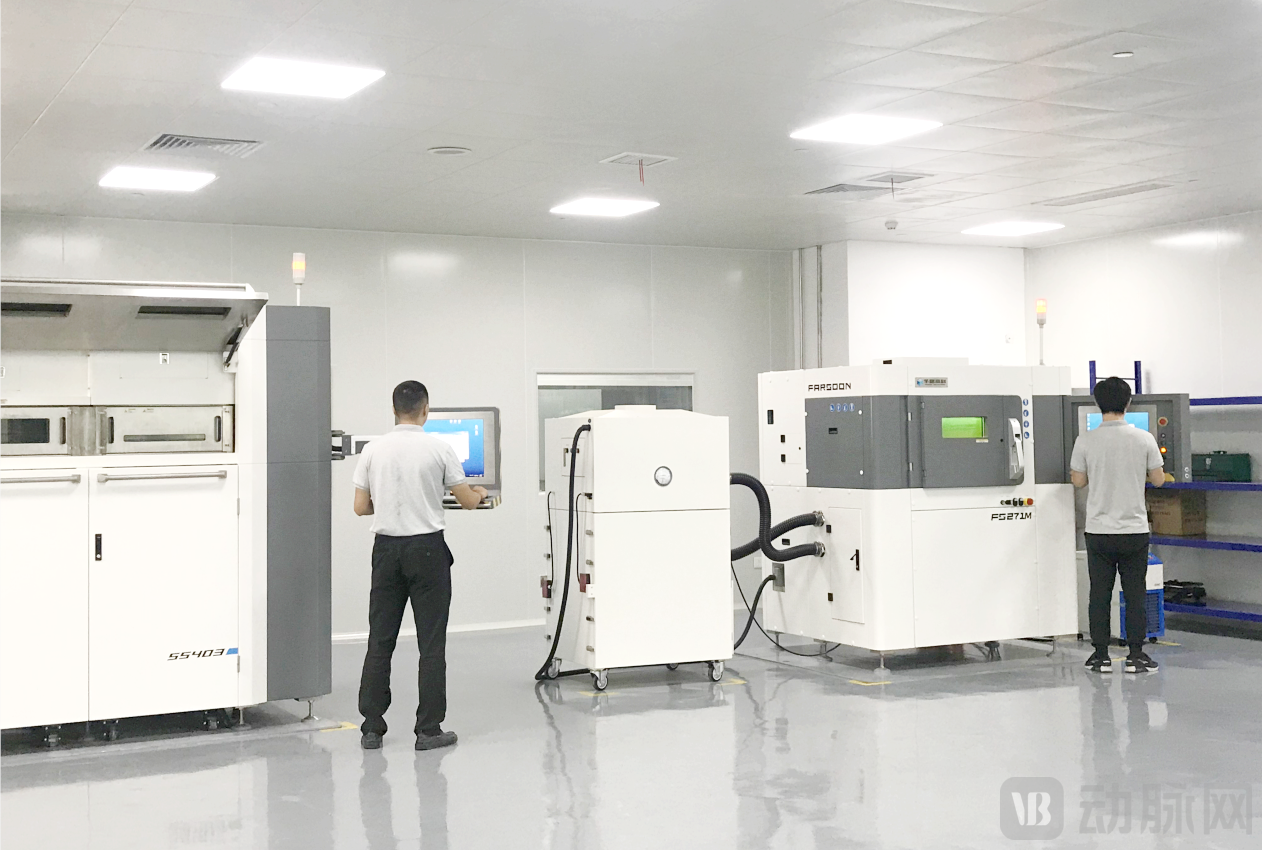
Its unique advantages ensure the rapid provision of solutions: on one hand, TR MED-3D closely interacts with upstream enterprises such as Farsoon Technologies, and manufacturers even adjust relevant performance parameters based on the printing requirements of clinically needed products; on the other hand, TR MED-3D maintains close cooperation with the Polymer Science and Materials College of Sichuan University and academician teams in related biomaterials fields, continuously conducting technical research and scientific collaboration, which provides a foundation for innovation. Additionally, to better address efficiency improvements and other issues, TR MED-3D has developed multiple software system products, including a personalized medical-engineering interaction system, intelligent medical imaging processing software, data fusion transmission systems, etc. With the industrialization of medical 3D printing as the theme, guided by the technical needs of industrial development, and starting from the actual needs of clinical application scenarios, it has built a "medical-industrial-research-application" collaborative innovation ecosystem platform for medical 3D printing.
In November 2025, TR MED-3D secured a Pre-A round of financing worth tens of millions of yuan, led by Luzhou Aerospace Development Group.
The ability to secure financing is related to multiple factors. First, compared to companies that are still "burning cash" on investments, TR MED-3D is continuously generating stable cash flow by providing technical support services to medical institutions, indicating that the company already possesses a "self-sustaining" capability. Second, the scalable benefits brought by its new business model are becoming increasingly prominent. Currently, revenue from individual hospitals served by TR MED-3D continues to grow rapidly. Meanwhile, as it accelerates deployment across various medical institutions, revenue is expected to achieve scalable growth. It is reported that TR MED-3D's current revenue has reached the multimillion-yuan level and is projected to exceed the hundred-million-yuan mark for the entire year of 2026.
The core key lies in the new business model.It actually refers to the continuous development of innovative 3D printing medical device products and the integration of building medical 3D printing centers, with synchronized efforts in related areas. By collaborating with medical institutions and universities to establish joint research centers for medical 3D printing, a "medical-industrial-academic-research-application" deeply integrated innovation platform for medical 3D printing is created. Focusing on the actual needs of clinical application scenarios, it continuously promotes the development of innovative medical devices and the expansion of clinical application scenarios, driving the popularization and advancement of precision medicine.
Behind the creation of this model lies TR MED-3D's insight into the industry track: In the past, medical device manufacturers produced standardized, general-purpose products and delivered them to hospitals, which could select and use them as needed. However, today’s 3D-printed products for personalized treatment cannot follow the traditional model of production-delivery-selection between device manufacturers and hospitals. Close collaboration between clinical institutions and enterprises is required. The establishment of the Medical 3D Printing Joint Research Center has greatly resolved these issues, ensuring the fulfillment of time-sensitive demands. Moreover, innovative ideas from doctors are more likely to emerge within this research center, significantly contributing to the successful transformation of scientific research.
The Medical 3D Printing Joint Research Center addresses the entire chain of issues for innovative medical devices, including "R&D design - clinical evaluation - pilot application - iterative upgrading - radiating promotion."
TR MED-3D has currently established a comprehensive mechanism to ensure the transformation of innovative ideas into innovative products. Taking the independently developed, groundbreaking product for precise tumor radiotherapy by TR MED-3D, the X-ray radiation dose compensator, as an example. Due to the influence of the dose-buildup effect, ensuring that the tumor area receives sufficient radiation while maximizing the protection of surrounding normal tissues has always been a significant challenge in the field of radiotherapy. Therefore, superficial tumor external beam radiotherapy requires the use of tissue compensators to improve the dose distribution in the target area. However, there are no tissue dose compensator products approved by the NMPA available on the market in China. In the past, such products were often manually crafted by radiotherapy technicians to achieve improved dose distribution in the target area. However, due to the lack of standardized production criteria, the clinical application of these products was suboptimal. After identifying this clinical pain point through deep collaboration with clinicians, TR MED-3D quickly conducted market prospect value assessments and technical feasibility studies, then proceeded to material selection and product design, which were subsequently handed over to doctors for clinical validation. Upon achieving the desired results, both parties jointly filed for patent applications and signed a technology transfer agreement. Following this, TR MED-3D applied for medical registration certification and, after obtaining it, both parties discussed strategies for market promotion.
This new business model has historically covered more hospitals in the Sichuan region where TR MED-3D is located. Given TR MED-3D's support for hospital clinical practices and the transformation of scientific research achievements, a large number of hospitals have chosen to cooperate with it: its partner hospitals have exceeded 30. Currently, as this new business model matures, TR MED-3D is planning to expand nationwide in China. It will prioritize expansion into the Yangtze River Delta and the Pearl River Delta. TR MED-3D will begin by establishing production bases, then gradually cover hospitals in those regions. At present, TR MED-3D is seeking interested commercial partners.
Regarding potential market competition, Huang Yong pointed out without reservation that in China, any blue ocean track can quickly turn into a red ocean track. However, TR MED-3D is confident in itself. On one hand, the medical industry itself has a high threshold; even if practitioners from other industries with financial advantages enter this track, the input and output may not be proportional. On the other hand, some companies' superior products might directly compete with TR MED-3D’s products. For example, some orthopedic enterprises, which already have expert advantages, brand advantages, and channel advantages, might possess extremely strong competitiveness in specific product pipelines within niche fields. ButTR MED-3D will achieve differentiated positioning through product innovation; more importantly, TR MED-3D's business model will make competition not merely at the product level.Even if other competitors want to adopt the same model for market expansion, it will take a significant amount of time. By then, TR MED-3D will have already built its own moat through the rapid approval of products, the co-construction of a joint research center for medical 3D printing, and the swift development of the market.