

ChaoMu Medical Completes Series A Funding and GMP Facility Launch to Accelerate Global First-in-Class Ocular Nystagmus Electrical Stimulator

Super Vision
Ophthalmic Disease Treatment Product Developer

Tsinghua Innovation Ventures
Professional Investment Institutions for Industrialization of Scientific and Technological Achievements
VCBeat has learned that recently, Super Vision Technology, Inc. (hereinafter referred to as "Super Vision"), an R&D platform specializing in ophthalmic disease treatment technologies, announced the successful completion of its RMB 52.2 million Series A financing round. This funding round was jointly backed by Tsinghua Innovation Ventures, Founder H Fund, Canglin Investment, Ruisheng Investment of Dongsheng Science Park, and Zhonghui Health Industry Co., Ltd. It is reported that the proceeds will be utilized to strengthen the company's R&D foundation, expand its product pipeline, further refine its production system, and prepare its products for clinical trials.
Super Vision was founded by Professor Wang Lejin, a professor and chief physician at Peking University People's Hospital, chief scientist of the Major Instrument Project of the National Natural Science Foundation of China, and a leading figure in China's ophthalmology field. The company is dedicated to technological innovation in the treatment of ocular diseases.Currently, the company has developed four product lines, covering the treatment needs for major ophthalmic diseases such as myopia, glaucoma, and pediatric ophthalmology.
On July 31, 2021, the completion and opening ceremony for Super Vision’s GMP production base was held in Beijing. Following a five-month construction period, the facility was officially completed and put into production.
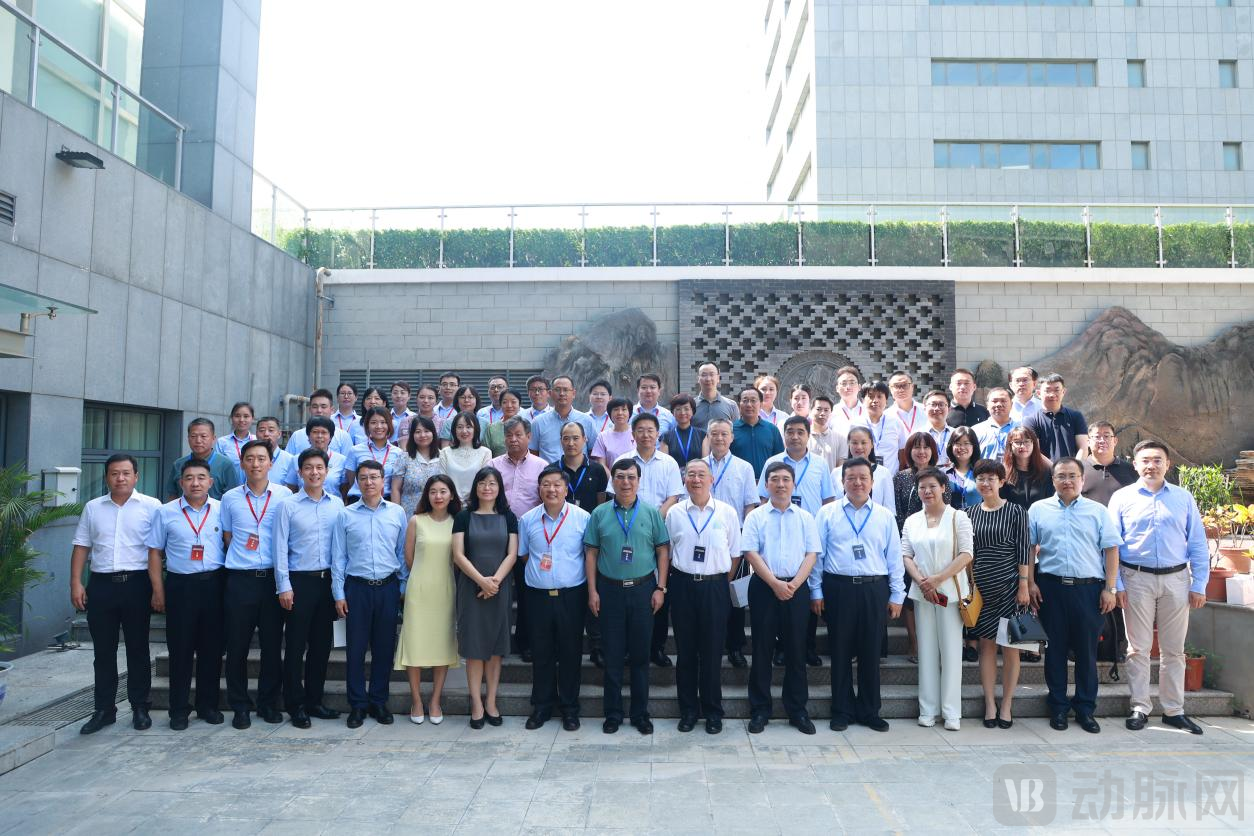
Group Photo at the Base Opening Ceremony
In this regard, Wang Tianfang, CEO of Super Vision, stated, "The completion of this facility signifies that Super Vision has completed the capability transition from R&D to production, and also signifies that Super VisionHas fully and independently achieved mass production capability for innovative Class III active implantable medical devices, which are subject to the most stringent regulatory oversight, entail the greatest manufacturing complexity, and represent the highest technological standards., is of great significance to Super Vision.”
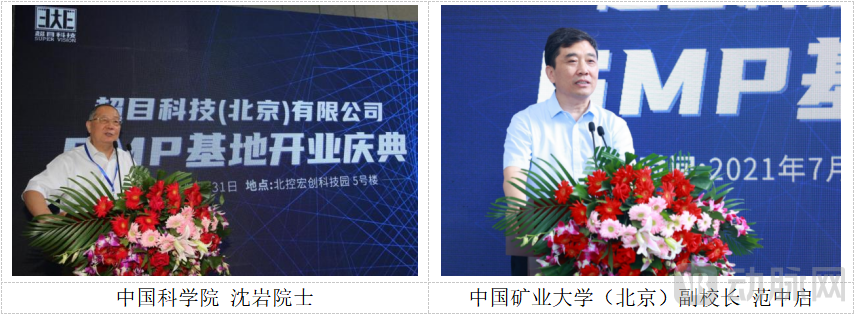
At the ceremony, attending guest Academician Shen Yan of the Chinese Academy of Sciences delivered a speech. He congratulated Super Vision on the completion of its GMP facility and recalled his discussions with Professor Wang Lejin regarding the research and development of innovative products for the treatment of nystagmus. Academician Shen expressed his hope that, in the future, more clinicians will, while excelling in clinical practice, reflect on how to resolve issues that current knowledge and technology cannot address, explore technological innovation and development, and tackle the pain points and challenges faced by patients.
Vice President Fan Zhongqi of China University of Mining and Technology shared his insights on university research innovation and knowledge transfer. He stated that Super Vision provides an excellent paradigm for the commercialization of university scientific and technological achievements, and extended his best wishes for the company's future development.
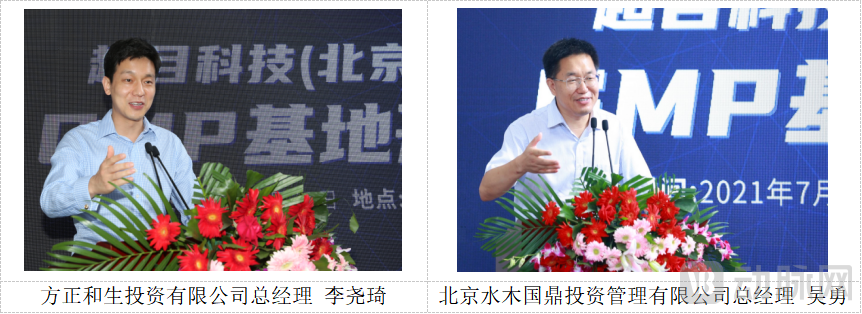
At the ceremony, Mr. Li Yaoqi, General Manager of Founder H Fund, and Mr. Wu Yong, General Manager of Beijing Shuimu Guoding Investment Management Co., Ltd., the investors for Super Vision's angel and Series A financing rounds, delivered speeches. The two investors reviewed the decision-making process behind their initial investment in Super Vision. They stated that over the past three years, they have witnessed the rapid development of Super Vision, congratulated the company on its achievements in the innovative research and development of medical devices, and pledged to continue supporting its R&D and innovation efforts in the future.
Professor Wang Lejin, Founder and Chairman of Super Vision, introduced to the guests the original aspiration behind the company's founding, as well as its vision and mission for development. Professor Wang stated that "Super Vision" represents technology beyond vision. He expressed his hope that by starting with the treatment of minor human diseases, Super Vision will ultimately tackle major challenges for humanity, thereby contributing to social progress and economic development. At the event, Professor Wang confidently made two major commitments: to persist in the independent research, development, and production of its products, ensuring every step is meticulously crafted through "intelligent manufacturing"; and to build a company that cultivates talent, ensuring every member of Super Vision achieves personal growth, "taking pride in the company and advancing together with the enterprise."
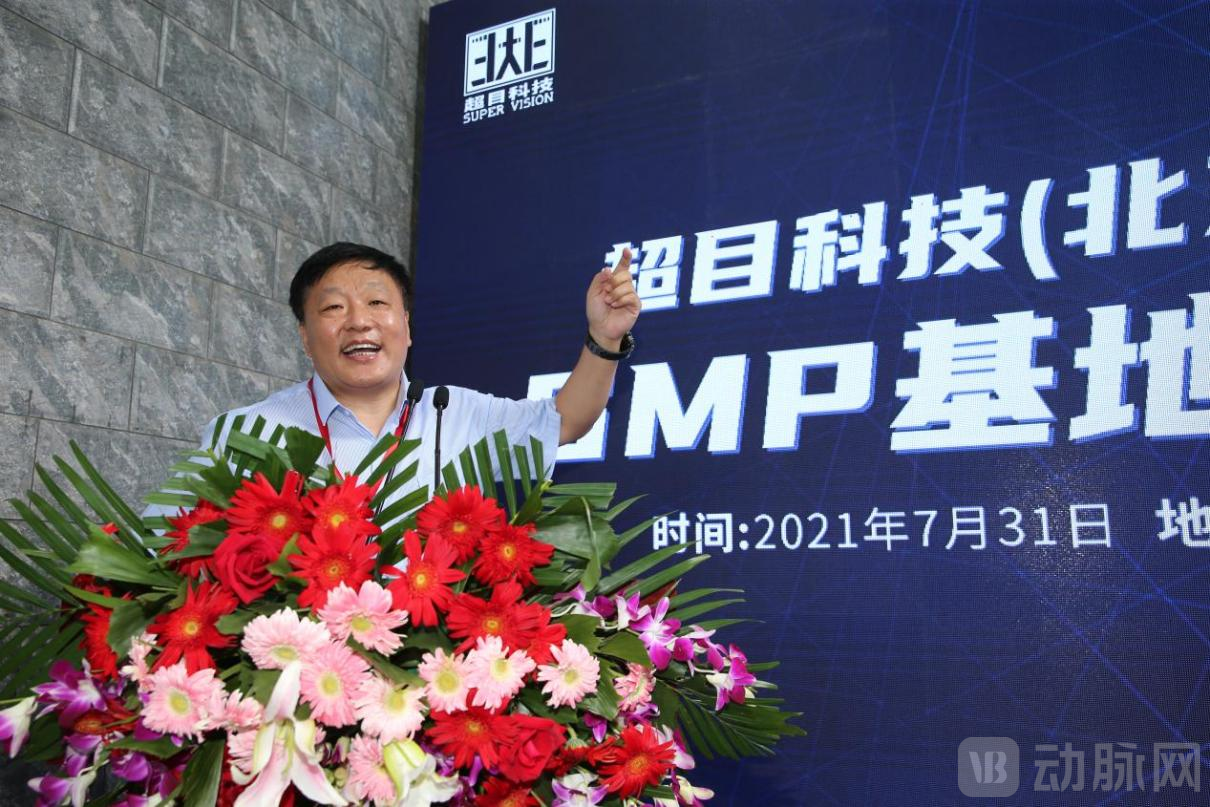
Professor Lejin Wang, Founder and Chairman of Super Vision
Congenital Nystagmus (CN) has been dubbed the "incurable disease" in the field of ophthalmology. With an incidence rate of 1 in 1,000 among newborns, 85% of patients develop amblyopia, which prevents normal school enrollment during childhood. In adulthood, patients frequently face workplace discrimination, severely compromising their quality of life and imposing a substantial burden on families and society. Currently, there are approximately 1.3 million patients in China, with roughly 20,000 new cases annually; globally, the affected population reaches approximately 7 million, with 100,000 new cases each year. Current therapeutic interventions can mitigate the severity of nystagmus but cannot provide a definitive cure.
In 2004, building upon the experimental achievements of Liberson’s Functional Electrical Stimulation (FES) technology, Professor Wang Lejin, who treats over a thousand patients with ocular nystagmus annually, proposed integrating FES technology with extraocular muscles to develop a product capable of eliminating nystagmus and improving vision.
Since then, the project has consistently advanced its experimental trials. Expert feasibility assessments commenced around 2008, and equipment research and development began in 2012. In 2014, the project was awarded a Major National Research Instrument Development Project by the National Natural Science Foundation of China (NSFC). In 2015, it secured 7.1 million RMB in funding under the NSFC's Major Instrument Development Program. That same year, the project conducted microelectrode stimulation experiments on the extraocular muscles of clinical patients. The results revealed that the microcurrents superimposed and neutralized abnormal neural discharges, effectively suppressing pathological nerve impulses with significant therapeutic efficacy. Data from an 8-patient clinical study demonstrated that the novel therapy can reduce tremor frequency and amplitude by over 50%, prolong fixation time threefold, and improve visual acuity from below 0.3 to above 0.5.This is the first time globally that nystagmus symptoms have been truly controlled., and it is also a major breakthrough in medicine.
Professor Wang Lejin stated that the intelligent nystagmus neuromuscular electrical stimulator developed by his team is expected to fill a gap in the field of nystagmus treatment. The product is projected to capture a market potential of 2–4 billion RMB in China, with the global market size expected to exceed 10 billion RMB.The product has currently entered mass production and is expected to be launched for commercial sale in the second half of 2024.
While achieving significant breakthroughs in the field of nystagmus, Professor Wang Lejin and his team have not halted their clinical exploration. “Where there is a pain point, we start from there.” Building on this principle, they have focused their research and development on glaucoma—the second leading cause of blindness globally—and myopia, an eye disease with a vast patient population.
Glaucoma is a global ocular disease characterized by visual field defects or even blindness resulting from elevated intraocular pressure. Increased intraocular pressure compresses the retina and damages the optic nerve, leading to progressive visual field constriction and vision impairment, which may ultimately culminate in blindness. Currently, approximately 60 million individuals are affected worldwide, with 7 million having gone blind due to the condition. Clinicians often refer to glaucoma as the "silent thief of sight." Due to its insidious presentation, 75% of patients are diagnosed only at moderate to advanced stages, and the disease cannot be completely cured. From a health economics perspective, statistical data indicates that the long-term medical and pharmaceutical expenses for a glaucoma patient from diagnosis to the end of life exceed 300,000 RMB. Moreover, the broader societal costs attributable to glaucoma are even more difficult to quantify.
In recent years, the prevalence of myopia has exhibited a trend toward earlier onset, rapid progression, and greater severity. Relevant data indicates that the number of individuals with myopia in China has reached approximately 700 million, with adolescents representing the high-incidence demographic. According to incomplete statistics, the myopia prevalence rate among primary school students in China is approximately 30%, rising to around 60% for junior high school students, 80% for senior high school students, and nearly 90% for college students.
To address these two major pain points, the Super Vision team, with support from various stakeholders, has developed two products: an implantable glaucoma micro-drainage device and a corneal and posterior scleral cross-linking lens, and is continuously advancing the translation of research outcomes and their clinical application.
Super Vision stated that it will continue to advance the research and development of innovative ophthalmic products, striving to bring new hope to patients with ocular diseases worldwide. Harnessing the technological power of "Beyond Vision," the company aims to propel the development of intelligent ophthalmic chip-based medical devices into a new era.
(Note: Unless otherwise noted, all images in this article are provided by the company.)