

NeoCells Biopharma Files IPO Prospectus: Pioneering AI-Driven mRNA Cancer Vaccines for High-Burden Asian Cancers
NeoCura
RNA Innovative Drug Developer
Amid the COVID-19 pandemic that has swept across the globe, mRNA vaccines have successfully propelled industry giants like Moderna into the mainstream spotlight and widespread public recognition, thanks to their remarkable achievements in “racing against time.” However, due to the high mutability of the SARS-CoV-2 virus, various emerging mutant strains continue to pose persistent threats to the global economy and people's livelihoods. The battle against the pandemic is still ongoing, and the market size for mRNA-related therapeutics continues to surge.
The "Research Report on China's mRNA Therapy Industry" released by LeadLeo Research Institute shows:Following December 2020, with the successive commercial production of mRNA COVID-19 vaccines, the global mRNA therapeutics industry is projected to see a market size expansion exceeding USD 69 billion.
Given mRNA's potential to synthesize virtually any protein, it can therefore be used to treat nearly all protein-based diseases. In addition to its disruptive role and remarkable advantages in infectious disease prevention,mRNA therapeutics hold tremendous application potential across various therapeutic areas, including oncology, chronic diseases, and rare diseases.
This is particularly evident in the field of oncology. Prior to the mainstream breakthrough of mRNA COVID-19 vaccines by companies such as Moderna and BioNTech, cancer vaccines represented the most fiercely contested arena for major RNA companies. The high specificity of tumor neoantigen vaccines has made personalized precision therapy for cancer patients possible. Furthermore, the manufacturing of mRNA vaccines offers greater cost-effectiveness, enhanced safety, and superior speed and flexibility compared to traditional vaccines, enabling mRNA-based platforms to stand out among the various cancer vaccine candidates.
Building on the team's years of accumulated research expertise in RNA therapeutics, and driven by the recognition of the vast future market potential for tumor neoantigen vaccines, ShenzhenNeoCuraMedical Technology Co., Ltd. (hereinafter referred to as "NeoCura") transferred the team's outstanding research achievements in mRNA therapeutics from the scientific frontier to the industrial sector, establishing the corporate entity in 2017 with a focus on the research and development of tumor neoantigen vaccines.
Currently, NeoCura has independently developed an AI bioinformatics target discovery platform, an RNA therapeutics platform, a fully automated drug design platform, a multi-omics big data acquisition and analysis platform, and a drug screening and validation platform, aiming toIntegrating artificial intelligence algorithms with real-world data validation to advance clinical research on RNA therapeutics.
In areas such as the prediction of neoantigen targets for tumor immunotherapy and the optimization of mRNA translation efficiency, NeoCura has developed multiple internationally leading AI and bioinformatics algorithms, among which the independently developed and proprietary NeoCuraTMAI ALPINE Tumor Neoantigen Prediction System, with globally leading prediction accuracy.“Compared to other public algorithms, the tumor neoantigen prediction platform independently developed by NeoCura improves prediction accuracy by over 30%.”Wang Yi, Founder and CEO of NeoCura, told VCBeat.
Based on the company's comprehensive team capabilities and rapid pipeline advancement, numerous renowned investment institutions have expressed strong confidence in NeoCura's future development prospects.In December 2020, NeoCura announced the completion of a RMB 250 million Series A financing round,Investors include Kunlun Capital, IDG Capital, and Yahui Capital, among other well-known investment institutions. It is reported that NeoCura has currently established R&D centers or branch offices in Beijing, Shenzhen, Guangzhou, and other locations.
What kind of company is this?
To embark on a long journey of scientific research and yield meaningful results, the most fundamental and crucial prerequisite is a genuine inner interest and passion for research. It was this shared love and pursuit of scientific inquiry that brought the NeoCura team together. Yet, the true catalyst that united the founding members from diverse backgrounds was their aligned vision and convergent exploration in their research direction.
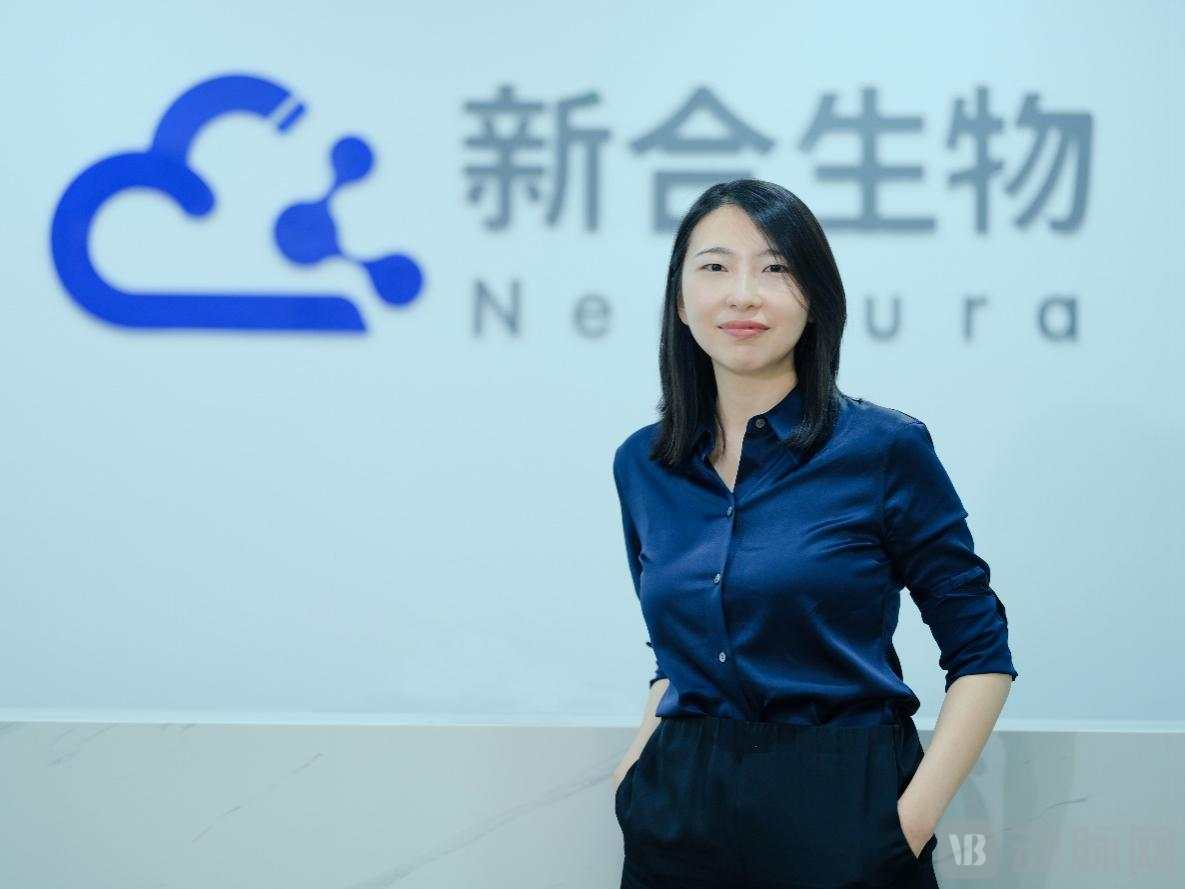
Wang Yi
NeoCura Founder & CEO
Postdoctoral Fellow, Harvard Medical School, USA
Associate Scientist, Dana-Farber Cancer Institute, Harvard University
Immunovaccine Expert
“The research findings continuously generated in the laboratory are, in fact, still a long way from reaching clinical patients.” Wang Yi stated,There is still a long way to go before scientific exploration can be successfully translated into a clinically applicable product for patients.The team's related scientific research at the university is, to some extent, constrained by the specific project mandates of individual laboratories, making it difficult to fully advance their own intended initiatives. Furthermore, no one understands the core technology underlying this research better than the technical researchers who hold the patents.
When a group of visionary scientists achieved significant progress in their shared research field, they realized that translating their scientific discoveries into tangible products that genuinely benefit clinical patients might be a more impactful path. Thus, united by a common vision, these outstanding talents from research institutes and laboratories at top international universities came together to form the founding team of NeoCura.
It is understood that,The founding team of NeoCura comprises experts in immunovaccine delivery technology, tumor immunotherapy, immunometabolism, and the research, development, and application of novel vaccines, as well as experts in artificial intelligence, bioinformatics development, and molecular biochemistry.They come from diverse backgrounds, hailing from institutions such as Harvard Medical School, the Dana-Farber Cancer Institute, Brigham and Women's Hospital, and Boston Children's Hospital in the United States. Their research backgrounds are highly interdisciplinary, with expertise spanning genetic testing, AI algorithms, bioinformatics, cancer immunotherapy, and vaccine development. Hundreds of their research findings have been published in internationally authoritative journals, including *Nature*, *Science*, *Cell*, *Nature Methods*, and *Immunity*.
The high-quality scientific research achievements accumulated by the team over the years have laid a solid foundation for NeoCura to conduct in-depth research into innovative RNA therapeutics, while also driving NeoCura's rapid development.
Leveraging its team's R&D experience and technological advantages, NeoCura has currently alreadyTumor neoantigen vaccines, tumor microenvironment immunomodulatorsconduct research in these and related fields, and have established strategic partnerships with multiple hospitals in China to jointly conduct clinical trials. The team'sOver 40 domestic and international invention patents have been filed for the core technology, of which more than 10 are international patents.
In terms of product pipeline strategy, NeoCura primarily focuses on cancer types that are highly prevalent in China and exhibit distinctive Asian characteristics. By developing personalized neoantigen vaccines tailored to individual patients and establishing a shared neoantigen library for high-incidence cancers, the company can significantly reduce the treatment costs of neoantigen therapies and shorten the production cycle.Currently, NeoCura has collected nearly 1,000 datasets on high-incidence cancers in Asia, and has identified multiple public neoantigens with broad coverage,It demonstrates a significant advantage over the 200+ datasets of corresponding cancer types collected by the U.S. NCBI high-throughput tumor sequencing database.
With the company's rapid growth, NeoCura's team continues to expand. Wang Yi told VCBeat that NeoCura's core R&D team now comprises over 70 members, bringing together top-tier global scientists, seasoned industry experts, and internationally renowned academic advisors, including dozens of Ph.D. and postdoctoral researchers from prestigious institutions such as Harvard, Cornell, Cambridge, Peking University, Tsinghua University, and the Chinese Academy of Sciences.
A highly advanced, multidisciplinary talent team has forged NeoCura's robust R&D front-end, serving as the foundation for product development and the driving force that propels a startup biotech company to advance rapidly within the industry.
Although this class of PD-1/PD-L1 immune checkpoint inhibitors demonstrates promising therapeutic efficacy in cancer patients, not every patient is fortunate enough to benefit from them.The objective response rate (ORR) for PD-1/PD-L1 inhibitors is not particularly high, generally ranging from 10% to 30%, and varies among patients with different tumor types.Is there a novel modulatory strategy capable of elevating the ORR of existing cancer immunotherapies to 50–60% or even higher, thereby improving patients' quality of life and prolonging survival? This is the problem NeoCura aimed to solve at its inception.
Neoantigen(Neoantigen)They are proteins generated by tumor cells as a result of genetic mutations, characterized by specific amino acid sequence variations. Such proteins exhibit high tumor specificity, are recognized by the immune system as "non-self" components, and the host does not develop central tolerance to these antigens.
Clinically, a substantial proportion of patients are unresponsive to PD-1 inhibitor therapy, primarily due to a lack of tumor-specific T cell infiltration at the tumor site. The combination of tumor neoantigen vaccines with PD-1 inhibitors holds promise for overcoming this barrier, thereby leveraging the synergistic effects of cancer vaccines and PD-1 inhibitors to improve response rates and bring new hope to cancer patients. This has also been the unwavering focus of the NeoCura team since its inception.
Regarding the company's near-term development plans, Wang Yi stated that they hope to rapidly advance the existing pipeline into clinical trials, enabling more patients in China to witness the clinical application outcomes of tumor neoantigen vaccines.Currently, whether in China or abroad, neoantigen vaccines represent an emerging therapeutic field, and the NeoCura team hopes that through its dedicated efforts, cancer patients in China will be able to benefit from superior emerging treatment options.
“Can the ORR of existing cancer immunotherapy modalities be elevated to 50–60%, or even higher?”——This question once again echoes NeoCura’s long-term goal and founding mission. Persistently seeking solutions to this challenge is the path NeoCura will pursue moving forward.