

Ten Years of Accompaniment, Six Rounds of Heavy Investment: How a Local VC Firms Backs a Global Leader in Small Nucleic Acid

Panlin Capital
Technology Innovation-Oriented Early-Stage and Mid-Stage Venture Capital Institutions
Ribo Life Science
Small Nucleic Acid Drug Developer
Recently, Suzhou Ribo Life Science Co., Ltd. (Ribo), the main pioneer of China's small nucleic acid technology and a leading company in the small nucleic acid pharmaceuticals field, officially went public on the Hong Kong Stock Exchange (IPO). This marks a significant highlight in the capital market for this Biotech company, which has been deeply engaged in the cutting-edge field of innovative drugs for nearly two decades.
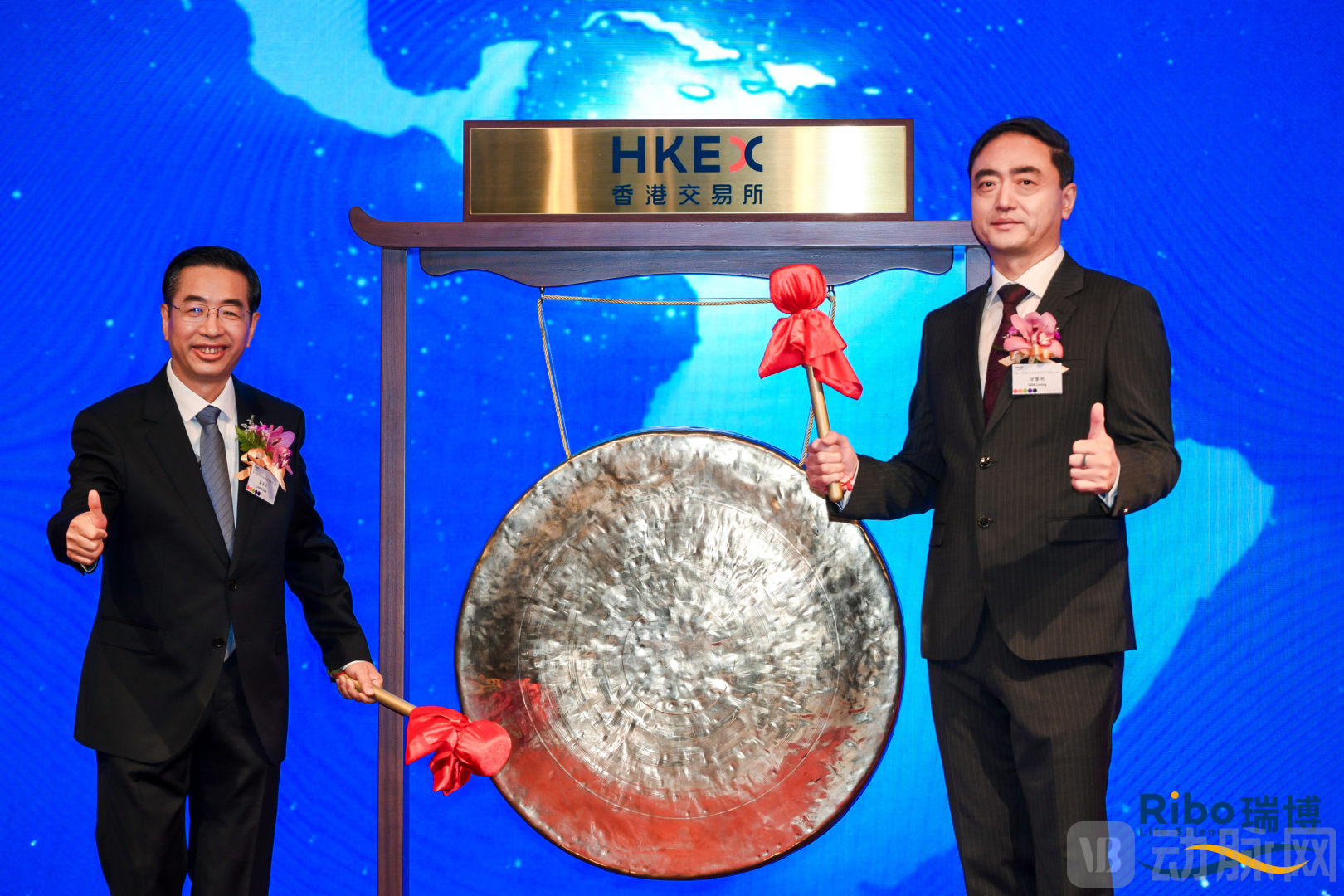
Left: Professor Liang Zicai, Founder and Chairman of Ribo
Right: Dr. Gan Liming, Co-CEO of Ribo and President of Global R&D
In this IPO, Ribo opened at HK$75. As of 9:50:17 a.m., its market value had reached HK$11.18 billion.
When documenting the history of China's small nucleic acid industry, Ribo and its founder Professor Liang Zicai are names that cannot be overlooked. The term "small nucleic acid" is a collective reference by Chinese academia and industry to single-stranded or double-stranded RNA drugs with smaller molecular weight, mainly including ASO (antisense oligonucleotides) and siRNA (small interfering RNA). In 2006, the discoverers of RNAi (RNA interference) were awarded the Nobel Prize, and the scholar who first introduced the "siRNA" technology to China and translated it as "small nucleic acid" was none other than Ribo's founder, Liang Zicai.
Looking back at the growth journey of China's small nucleic acid industry and Ribo, it is not only a history of technological breakthroughs but also a capital narrative about belief and companionship—scientists have been quietly working at the forefront, while investment institutions have steadfastly followed through ups and downs.
A review of the company's financing history reveals no shortage of star investment institutions such as Legend Capital, GGV, Hillhouse, and CICC. It also includes vertical investment institutions deeply engaged in the biopharmaceutical field, as well as a series of state-owned investment institutions. Among them,Fortune United Partners, which has been involved since Ribo's first round of external financing, has accompanied the company for a decade through six rounds of investment, becoming one of the two institutions that have invested in Ribo the most times and with the largest investment amount.
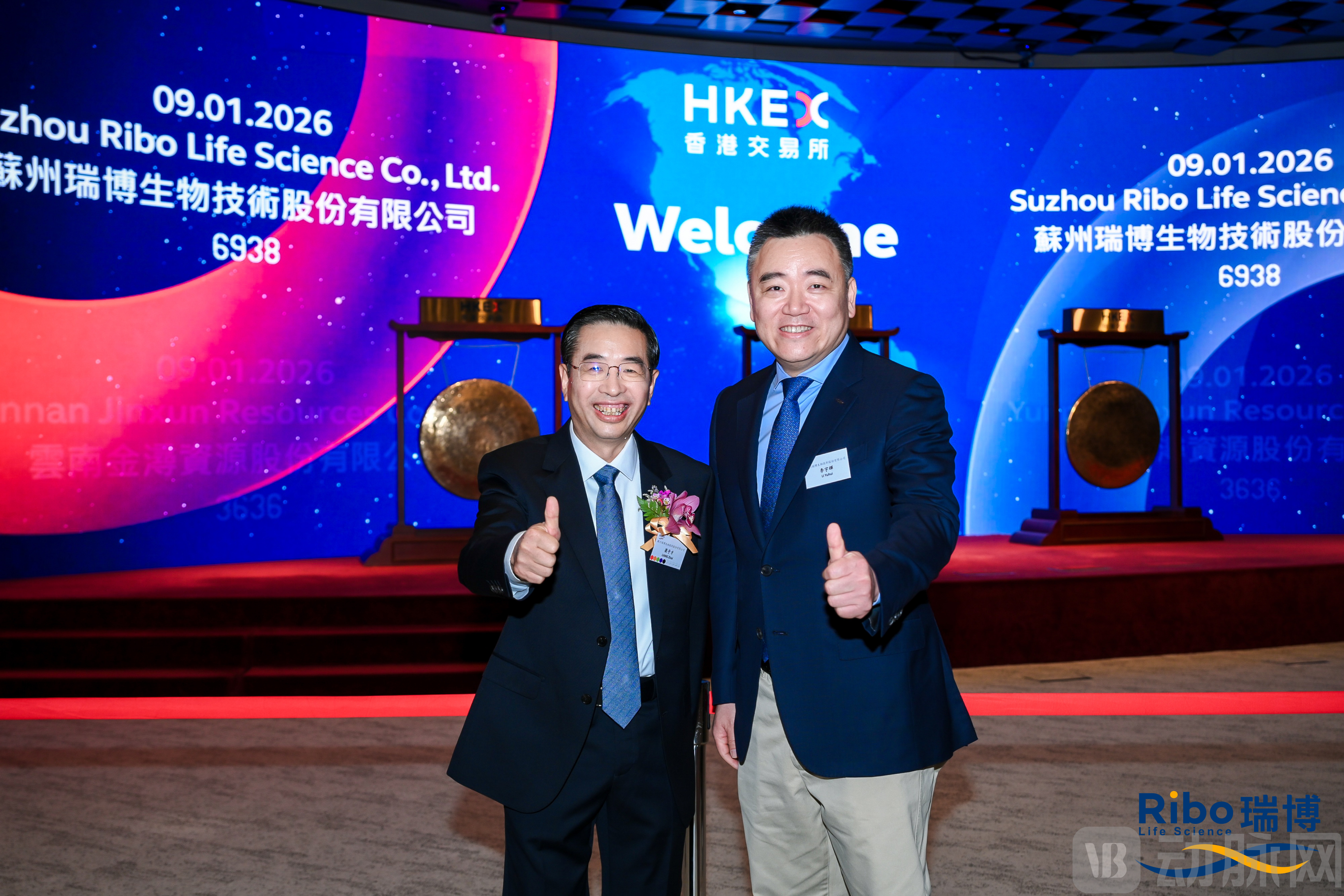
From left to right: Liang Zicai, founder of Ribo, and Li Yuhui, founding managing partner of Fortune United Partners.
In China's venture capital circle, Fortune United Partners is considered a veteran, known for "investing in entrepreneurs who are scientists." From the very beginning, it established its reputation in the industry by investing in companies such as CanSino Biologics (300601) and Hybribio (300639), naturally carrying the genes and attributes of biopharmaceutical investment.
Back in 2015, when Ribo Life Science Co., Ltd. was initially financed.
At that time, the primary market was still basking in the successful narrative of “Copy to China.” Even in the biopharmaceutical field, the dividends of generic drugs were still present, and Me-too, Me-better remained more mainstream and safer investment themes. Even today, when "patient capital" has become a consensus, investing in innovative drugs is still a long and high-risk journey—it has to confront the "three ten rules": a decade-long R&D cycle, an investment of one billion US dollars, and a success rate of less than 10%.
Li Yuhui, the founding managing partner of Fortune United Partners, admitted that at the time, the firm was transitioning from a PE mindset to a VC approach. Investing in Ribo was not only a “breakthrough” for Fortune United Partners but also a bold move based on professional insight. This strategic decision ultimately led to a decade-long partnership with the company and secured an advantageous position within the industry. It also allowed Fortune United Partners to reap long-term rewards and develop methodologies rooted in foresight, persistence, and expert judgment.
Sow in the uncharted territory, and gain early recognition and positioning in the investment lowlands.
In the early summer of 2015, "generic" remained a keyword in China's pharmaceutical investment market, with Me-too being the safe choice. Even within the innovative drug sector, the focus was on proven targets like PD-1 and EGFR, competing to see who could launch Me-better drugs more quickly.
In the early summer of 2015, "generic" remained a keyword in China's pharmaceutical investment market, with Me-too being the safer choice. Even within the innovative drug sector, the focus was on proven targets such as PD-1 and EGFR, with competition centered on who could faster launch Me-better drugs.
As for siRNA, it was relatively quiet in the capital feast at the time—despite the fact that this field had already gone through a tumultuous journey.
Around 2000, Andrew Fire and Craig Mello experimentally confirmed that double-stranded RNA can specifically silence gene expression, naming it RNA interference (RNA Interference, RNAi), which laid the foundation for subsequent research. In 2006, Fire and Mello were awarded the Nobel Prize in Physiology or Medicine for their "discovery of RNA interference," significantly advancing research in this field.
Coincidentally, at the same time, Liang Zicai, who had already founded an ASO company and an siRNA research reagent development company during his tenure as an associate professor at Karolinska Institutet in Sweden, realized the tremendous potential of siRNA. He planned to establish an siRNA drug and technology R&D company, so he returned to China in 2006 to join the newly established Institute of Molecular Medicine at Peking University. On January 18, 2007, he completed the registration of Ribo and assumed the position of chairman.
As multinational pharmaceutical giants successively invested heavily, early researchers attempted to develop the first siRNA drug targeting viral replication. However, they encountered difficulties in delivery and instability, leading to failure in Phase III clinical trials. The giants withdrew quietly, and the industry fell into a prolonged period of silence and downturn.
Ribo received national major project support in 2008, marking the synchronization between Ribo and national strategies. In 2010, Ribo was awarded the first Jiangsu Provincial Double Innovation Team, securing the largest support prior to market financing, which was crucial for the company to sustain until it reached VC range.
Between 2013 and 2014, a new dawn emerged. The advent of GalNAc (N-acetylgalactosamine) delivery technology enabled the specific delivery of siRNA to hepatocytes, offering a glimmer of hope in overcoming the drug delivery bottleneck. Meanwhile, Alnylam, an industry leader, received FDA orphan drug designation for its drug, gradually restoring confidence within the sector.
Li Yuhui told VCBeat that it was precisely at this subtle juncture, climbing upward from a low point, that he first encountered Ribo, founded by Professor Liang Zicai. "At the time, the lead investor had already been largely confirmed, and it was a well-known institution larger than Fortune United Partners." However, this did not dampen the enthusiasm of Fortune United Partners' biopharmaceutical investment team. During this time window, the team quickly and independently completed comprehensive due diligence on the industry, technology, team, and company. Not only did they thoroughly analyze the RNAi field from its Nobel Prize-winning discovery to the pipelines of Ionis and Alnylam, but they also clarified Professor Liang Zicai’s standing in the development of China’s innovative drug industry — "He was the first to translate siRNA into 'small nucleic acid,' a term that was rapidly adopted by the industry. Moreover, he founded Ribo in 2007, a full decade earlier than many domestic peers."
Thus, while most of its peers were still watching and even questioning whether China had truly innovative drugs, Fortune United Partners decisively invested in Ribo's Series A round, marking its first early-stage biopharmaceutical R&D company after transitioning to venture capital. This move set the stage for a decade-long partnership with Ribo and laid the foundation for Fortune United Partners' investment strategy of "early recognition and early positioning."
According to Li Yuhui's recollection, the core of Fortune United Partners' investment was based not only on demand, industry technology evolution logic, and platform product strength, but more importantly on the recognition of Professor Liang Zicai, the founder, as an internationally renowned expert in small nucleic acids. He is acknowledged for his forward-thinking strategic vision and strong ability to integrate industry resources. Fortune United Partners believes that what truly attracts people isHis strong intention and ability to transform cutting-edge science into industrial applications.
Li Yuhui continued to introduce to VCBeat that the logic behind Fortune United Partners' investment in Ribo starts with unmet clinical rigid demands. With the acceleration of aging population in China, there are enormous clinical needs in diseases related to oncology, metabolic disorders, cardiovascular, autoimmune, and CNS fields. Traditional chemical drugs and antibody drugs have limitations on certain targets, whereas small nucleic acid drugs, due to their ability to target "undruggable" targets and long-lasting effects, demonstrate the potential to address the above challenges.
Secondly, it is the continuous tracking of the evolution logic of biotechnology. The Fortune United Partners team studied the entire process of small nucleic acid technology from the concept proposal to clinical setbacks, and found that its core bottleneck lies in delivery technology and extrahepatic targeting capability. At that time, Ribo had preliminarily established a Lipid Nanoparticle (LNP) delivery platform and formed a joint venture with internationally leading Quark and Ionis companies, introducing an ophthalmology product pipeline in the clinical stage. This was a unique industrial cooperation in China at that time.
More importantly, the judgment of the "productization" potential of the technology platform.How to understand this "productization" potential? Li Yuhui pointed out that small nucleic acid technology has strong platform attributes: once a delivery technology or chemical modification platform achieves a breakthrough, it can quickly spawn drug pipelines targeting multiple different sites, forming a product cluster. Ribo had already shown the prototype of such platform-based development at that time.
It has been proven that this judgment of the Fortune United Partners team was extremely forward-looking, and the subsequent development of the industry has given Fortune United Partners more confidence and strength. In 2018, the world's first small nucleic acid drug, Onpattro, was approved for marketing.Marks the official entry of siRNA drugs into the clinical market, and the industry has fully entered an explosive phase.Especially in recent years, China's domestic small nucleic acid pharmaceutical industry has formed a resonance under the leadership of a group of major pioneers, showing a good trend of differentiated innovation and breakthrough innovation. The third wave of modern pharmaceuticals seems to be on the verge of emerging. By 2025, global transaction activities in the small nucleic acid field have been frequent, with disclosed transaction volumes approaching 35 billion US dollars, involving multiple technological directions such as siRNA, ASO, and microRNA.
Fortune United Partners has thus completed its positioning and layout in the small nucleic acid field from an early stage. In the subsequent layout of Fortune United Partners, we can still see local small nucleic acid innovative pharmaceutical companies such as Xianyan Biologics and Dinayuan Ascend.
Looking for Entrepreneurs Among Scientists, Focusing on "Three Transformations"
After investing in Ribo, the market gave Fortune United Partners its first lesson: "the cost of waiting."
In 2017, Ribo entered Series B financing. At this time, the world's first small nucleic acid drug, Onpattro, had not yet been approved, and the industry was still some time away from truly taking off. Ribo’s LNP platform was transitioning to GalNAc iteration, its core hepatitis B pipeline was not yet fully developed, but the rate of cash burn was accelerating. When the founding team met with investors, they no longer focused on technical stories but instead presented clinical data—how to achieve 90% delivery efficiency in liver cells, and how to increase siRNA stability by a certain multiple.
Li Yuhui believes that,This is precisely the "technology productization" phase, where companies have developed the critical potential for platform evolution.On the other hand, the primary market in 2017 was not particularly booming. However, the Phase II data of Alnylam's new drug under development, a giant in the small nucleic acid field, was quite optimistic. The company's core blockbuster product, patisiran, is about to hit the market. The technical validation at the industry end is almost complete, yet the primary market is still stuck in memories from a decade ago. Domestic capital is currently in a wait-and-see mode, seemingly planning to jump in only after patisiran gets approved and the industry heats up.
In 2018, the world's first small nucleic acid drug was approved, heating up the field significantly. It was also in this year that Fortune United Partners pioneered the phrase "the spring of investing in innovative drugs has arrived" within the industry, accelerating the layout of innovative drugs. Then came 2019, which, for the innovative drug industry, can be regarded as a somewhat epoch-making year — a batch of new drugs were launched intensively, and China's local innovative pharmaceutical companies finally began to enter a substantive progress stage.
However, 2019 was a critical turning point for the small nucleic acid industry. Although investment enthusiasm for innovative drugs had risen, the market paid insufficient attention to true source innovation. Ribo was in the midst of an iteration period for its delivery technology platform; the next-generation platform had not yet fully taken shape, and the industry faced setbacks as the company urgently needed financial support. Against this backdrop, Fortune United Partners firmly supported Ribo, decisively co-leading Ribo's Series C1 round with 3E Bioventures Capital to help it complete its technological transformation. Trust continued to deepen throughout the journey of development.
In Li Yuhui's view, during this process, Professor Liang Zicai demonstrated the perseverance that an entrepreneur should possess, successfully transitioning from a scientist to a scientific entrepreneur, which is the key to a scientist's entrepreneurial success. Meanwhile, Fortune United Partners also supported the company's development through appropriate post-investment empowerment.
In fact, Fortune United Partners has an internal "portrait model for finding scientist-entrepreneurs": they are mostly returned overseas scientists, technology or industry elites, etc., who not only possess high academic authority but also demonstrate strong leadership and resource integration capabilities (BD and financing, etc.).
Professor Liang Zicai exhibits rare qualities across all four dimensions. As the founding figure of China’s small nucleic acid field, his academic standing acts as a powerful magnet for talent; his establishment of a delivery platform a decade ago demonstrated forward-thinking product insight; he has built an interdisciplinary team covering chemistry, biology, and pharmaceuticals, and under Ribo's globalization strategy, successfully recruited Dr. Liming Gan, former Vice President of Global R&D at AstraZeneca and Head of AstraZeneca’s CVRM R&D Center, to serve as Global R&D President and Chief Medical Officer (CMO); in terms of BD collaboration, international partners such as Ionis and Boehringer Ingelheim have been brought on board.
Li Yuhui recalled that his "gentle yet logical, highly approachable and emotionally intelligent, with a strong desire for industrial transformation" qualities played a crucial role in attracting international talent, promoting BD cooperation, and securing multiple rounds of financing.
Counter-Cyclical Layout and Long-Term Thinking: Building Chinese-Style "Patient Capital"
Starting from the second half of 2022, China's venture capital ecosystem has changed rapidly. Investment sectors have shifted, and new favorites of capital have emerged frequently. The eruption of ChatGPT marked the gradual rise of AI as a core money-making infrastructure. Meanwhile, the biopharmaceutical industry has entered a cold spell; it seems like ADCs, antibody drugs, and nucleic acid drugs have all become stories of a bygone era overnight.
Starting from the second half of 2022, China's venture capital ecosystem took a sharp turn. Investment sectors shifted, new capital darlings emerged frequently, ChatGPT exploded onto the scene, and AI gradually became the core foundation for attracting funding. The biopharmaceutical industry entered a winter period; it seemed overnight that ADCs, antibody drugs, and nucleic acid medicines all became stories of a bygone era.
However, at this time, Fortune United Partners raised new hard technology and biopharmaceutical funds against the market trend, continuing to invest in or increase funding for what have now become star projects: stem cell directional differentiation and regenerative islet R&D company "ZhiXinHaoZheng," small-caliber regenerative blood vessel R&D company "LingBo Bio," intelligent automation enterprise for the life sciences industry "BenYao Technology," rAAV gene therapy drug R&D company "ZhiShanWeiXin," and many other early-stage R&D enterprises in the medical field. They also provided post-investment support and multi-round follow-up investments to portfolio companies such as ZhiXinHaoZheng, ChuanTu Microelectronics, WoFei Changkong, Ruiyun Cold Chain, and PPIO.
This multi-round investment strategy is the "boutique investment" methodology established by Fortune United Partners through years of accumulation: "Early cognition, early positioning; meticulous cultivation, long-term companionship; multi-round investment, accompanying dark horses to become white horses." According to statistics, over half of the projects invested by Fortune United Partners have received follow-up investments two or more times. This sends a strong signal: only companies that are truly promising and deeply understood deserve continuous investment. Only investment institutions that genuinely assist enterprises will be allowed to continue investing. This model not only increases the success rate of investments but also safeguards returns for early investors when project value soars through mechanisms like "anti-dilution."
It was during these two years of the capital market winter in the biopharmaceutical industry that Li Yupeng emphasized the need to make a counter-cyclical layout, "At that time, many people asked me, 'Yuhui, why are you still investing in innovative drugs?' My answer was: Why not? This is exactly the best time." He repeatedly mentioned the "Bell Mouth Theory":Healthcare is a true long slope with deep snow, and the investment prospects brought by market rigid demand and cutting-edge therapies remain bright. The vigorous development of the biopharmaceutical industry contrasts with the capital market's winter, creating a scissor gap where valuations return to rational levels. This, in turn, presents the best opportunity for professional institutions to carefully select targets and strategically position themselves, marking an investment window.Allow institutions with genuine professional identification capabilities to screen enterprises that demonstrate truly innovative differentiation, as well as products with clinical application and market potential.
In this process, the development of the small nucleic acid industry and Ribo has not slowed down.
In 2023, there are four small nucleic acid products that have been approved for marketing: Tofersen, an ASO drug co-developed by Biogen and Ionis; Nedosiran, an RNAi therapy developed by Novo Nordisk for PH1; Izervay, a nucleic acid aptamer drug from Astellas; and Eplontersen, an ASO therapy co-developed by AstraZeneca and Ionis. MNCs are also actively deploying siRNA for chronic diseases.
By the end of the same year, Ribo also secured revenue through two licensing partnerships, one with Qilu Pharmaceutical and the other with Boehringer Ingelheim.
In 2025, BD transactions in the small nucleic acid drug field showed explosive growth. On one hand, collaborations between multinational corporations (MNCs) and local small nucleic acid drug companies continued to increase in intensity; on the other hand, in overseas markets, the representative listed company Alnylam experienced a continuous rise in market value, becoming a benchmark enterprise in the global small nucleic acid drug sector.
All of this points to one fact: the enormous application potential demonstrated by this technology track is gradually being recognized by the market, which also means that the small nucleic acid drug market is nearing an explosion. "Investment always earns cognitive returns. When it's bustling, everyone chases after it, and the cognitive gap is minimal. Conversely, when it's quiet, you can uncover value others can't see through deeper research," summarized Li Yuping.
Looking back, the journey was not without perilous moments. The figures "ten years, six rounds of investment" already illustrate Fortune United Partners' patience in the Ribo project and its steadfast belief in the future prospects of small nucleic acid technology and drug markets. This patience is not a passive long-term holding but an active accompaniment based on industry insight and counter-cyclical decision-making.
Positive Cycle Ecosystem Across Cycles
Ten Years of Accompaniment, A Day of Harvest. In fact, Fortune United Partners' investment in Ribo goes beyond the financial returns of a single project. As one of the investments made by Fortune United Partners in the VC stage within the biopharmaceutical field...FirstSingly, it also means that this is one of the samples of Fortune United Partners entering the VC stage investment, namely, the logic of a "replicable investment methodology." From the results, Ribo is only one of the serialized achievements of Fortune United Partners' VC investments. In addition to JF Medical (2595.HK), which successfully landed on the Hong Kong Stock Exchange in September 2025, there are also companies like PPIO that Fortune United Partners has invested in multiple rounds.Hong KongSeveral companies, including AsiaFei Bio, Chuantu Microelectronics, Wofo LongAir, Ruiyun Cold Chain, RevivaBio, Goldschlager Bio, Benyao Technology, Zhixin Haoye, and YiMai Gongpin, have successively entered the IPO application process after filing with the Hong Kong Stock Exchange.
In 2025, the Fortune United Partners collaborated with Chengdu Hi-Tech Investment, Chengdu Jiaozi Financial Holdings, Chengdu Science and Technology Investment, and Guangdong Baocheng to establish the Panlin Chengdu High-Tech CGT (Gene Therapy/Cell Therapy) Angel Fund – Chengdu Panlin Hongkang Venture Investment Partnership (Limited Partnership), which has completed the fund registration with the Asset Management Association of China. Building on Fortune United Partners' earlier investments in CGT companies such as Zhixin Bio, ZhiShan WeiXin, XianYan Bio, and Xingyi Nuo, the fund will continue to invest in companies like LingTai TianRun, DiShi Medical, and HaiBoWei. This move reflects Fortune United Partners’ continued dedication to the biopharmaceutical field, expanding its expertise from previous investments in large molecules, small molecules, antibodies, and small nucleic acid drugs into the CGT sector, where it seeks to explore and support innovative enterprises at the source.
Perhaps, within this "exit" and "new fund" positive cycle, the true confidence of Fortune United Partners stems precisely from this. After all, what enables investors to trust a VC firm to generate substantial returns is undoubtedly the sustainability brought by systematic capabilities in a positive cycle.
Li Yuhui explained the multiple considerations behind it. In order to ensure the systematic capability of this rare positive cycle, Fortune United Partners adopts a "restrained scale" fundraising strategy. Fortune United Partners believes that good early-stage technology projects are scarce. To adhere to the investment standard of "selecting the best from the good," a boutique strategy that involves meticulous cultivation and long-term companionship inevitably requires restraint in fund size. The second consideration is to balance the diverse demands of LPs. The LP structure of Fortune United Partners is diverse, including market-oriented funds pursuing financial returns, government guidance funds aiming for industrial implementation, and industrial capital with strategic synergy requirements. A moderately sized fund can more easily balance DPI requirements with industrial investment promotion goals, meeting the needs of different LPs.
Compared to chasing tracks, investing in nodes, or blindly expanding, this kind of "restraint" has instead built a healthier ecological cycle: investing well based on professional insights, attracting high-quality LPs to raise funds successfully, managing well through deep empowerment, and ultimately achieving good exits for LPs via IPOs and other methods. Performance and reputation then feed back into the next cycle.
Written at Last
Today, the narrative of China's biomedicine industry is quietly being rewritten. From "catching up" to "running neck and neck," and even beginning to "lead" in some areas, source innovation is no longer just a slogan but has become the daily pursuit of a group of scientists and entrepreneurs. In such an era, what is needed is not only money but also "fellow travelers" who understand science, respect the rules, and are willing to accompany the journey for ten years or even longer. The role of capital is evolving from being a backstage financier to becoming a front-stage co-builder of the ecosystem.
The listing of Ribo marks the end of a chapter, but more like the beginning of a new story. In the next decade, the wave of technology will only grow stronger — gene editing, AI drug discovery, cell therapy... Every deep-water area is calling for the next "Ribo" and testing institutions like Fortune United Partners: Can that proven methodology once again navigate through the fog to identify truly worthy navigators? This is a proposition that every individual involved must face, as well as a key observation in the maturation of China's hard-tech investment ecosystem. True long-term believers, however, often silently cultivate, waiting quietly for the echoes.
The market is still watching, and time will tell.