

Can CAR-Macrophage Therapy Break Through the Current Cell Therapy Bottleneck in Solid Tumors? Kunshi Biotech Files IPO Prospectus

Rock Roc Biotechnology
Macrophage Chimeric Antigen Receptor Therapy Developer
Following vigorous development in the cell therapy industry in recent years, China's CAR-T product market has gradually begun to yield results. Following the approval of Fosun Kite's CAR-T cell product (axicabtagene ciloleucel injection), JW Therapeutics' product (relmacabtagene autoleucel injection) is also expected to receive regulatory approval soon.
Within just half a year, China will welcome two new CAR-T therapies. Additionally, ciltacabtagene autoleucel (Cilta-cel), developed through a collaboration between Nanjing Legend Biotech and Johnson & Johnson for the treatment of relapsed or refractory multiple myeloma, is currently undergoing Priority Review by the US FDA and Accelerated Assessment by the European EMA. Bolstered by impressive clinical trial data (a median long-term follow-up of 18 months in the Phase 1b/2 trial, an overall response rate [ORR] of 98%, and an overall survival [OS] rate of 81%), this product is poised to make another significant mark on China’s cell therapy market.
The CAR-T cell therapy market is currently booming. However,Although CAR-T cell products have demonstrated remarkable efficacy in treating hematological malignancies, their progress in targeting solid tumors continues to face substantial challenges and has yet to achieve significant breakthroughs.Additionally, the current global pipelines for CAR-T cell product research resemble "a sea planted with red flags"; in the face of a patent "swamp," the progress of numerous CAR-T companies is also imperceptibly hindered.
As another "key player" within the immune cell repertoire, macrophages have long been highly favored by researchers. Their remarkable performance in treating solid malignant tumors has also garnered widespread acclaim and support from the scientific community. Research indicates that macrophages engineered with specific chimeric antigen receptors (CAR-M) can precisely target tumor cells while sparing healthy tissues, and further enhance their phagocytic activity and antigen-presenting capacity against tumors.The emergence of CAR-M has opened up new possibilities for the treatment of solid malignant tumors.
As a pioneer in the CAR-M therapy field in China, ROC ROCK Biotechnology (Shenzhen) Co., Ltd. (hereinafter referred to as "ROC ROCK Biotechnology") is committed to building a closed-loop industrial chain model centered on macrophage research,Focused on the strategic development of macrophage chimeric antigen receptor (CAR) therapy to advance the clinical and anti-aging applications of macrophages.It is understood that ROC ROCK Biotechnology has currently establishedMacrophage-targeted solid tumor therapy platform, macrophage secretion platform, and macrophage lineage differentiation screening database,Possesses a robust R&D pipeline and holds core competitiveness in macrophage-targeted solid tumor therapies.
Recently, at the "2021 'Maker Guangdong' Biopharmaceutical SME Innovation and Entrepreneurship Competition" hosted by Guangdong Medical Valley, ROC ROCK Biotechnology won recognition from mentors and the industry for its innovative project, "Macrophage Therapeutics Targeting Solid Tumors".
Professor Yin Xiushan, Founder & Chairman of ROC ROCK BiotechnologySpeaking to VCBeat, ROC ROCK Biotechnology stated that it is currently primarily advancing research on CAR-M therapeutic products for breast and gastric cancers. The relevant product pipeline is currently in the preclinical stage, and the company aims to successfully bring two innovative drugs to market within 5 to 6 years.
ROC ROCK Biotechnology was incubated in Berlin, Germany, and founded in Shenzhen in 2021. Spearheaded by Professor Yin Xiushan, a Chinese scientist returning from Europe, the company was established through collaboration with Ph.D. researchers from multiple prestigious life science institutions and pharmaceutical companies, including the Karolinska Institutet in Sweden, the European Molecular Biology Laboratory, the German National Center for Molecular Medicine, and Hong Kong Baptist University. The venture was built upon over a decade of cutting-edge, multidisciplinary research achievements by its core scientific team.
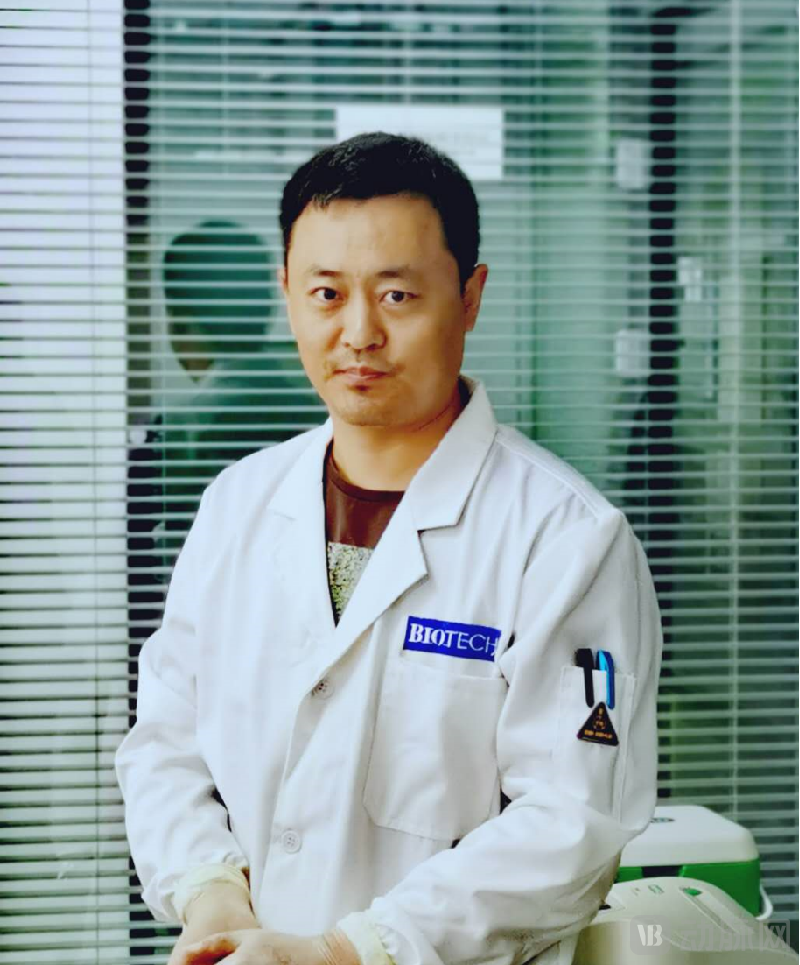
Professor Yin Xiushan, Founder & Chairman of ROC ROCK Biotechnology
Professor Xiushan Yin has previously conducted research and held positions at the Academy of Military Medical Sciences, the European Molecular Biology Laboratory (EMBL), the Medical Faculty of the University of Cologne, the Max Delbrück Center for Molecular Medicine, and the Karolinska Institutet in Sweden, with over 15 years of experience in cell-based drug research.Throughout his previous research career, he has received numerous accolades, publishing over 20 SCI-indexed papers, securing 12 patents, and successfully completing the R&D and commercialization of four products. He has also served as the principal investigator for eight international and domestic research grants, with cumulative funding totaling 40 million RMB.
In addition to his role as a scientific researcher, Professor Yin is also a serial entrepreneur.In 2018 and 2019, he founded Turing Medical Co., Ltd. (Germany) and Bai'ao Taike Biomedical Group, respectively, with each specializing in organ therapeutics and novel stem cell drugs. Operating as a unified synergistic system while maintaining independence, the three companies collaborate and share specific resources to drive coordinated development, achieving the synergistic effect of "1 (past resources) + 1 (current resources) > 2".
Professor Zhang Ge, Specially Appointed Academic Advisor of ROC ROCK Biotechnology,For many years, my research has primarily focused on the design and application of macrophage-based cellular circuits. I have published 10 SCI-indexed papers as first author, corresponding author, or co-author in journals such as Cell Research, Gastroenterology, and Circulation, and have applied for 2 national invention patents. I have led research projects funded by the National Key R&D Program of China, the National Natural Science Foundation of China, and the Beijing Natural Science Foundation. As a key contributor, I was awarded the First Prize of the Beijing Municipal Science and Technology Award.
The bond connecting the two professors stems from their shared alumni status at the Academy of Military Medical Sciences. Professor Yin told VCBeat that the two had pursued their doctoral studies together at the Academy and were fellow researchers in the same scientific team. Years of mutual acquaintance and deep understanding have transformed their former academic camaraderie into a close professional partnership today.
The establishment of ROC ROCK Biotechnology is based on the translation of research outcomes derived from the team's over a decade of pioneering exploration in macrophage research.
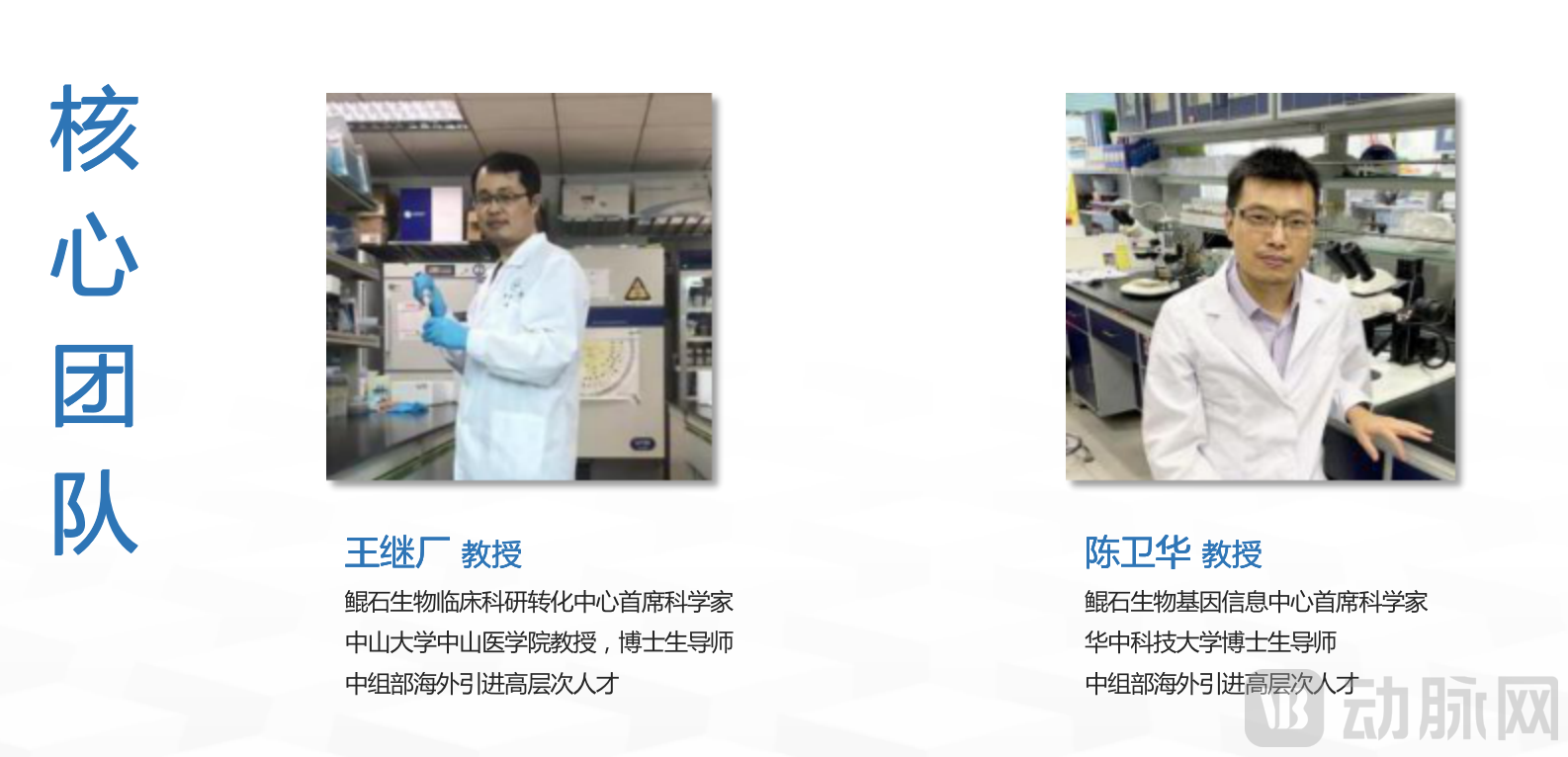
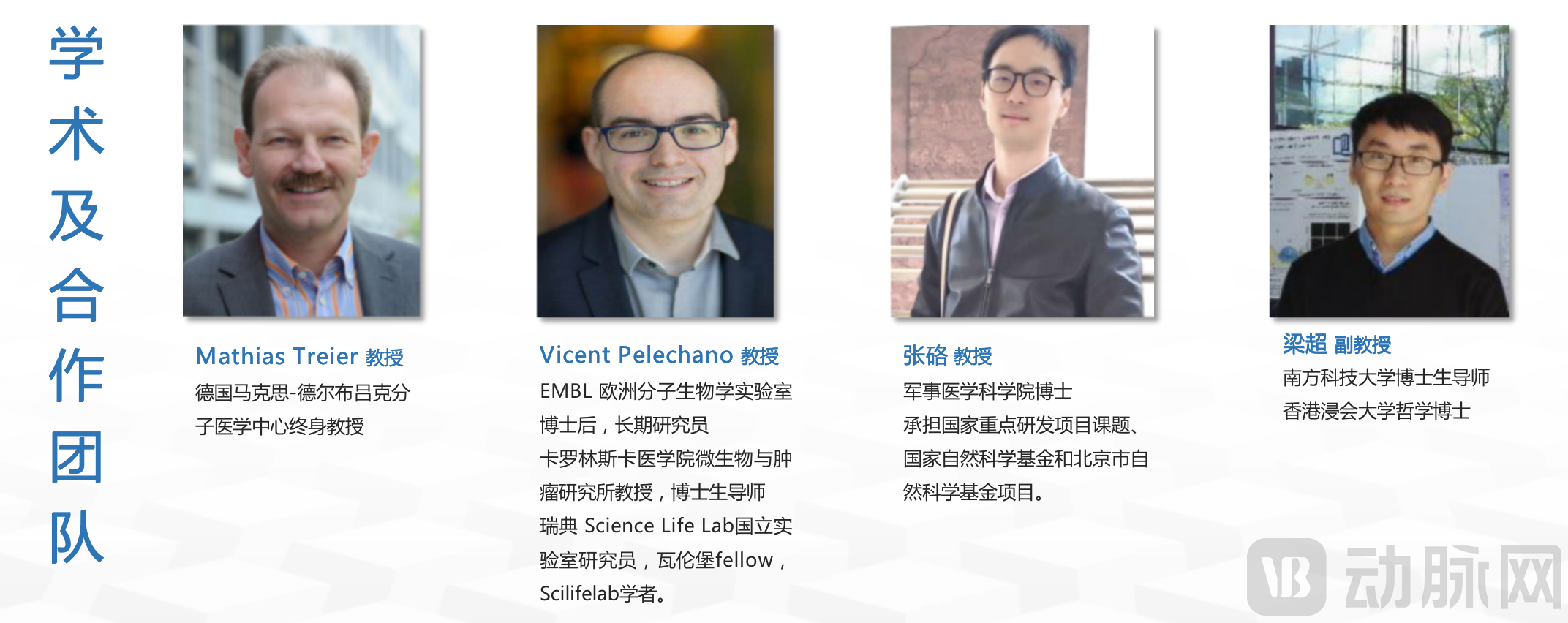
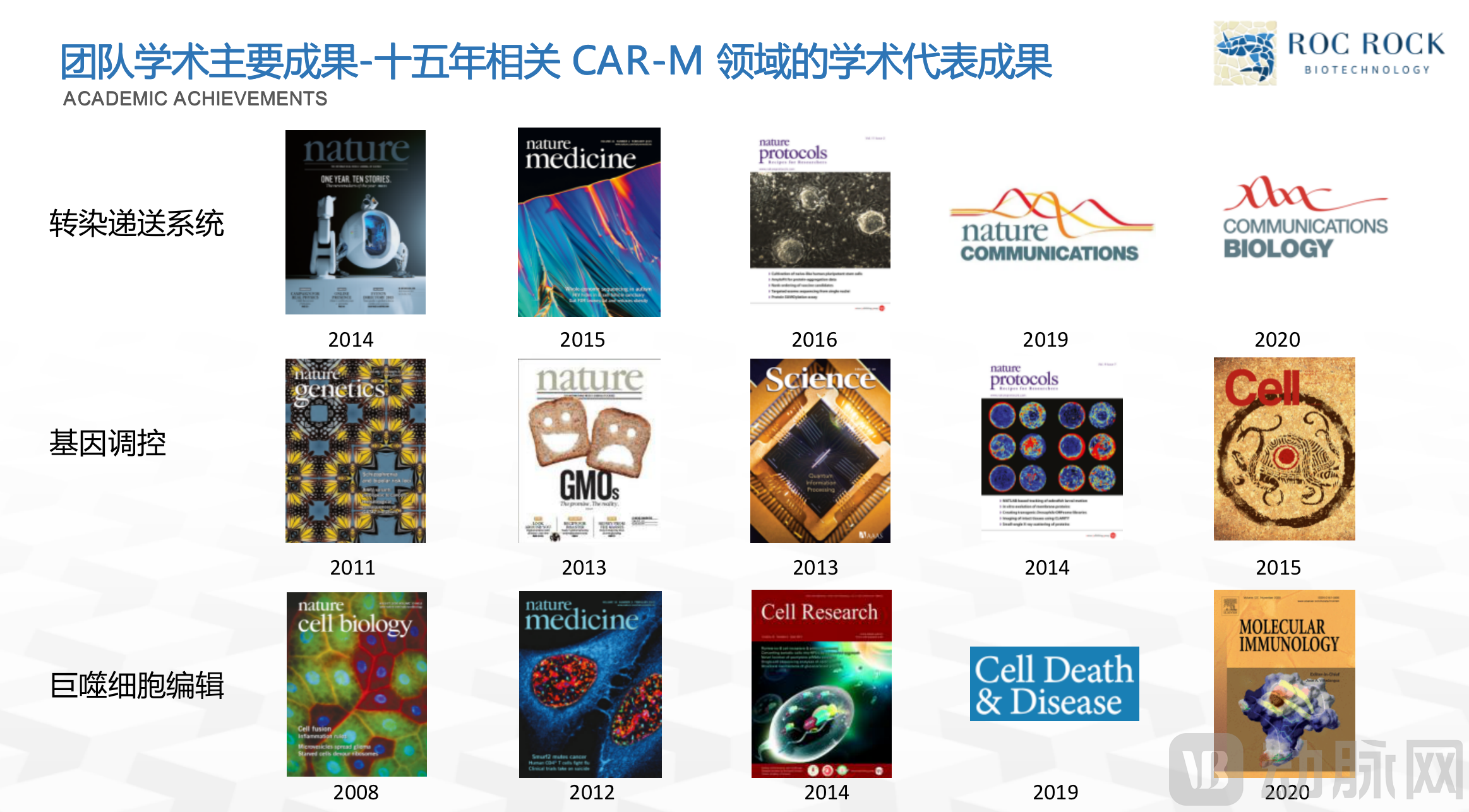
The core team members of ROC ROCK Biotechnology also possess distinguished international academic and industry backgrounds. The collective research achievements of the entire core team have achieved a "CNS Grand Slam," with a series of significant findings published in globally top-tier journals, including Cell, Nature, Science, Nature Medicine, and Nature Cell Biology. The cumulative impact factor of these publications exceeds 1,000. Team members hail from prestigious international research institutions and renowned pharmaceutical companies, including the European Molecular Biology Laboratory (EMBL), the German National Center for Molecular Medicine, and Hong Kong Baptist University. Each brings proprietary patented technologies and strategic resource networks that collectively drive the rapid development of ROC ROCK Biotechnology.
“Patents are our greatest trump card,” said Professor Yin Xiushan. ROC ROCK Biotechnology has specifically established a core patent team and an intellectual property legal team, “which will determine whether the company’s future products can successfully go global.”
Tumor-associated macrophages (tumor-associated macrophages, TAMs) are widely distributed within the solid tumor microenvironment (tumor microenvironment, TME) and play critical roles in phagocytosing and eliminating pathogens, as well as processing and presenting antigens. Given the unique effector functions and tumor-penetrating capabilities of TAMs, researchers have employed CAR-based biotechnology to engineer human macrophages, directing their phagocytic activity specifically against tumors.
Similar to CAR-T and CAR-NK cells, CAR-M cells are composed of an extracellular domain that recognizes specific tumor antigens, a transmembrane domain, and an intracellular activation signaling domain. Currently, research on the extracellular signaling domain is primarily focused on several common tumor targets, such as CD19 and HER2.
Unlike CAR-T cells, CAR-M cells primarily have the following three advantages:
1) Due to the physical barrier formed by the stroma surrounding tumor cells, T cells are unable to infiltrate the tumor microenvironment, or fail to exert their effector functions upon infiltration due to immunosuppression; whereas macrophages can significantly infiltrate the tumor microenvironment. Tumor-associated macrophages (TAMs) play a crucial role in tumor invasion, metastasis, immunosuppression, and angiogenesis. CAR-M can reduce the proportion of TAMs, modulate their cellular phenotype, and exert positive therapeutic effects in tumor treatment.
2) In addition to phagocytosing tumor cells, CAR-M also promotes antigen presentation capacity and enhances T cell-mediated cytotoxicity.
3) Compared to CAR-T, CAR-M has a limited circulation time and lower off-target toxicity.
To date,One clinical trial based on the CAR-M strategy has already received FDA approval.——CT-0508, a drug candidate developed by CARISMA Therapeutics, utilizes anti-HER2 CAR-M to treat patients with relapsed/refractory HER2-overexpressing tumors and is currently in Phase I clinical trials.
According to Professor Yin Xiushan, current research on CAR-M therapeutic strategies in China remains at the stage of scientific exploration, with limited progress in commercial translation. As a pioneer among CAR-M therapeutic companies in China, ROC ROCK Biotechnology will undoubtedly secure a first-mover advantage in this newly emerging fertile ground. Meanwhile, the company expressed its hope that more like-minded, outstanding talents and teams will join this track in the future to jointly advance the commercial translation of CAR-M research.
“In reality, when viewed two or three decades from now, the development pace and trajectory of CAR-M and CAR-T will be remarkably similar, differing merely in the short-term sequencing of their advancement,” Professor Yin stated. He noted that future CAR-M research is poised to mirror the robust growth momentum of the CAR-T industry, evolving into a broader and more profound therapeutic track. Consequently, more patients with solid tumors will gain access to more effective emerging treatment modalities.
Currently, ROC ROCK Biotechnology has reached an agreement,Jointly establish a macrophage R&D center in Beijing and share a GMP production base for cell therapy products in Jiangxi,to expedite the advancement of the company's two core products into Phase I clinical trials. Meanwhile, the company's collaborations with domestic and international hospitals and research institutes are progressing systematically. Furthermore, ROC ROCK Biotechnology is currently planning to establish a wholly-owned subsidiary at the Berlin Biotechnology Park in Germany, to further synergize with the headquarters' European expansion and strategic partnerships with pharmaceutical giants such as Bayer and Novartis.
Although CAR-M currently holds significant potential as a powerful cancer immunotherapy, numerous challenges must still be overcome to achieve the desired therapeutic efficacy: including difficulties in macrophage expansion, inefficient transfection, the tendency of exogenous macrophages to predominantly accumulate in the liver after pulmonary passage—which is unfavorable for cancer treatment—and the highly complex human tumor microenvironment. Nevertheless, with the growing influx of outstanding professionals and the establishment of high-caliber enterprises, we maintain high expectations for the progress and breakthroughs of CAR-M in solid tumors. International advancements in CAR-M research further substantiate this promising outlook.
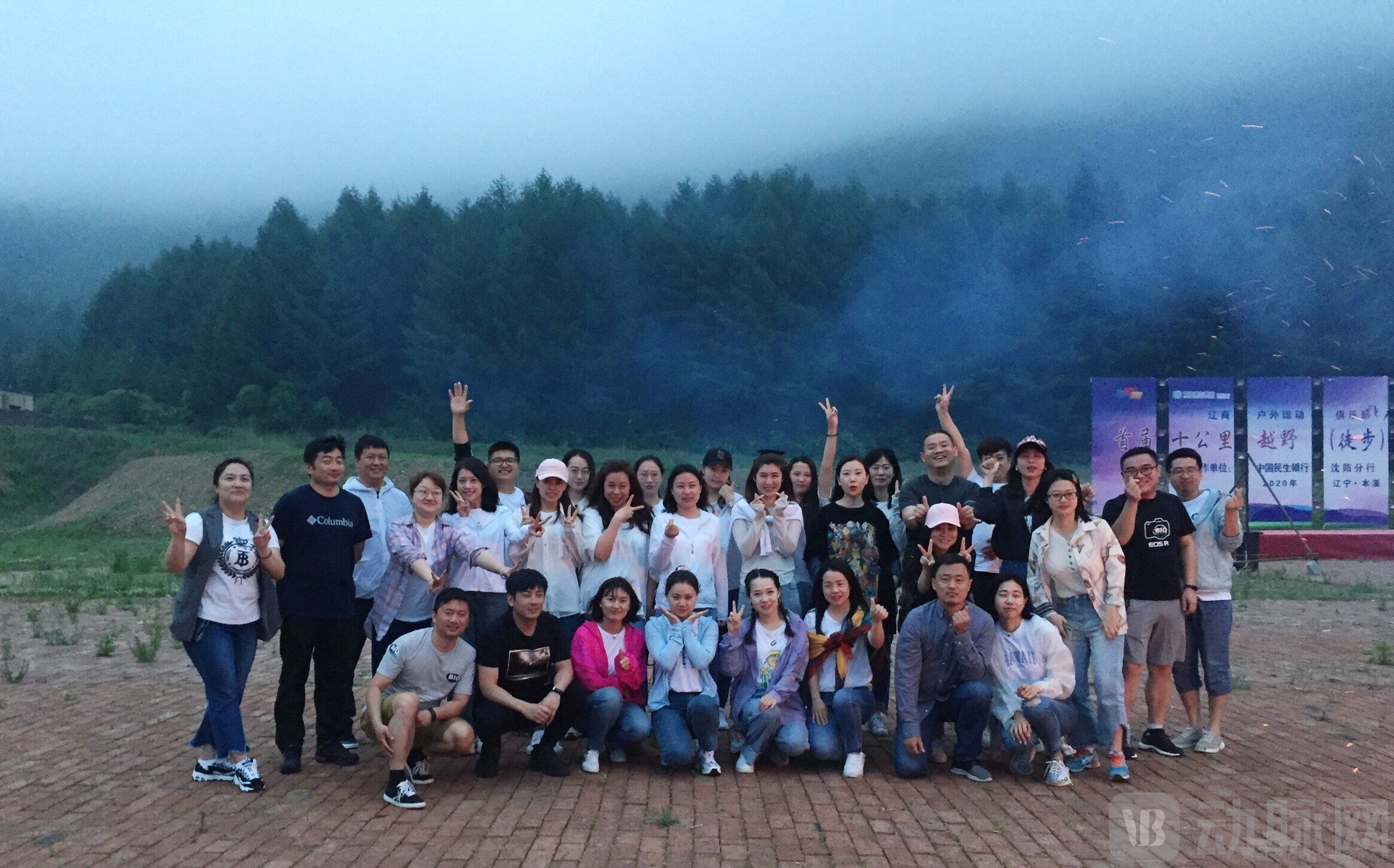
ROC ROCK Biotechnology Full Team Group Photo
As an industry pioneer in the CAR-M cell field in China, we look forward to ROC ROCK Biotechnology taking the lead in opening a new chapter in this domain, thereby bringing renewed hope to more patients with solid tumors. VCBeat will also continue to closely track the growth of startups in the CAR-M cell therapy sector.
Regarding the 2021 Maker Guangdong · Biomedicine Thematic Competition
The 2021 "Maker Guangdong" Biopharmaceutical SME Innovation and Entrepreneurship Competition was guided by the Guangdong Provincial Department of Industry and Information Technology, the Guangdong Provincial Department of Finance, and the Dongguan Municipal People's Government, and hosted by Guangdong Medical Valley. Since assuming responsibility for organizing the event, it has focused on the biopharmaceutical sector to identify high-quality projects related to COVID-19 prevention and control and health protection. To date, nearly 200 projects have been identified, with many recommended projects winning major awards in the provincial finals. Guangdong Medical Valley was honored as the "2020 Best Organizing Unit".
Founded in 2014, Guangdong Medical Valley is a service provider for emerging medical industry clusters under the Zhongchuang Group, operating as an investment and incubation platform focused on the biopharmaceutical and medical device sectors. It has currently established a presence in Guangzhou, Zhuhai, and other regions, with a total area of approximately 530,000 square meters across completed and under-construction parks. It is recognized as a national-level technology enterprise incubator, a key construction project of Guangdong Province, and a demonstration park in Guangzhou. Adhering to the philosophy that "industrial clusters are the most critical lever for the innovative development of the medical industry," Guangdong Medical Valley maintains a development model that integrates medical industry incubation, equity investment in medical projects, and comprehensive supporting services for the sector. Deeply rooted in the Greater Bay Area, it is dedicated to building a world-class international medical industry innovation center.