

Safe, Invisible, Ready-to-Use Cell Revolution: How Pluristyx is Reshaping the iPSC Industry Chain

Pluristyx
Cell Therapy Development Tools, Technologies, and Service Providers

BioLife Solutions
Leading Developer, Manufacturer, and Supplier of Proprietary Clinical-Grade Cell, Tissue Cryopreservation, and Frozen Storage Media

BroadOak Capital Partners
Growth Equity Investment Firms
Recently, a financing announcement in the cell therapy field has once again pushed "induced pluripotent stem cell" (iPSC) technology into the spotlight.
Biotech Company Pluristyx Announces Completion of New Round of Financing, Led by Cold Chain Technology Giant BioLife Solutions and Life Science Tools Investment Specialist BroadOak Capital Partners; Funds to Be Mainly Used for Expansion of ItsClinical-Grade iPSC Product Line, AcceleratePluriForm Organoid KitCommercial promotion.
This milestone not only validates the technical potential of Pluristyx but also marks a key leap in its strategic transformation from a research and development tool provider to a "cell therapy infrastructure supplier."
If CRISPR has made the "gene scissors" a reality, then Pluristyx is building a"Safe, Invisible, Ready-to-Use" Cell Toolbox——It focuses on iPSC, linking key aspects such as safety design, immune stealth engineering, storage and transportation, and organoid modeling.
This is a profound revolution in the efficiency of the entire chain of "R&D - Manufacturing - Clinical" for stem cell technology.
Full-chain Layout from Cell Tools to Clinical Platforms
Pluristyx, Inc., headquartered in Seattle, a hub for life sciences innovation, was founded in 2018. Seattle is home to top-tier research institutions such as the Fred Hutchinson Cancer Research Center and the University of Washington, which have long focused on research in fields like immunotherapy and oncology.
As the co-founder and CEO, Dr. Benjamin Fryer has a senior background in pharmacology and extensive experience in the stem cell industry. He previously led the cell manufacturing and testing team at the University of Washington, and after founding Pluristyx, transformed this experience into the company’s core capabilities in gene editing, GMP production management, and organoid modeling.

Figure 1: Portrait of Benjamin Fryer, CEO and Co-founder
Pluristyx's vision is clear: to make iPSCs an "off-the-shelf" cell therapy resource, breaking down the common barriers between scientific research and clinical translation. Its core competitiveness lies in providing human pluripotent stem cells that meet the registration standards of the U.S. National Institutes of Health (NIH) and are fully characterized. These cells are generated through its proprietary reprogramming technology, featuring high pluripotency, genetic stability, and clinical applicability.
Over the past three years, Pluristyx has significantly accelerated its development pace, continuously improving the industrial chain through technological integration and ecological cooperation:
In December 2023, completed a strategic financing round led by BroadOak Capital Partners, integrating iPSC, FailSafe® safety switch, and iACT immune cloaking technology into a unified cell line platform.
In 2024, collaborated with Resilience to establish a scalable pathway from R&D to GMP production, built a global cell line co-development and distribution network with Charles River, and initiated clinical-grade iPSC gene editing collaboration with Humacyte to support its BioVascular Pancreas (BVP) development.
In March 2025, PluriFreeze cryopreservation system will be launched with Teknova, covering the entire chain of cell preparation - storage - distribution; in June, PluriForm organoid kit will be released, shortening the organoid generation cycle to 4 weeks; in July, a new round of financing led by BioLife Solutions will be obtained, further accelerating commercialization.
Pluristyx, Inc. deeply understands,It is difficult to push iPSC into clinical application by working alone, so a cooperation ecosystem covering research institutions, CDMO manufacturers, and clinical resource providers has been extended around the core platform.In addition to the aforementioned collaborations, in terms of quality control, gene stability testing is provided by StemGenomics; in the formulation of industry standards, participation in the construction of clinical-grade iPSC manufacturing specifications led by the Advanced Regenerative Manufacturing Institute (ARMI) and the California Institute for Regenerative Medicine (CIRM) is involved, accelerating the clinical translation of iPSC technology through multi-party collaboration.
This "platform + alliance" model enables Pluristyx to not only provide solutions in a single环节, but also to engage at any stage according to the needs of its partners.As a key builder transitioning from a scientific research tool supplier to clinical pathways, Pluristyx is providing solid support for the industrialization of iPSC with its full-chain technology and standardized systems.
Breaking the Pathway Deadlock, Pluristyx Builds a Full-Chain iPSC Platform
In the process of traditional iPSC research moving towards clinical application, there have always been three core challenges:First, safety is difficult to guarantee., Uncontrolled genetic instability may lead to tumorigenic risks;Secondly, immune rejection remains the main obstacle to transplantation., allogeneic cells are easily detected and eliminated by the host immune system;Finally, the production cycle is lengthy and batch differences are significant., which often takes several months from induction to differentiation, with a low degree of standardization.
In Pluristyx's view, the solution to these pain points can be condensed into three key words: safety, invisibility, and ready-to-use.
"Safe" means that the cells remain controllable and traceable after entering the human body.——The company's independently developed FailSafe® genetic safety switch can trigger the cell's "self-termination" mechanism when necessary, reducing the risk of unpredictable side effects from the source.
"Invisibility" relies on the iACT immune invisibility technology, which reduces the cells' "presence" in the recipient's immune system by knocking out key genes such as B2M and CIITA, thereby minimizing rejection responses and enhancing allogeneic versatility.
"Ready-to-use" relies on clinical-grade cell banks like PluriBank and standardized manufacturing processes, allowing fully characterized cell lines to be accessed as readily as off-the-shelf reagents, eliminating lengthy R&D and compliance preparation periods.
Going further, Pluristyx has also built an "end-to-end platform" from R&D to delivery: covering key aspects such as cell reprogramming, gene editing, cell bank manufacturing, cryopreservation, organoid modeling, and GMP production. This pushes iPSCs towards scalable and standardized clinical implementation, making clinical translation more practically accessible.
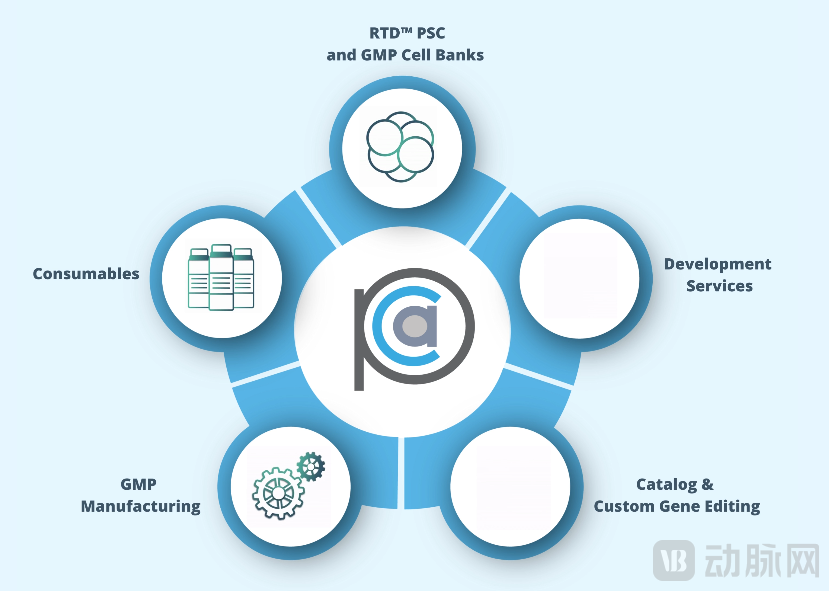
Figure 2: Pluristyx iPSC Full-Process Platform Architecture
1PluriBank: Building a "Ready-to-Use" Cell Source
In the product portfolio, PluriBank is not only a cell repository but also strategically designed as a "raw material warehouse" for clinical development. Leveraging its proprietary non-integrating mRNA reprogramming technology, Pluristyx transforms ethically compliant donor cells into iPSCs and provides both research-grade and GMP-compliant clinical-grade versions. Notably, its PSXi013 series, manufactured using this mRNA process, enables researchers to quickly access low-passage, high-genomic-stability iPSC sources. It has been submitted to the FDA’s Drug Master File (DMF) to support partners in streamlining clinical application processes such as IND filings.
Its core regulatory support is also at the forefront: In February 2025, Pluristyx submitted Type II Drug Master Files (DMF) for its PluriBank CG (Clinical Grade) cell lines to the FDA, covering their Chemistry, Manufacturing, and Controls (CMC) details. This DMF provides partners with directly referenceable regulatory documentation, significantly shortening the timeline from cell procurement to clinical application.
2PluriKit: Achieving Standardization and Scalability in iPSC Culture
In the application of iPSC, there is often a significant technical gap between "being able to grow" and "growing stably": various culture reagents, different handling methods, and batch variations make it difficult to standardize and replicate experiments. PluriKit, however, attempts to transform this process into...ReplicableThe engineering path.
How to "cultivate" in an engineered way? Pluristyx integrates validated substrates with culture formulations, gentle passaging reagents, and pro-survival formulations into a standardized system, complemented by digital assay kits to monitor the quality of the initial cell banks.
PluriKit also demonstrates impressive performance: built-in test data shows that cells grow over 8 times in 4 days, with a doubling cycle controlled at 18–24 hours, viability ≥70% at harvest, and chromosomal karyotype remaining normal.
Of course, two practical issues still need attention: First, any claim of "high-throughput amplification" necessarily relies on strict operational protocols and consistency of raw materials; second, the actual transplantation and clinical performance still require independent functional and safety validation.The value of PluriKit lies in minimizing variables to the greatest extent, providing a controllable starting point for subsequent differentiation and clinical applications.
3PluriForm: Shortening the Time Difference for Organoids from "Weeks" to "Days"
In drug screening and disease modeling, organoids are highly anticipated as three-dimensional cell models. However, traditional processes often take weeks or even months, and variations between batches make results difficult to reproduce. Pluristyx has transformed this challenge into an "everyday tool" with the PluriForm Organoid Kit.
This ready-to-use product contains 25 million ready-to-differentiate (RTD®) iPSCs.Ready for thawing in just 30 minutes, thousands of pluripotent aggregates can be observed within 24 hours (Figure 3), and the cell count can exceed after three days.Hundred Million——This speed and high repeatability provide solid support for the rapid iteration of new drug development and toxicity verification.
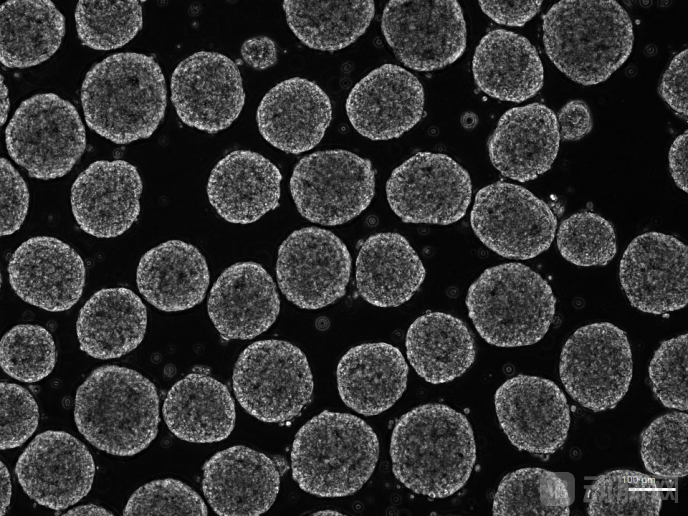
Figure 3: Aggregates produced by RTD iPSC and PluriForm kit and process 24 hours post-thaw
While boasting exceptional speed, PluriForm consolidates the two steps of "aggregate construction and differentiation initiation," which were previously highly reliant on experimental skills, into a single package.Standardization, Easy to ReplicateThe process truly transforms organoids from a laboratory tool into a platform-level research reagent that can be validated at multiple sites. This "toolization" pathway is expected to promote the widespread application of human-related preclinical models, especially against the backdrop of the FDA's 2025 policy advocating the use of organoids as an alternative to animal experiments.
4PluriFreeze: Building the "Last Mile" Supply Safety Net
Even if the upstream cell source ensures quality and safety, if it cannot overcome the "last mile" — cryopreservation and cross-regional transportation — cell therapy cannot truly be implemented. The PluriFreeze cryopreservation system, jointly launched by Pluristyx and Teknova, is an industry-level solution to this critical challenge.
The PluriFreeze system is composed of purely synthetic, animal-component-free materials, including a protective detergent called "PluriFreeze Base" that mimics the intracellular environment and provides metabolic support, and a low-viscosity cryopreservation medium, "PluriFreeze PF10," containing 10% DMSO. It aims to streamline large-scale production and automation processes while enhancing post-thaw viability and functional integrity (even after multiple procedures and extended transportation). As the exclusive manufacturer and distributor of this product series in the U.S. and Canada, Teknova has introduced it to CDMOs and hospital settings, effectively mitigating cell loss risks during delivery.
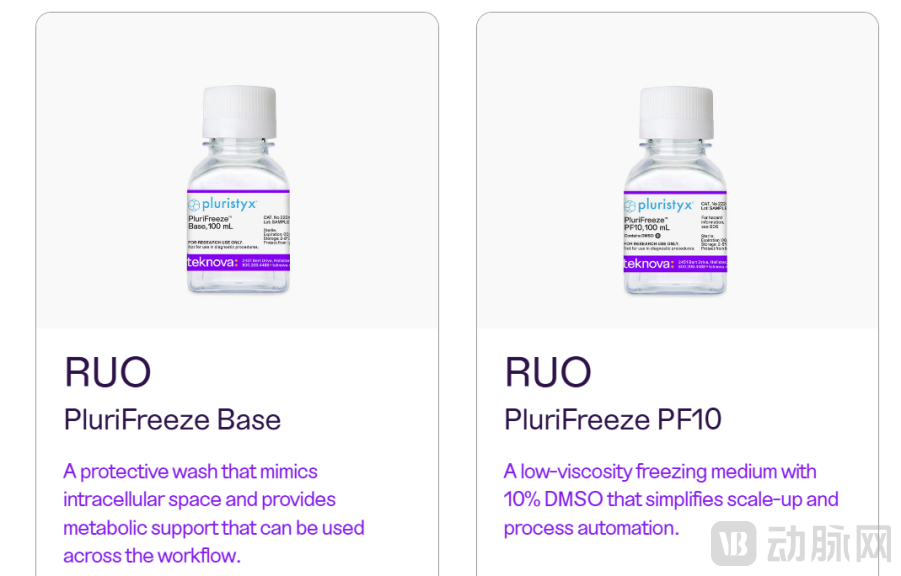
Figure 4: Sample images of PluriFreeze Base and PluriFreeze PF10
From the perspective of the industrial chain, PluriFreeze is not only a cryopreservation medium but also a part of Pluristyx's "product integration" strategy. ItCold Chain StabilityIncorporated into the entire design of cell therapy products, ensuring that cells maintain consistent functionality and quality during storage, transportation, and clinical application. This "technology + logistics" synergy makes truly distributable and widely usable “off-the-shelf” cell therapy solutions possible.
Reflections and Insights on China's iPSC Sector
In recent years, China's iPSC industry is entering a fast track, with multiple companies' Investigational New Drug (IND) applications having been approved by the National Medical Products Administration (NMPA).
In 2023, HiCM-188 from Aierpu Regenerative Medicine received approval from China's NMPA, and in 2024, it obtained FDA IND approval in the United States, achieving dual clinical approval in both China and the U.S. In 2025, NouvNeu001 (a universal iPSC-derived Parkinson’s disease cell therapy product) from Ru Jian Pharmaceuticals initiated Phase II clinical trials in China while simultaneously advancing U.S. clinical trials, achieving "dual filing and dual approval in China and the U.S." In the same year, ALF201 (an iPSC-derived allogeneic endothelial progenitor cell injection for acute ischemic stroke) from Chengnuo Pharmaceuticals received approval from the National Medical Products Administration (NMPA), officially entering Phase II clinical trials.
Pluristyx's approach provides more reference dimensions for this track. It has built its product system into an end-to-end platform, covering multiple aspects such as cell line development, gene editing, cryopreservation and transportation, and organoid modeling. It not only offers standardized and reusable cell sources but also integrates resources like CDMO, testing, and storage through an alliance model, forming an efficient delivery network. This platform-based and ecological approach makes it easier for iPSC to move from the laboratory to clinical and commercial applications.
In terms of product direction, Pluristyx focuses on "universal" and "ready-to-use" cell sources, avoiding the scale bottleneck caused by individualization and customization. In terms of strategic choices, it closely follows regulatory trends, such as launching the PluriForm toolkit that aligns with the FDA's guidance spirit on organoid-based alternatives to animal testing, seizing the compliance advantage. In ecosystem construction, it forms an efficient delivery model of "platform + alliance" through deep integration with upstream and downstream players in cryopreservation, analysis, and manufacturing.
For Chinese iPSC companies that are currently in the industrialization window period, the next round of competition may no longer depend on a single technological breakthrough, but ratherCan the chain of research and development, production, and application be transformed into a system engineering that operates collaboratively to achieve the efficient translation of iPSC technology from the laboratory to clinical applications?