

Zhiyuan Huitu's AI-Powered Community Vision Health Management Project — The 'Shanghai Model' Shows Initial Success
Vistel
Artificial Intelligence Eye Health Product Developer
“This machine is impressive! In just 20 seconds, it can assess your eye health,” said Mr. Li at the event. “I normally wouldn’t think of going to the hospital for a check-up—it’s too much hassle. Happening to attend this event right in our neighborhood today was perfect: no waiting in line, no running around, and you get your report immediately after the screening. It’s incredibly convenient!” exclaimed Mrs. Wang excitedly.
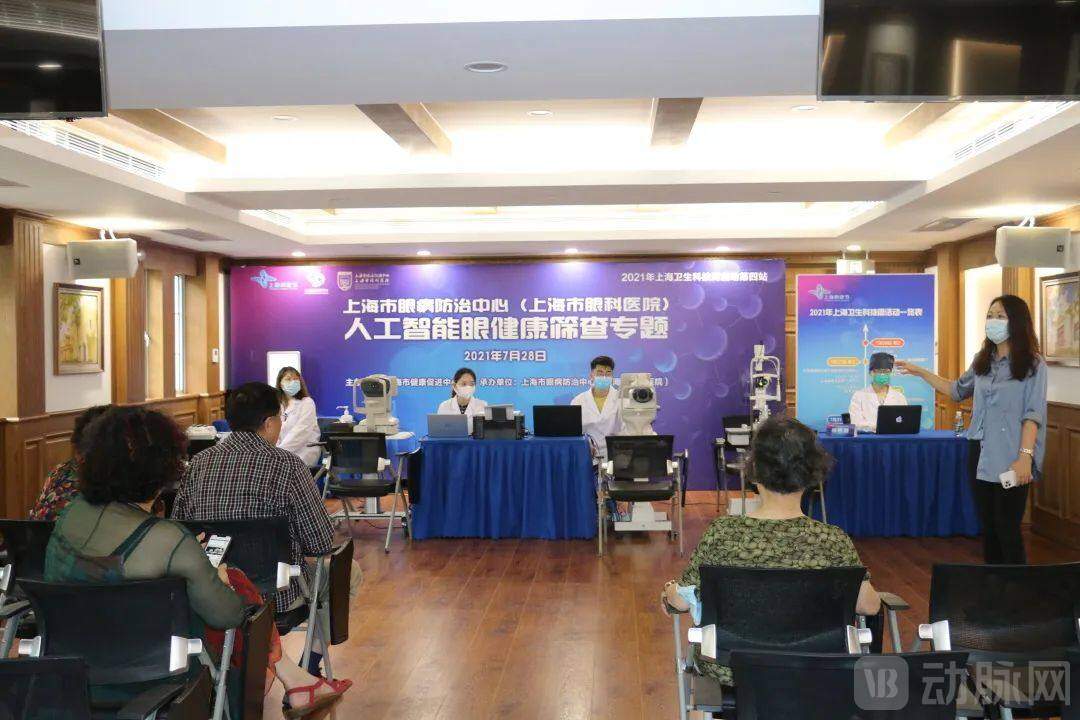
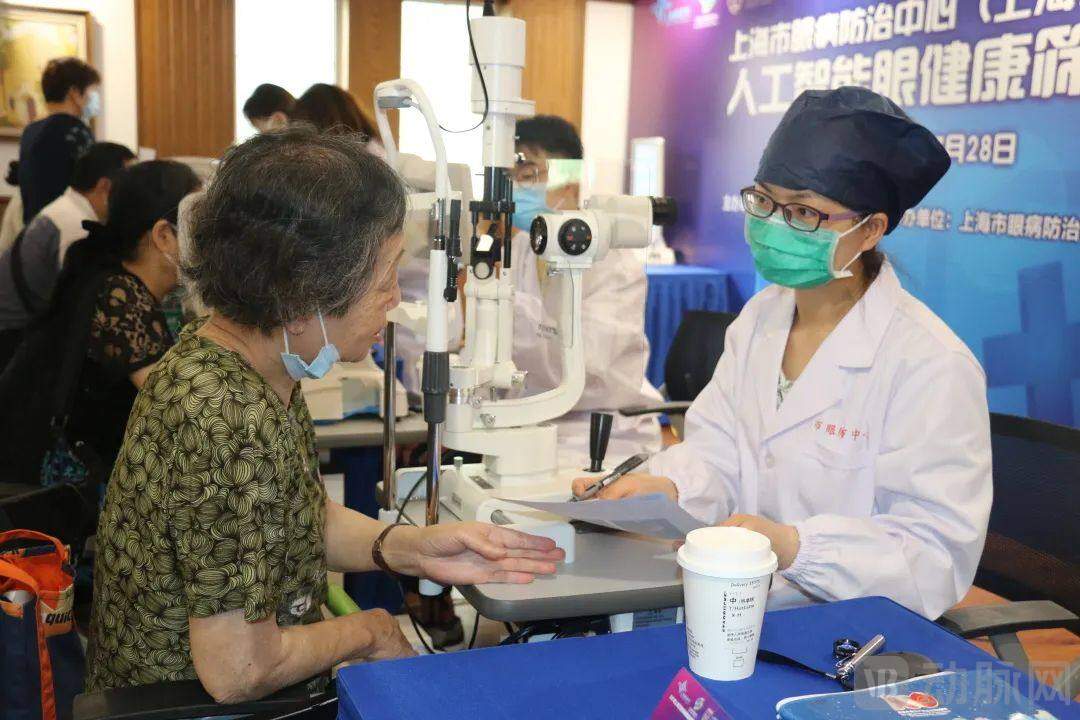
On the morning of July 28, during the 2021 Shanghai Health Science and Technology Week themed “A Century in Review, Revering Science, and Striving for Self-Reliance and Strength,” the Shanghai Eye Disease Prevention and Treatment Center (Shanghai Eye Hospital) hosted the “Fourth Stop of the 2021 Shanghai Health Science and Technology Week—Special Session on AI Eye Health Screening” event at its Hongqiao Road Campus. Numerous community residents visited the venue to experience the cutting-edge technologicalComprehensive AI-powered eye health screening services.
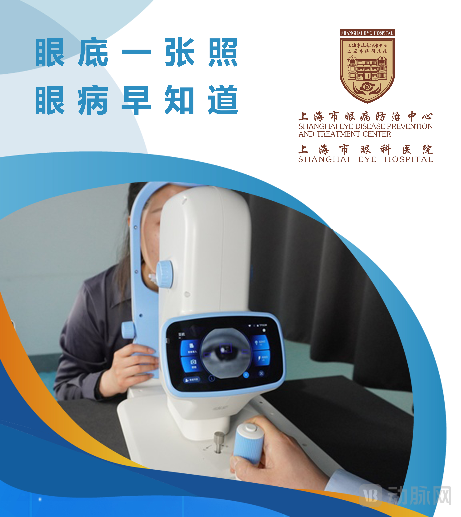
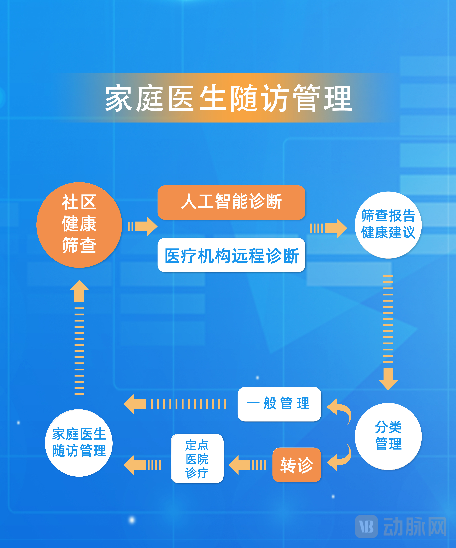
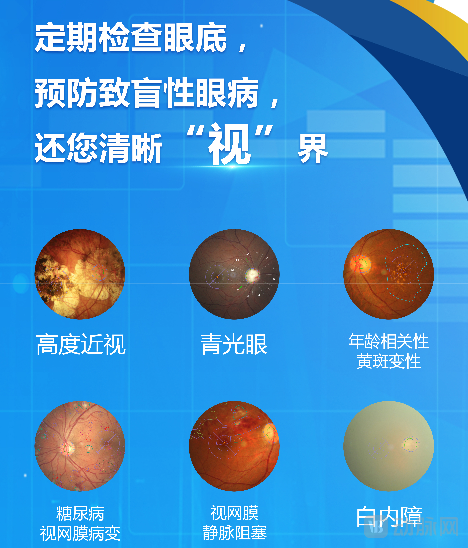
In recent years, the Shanghai Eye Disease Prevention and Control Center (Shanghai Eye Hospital) has established“Three-Tier Eye Health Network + Imaging Acquisition + Internet-Based Remote Management” Eye Disease Prevention and Control System,conducting eye health screenings for Shanghai residents at community health service centers for cataracts, diabetic retinopathy, and high myopia-associated fundus lesions. All screening images will be uploaded to a three-tier eye health information system, where experts from designated secondary and tertiary hospitals will remotely review and confirm the findings.
“However, during the implementation process, the sharp increase in the workload of remote image-reading physicians at secondary and tertiary hospitals led to a decline in remote reading efficiency, severely compromising the satisfaction and compliance of community-dwelling diabetes patients with eye health services.”Professor Zou Haidong, Secretary of the Party Committee and Executive Director of the Shanghai Eye Disease Prevention and Treatment Center (Shanghai Eye Hospital), said,“In recent years, medical artificial intelligence technology has advanced rapidly, and we have also made exploratory attempts in AI-assisted intelligent diagnosis for ophthalmic diseases, achieving certain practical application outcomes.”
Therefore, building upon the existing framework, the Shanghai Eye Disease Prevention and Treatment Center (Shanghai Eye Hospital) integrated AI-assisted diagnosis and further designed a new model for intelligent tiered diagnosis and treatment of eye diseases. Through AI technology, the system achieves automated and standardized output of screening or auxiliary diagnostic results, providing residents with health guidance plans. The pilot program was officially launched in 2019.
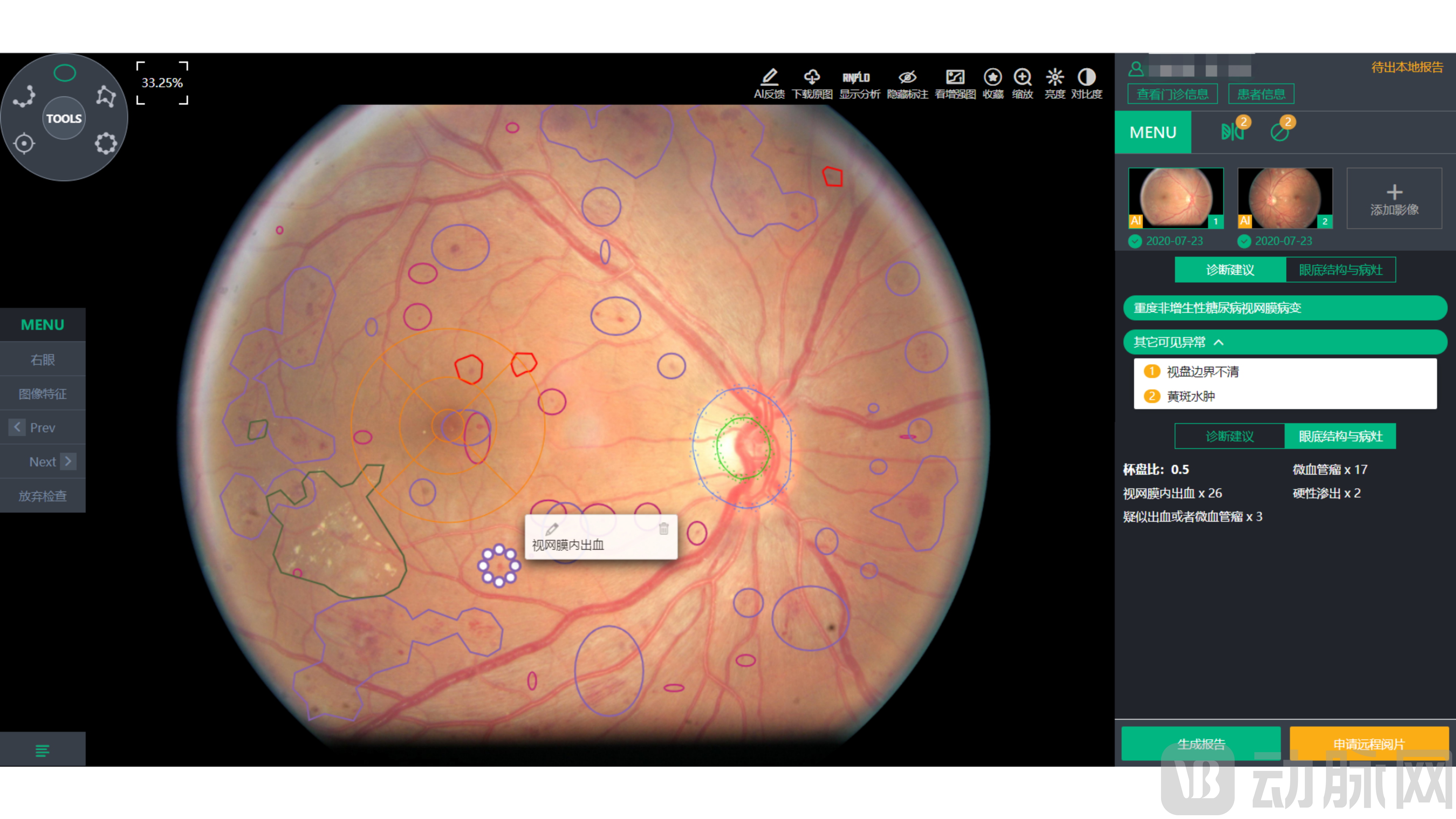
Vistel Artificial Intelligence (AI)-Assisted Diagnostic Software
One of Vistel's medical AI products, the Diabetic Retinopathy Fundus Image Auxiliary Diagnosis Software, officially obtained its Class III Medical Device Registration Certificate from China's National Medical Products Administration (NMPA) on June 8, 2021. Both the Diabetic Retinopathy AI Software and the Multi-disease Fundus Image Auxiliary Diagnosis Software have secured EU CE certification. Notably, the Multi-disease Fundus Image Auxiliary Diagnosis Software is the world's first AI software product to receive CE certification for supporting the auxiliary diagnosis of over a dozen ophthalmic diseases. This product has also been approved under the NMPA's "Special Review Procedure for Innovative Medical Devices" (Class III), making it the first of its kind in China.
Vistel focuses on exploring the application of artificial intelligence (AI) in ophthalmic health. The company currently operates China's premier medical imaging AI laboratory (Vistel AI Lab) and maintains a marketing network spanning China and overseas markets. Centered on the clinical pathway of "screening-diagnosis-treatment-follow-up-disease management," Vistel delivers solutions powered by AI and intelligent ophthalmic hardware, with multiple ophthalmic AI products currently undergoing development and regulatory registration. Vistel has consistently maintained its technological leadership and innovative momentum, successfully validating mature application models across clinical and broader healthcare settings in China. Having secured victories in global product and technology competitions, the company pioneered international expansion, achieving large-scale commercial deployment in EU countries such as Germany, France, and Spain. Vistel steadfastly upholds its core mission and belief: "to solve clinical challenges through innovative technology and serve the health of all humanity."
Under the guidance of the Shanghai Eye Disease Prevention & Treatment Center (Shanghai Eye Hospital), Vistel has contributed to the "Shanghai Model" by providing AI-assisted diagnostic technology support. During the initial pilot phase, Vistel successfully integrated its AI system with the Shanghai Health Cloud Platform, enabling doctors at community health centers to view AI analysis results within 20 seconds through their existing information systems. The AI's lesion outlining and qualitative/quantitative analysis effectively enhanced the comprehensive eye health capabilities of primary care physicians, making the screening and diagnostic process evidence-based. This has alleviated pain points such as the shortage of specialized ophthalmic personnel and the limited scope of eye health services at the community level. It allows residents to gain a clear, at-a-glance understanding of their eye health status from a single fundus photograph, thereby facilitating early detection, early prevention, and early treatment. At the same time, it has created precise, efficient, convenient, and fastA New Experience in Smart Eye Health Services.


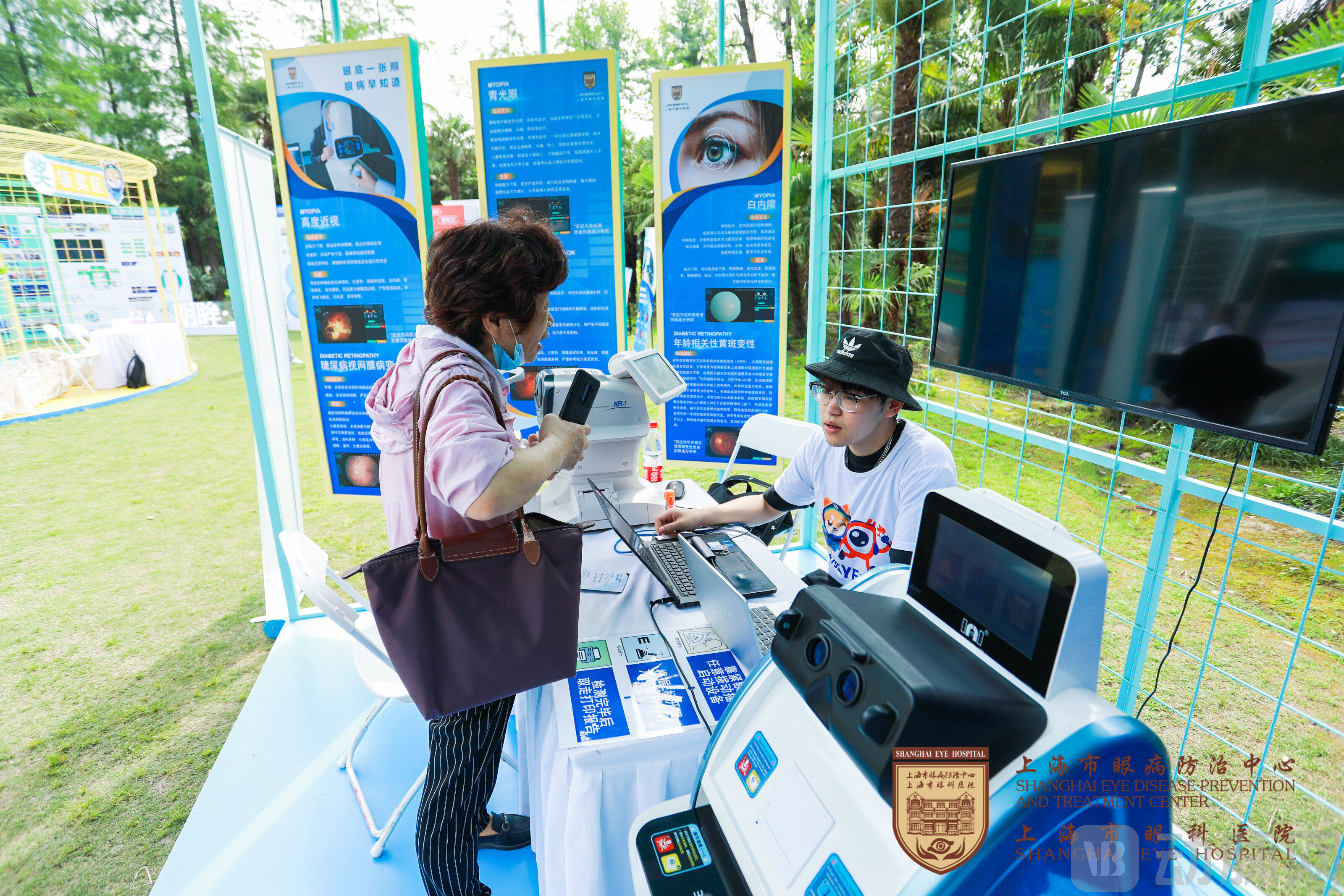
June 6, 2021 marked the 26th National "Eye Care Day". The Shanghai Eye Disease Prevention and Treatment Center (Shanghai Eye Hospital) hosted a series of "Eye Care Day" themed activities featuring rich content and diverse formats. Among them, the AI vision health screening public welfare experience zone attracted significant attention from local residents. With the assistance of AI-aided diagnosis, doctors provided on-site interpretations of color fundus photography results for patients. Through AI-driven lesion annotation, qualitative and quantitative analysis, and disease knowledge explanations within electronic reports, the process not only significantly reduced communication costs with patients but also made it much easier for them to understand the screening results and their clinical significance.

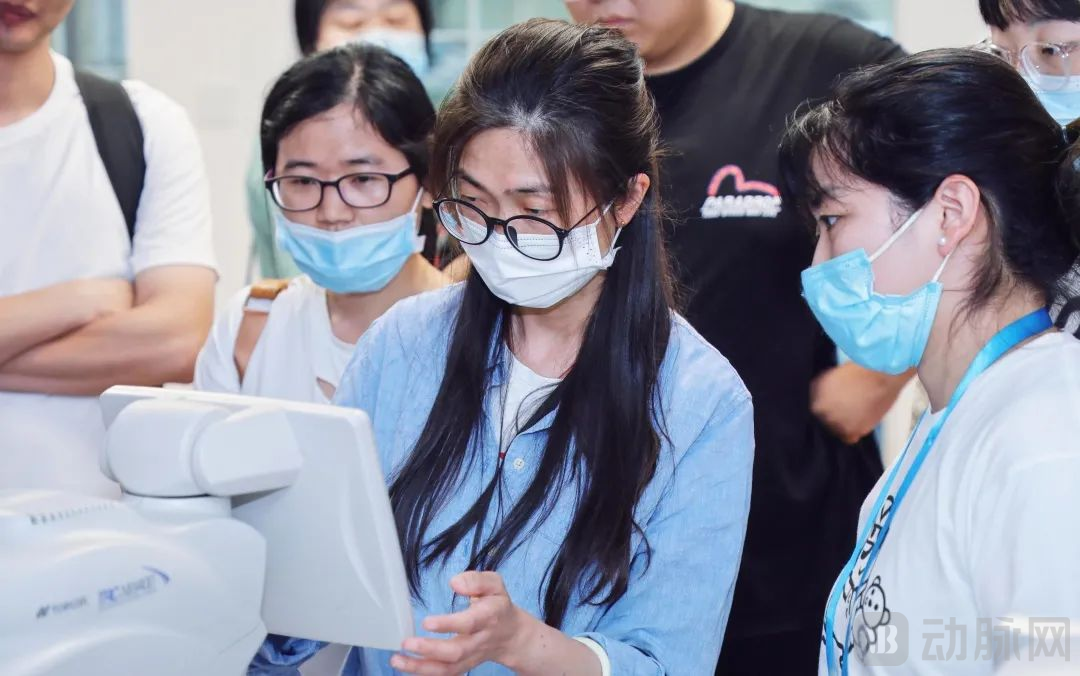
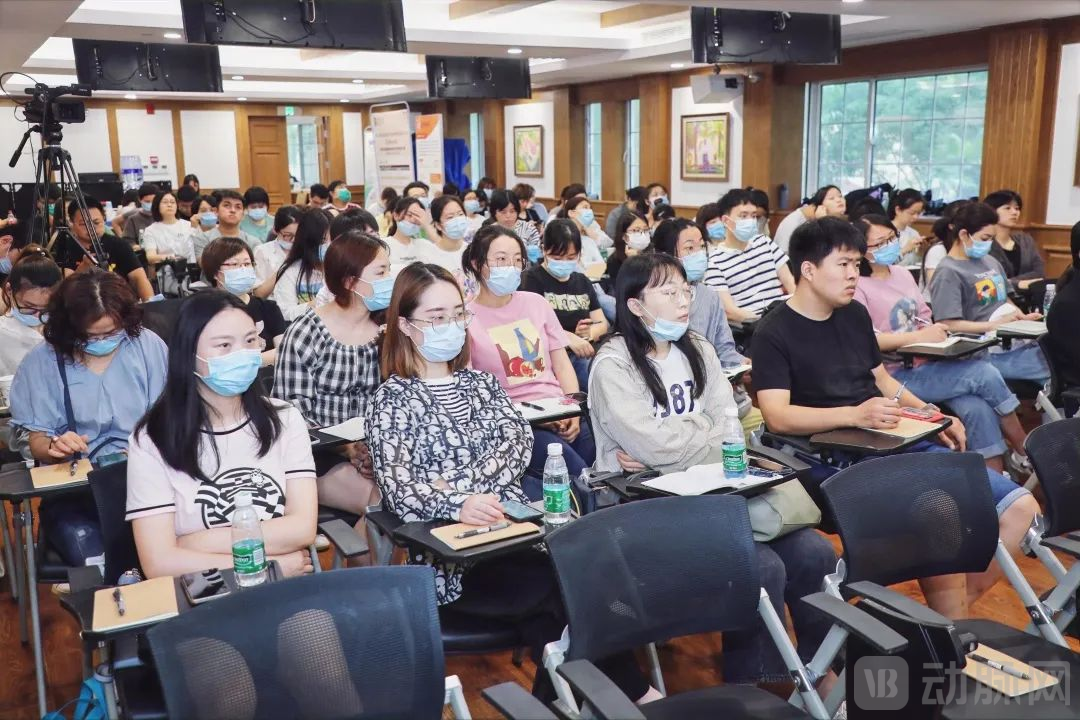
At the 2021 “Primary Eye Care Conference”, Professor Zou Haidong conducted a mid-term evaluation of the pilot project. Among the 17 pilot sites across 16 districts citywide, including the pioneering ophthalmology clinic at the Changfeng Community Health Service Center in Putuo District and the Yinxing Community Smart Health Hut in Yangpu District, AI-assisted diagnosis not only garnered positive feedback from primary healthcare providers and patients, but its stability and accuracy were also unanimously recognized by expert physicians.
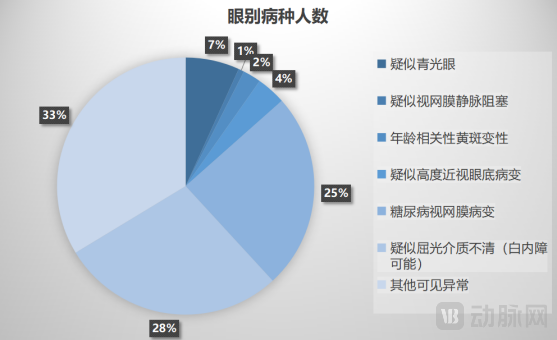
Professor Zou Haidong stated, "Eye disease screening is crucial for the prevention and control of blinding eye diseases." Pilot data revealed that nearly 40% of the screened individuals exhibited visual health abnormalities. Based on AI results, we found that among common eye diseases, nearly 20% were explicitly indicated as requiring referral for treatment. Community doctors utilized the referral system to communicate directly with designated secondary and tertiary hospitals, guiding these patients on subsequent referrals and follow-up visits, thereby providing a comprehensive service spanning screening, diagnosis, and treatment. The integration of AI-assisted diagnosis was key to successfully activating the community-level "screening gateway" for eye diseases, significantly improving the efficiency of establishing eye health records in Shanghai, while truly achieving early screening, early detection, and early treatment.
Over the next two years, the Shanghai Eye Disease Prevention and Control Center (Shanghai Eye Hospital) will promote the widespread application of the "Shanghai Model" across the city. Under the guidance of the Shanghai Eye Disease Prevention and Control Center (Shanghai Eye Hospital) and leaders at all levels, Vistel will also continuously explore the application of information technology and artificial intelligence in the prevention, diagnosis, and follow-up of eye diseases, steadily enhancing the informatization and intelligent management level of eye health screening.
AI-assisted diagnosis plays a pivotal role in the digital transformation of ophthalmic disease prevention and control. In the future, its applications will expand from specific populations and targeted conditions to encompass the entire life cycle, a broader spectrum of eye diseases, and a wider array of examination modalities, thereby constructing a more resilient, solid, and robust integrated system for eye disease prevention and management across the entire population.
Vistel has extensively participated in the implementation of similar models across multiple regions in China, including Shanghai, Jiangsu, Xinjiang, the Beijing-Tianjin-Hebei region, and Southwest China. Its AI solutions have been widely deployed across these areas, accumulating extensive project experience. In the future, Vistel will continue to deliver more precise, efficient, and cost-controllable comprehensive intelligent vision health management solutions to local healthcare systems and medical institutions, enabling residents to enjoy convenient, high-quality vision health services with enhanced accessibility, tangible benefits, and advanced technological integration.