What Did Haven Medical Do Right to Go Public Just Five Years After Its Founding?

Hanyu Medical
Structural Heart Disease Interventional Devices and Electrophysiology Product R&D, Manufacturer
On September 13, 2021, after passing the HKEX listing hearing, Hanyu Medical's prospectus was published online.
In the field of structural heart disease, the mitral valve intervention sector stands as the most critical track. Currently, only seven products worldwide have obtained regulatory approval (FDA/CE), and merely one imported product has been approved for market launch in China. However, the patient population requiring treatment numbers in the tens of millions and is experiencing rapid growth, representing a vast blue ocean for medical device manufacturers.
Hanyu Medical's interventional device for mitral regurgitation, ValveClamp, completed patient enrollment for its confirmatory clinical trial in March this year, and is poised to become the first domestically produced transacatheter mitral valve intervention (TMV) device;
In the field of electrophysiology, the PFA (Pulsed Field Ablation) track for treating atrial fibrillation represents an emerging blue ocean market. Currently, only one product globally has obtained CE certification, and no products have yet been launched in China. Hanyu Medical's PFA device has filed multiple patents, completed early-stage animal studies, and demonstrated results that meet expectations;
In veterinary medicine, particularly in the field of the most common canine heart disease, the market for effective therapeutic devices targeting mitral regurgitation remains virtually untapped, representing an overlooked blue ocean. Hanyu Medical’s V-clamp, an interventional device for mitral regurgitation in pets (particularly canines), has entered the clinical application phase in China, the United States, Italy, Japan, Israel, and other countries, and is projected to achieve commercial-scale sales in the second half of this year.
Three key tracks, three major fields, star products leading the charge, and a multi-category layout building a competitive moat. Delivering comprehensive solutions, Hanyu Medical, as a rising star among China-produced innovative medical devices, is rapidly ascending.
Structural heart disease is the fastest-growing area in cardiovascular intervention in recent years, primarily encompassing valvular heart disease, congenital heart disease, and cardiomyopathy.
Heart valves are fundamental structures of the heart. Based on their morphology and location, there are four types of valves in the human heart: the mitral valve, tricuspid valve, aortic valve, and pulmonary valve; valvular diseases are primarily classified into two types: stenosis (failure to open completely) or regurgitation (failure to close completely).
Among them, mitral regurgitation (MR) is the most common and highest-incidence valvular heart disease, with a prevalence approximately four times that of aortic stenosis (AS). In 2019, MR accounted for 45.4% of global patients with valvular heart disease.
However, due to the limitations of existing treatment modalities, most patients miss the optimal treatment window owing to a lack of effective therapies, thereby exacerbating the burden on patients, their families, and society.
From a physiological perspective, the heart beats continuously approximately 3 billion times over a lifetime, inevitably leading to the gradual degeneration of heart valves with advancing age. According to authoritative statistical data from the past two years in China, there are currently about 7.5 million patients requiring interventional surgical treatment for mitral regurgitation (MR) of moderate-to-severe grade or higher.
Meanwhile, as China's population is aging at a faster pace than the global average, the growth rate of the patient population with mitral regurgitation (MR) also exceeds the global level. According to a Frost & Sullivan report, the global number of patients with moderate-to-severe MR grew at a compound annual growth rate (CAGR) of 1.8% from 2015 to 2019, and is expected to reach 122 million by 2030. In China, the CAGR over the same period was 2.5%, with the number of patients projected to reach 13.4 million by 2030.
With the continuous increase in life expectancy and the steady improvement of living standards in China, patients' willingness to pay for advanced surgical procedures to enhance their quality of life is also continuously growing.
Longer lifespans, heightened health awareness, and a greater willingness to pay will collectively drive a further increase in the consultation and treatment rates for MR.
Historically, the primary treatment modalities for MR have been pharmacotherapy and open-chest surgery. However, pharmacotherapy cannot fundamentally alter disease progression, while surgical intervention suffers from low patient acceptance due to its high invasiveness and elevated risks. Currently, only approximately 40,000 MR surgical procedures are actually performed annually in China, with a penetration rate of less than 1%. Moreover, approximately 49% of patients are ineligible for surgery, leaving a substantial unmet market potential.
This means that the market for mitral valve interventional therapy, characterized by minimal invasiveness, high safety, rapid recovery, and less pain, holds enormous potential.
Depending on the clinical stage of the patient's condition, TMV is classified into two approaches: valve repair and valve replacement.
In comparison, valve replacement products are more suitable for patients with advanced-stage disease and present greater R&D challenges, owing to the mitral valve's unique saddle-shaped anatomy and the specific characteristics of the atrioventricular lumen. Among mitral valve repair modalities, transcatheter edge-to-edge repair (TEER) currently boasts the strongest clinical evidence and is the most widely utilized technique (with over 100,000 procedures performed globally). It has been recommended by guidelines from the American College of Cardiology (ACC) and the European Society of Cardiology (ESC), alongside other technical approaches such as annuloplasty and chordal implantation.
Currently, six TMV devices are undergoing relevant clinical trials in China, among which the transapical TEER device independently developed by Hanyu Medical—ValveClamp—has completed the enrollment of all clinical patients for the pivotal clinical trial in March this year.
In September 2020, ValveClamp was granted the "Special Review Qualification for Innovative Medical Devices" by the NMPA, making it the first TMV product in the field of mitral valve interventional therapy to obtain this qualification and enter the green channel.
As of press time, the confirmatory clinical trial for ValveClamp has completed patient enrollment (102 subjects), with 80% of the subjects having completed follow-up. It is expected to receive marketing approval in early 2023, poised to become the first China-produced TMV device and the world's first transapical TEER device.
For innovative medical devices, a first-mover advantage in timing directly translates to market share.
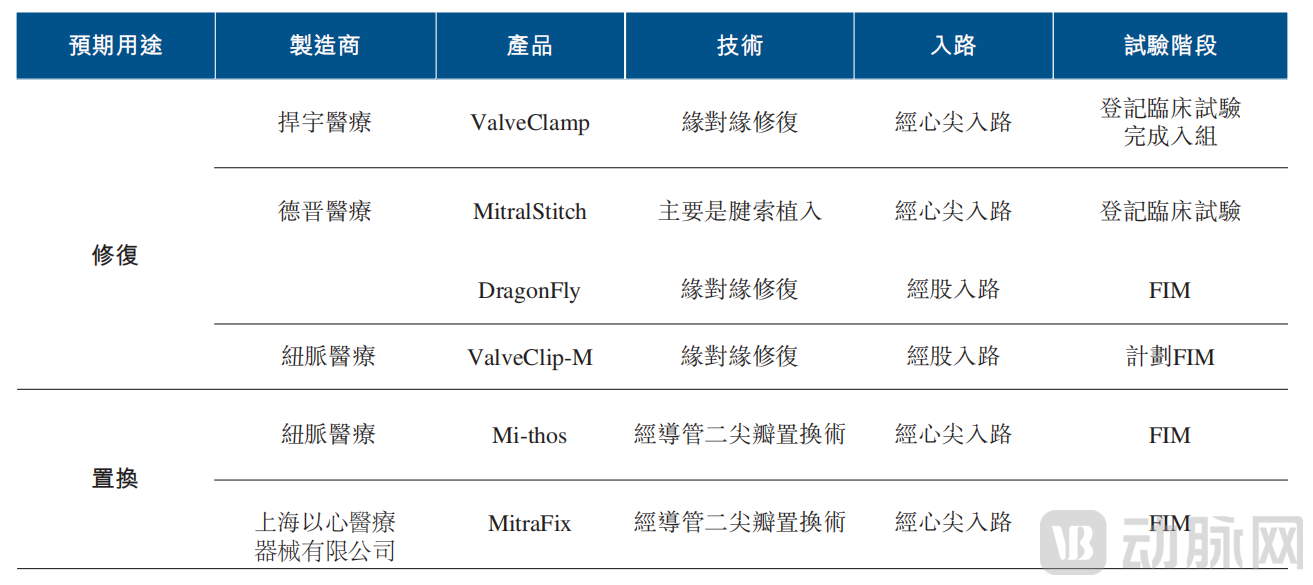
ValveClamp’s proprietary transapical edge-to-edge repair technique, compared with other transfemoral TEER devices, features a shorter interventional access route and simpler procedural operation, significantly shortening the physicians’ learning curve and enabling both cardiac surgeons and cardiologists to quickly achieve proficiency, thereby facilitating rapid and widespread clinical adoption;
Meanwhile, ValveClamp has minimal reliance on hardware equipment and does not require a DSA machine, which not only avoids X-ray exposure for both patients and physicians but also enables its clinical application in routine cardiac surgery departments across various hospitals;
The ValveClamp system features a highly streamlined design with just over 10 components, intraoperatively, a single clip is sufficient for the vast majority of patients to achieve successful repair, thereby benefiting the public while reducing national healthcare costs;
Additionally, compared to transfemoral TEER devices, the ValveClamp procedure is significantly shorter. The average catheter time is only 27 minutes, which decreases to an average of 10 minutes once clinicians are familiar with the device, with the fastest cases taking just 5 minutes. This efficiency aligns with China's national conditions of a large patient volume and relatively limited physician and medical resources, enabling more patients to be treated within the same timeframe.
As a major original innovation aligned with China's national conditions, all the advantages of ValveClamp are based on a profound understanding of medical principles, a thorough mastery of clinical practice, an intimate familiarity with the realities of Chinese physicians and patients, and a firm conviction to benefit more patients through China-made innovation.
Notably, ValveClamp also serves as a model for Chinese physicians, who, in alignment with the national innovation and translational strategy, collaborate with innovative enterprises in China to jointly explore project implementation pathways tailored to China's specific conditions.
The depth of expertise determines the height of development, while the product portfolio determines the breadth of the market.
In an interview, Mr. Tang Yushen, CTO of Hanyu Medical, emphasized that the company places particular emphasis on the coordinated use of medical devices and integrated therapies, aiming to create product synergy and fortify its product ecosystem "wall".
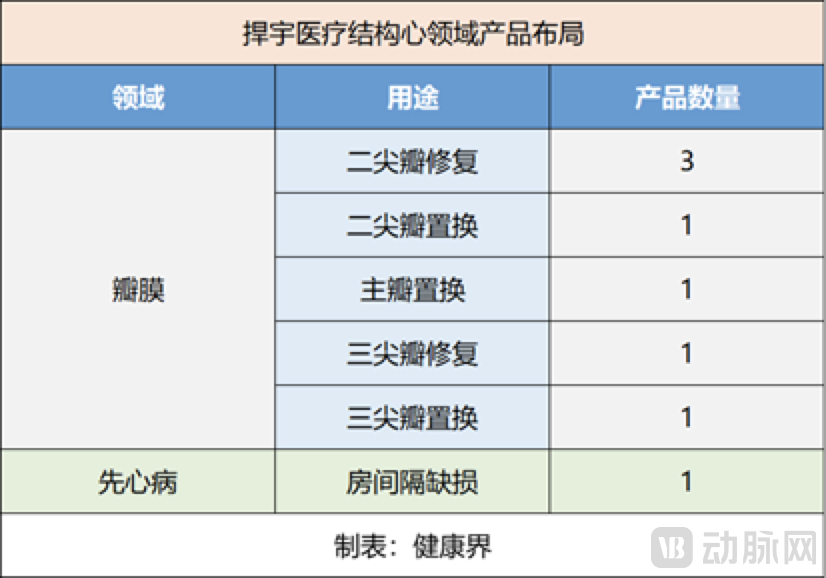
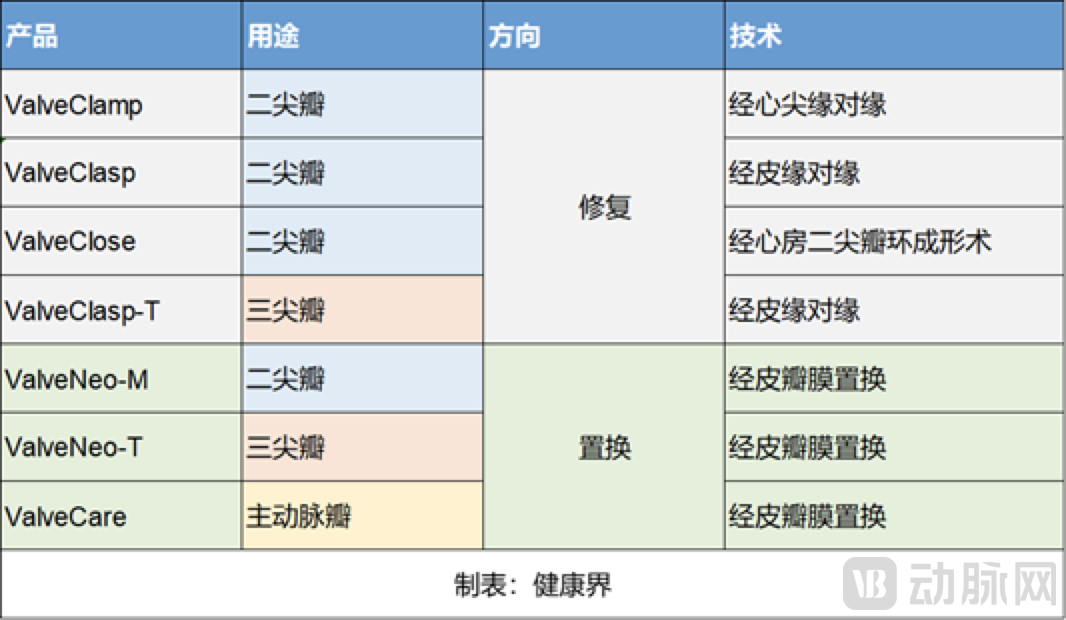
Currently, Hanyu Medical’s portfolio of valvular therapeutic devices already encompasses mitral valve repair (3) + replacement (1), aortic valve replacement (1), and tricuspid valve repair (1) + replacement (1). This strategic layout, which spans nearly the entire value chain for valve-based products, enables Hanyu Medical to navigate future market competition with greater agility.
This means that Hanyu Medical possesses both a first-mover advantage and a product pipeline advantage.
The proliferation of homogeneous products inevitably leads to the inescapable fate of centralized procurement. Meanwhile, national policies continue to emphasize an innovation-driven strategy focused on originality and differentiation. Consequently, differentiated product competition, a diversified product pipeline, and the exploration of blue-ocean markets represent the pathway to rapid growth for domestic innovative enterprises.
Congenital heart disease represents another niche segment within structural heart disease. Targeting atrial septal defect (ASD), Hanyu Medical has strategically positioned ReAces.
ReAces addresses the global challenge of transoccluder puncture. It not only ensures safe and effective occlusion, but also significantly reduces adverse effects associated with metal ion release from implanted devices. Furthermore, it preserves an access pathway for subsequent transseptal puncture interventions, thereby safeguarding patients' opportunities for future minimally invasive procedures.
6. Global Patents in Overseas Markets
Hanyu Medical targets the global market, with concurrent global patent filings for all its core products.
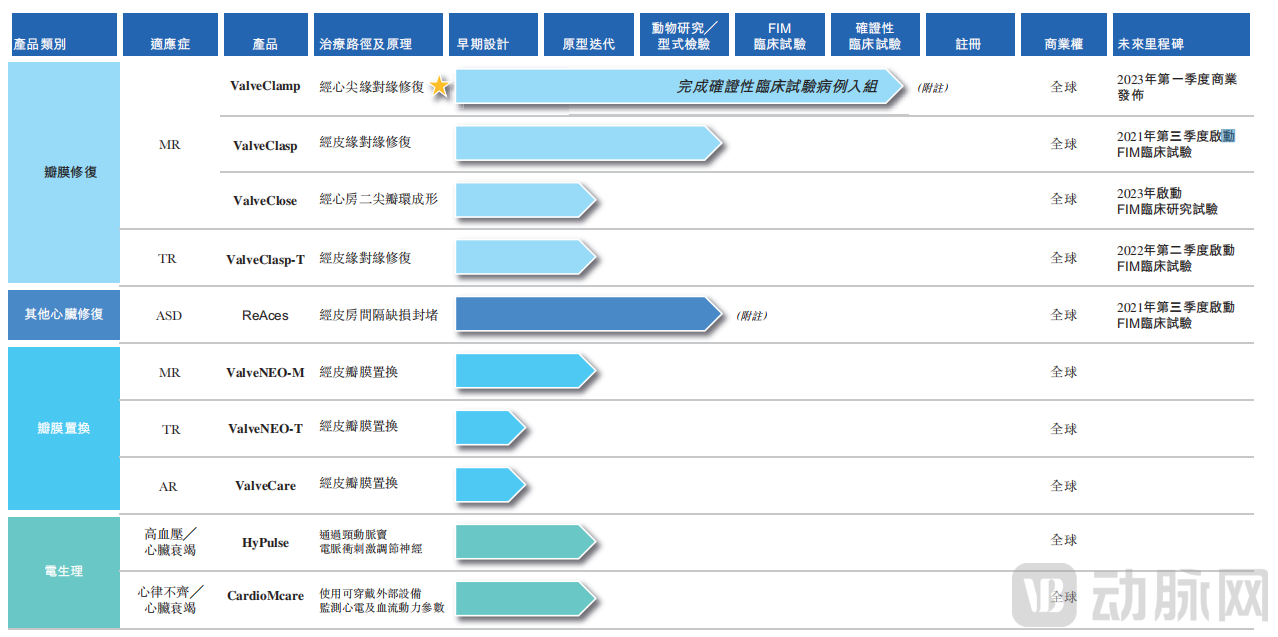
Relying solely on the market in China cannot guarantee sustained high-speed growth; truly innovative products must set their sights on the global market. This trajectory is guided by policy, driven by the accumulated strength of long-term basic research in China and medical technology, and represents the inevitable choice for China-made enterprises under market-oriented conditions. It precisely reflects the essence of high-tech medical enterprises: creating value and winning the market.
The prospectus indicates that Hanyu Medical will submit the CE certification application for ValveClamp within this year. Under its global strategy, ValveClamp plans to prioritize the European market, leverage the CE certification to expand into the Southeast Asian market, and subsequently capture the substantial growth potential in the TMV markets across the United States, Japan, Australia, and worldwide.
From the company name "Hanyu Medical", one can also appreciate its lofty founding vision of leveraging Chinese intelligent manufacturing to "safeguard life and benefit the world."

The unrelenting efforts of successive generations of Chinese people have propelled China's aerospace, high-speed rail, quantum information, ultra-high voltage power transmission, and 5G technologies to successively lead the world, substantially capturing overseas markets through their superior cost-effectiveness and exceptional performance.
The same should apply to the medical device industry.
This technological and product confidence has been forged upon the foundation of confidence in the path, the theory, the system, and the culture.
Driven by clinical needs has always been the core philosophy of Hanyu Medical's innovation.
Within the broader "cardiac" field, structural heart disease, atrial fibrillation, and heart failure frequently coexist. For example, the vast majority of patients in the late stages of atrial fibrillation exhibit symptoms of mitral regurgitation, while many patients with moderate-to-severe mitral regurgitation also present with heart failure symptoms.
In a media interview at the beginning of the year, Academician Ge Junbo of Zhongshan Hospital, Fudan University, also emphasized that there are significant opportunities in the three fields of valvular heart disease, atrial fibrillation, and heart failure.
Targeting the electrophysiology sector for arrhythmia-related diseases such as atrial fibrillation, Hanyu Medical will certainly not be absent.
According to Frost & Sullivan data, China's electrophysiology device market size was nearly RMB 5 billion in 2019. Driven by factors such as the accelerating aging population and a growing number of arrhythmia patients, the market is projected to reach RMB 18.78 billion by 2024, with the global electrophysiology market approaching USD 10 billion.
The release of documents such as 《Healthy China Action (2019-2030)》 and 《Notice on Printing and Distributing the Technical Plan for Tiered Diagnosis and Treatment of Atrial Fibrillation》 promotes the downward expansion of chest pain centers and atrial fibrillation centers, which will further drive the rapid growth of electrophysiology procedures in the grassroots incremental market.
Over the past decade, foreign brands have captured nearly 90% of the domestic market, indicating that domestic substitution holds great potential. The significance of the electrophysiology market for Chinese innovative enterprises is self-evident.
Mr. Tang, CTO of Hanyu Medical, holds a master's degree from Shanghai Jiao Tong University and has over a decade of experience in medical device R&D and upstream product development. He previously worked at Boston Scientific and MicroPort, focusing on the R&D of electrophysiology and neurostimulation products. In the interview, he stated that in the near future, electrophysiology and structural heart disease will form a "dual-wheel drive and parallel advancement" strategic framework for Hanyu Medical.
Furthermore, with the rapid expansion of Hanyu Medical Group’s businesses in structural heart disease, electrophysiology, veterinary healthcare, and the design and manufacturing of medical device components, the company’s overall structure will evolve into a "strong torso and powerful limbs" model.
Specifically regarding product portfolio strategy, the electrophysiology sector similarly emphasizes the potential for complementary medical device combinations, aiming to generate product synergy and deliver comprehensive solutions for structural heart disease, atrial fibrillation, and heart failure.
As its first-of-its-kind product in China, HyPluse (Carotid Sinus Stimulator) is indicated for the treatment of both atrial fibrillation and heart failure.
Through early animal studies, Hanyu Medical has validated the efficacy of HyPluse, demonstrating superior outcomes compared to clinical data from other neurostimulation-based technologies.
CardioMcare (Wearable ECG and Hemodynamic Parameter Monitoring Device) is an auxiliary diagnostic medical device developed by Hanyu Medical in the electrophysiology field. This product provides patients with treatment efficacy evaluation and disease progression monitoring covering the entire life cycle. It is particularly designed to assist in efficacy assessment and real-time follow-up during preoperative diagnosis and postoperative rehabilitation, effectively addressing the challenge of real-time accessibility to diagnosis and treatment for patients.
In the field of electrophysiology, in addition to its "active devices + consumables" product portfolio, Hanyu Medical has also established a therapeutic device portfolio for "implantable + interventional" applications.
For example, in the field of ECG monitoring, Hanyu Medical has also expanded into Implantable Cardiac Monitor (ICM) devices.
In the field of atrial fibrillation ablation, pulsed field ablation (PFA), as a novel therapeutic modality, has significantly further improved the safety and efficacy of atrial fibrillation treatment since its first-in-human application in 2018.
Whether observed through the escalating investments by global medical device giants or the recent funding trends in related sectors within China, the pivotal role of Pulsed Field Ablation (PFA) technology in the future landscape of atrial fibrillation treatment is unmistakable.
Currently, no PFA products are commercially available in China, and globally, only one product has obtained certification (CE). The entire blue-ocean market is ripe for development.
According to the CTO of Hanyu Medical, the research and development of related products is advancing rapidly.
Since the inception of ValveClamp, medical-engineering integration has been deeply embedded in the DNA of Hanyu Medical.
From surgical technique adoption, product prototype design, and animal studies to clinical trials, throughout the R&D process of every medical device, the R&D team at Hanyu Medical collaborates closely with physicians and experts in relevant fields. As early as the sketch design phase, Hanyu engineers already engage in in-depth discussions and surgical procedure simulations with clinicians.
This development model not only significantly accelerates the R&D and iteration speed of innovative products, but also substantially mitigates potential clinical application risks at the early design stage, thereby enhancing the safety and efficacy of the innovative products.
The core technical personnel at Hanyu Medical all possess over ten years of product R&D experience in relevant fields. The team features a comprehensive and fully integrated functional structure, covering core processes in the R&D and commercialization of innovative medical devices, including clinical medicine, engineering, materials science, product development, quality control, and manufacturing process scale-up. The leadership team has a thorough understanding of internationally proven innovation pathways such as the Israeli and American models, maintains a clear awareness of the innovation bottlenecks that must be overcome in China, and is highly confident in the rise of Chinese-produced innovative medical device enterprises.
In February 2020, the homepage of the College of Veterinary Medicine at Colorado State University (CSU), ranked third in the United States for veterinary medicine, featured the following news:
“This was the first successful beating-heart mitral valve repair in a dog with severe mitral regurgitation.”
The main subject mentioned in the text is the pet version of ValveClamp——V-clamp.
Mitral valve regurgitation is the most common cardiac disease in geriatric dogs, with a prevalence of up to 20–30%, and has become a leading cause of death.
Similar to the conventional treatment dilemma of human MR, characterized by “limited efficacy of pharmacological therapy and low acceptance of surgical intervention,” canine mitral regurgitation faces the same challenges.
The news mentioned at the beginning of the article also noted that veterinarians at CSU have spent nearly a decade searching for new treatments for canine mitral regurgitation (MR).
The V-clamp fills the gap in interventional medical devices for mitral regurgitation in pet dogs.
Due to the small body weight and narrow vasculature of pets, transvascular interventional therapy is not feasible, making the transapical edge-to-edge mitral valve repair technique one of the most promising treatment options for mitral regurgitation (MR) in pets.
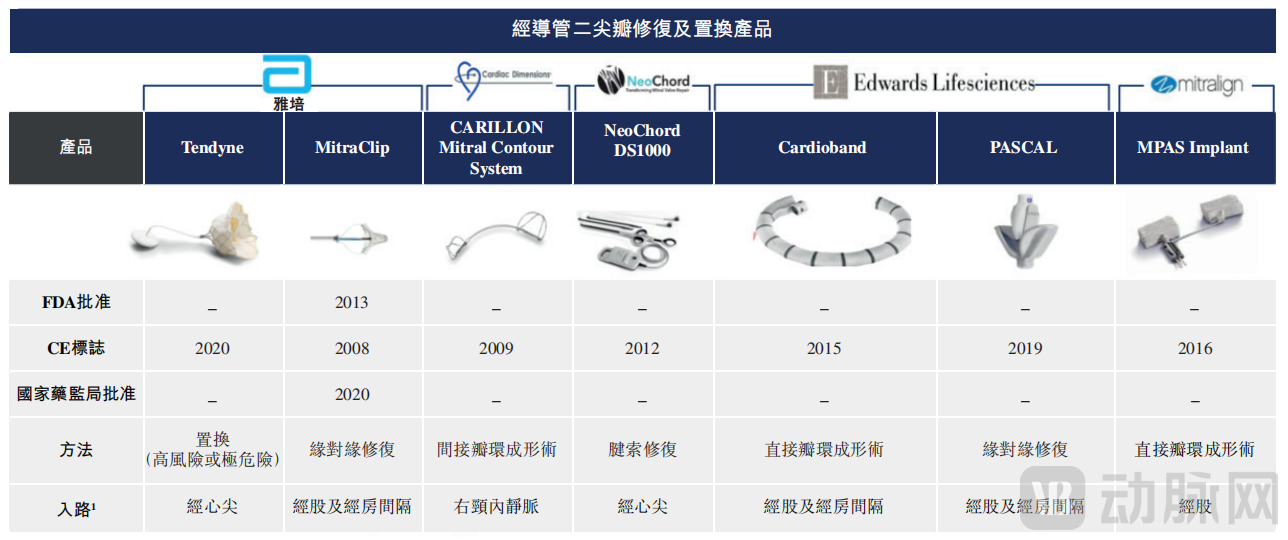
(7 FDA/CE-Approved TMV Products)
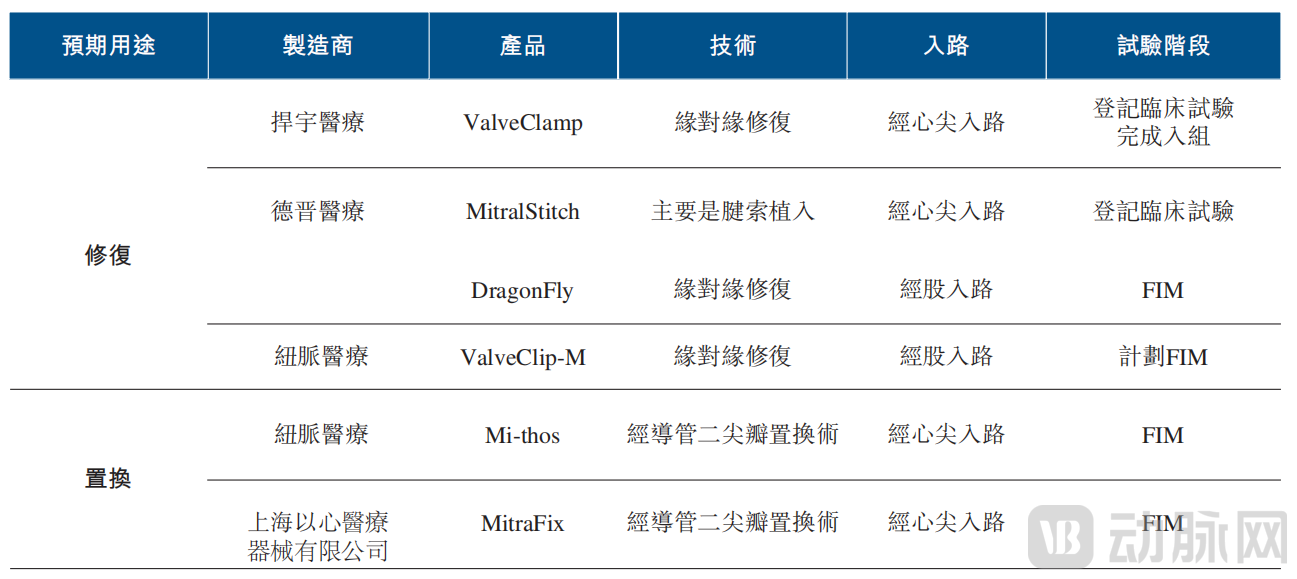
(6 TMV Devices Undergoing Clinical Trials in China)
In July 2019, Hanyu Medical established its subsidiary Hongyu Medical, dedicated to the research and development of interventional devices for canine heart disease; two months later, Hongyu Medical founded its wholly-owned subsidiary Xinyu Pet Medical, focusing on the screening, diagnosis, and treatment of canine mitral valve disease; four months thereafter, Shanghai Xinyu Pet Hospital commenced operations, becoming a global specialist training and clinical center for canine cardiology.
According to the "2020 China Pet White Paper", there were 52.22 million pet dogs in urban areas of China in 2020.
This figure will continue to rise.
Based on Japan's experience with population aging, people's emotional need to treat pets as family members will intensify in tandem with the aging process.
Compared with the household pet ownership rates of 67% in the United States and 44% in the United Kingdom, China's figure of 17% also indicates vast market potential.
Regarding the future market size, Hanyu Medical estimates that approximately 30 million dogs worldwide with mitral regurgitation are in urgent need of treatment. With overseas prices for related products at around $12,000 per set (77,500 RMB), this market is poised to become a blue-ocean market valued at over 100 billion RMB.
The product's popularity further attests to the market's strong demand.
In addition to the CSU College of Veterinary Medicine mentioned earlier, veterinary hospitals at numerous universities worldwide are collaborating with Hanyu Medical on various projects. Currently, the V-Clamp has entered the clinical application phase in over 30 developed countries, including the United States, the United Kingdom, France, Germany, and Japan, and is expected to achieve large-scale commercial sales in the second half of this year.
Following the same product strategy, Hanyu Medical has also miniaturized the Transcatheter Mitral Annuloplasty System ValveClose to develop the V-Closer, a trans-precordial annuloplasty device suitable for pets. The product is currently undergoing efficacy validation, with pilot sales expected to commence before the end of 2021.
The pet multi-parameter ECG monitoring system it developed utilizes wearable physical sensors to monitor multiple parameters such as electrocardiogram (ECG) and body temperature, thereby reducing the labor costs associated with veterinary medical diagnostics.
By miniaturizing human medical innovations for veterinary applications and reverse-translating the experimental data and clinical experience from pet innovations back to human healthcare, Hanyu Medical’s unique cross-disciplinary innovation synergy generates a highly efficient developmental momentum, effectively achieving twice the results with half the effort.
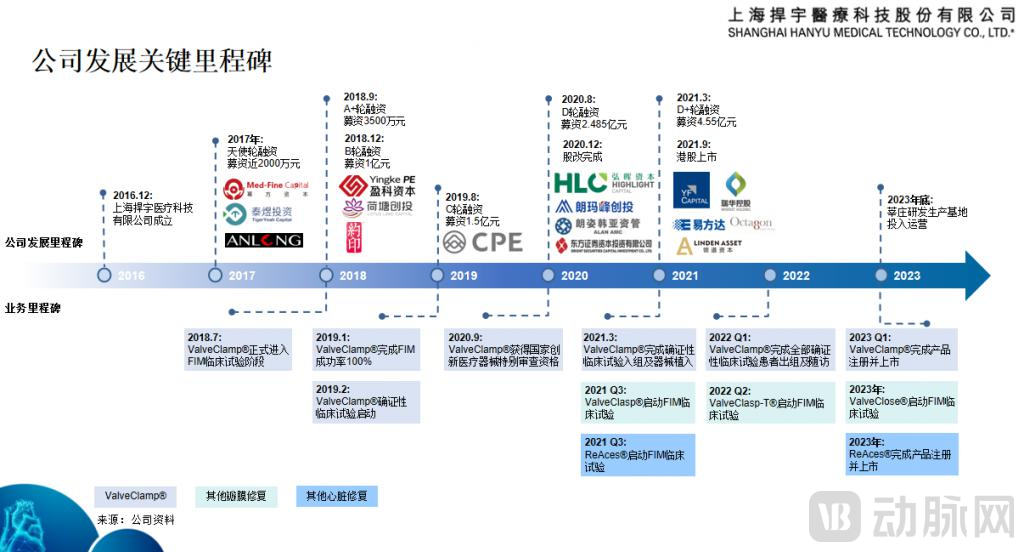
Hanyu Medical, founded in December 2016, reached a valuation of 7.455 billion RMB after securing nearly 500 million RMB in Series D+ financing in early 2021.
To date, Hanyu Medical has completed six rounds of financing. The IPO marks a new beginning, and over 30 renowned investment institutions will soon witness Hanyu Medical's new milestone.