

Sirius MedTech's SIRIUS AFR Atrial Flow Regulator Achieves First-in-Human Implantation by Professor Wang Yan’s Team at Xiamen Heart Center

Sirius Medtech
Cardiovascular Medical Device Developer
On November 5, 2021, the team led by President Wang Yan of Xiamen Cardiovascular Hospital of Xiamen University completed the first-in-human implantation of the SIRIUS AFR, independently developed by Sirius Medtech Group Co., Ltd.
As an emerging medical device for the treatment of heart failure, the SIRIUS AFR Interatrial Shunt System is the world's first interatrial shunt featuring a multi-layer braided structure; it is also the first interatrial shunt manufactured using a crimping process, and features a secondary interventional retrieval capability.
The success of this procedure also marks the official launch of the SIRIUS AFR clinical trial, ushering the China-produced atrial shunt system into a new journey.
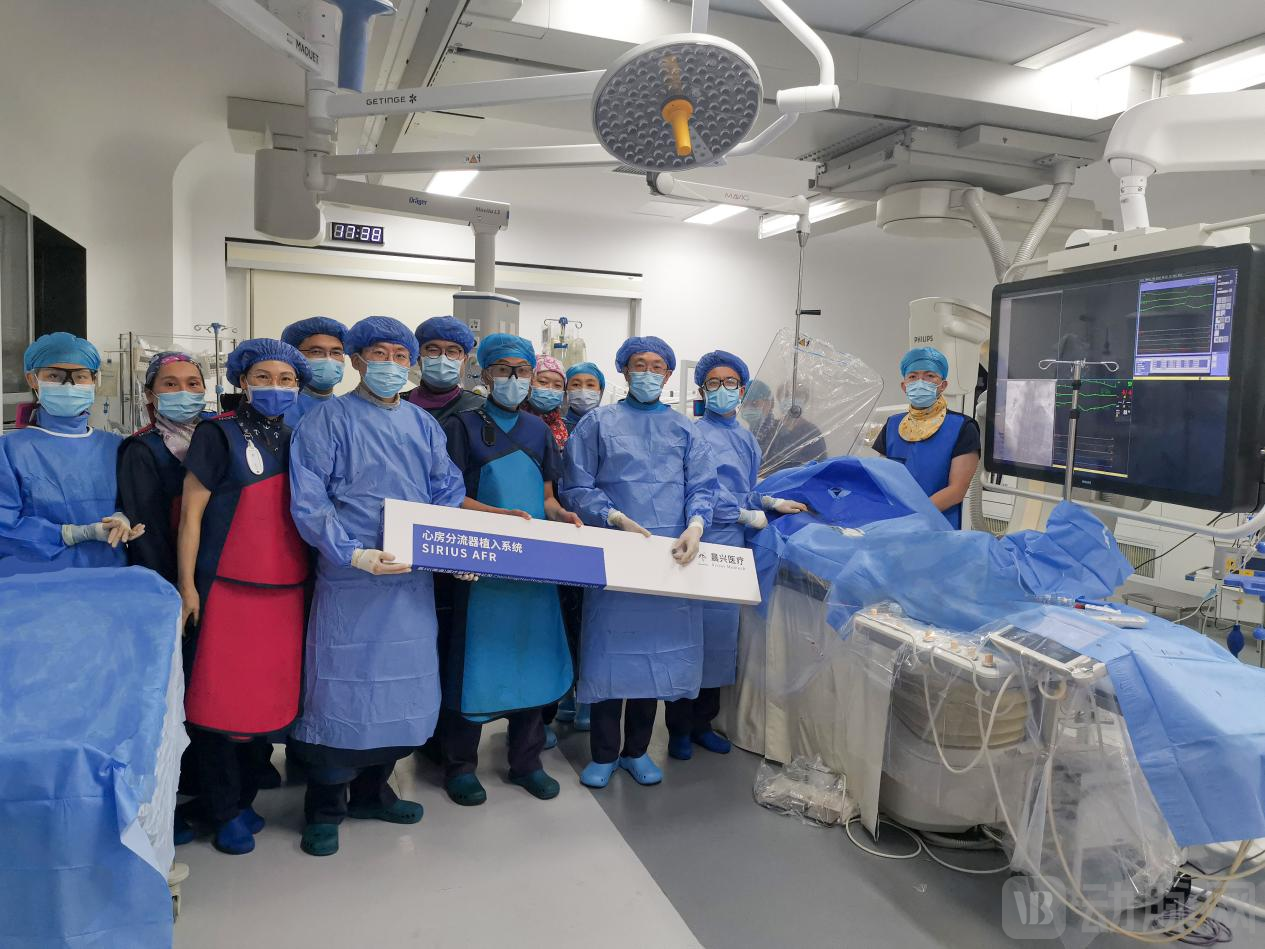
Figure 1: Postoperative group photo of the physicians
The patient is a 57-year-old male weighing 80 kg. In 2017, he presented for medical treatment due to "chest tightness accompanied by exertional dyspnea, occasional palpitations, and cough." Echocardiography revealed: global cardiac enlargement, predominantly left ventricular dilation, with an LVEF of 31%. He was diagnosed with cardiomyopathy and heart failure (NYHA class II), as well as type 2 diabetes mellitus. He was discharged following conservative pharmacological management, including diuretics, lipid-lowering agents, medications to reduce myocardial oxygen consumption, and drugs to inhibit cardiac remodeling.
Over the past year, the patient experienced recurrent heart failure exacerbations, nocturnal dyspnea, and markedly reduced exercise tolerance. Despite intensified outpatient pharmacological therapy, heart failure progressively worsened. Upon hospitalization, evaluation revealed: NYHA Class III. Echocardiography indicated: LVEF 24%, LA 39 mm, LVD 68 mm. Left heart enlargement with globally reduced left ventricular wall motion; dilation of the aortic sinus and ascending aorta, and pulmonary artery widening; mild mitral regurgitation; significantly impaired global left ventricular systolic function, with grade III diastolic dysfunction.
On November 5, 2021, atrial shunt implantation was performed under general anesthesia. Intraoperative right heart catheterization measured pulmonary artery pressure at 19 mmHg, PCWP at 16 mmHg, left atrial pressure at 9 mmHg, right atrial pressure at 4 mmHg, and a mean pressure gradient of 5 mmHg.
Under general anesthesia during the procedure, transesophageal echocardiography (TEE) was used to confirm that the atrial septal puncture site was located near the fossa ovalis. Following successful puncture, an extra-stiff guidewire was advanced to provide track support. Based on the patient’s clinical condition and hemodynamic parameters, pre-dilation was performed using a 6 mm balloon, followed by implantation of an atrial shunt device with a 6 mm aperture. Fluoroscopic measurement confirmed the shunt orifice at 6 mm, precisely meeting the target specifications.
Immediate post-implantation effects were significant, with marked alleviation of left atrial overload and pulmonary congestion, and improved hemodynamic parameters. Pulmonary artery pressure decreased to 18 mmHg, PCWP dropped to 6 mmHg, left atrial pressure reduced to 6 mmHg, right atrial pressure decreased to 3 mmHg, and the mean pressure gradient was maintained at 3 mmHg. The interatrial shunt device was accurately positioned with favorable morphology, achieving optimal results. The unloading shunt device was successfully deployed.
Figure 2: Atrial Septal Balloon Dilation
Figure 3: Left atrial disk deployment
Figure 4: Right atrial disk deployment
Figure 5: Complete Device Deployment
Figure 6: Shunt located in the left atrium.
Figure 7: Left-to-right shunt jet visible on ultrasound
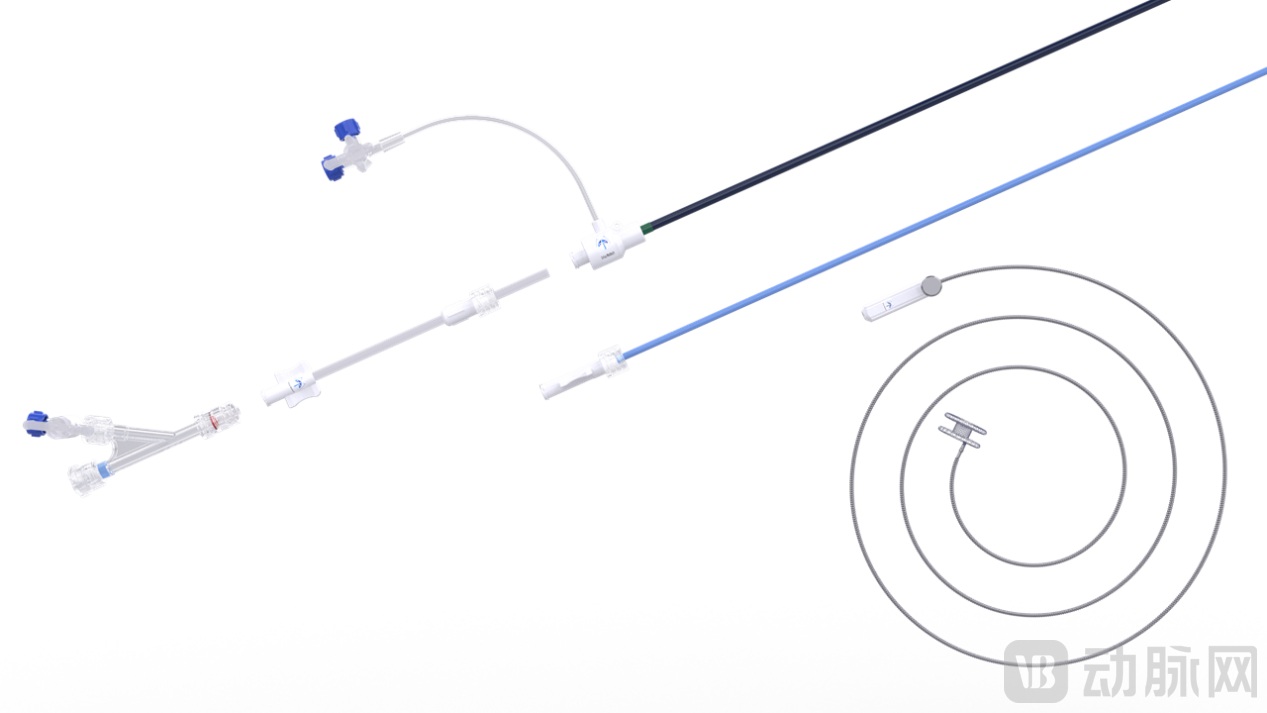
SIRIUS AFR Atrial Flow Regulator System
Heart failure is the final common manifestation of myocardial diseases resulting from various etiologies. Epidemiological data indicate that there are 6.2 million adult heart failure patients in the United States alone. Given China's vast population base, the number of heart failure patients exceeds 10 million. Without effective treatment, the 5-year survival rate for chronic heart failure is below 50%, while the 5-year mortality rate for acute heart failure reaches as high as 60%. According to ReportLinker, the global heart failure treatment device market is projected to reach USD 14 billion by 2025. The United States currently serves as the primary market in the heart failure sector. To date, no imported products have entered the Chinese market. Heart failure management in China currently relies primarily on pharmacological therapy, with commonly used medications including diuretics, digitalis, angiotensin-converting enzyme (ACE) inhibitors, and spironolactone. China's heart failure market remains a blue ocean with immense market prospects.

Wang Yan, Chief Physician, Professor, Ph.D. Supervisor
President of Xiamen University Affiliated Cardiovascular Hospital
Deputy Group Leader, Interventional Cardiology Group, Chinese Society of Cardiology, Chinese Medical Association
Chairman-Elect, Cardiovascular Branch, Cross-Strait Medical and Pharmaceutical Exchange Association
Vice Chairman of the Chinese Chest Pain Center Certification Working Committee
Member, Cardiology Branch, Chinese Medical Doctor Association
Committee Member, Cardiology Branch, Chinese Medical Association
Sirius Medtech Group Co., Ltd. (abbreviated as "Sirius Medtech", SIRIUS MEDTECH) is a leading R&D-driven medical device company dedicated to providing cutting-edge therapies to patients across the Asia-Pacific region and worldwide for the treatment of heart failure and other life-threatening conditions, including pulmonary diseases.
Since officially commencing operations in 2019, Sirius Medtech has established a robust and continuously expanding product pipeline spanning from preclinical to clinical stages through strategic in-licensing and in-house R&D. Currently, Sirius Medtech has 10 products in development, among which three hold Asia-Pacific rights (including the Greater China market) and seven hold global rights.
Sirius Medtech has obtained IND approvals for two new medical devices across multiple Asia-Pacific markets and expects to submit six new device marketing authorization applications (NMPA) within three years. Among these, the heart failure shunt device has received priority approval for clinical trial patient enrollment in China. Guided by the vision of "Pioneering sustainable innovation, fostering global well-being," Sirius Medtech will focus on the early-stage R&D, clinical research, device manufacturing, and commercialization of first-in-class and best-in-class devices to address critical unmet clinical needs.