

EuroPCR 2026 Flash: Medtronic’s Symplicity Spyral RDN Achieves Record 40 mmHg SBP Reduction in Severe Hypertension – 3-Year Real-World Data Unveiled

Medtronic
Medical Device Manufacturer

At the EuroPCR 2026 International Interventional Cardiology Congress held in Paris, France, Medtronic, a leading giant in renal denervation (RDN) therapy for hypertension, announced itsSymplicity Spyral Renal Artery Multi-electrode Radiofrequency Ablation Systemthe results of two latest large-scale real-world clinical studies.
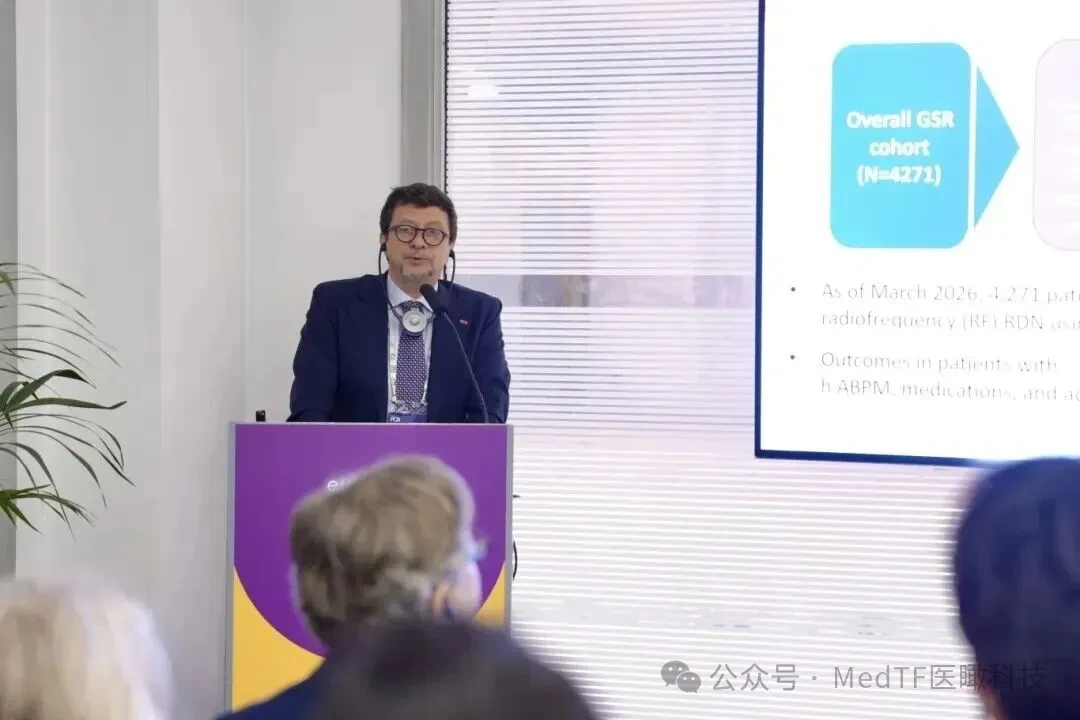
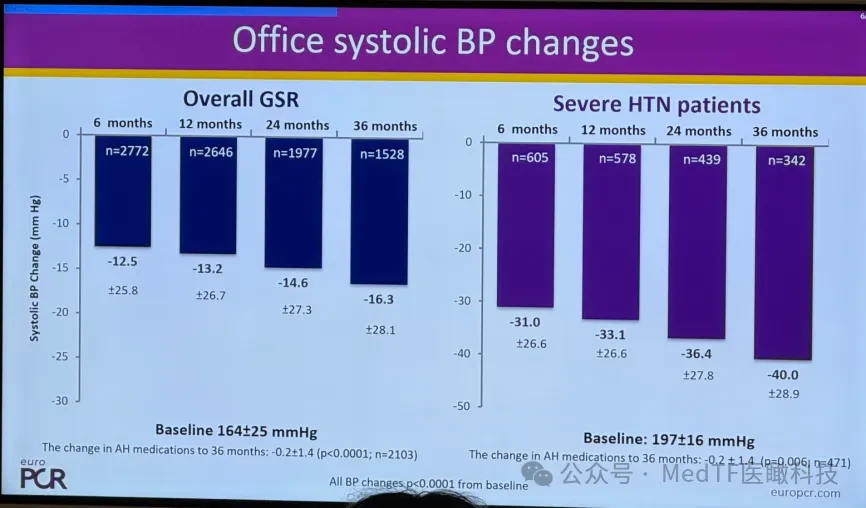
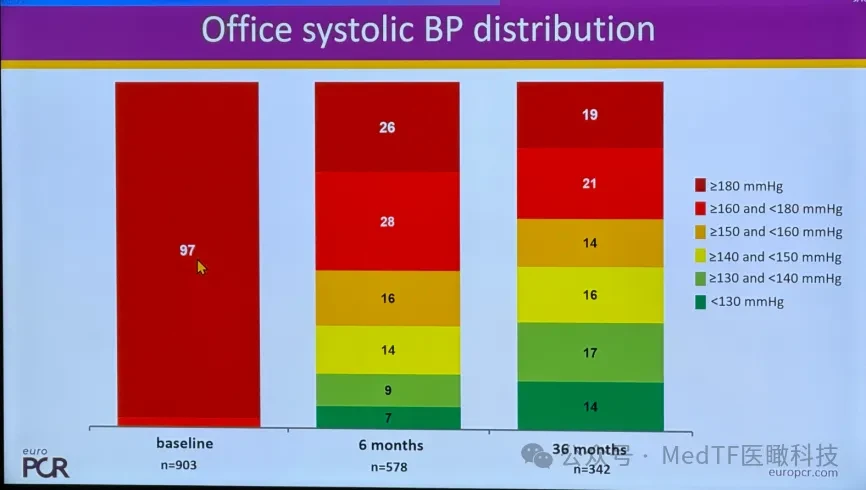
The two analyses presented are both based on the Global SYMPLICITY Registry—DEFINE (GSR-DEFINE), focusing respectively on“Patients with a history of cardiovascular events”and“Patients with severe hypertension”The three-year long-term follow-up further validates the long-term efficacy and safety of RDN therapy.
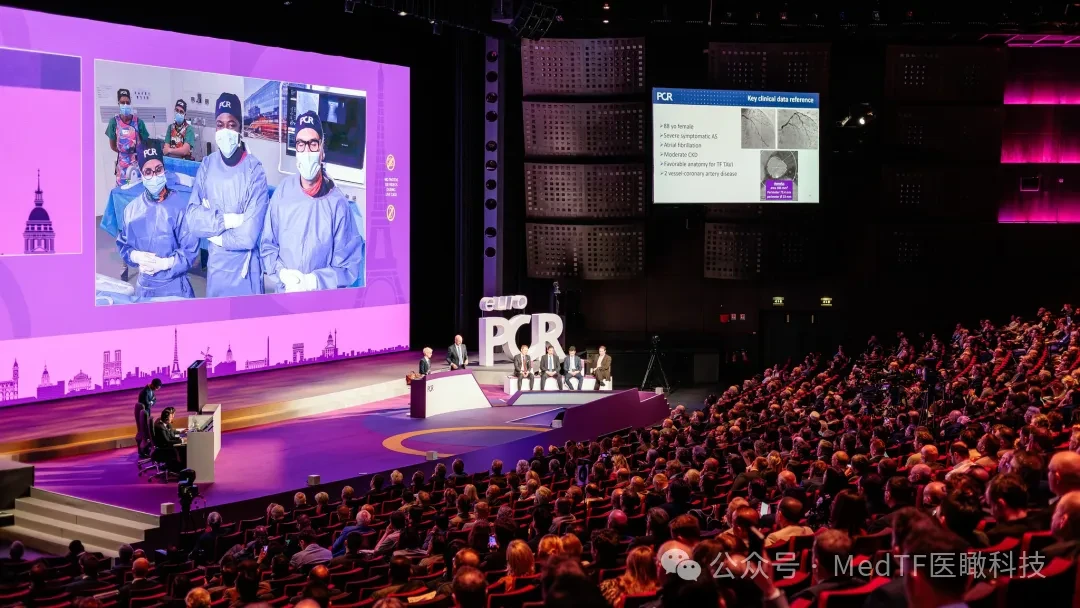
`GSR-DEFINE Study Groups and Data`
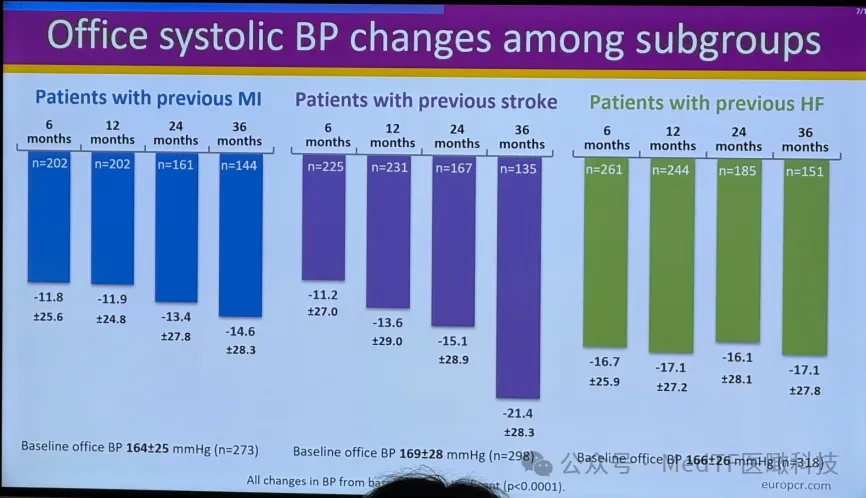
Core Underlying Technical Mechanism of Symplicity Spyral
The key to two large-scale, long-term follow-up studies yielding robust data lies in Medtronic’s iterative hardware advancements and precise algorithmic control in radiofrequency (RF) renal denervation technology:
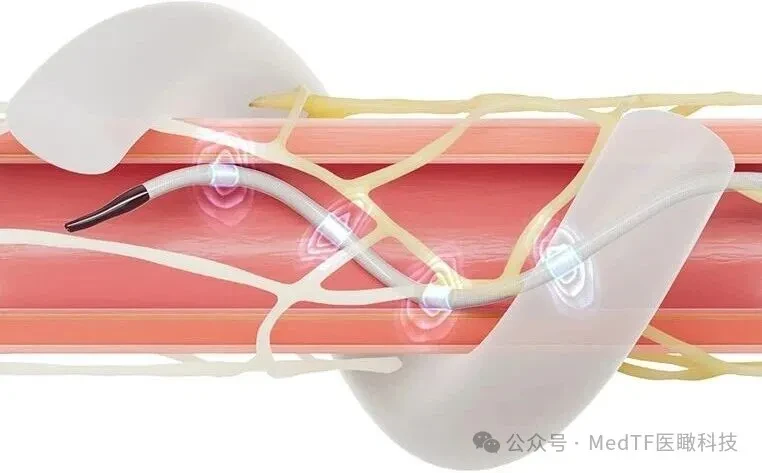
4-electrode helical design):
360° Complete Denervation:The distal tip features a unique self-expanding helical design with four integrated ablation electrodes, automatically apposing to the vessel wall upon entry into the target vessel to enable 360° circumferential ablation of the lumen.
Broad anatomical indications:The catheter is indicated for the main trunk and major branches of the renal artery with diameters ranging from 3 mm to 8 mm. Its ability to deeply ablate overactive renal nerve branches maximizes the completeness of denervation.
Exclusive Temperature/Impedance Smart Algorithm:
Intelligent Algorithm Feedback:Capable of independent, real-time assessment and feedback of temperature and impedance for the four ablation electrodes on the catheter.
Precision Energy Control:Automatically adjusts the radiofrequency (RF) energy output of each electrode channel based on impedance variations, effectively ablating the sympathetic nerves while minimizing damage to the renal artery endothelium and vascular wall to the greatest extent.
Expert Discussion and Concluding Remarks

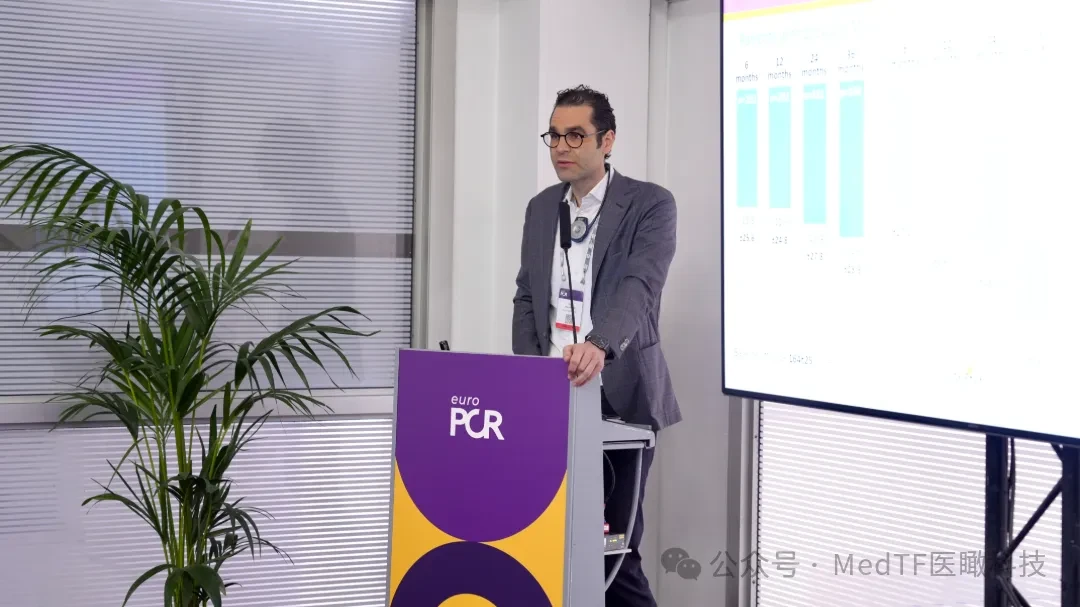
Professor Felix Mahfoud
(Chair of the EuroPCR Live Case Discussion, Director of the Department of Cardiology, Saarland University Hospital, Germany)

“For a long time, the primary clinical concern regarding RDN therapy has not been its short-term efficacy, but rather the long-term safety of the renal arteries post-ablation, particularly changes in vascular compliance and the risk of de novo stenosis within five years. The real-world data released by the GSR-DEFINE study, reporting a ‘de novo renal artery stenosis rate of less than 1% at the 3-year follow-up’, has provided interventional operators with a strong ‘safety reassurance’ backed by a larger sample size.”

Professor Flavio Ribichini (Cardiovascular Intervention Specialist, University of Verona, Italy)

“For patients with refractory or severe hypertension and extremely high baseline blood pressure, we cannot focus solely on the numerical reduction; we must also consider their concomitant medication burden. Over the three-year follow-up, this cohort of severe patients achieved such stable blood pressure control with ‘zero addition’ to their medication regimen. This demonstrates that RDN is not merely a ‘physical adjunct’ for lowering blood pressure, but a cornerstone interventional device that improves long-term medication adherence in high-risk patients and halts target organ damage.”

? Click to view more content
Copyright and Disclaimer: MedTF Yikan aims to establish a platform for academic dissemination and media communication. The copyright of all information contained herein belongs to its respective owners. We provide this content solely for informational purposes. Should any copyright infringement occur, please contact us for immediate removal.