Home Medtronic Showcases E-GPS Technique for Complex Aortic Aneurysm Repair at VINNOVA 2026

Medtronic Showcases E-GPS Technique for Complex Aortic Aneurysm Repair at VINNOVA 2026

May 29, 2026 07:30 CST Updated 07:30
Medtronic

Medical Device Manufacturer

Image
Image

PREFACE

May 22–24, 2026, co-hosted by the Professional Committee of Vascular Medicine, Chinese Research Hospital Association, the Vascular Devices Branch, China Association of Medical Devices Industry, the Capital Medical Science and Technology Innovation Center, and the Beijing Borui Vascular Health Public Welfare Foundation,“The 11th Vascular Innovation Conference”Held in Beijing. This conference brings together leading experts, entrepreneurs, engineers, investors, and researchers in vascular medicine from China and abroad, focusing on cutting-edge diagnostic and therapeutic technologies and evidence-based medical research in vascular diseases, providing strategic directions for industry pioneers, and jointly forging a new chapter in the advancement of the discipline.

During the meeting,MedtronicIn collaboration with senior Chinese experts in the aortic field, jointly hosted on May 23「Craftsmanship & Innovation」Special Session: Clinical Application and Hands-on Demonstration of E-GPS New Technology。This event focuses on the challenges and clinical pain points in managing complex aneurysm necks during endovascular repair of abdominal aortic aneurysms, with a particular emphasis on the E-GPS technique optimized for the Endurant stent graft system. Through theoretical lectures, hands-on demonstrations using 3D-printed models, and discussions of challenging cases, the program aims to assist clinicians in achieving more precise stent positioning and more reliable proximal sealing under complex anatomical conditions such as short necks, severe angulation, and irregular necks. This ultimately reduces the incidence of Type Ia endoleaks and improves long-term clinical outcomes for patients with complex aneurysm necks.


Image

01

Image

Keynote Speech

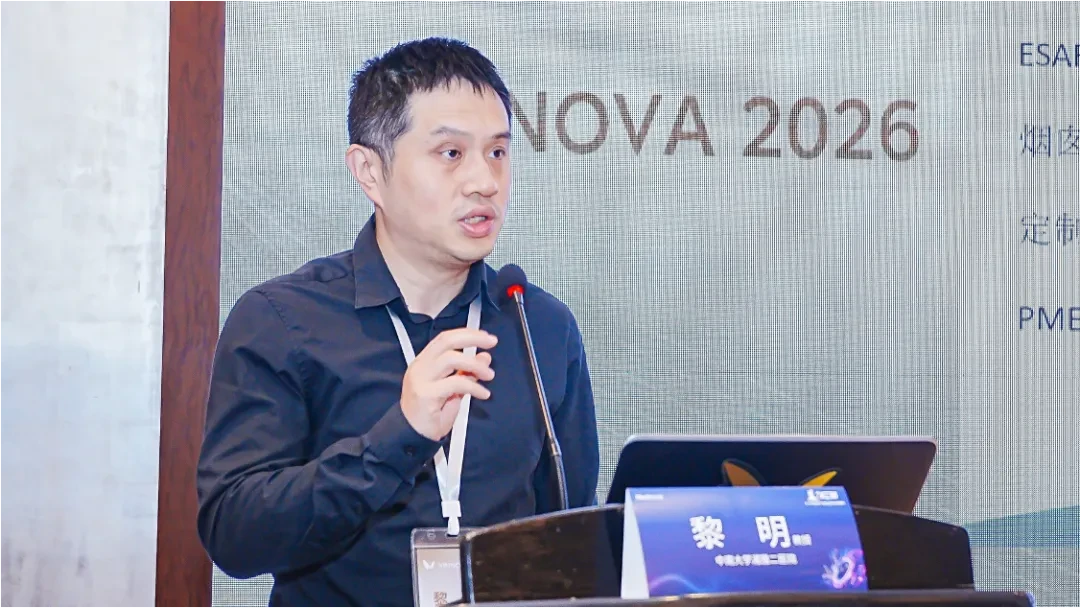
《Clinical Treatment Strategies for Complex Abdominal Aortic Aneurysms》

Speaker: Professor Li Ming

Institution: The Second Xiangya Hospital of Central South University

Image

Complex abdominal aortic aneurysms encompass not only hostile proximal necks (short, tortuous, or conical) but also distal iliac artery pathologies, dissecting aneurysms, and ruptured states. When multiple factors coexist, the difficulty of management increases manifold. When the conventional deployment of a standard main body or a main body combined with a cuff still fails to adequately utilize the proximal neck or resolve proximal anchoring issues, one mayVarious adjunctive techniques are employed to manage proximal endoleaks, each with its ownAdvantages and disadvantages: Push-up and Reverse Slider techniques can reduce type Ia endoleaks; ESAR can enhance anchoring but is currently unavailable in most hospitals in China; the chimney technique has seen declining use in recent years due to gutter endoleaks; fenestrated/branched stent grafts are costly.

CombineFour CasesThe demonstrations, ranging from emergency ruptures to complex anatomies and from combined multi-strategy approaches to extreme reconstructions without imaging guidance, fully demonstrate that personalized technique selection and the surgeon's comprehensive decision-making capability are critical to managing complex acute and critical aortic emergencies.

RegardingPatients with ruptured abdominal aortic aneurysm, Push-up technology can quickly resolve the issue; forDissection rupture, a hybrid strategy may be adopted; forRupture Secondary to Chronic Endoleak,fenestrated or branched stent grafts are the last resort, but severe complications such as paraplegia require vigilant monitoring。


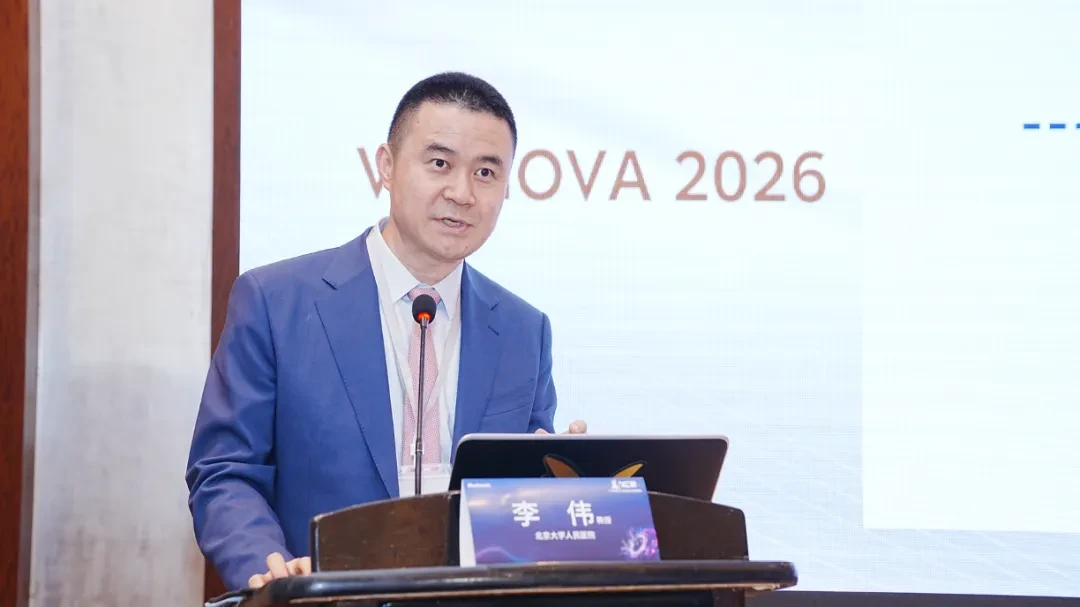
《Optimized Techniques of E-GPS Technology for Complex-Neck AAA》

Speaker: Professor Li Wei

Institution: Peking University People's Hospital

Image

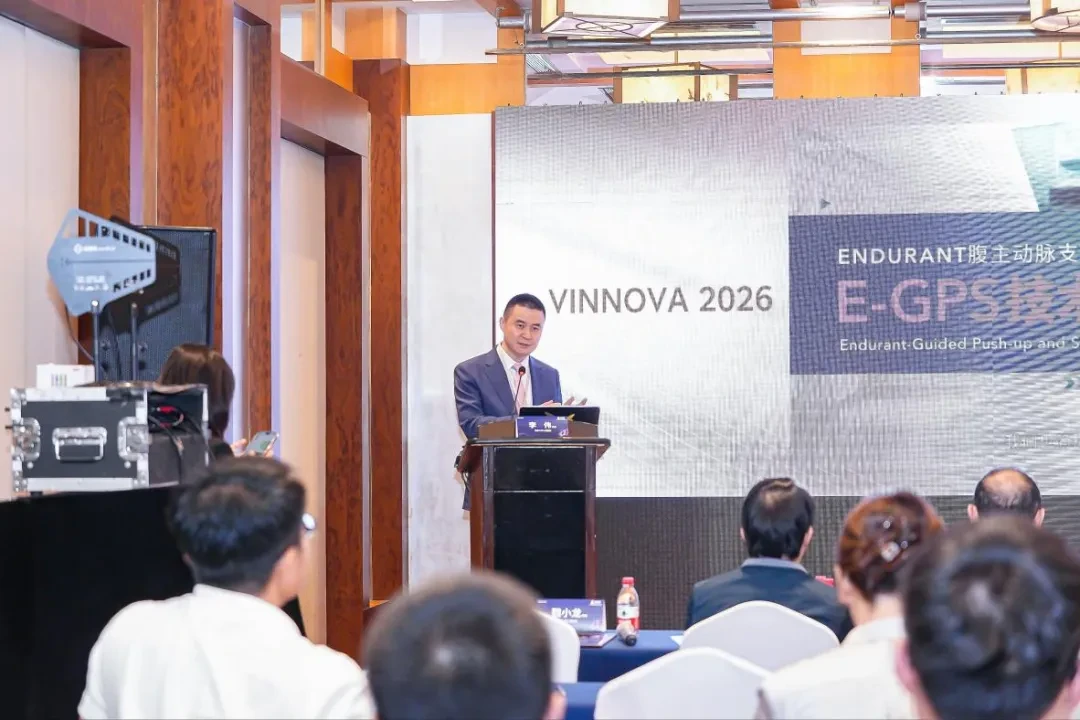
Complex aortic necks (short neck <15 mm, severe angulation >60°, trapezoidal or irregular necks, etc.) are major risk factors for Type Ia endoleak following EVAR. In tortuous anatomy, conventional deployment techniques temporarily straighten the tortuous neck using an extra-stiff guidewire and stent graft system. Upon withdrawal of the delivery system, the vessel reverts to its original morphology, resulting in inadequate stent graft apposition along the greater curvature, making endoleaks difficult to avoid even with sufficient oversizing. Prof. Li WeiDrawing on the international Push-up and Reverse Slider technical concepts, and leveraging the Endurant stent graft’s short segment length and excellent conformability—particularly suitable for anchoring in short aneurysm necks—the modified E-GPS technique was proposed (Endurant Guided Push-up and Spin Techniques, Progressive Rotational Advancement Technique).

This technology is indicated for complex anatomies with an aneurysm neck length ≥8 mm regardless of angulation, and is particularly suitable for emergency settings involving ruptured aneurysms, significantly reducing the incidence of Type Ia endoleaks without increasing the risk of paraplegia or prolonging operative time.The presented case involves a patient with a severely tortuous short aneurysm neck. Following the application of E-GPS technology, the stent-graft perfectly conformed to the vessel course. Postoperative angiography revealed no endoleak, and the patient recovered well. It should be noted that the operator must pay attention toDo not apply excessive rotational force,Otherwise, it may cause twisting of the delivery sheath; when retracting the tip, closely monitor the distal end of the stent,Avoid forceful traction to prevent displacement.

Image

02

Image

Operation Demonstration

Full-Process Simulation of the E-GPS Technical Workflow Using a 3D-Printed Model
Image

During the hands-on demonstration session,Professor Li Wei's TeamUsing a high-fidelity 3D-printed transparent abdominal aortic aneurysm model, the E-GPS procedure is demonstrated via a full-procedure video, with the core lying inLeveraging the structural advantages of the Endurant stent graft, this approach addresses the anatomical challenges of short and tortuous aneurysm necks through four key steps: precise selection, stepwise deployment, circumferential wall apposition, and fine-tuned anchoring.

Preoperative Planning:Select the stent oversizing ratio based on the degree of proximal neck angulation: oversize by approximately 20% when the angulation is <30°; increase the oversizing ratio to 30%~50% or even higher when it is >30°.

Approach Selection:Align with the direction of the aneurysm neck tortuosity. In cases of severe tortuosity, prioritize advancing the stent graft main body via the contralateral femoral artery to facilitate proximal apposition.

Key release step: 1. Advance the main body to the target location under the guidance of a super-stiff guidewire,Position the upper edge of the stent graft marker 2–3 mm distal to the inferior margin of the renal artery, covering approximately half of the renal artery, and rotate to align.2、After slowly deploying 1.5 to 2 cells of the covered stent forward, immediately rotate in the reverse direction for 1.5 to 2 turns,Repeat until wall apposition is achieved. 3、Gently vibrate and retract to adjust the position of the proximal edge; the proximal extension should be at least 2 cm in length. 4、If the tip encounters resistance,Under fluoroscopic guidance, maintain slight traction and rotate the handle, utilizing the serrated structure of the tip to disengage from jamming.During the procedure, close observation is required to prevent stent migration caused by forceful traction.

Key Precautions:1. The stent oversizing ratio must strictly match the degree of aneurysm neck tortuosity to avoid excessive or insufficient oversizing.2. During rotational manipulation, control the applied force and number of turns until the stent expands and apposes the vessel wall with palpable resistance.3. The extension limb must not be too short; otherwise, it may lead to excessive tension and late disconnection.4. When encountering resistance, do not apply forceful traction. Combine with rotational maneuvers, and if necessary, reverse the rotation before withdrawing.5. Avoid dilation of the proximal landing zone unless absolutely necessary to prevent stent migration.

Image

03

Image

Discussion Session

Image
Image
Image
Image
Image

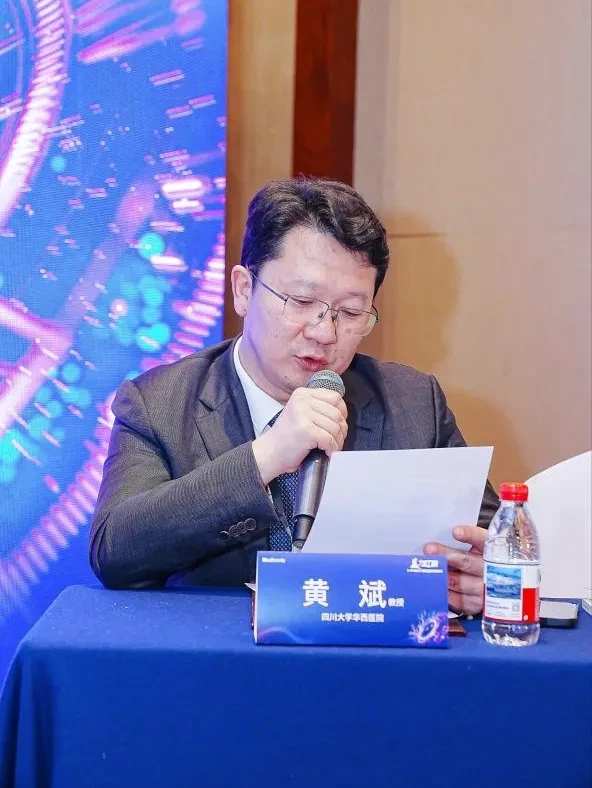
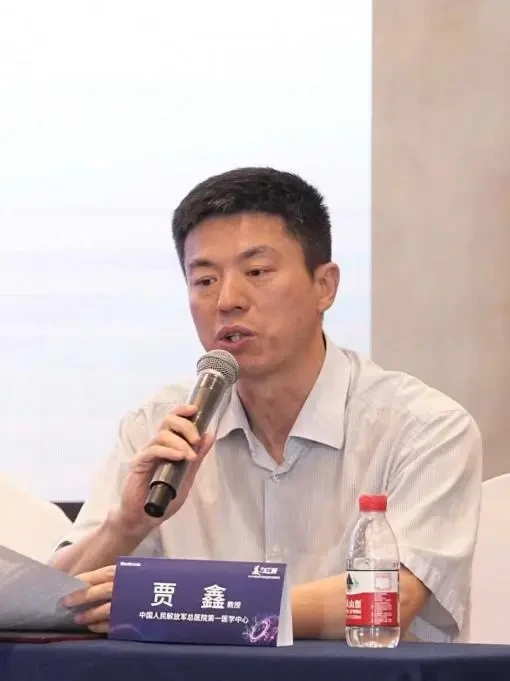
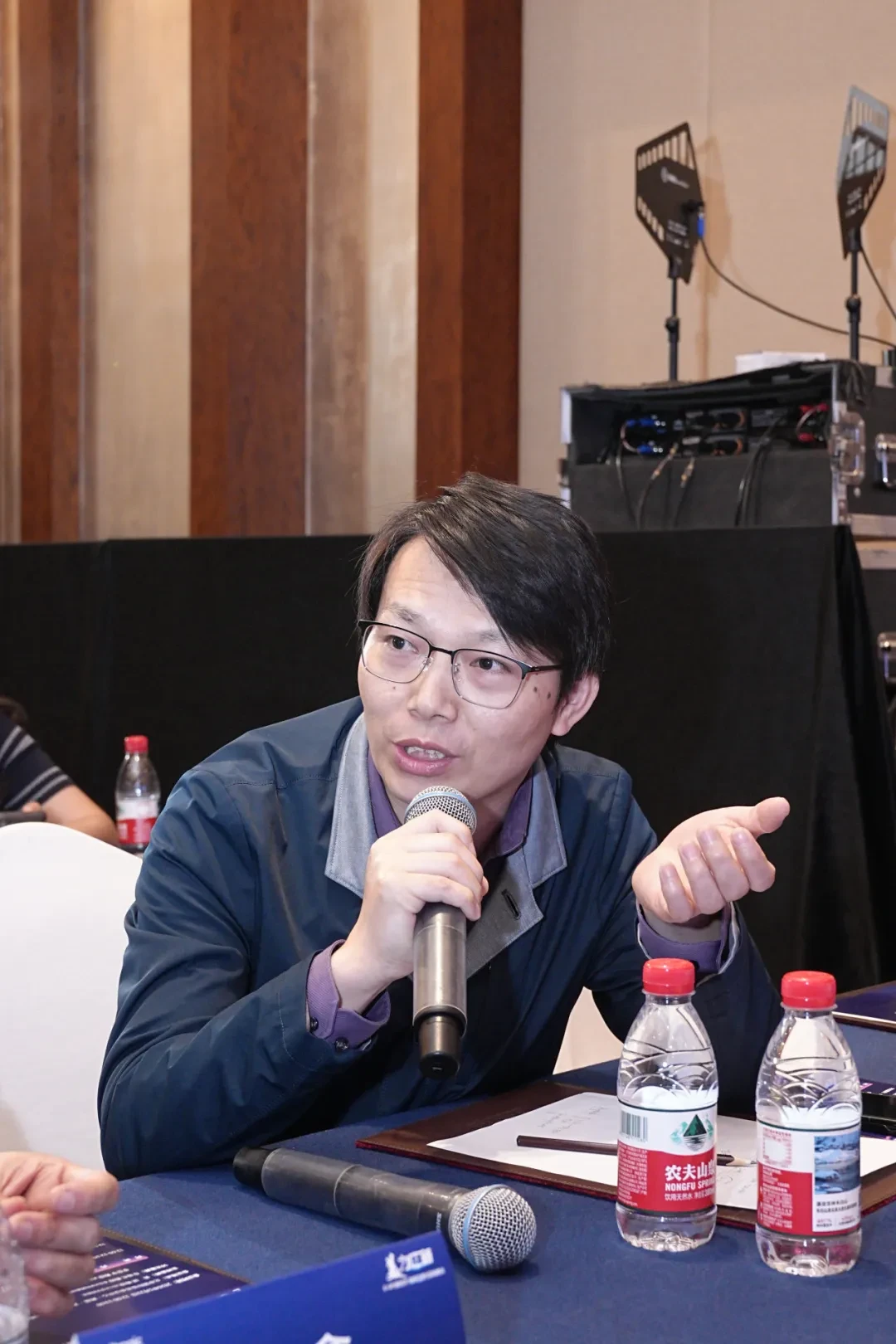
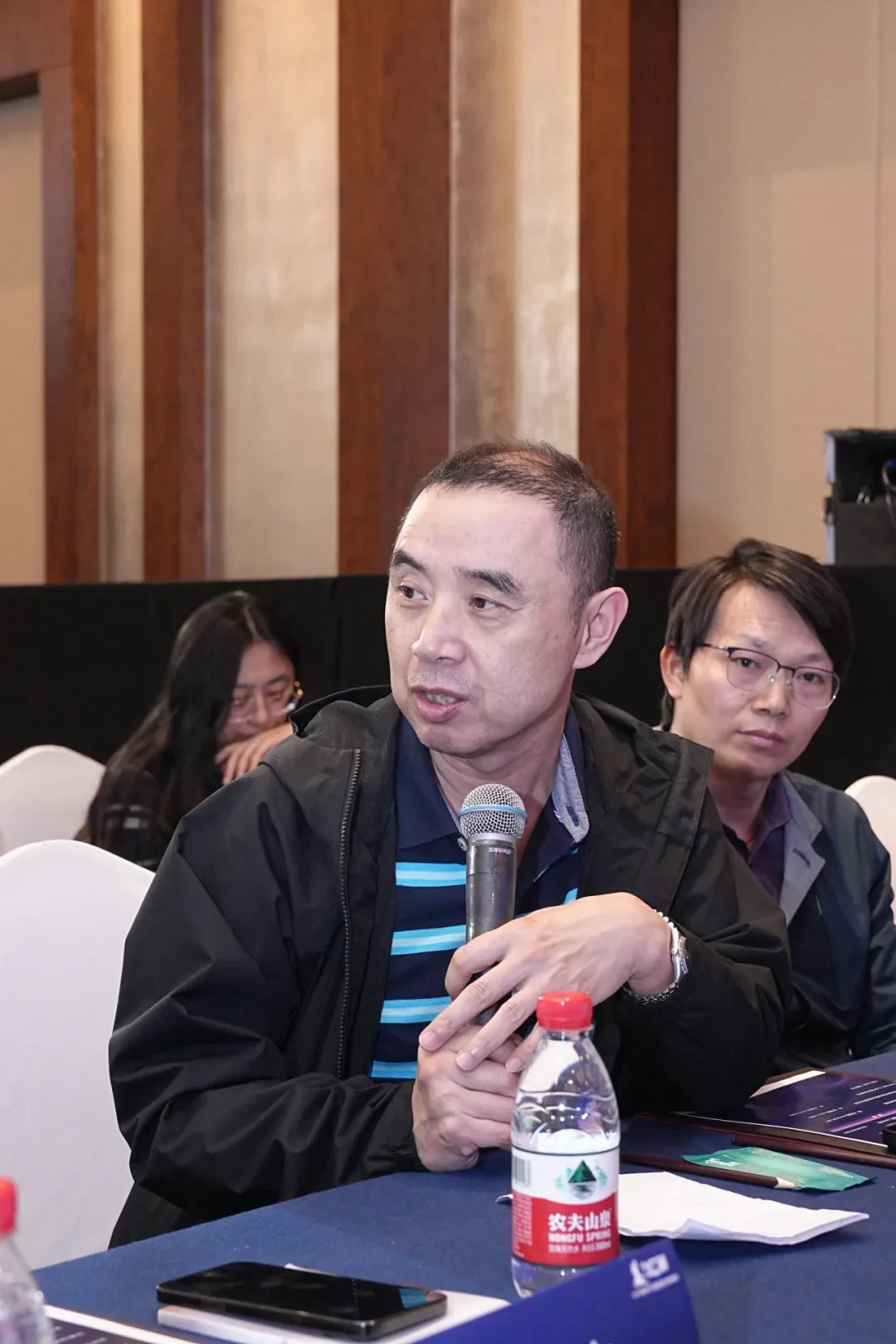
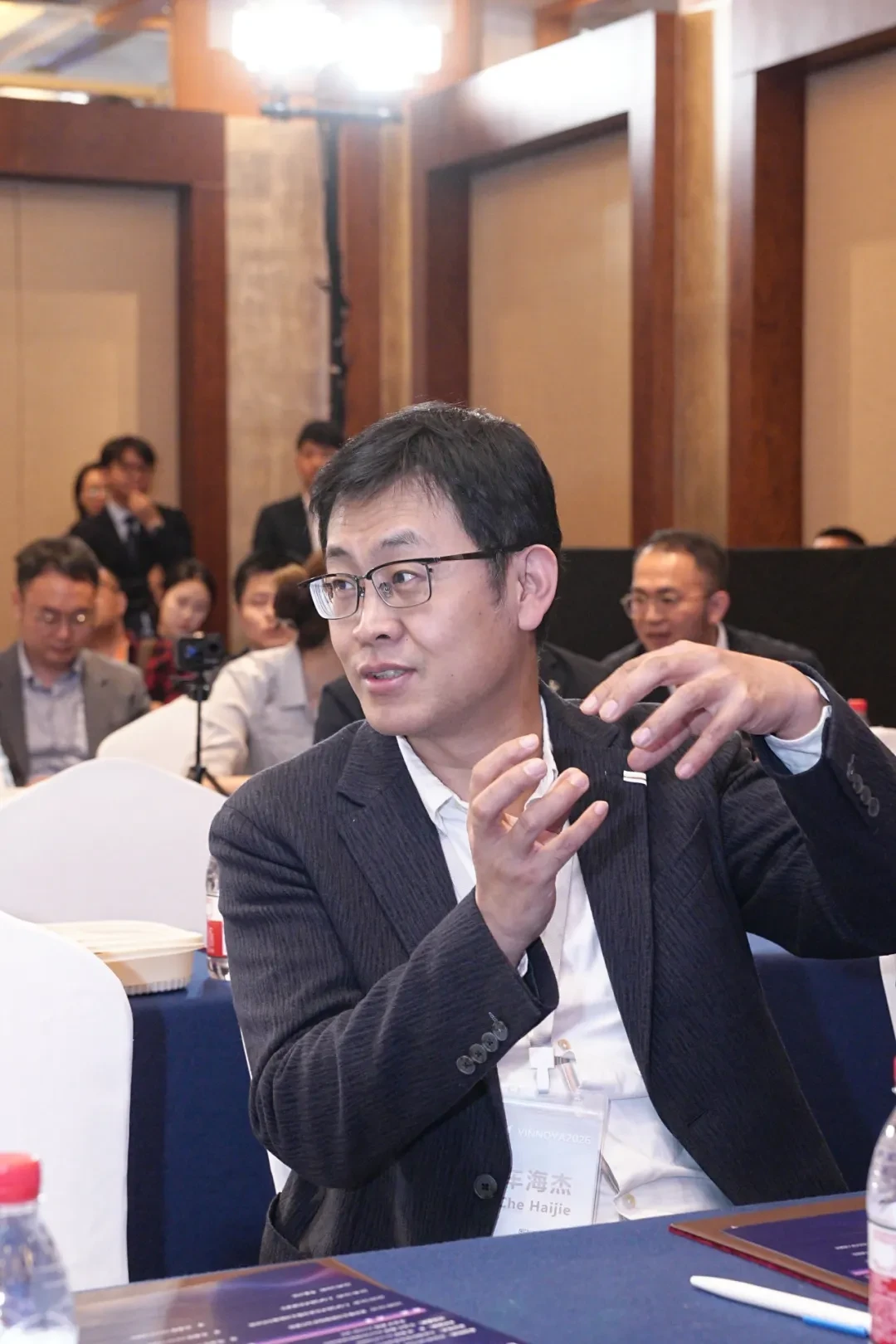
Specially Invited: West China Hospital, Sichuan UniversityProfessor Bin Huang、First Medical Center, Chinese PLA General HospitalProfessor Jia XinModerator, Yantai Yuhuangding Hospital Affiliated to Qingdao UniversityProfessor Haijie Che, Liuzhou People's HospitalProf. Huo Xin、Wuhan Puren Hospital Affiliated to Wuhan University of Science and TechnologyProf. Liangxue LiActing as discussion experts, the panel engaged in a lively exchange focusing on the clinical indications of E-GPS technology, remedial strategies for common issues, and complication management.

ForⅠa Endoleak Rescue,Professor Li Wei proposed: E-GPS utilizes conformable wall apposition to seal endoleaks; if leakage persists, fibrin sealant can be injected via a pre-positioned catheter, coil embolization can be performed, or a proximal cuff stent can be overlapped, with rotational advancement employed during deployment to ensure optimal wall apposition.

Professor Li Ming combinedFour-Fenestrated Cases: Discussion on Postoperative Management Following Rupture:Early postoperative bleeding status is unclear; routine anticoagulation and dehydration therapy are withheld. Once vital signs stabilize and consciousness is restored, the risk of paraplegia should be reassessed and managed on an individualized basis.

Intraoperative suprarenal intimal injury and retrograde dissection are primarily caused by excessive traction or stent deployment errors. Injuries above the renal arteries can be immediately repaired with cuff coverage; injuries in adjacent segments should be initially observed and managed with elective secondary repair.

Image

04

Image

Summary

Leveraging the proprietary configuration of the Endurant stent graft, the E-GPS technology, with its intuitive and precise rotational deployment mechanism, significantly expands the applicability of EVAR in complex aneurysm neck anatomies.This technology requires no modification of specialized instruments, features a low barrier to adoption and a short learning curve, and is highly compatible with current clinical practices in hospitals at all levels in China. Driven by the iterative optimization of a series of ancillary devices, future endovascular treatment of complex abdominal aortic aneurysms will advance toward greater safety, precision, and personalization. Medtronic will continue to deepen its investment in technological R&D and the development of clinical academic training systems, empowering physicians to enhance their diagnostic and therapeutic capabilities and ultimately benefiting more patients.

Image


Copyright Notice: This platform aims to assist healthcare professionals in staying informed of the latest developments in relevant disease areas. The information published on this platform does not imply endorsement of the descriptions or viewpoints presented, but is provided solely for informational purposes. Should any copyright issues arise, rights holders are kindly requested to contact us, and we will address the matter promptly. This information is intended exclusively for healthcare professionals for informational purposes and must not, under any circumstances, replace professional medical guidance or be construed as diagnostic or treatment advice. The platform and its authors assume no liability should this information be used for purposes other than informational reference.Partnership Contact Email:vascular@edoctor.work。
Go to Mini Program

Image
Image
Image
Image