

ZEISS Celebrates 175th Anniversary in Shanghai with Showcase of Optical Innovations Across Healthcare, Biotech, and Smart Manufacturing

Carl Zeiss
Manufacturer of Optical Systems, Industrial Measurement, and Medical Devices
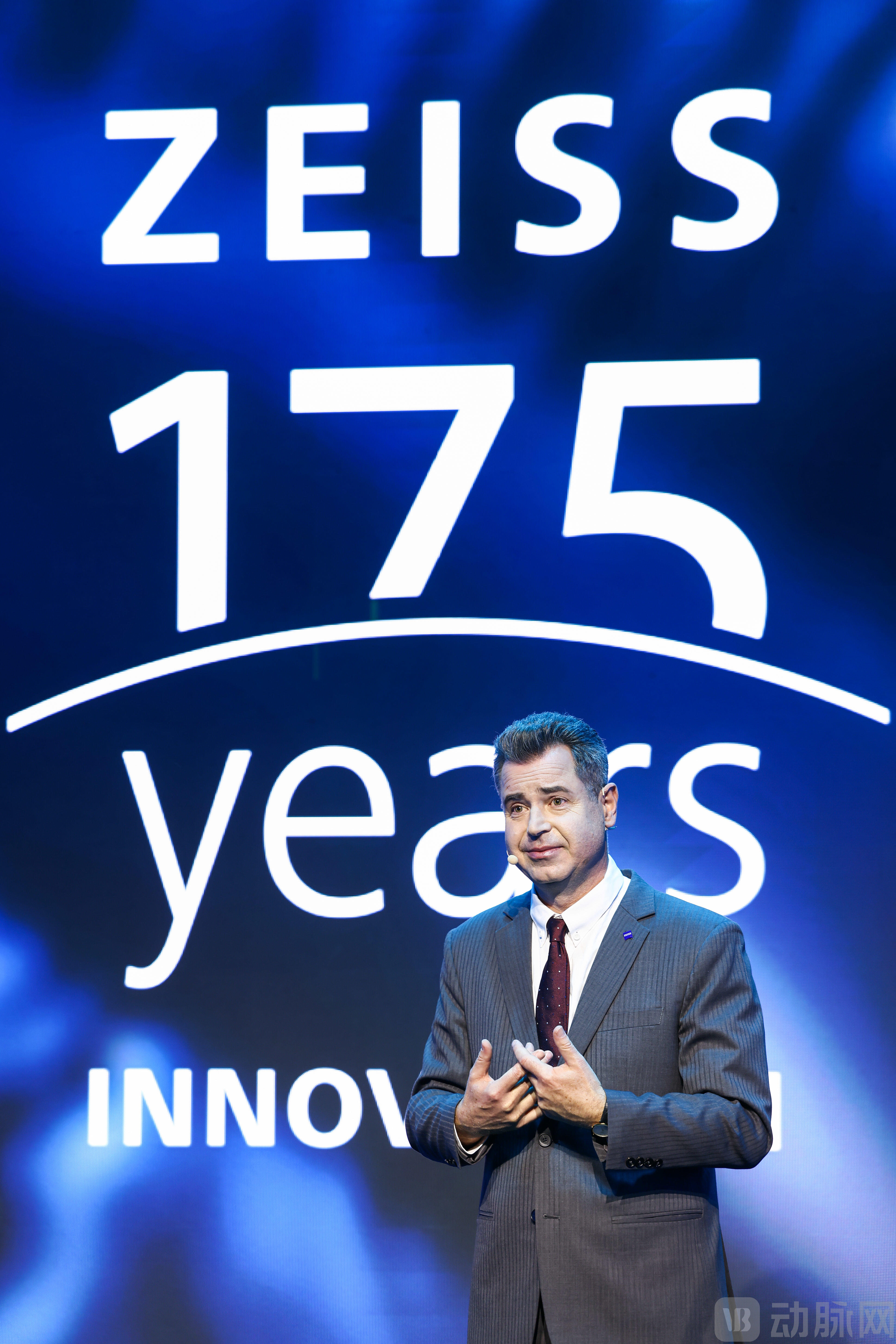
On November 19, the celebration titled "Challenge the Limits of Imagination," held to commemorate the 175th anniversary of Carl Zeiss, kicked off in Shanghai, China.
Carl Zeiss, founded by German optician Carl Zeiss in Jena, Germany in 1846, is headquartered in Oberkochen, Germany.After 175 years of development, it has become a global technology leader in the optical and optoelectronic industries.
The celebration began with the exhibition "Light to the Power of 175."This exhibition is divided into seven chapters, introducing the achievements of Carl Zeiss in scientific research exploration, optical consumption, healthcare, high-tech manufacturing, and other fields. It showcases the accomplishments, innovations, and progress Carl Zeiss has made in the optical field over the past 175 years.
At the same time, Carl Zeiss, with its insight into trends, combines optical and optoelectronic technologies with future innovations.Continuously深耕 in the fields of semiconductors, biotechnology, quantum computing, smart manufacturing, and healthcare.
Previously, Carl Zeiss AG has launched a series of celebratory events worldwide, aiming to seize this opportunity to inspire more people, especially the younger generation, to take an interest in scientific careers and to encourage open scientific research. Among these, the "ZEISS Beyond Talks" interview series invited scientists and outstanding industry representatives from various fields globally to share their experiences at work and envision the future.
Maximilian Foerst, President of Carl Zeiss Greater China, stated: "We have long collaborated with the scientific community, increased investment in research, and driven industry progress for the benefit of society. This is also true in China. As Carl Zeiss's largest global market, China serves as a hub for innovation, production, and numerous global strategic projects, setting an example of how local innovation can benefit the world. Moving forward, we will continue to grow together with China, hand in hand with our local partners."
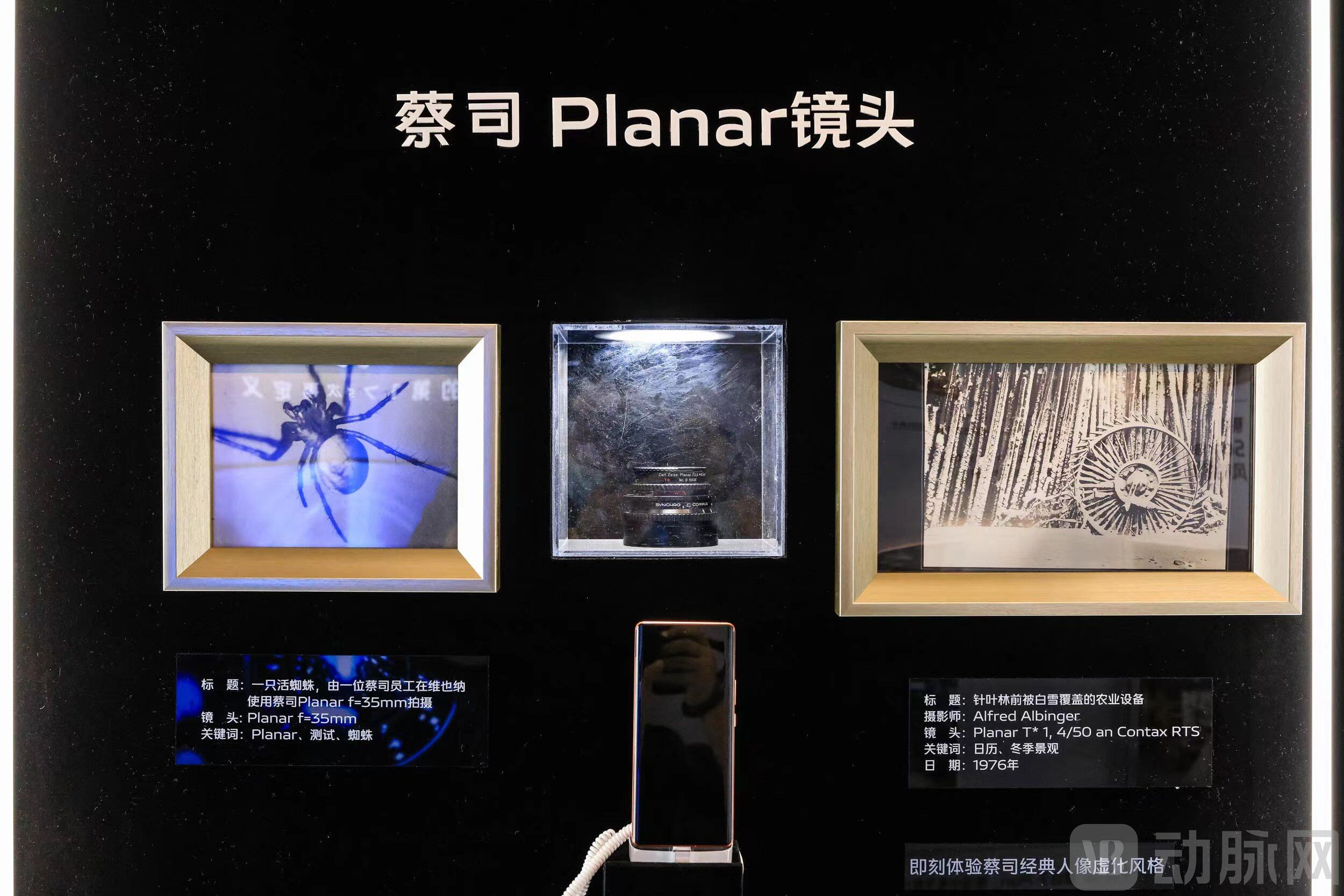
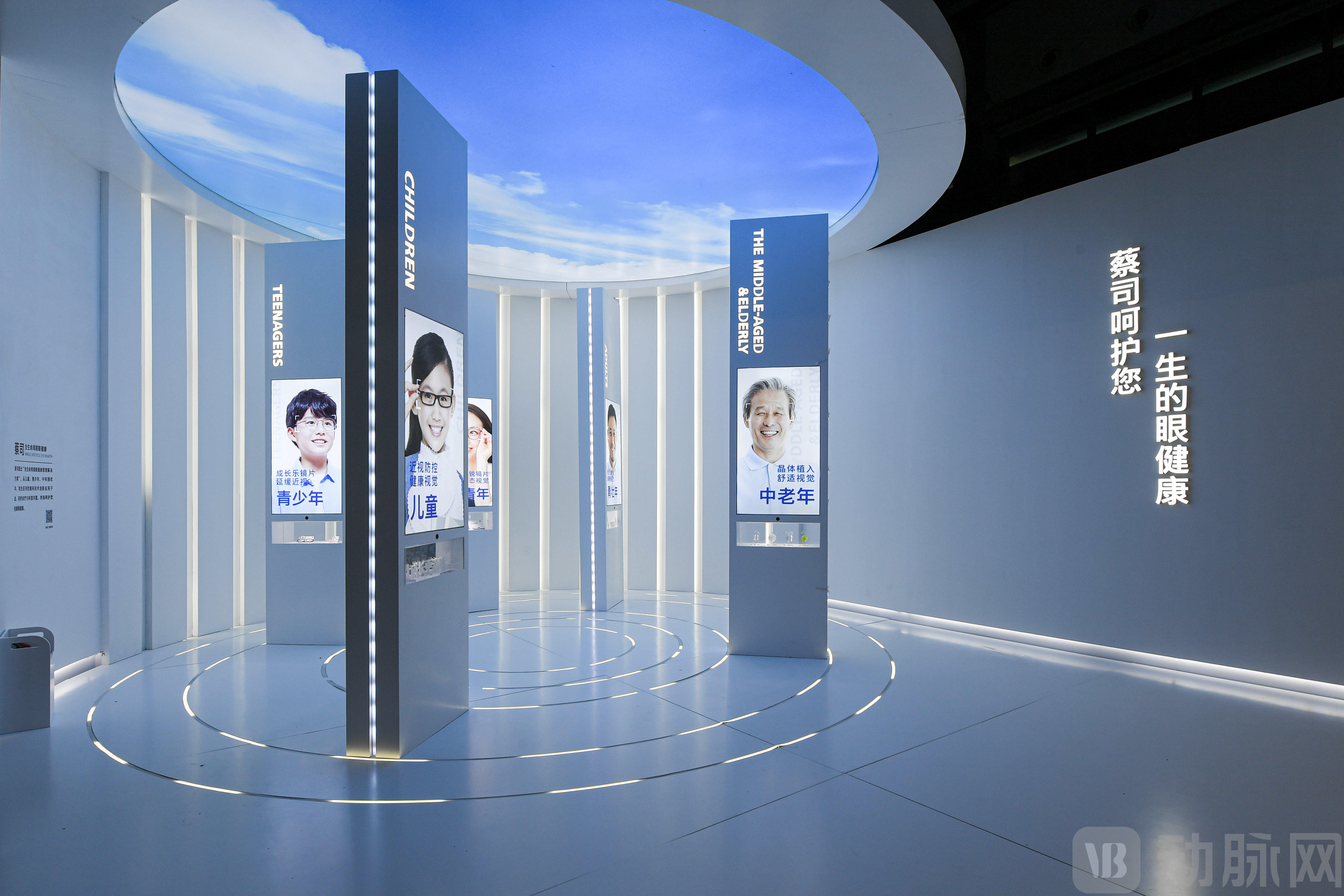
The Realization of Future Visions Depends on Long-Term Accumulation. A two-day commemorative exhibition titled "The 175th Power of Light – A Journey to Explore the 175th Anniversary of Carl Zeiss" was held at the Shanghai Art Museum from November 20 to 21. The exhibition multi-dimensionally revisited the classic achievements of Carl Zeiss over nearly two centuries and its contributions to human society and technological development.
Whether it's the vast galaxy or the nano world, Carl Zeiss is present in both.The exhibition begins with the "highlight moment" of humanity's first moon landing, commemorating the historical moment of human exploration of outer space captured by Carl Zeiss lenses.
Also on display during the same period are precision measurement technologies for quality control of new energy vehicle components, full-life-cycle eye health solutions, stories of how microscopes have assisted 36 Nobel Prize winners, and chip structures that are 5,000 times thinner than a human hair.The history of these fields reflects Carl Zeiss's pursuit of perfection in the optical and optoelectronic fields; Carl Zeiss's cutting-edge products and solutions play a key role in various fields.
In this regard, Song Fangzhi, a senior engineer at Beihang University and the chief referee of the National Skills Competition, has some insights. At the roundtable forum, Song Fangzhi shared his experience of participating in the WorldSkills Competition for the first time.
He mentioned: "Our contestants worked very hard, but the accuracy rate of the results only reached 80%. However, the experts in the 20th Skills Competition almost achieved 100%. After returning, we found the reason — we did not use a coordinate measuring machine to benchmark during our training. Later, we started using Carl Zeiss products."
"Carl Zeiss lenses have contributed greatly to my work," shared Mu Deyuan, President of the Chinese Society of Cinematographers, Professor at the Beijing Film Academy, and member of the Beijing Municipal Committee of the CPPCC.Because shooting "Youth Sacrifice" required a large aperture, high sensitivity, and high-speed lenses to capture the real world, Mu Deyuan formed a connection with Carl Zeiss."Youth Sacrifice" also became Mu Deyuan's maiden work using Carl Zeiss.
Carl Zeiss not only excels in lenses for aerospace, industrial measurement, and film cinematography but also plays a significant role in the life sciences by empowering many scientists.
Li Dong, the research group leader of the State Key Laboratory of Biomacromolecules at the Institute of Biophysics, Chinese Academy of Sciences, mentioned: "The Carl Zeiss inverted fluorescence microscope Observer has been the companion that accompanied me the most during my more than four years of postdoctoral experience, and also the most reliable partner." This is because scientists rarely cast doubt on microscopes.
Carl Zeiss entered China in 1957,Currently, Carl Zeiss AG covers all business areas in Greater China, including semiconductor manufacturing technology, industrial quality solutions, research microscope solutions, medical technology, vision care, and consumer optics.
China is one of the fastest-growing markets for the Carl Zeiss Group., with nearly 4,000 employees in the Greater China region. The company operates 5 production bases and 6 sales and service centers across various locations, providing strong support to local customers and ensuring production for related businesses worldwide.
The Greater China headquarters of Carl Zeiss is located in the Shanghai Free Trade Zone, housing the sales and service headquarters, application service and training center, the production plant of Carl Zeiss Industrial Metrology, and the first corporate-level innovation and research center outside Germany established by Carl Zeiss Group. It also features central logistics and warehousing functions serving the entire Chinese market, fully supporting local R&D and production in China, actively expanding cooperation areas, and deeply cultivating the Chinese market.
In the medical field, Carl Zeiss provides products and solutions for ophthalmology, neurosurgery, otolaryngology, dentistry, and oncology, helping patients improve their quality of life. In cataract treatment, refractive surgery, and ophthalmic diagnostics, Carl Zeiss assists doctors in making reliable diagnoses and treating diseases more effectively.
At the conference, Li Xiaoxin, Chief Director of Xiamen Eye Center Hospital affiliated with Xiamen University and Professor of Ophthalmology at Peking University People's Hospital, shared the breakthroughs by Carl Zeiss in the ophthalmology field. From eye OCT, vascular OCT, to wide-angle surgical microscopes, and then to surgical navigation technology, Carl Zeiss continues to make breakthroughs in the ophthalmology field.
In the 1990s, Carl Zeiss' Eyeball OCT allowed light to enter the eye and achieve tomography through various diffractions, becoming a patented technology of Carl Zeiss.Lixiaoxin mentioned that throughout the entire 10-year period, the ophthalmology community relied on Carl Zeiss' OCT for understanding the fundus of the eye.
After 2000, Carl Zeiss achieved vascular OCT based on OCT.This allows doctors to not only examine ocular tissues but also track ocular blood cells. Li Xiaoxin further introduced that there are many diseases in the fundus, among which a major category is vascular diseases. Each layer of the retina has blood vessels, and within these vessels, there is blood cell movement. The faster the speed, the higher the digital resolution, and thus the higher the tissue resolution achieved.
In recent years, Carl Zeiss has integrated OCT into surgical microscopes, known as navigation technology. This technology has significantly improved the safety of cataract and retinal surgeries.
据统计,全球每年有15 million cataract surgeries performed with the assistance of Carl Zeiss' surgical systems. Carl Zeiss' SMILE procedure has redefined refractive surgery, with 5 million procedures completed globally to date.
As a leader in the field of optics and optoelectronics, Carl Zeiss has deep insights into trends and focuses on the future. While actively expanding cross-border cooperation, Carl Zeiss stated that it will empower innovation with new digital technologies, committing to creating user-centered, data-connected solutions and an integrated ecosystem. With innovative optical technologies, the company will continue to support the development of various fields such as semiconductors, life sciences, healthcare, intelligent manufacturing, and new energy vehicles.