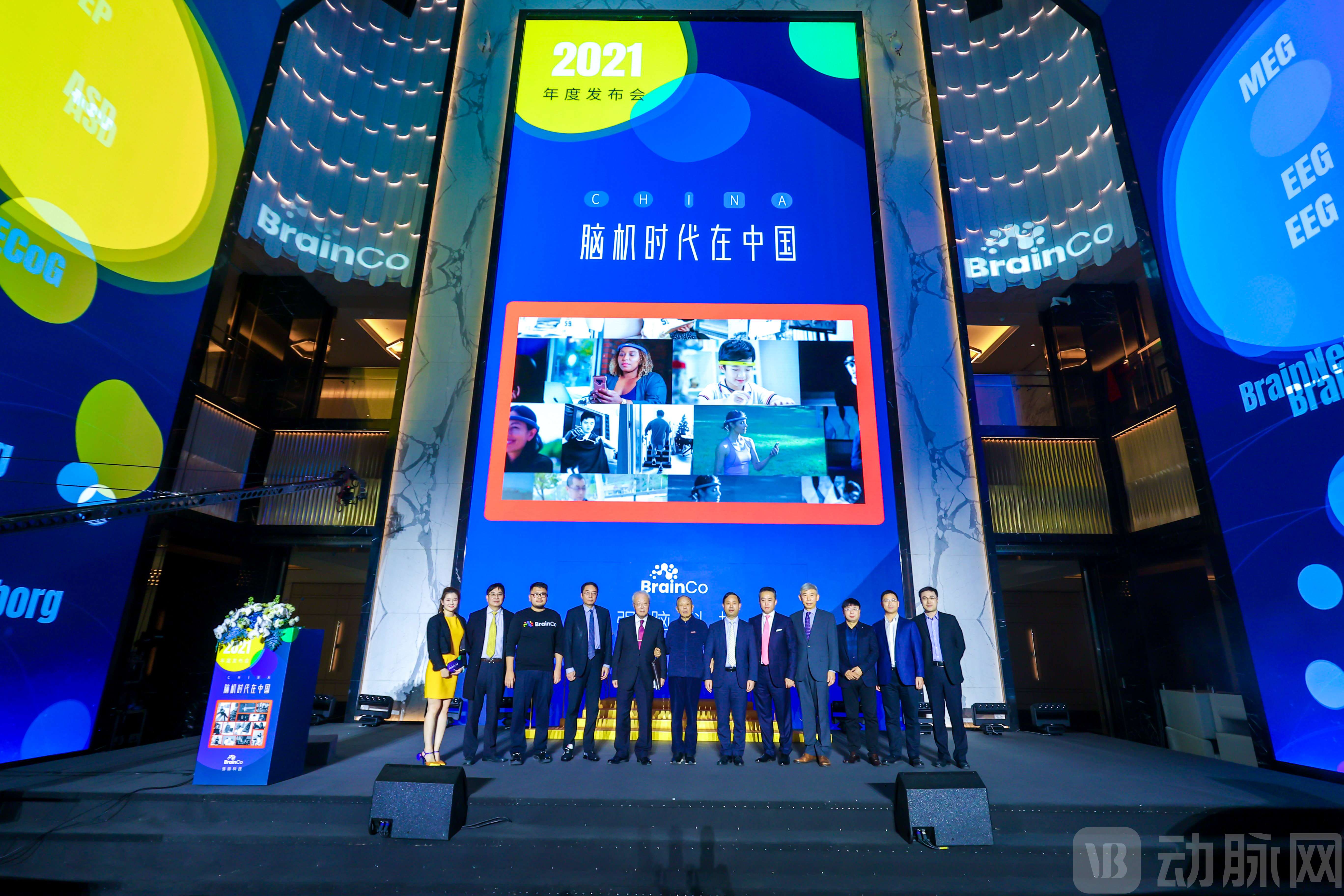
Pioneering the Future of BCI: BrainCo's Annual Launch Event Captivates 'Father of Brain-Computer Interface'

BrainCo
Non-invasive brain-computer interface technology solution provider
"I am Miguel Nicolelis, a neuroscientist... This July, I decided to become an Emeritus Professor at Duke University. After 40 years of academic research, it's time to bring that chapter to a close. I've decided to enter the industry to focus on the transformation of scientific research achievements and pursue my dream — to bring brain-machine interface technology to the world."
News has arrived from across the ocean that Miguel Nicolelis, the "Father of Brain-Computer Interface," will serve as the Chief Scientific Advisor for BrainCo Strong Brain Technology, marking his entry into the brain-computer interface industry. On December 20, 2021, during the "Brain-Computer Era in China" High-Level Forum and BrainCo Strong Brain Technology 2021 Annual Conference, a carefully prepared speech by Professor Miguel Nicolelis was broadcast. Subsequently, more significant announcements followed in quick succession.
BrainCo Founder and CEO Han Bicheng and his team members presented the clinical results of the autism project at the conference and unveiled the new products of the neural interface platform and the intelligent bionic leg. Among them, the intelligent bionic leg will become another commercial product that BrainCo can mass-produce and launch in the market on a large scale. This is another highly anticipated market move by the BrainCo team after the release of the world's first mass-produced Brain Robotics brain-computer interface intelligent bionic hand in 2019.
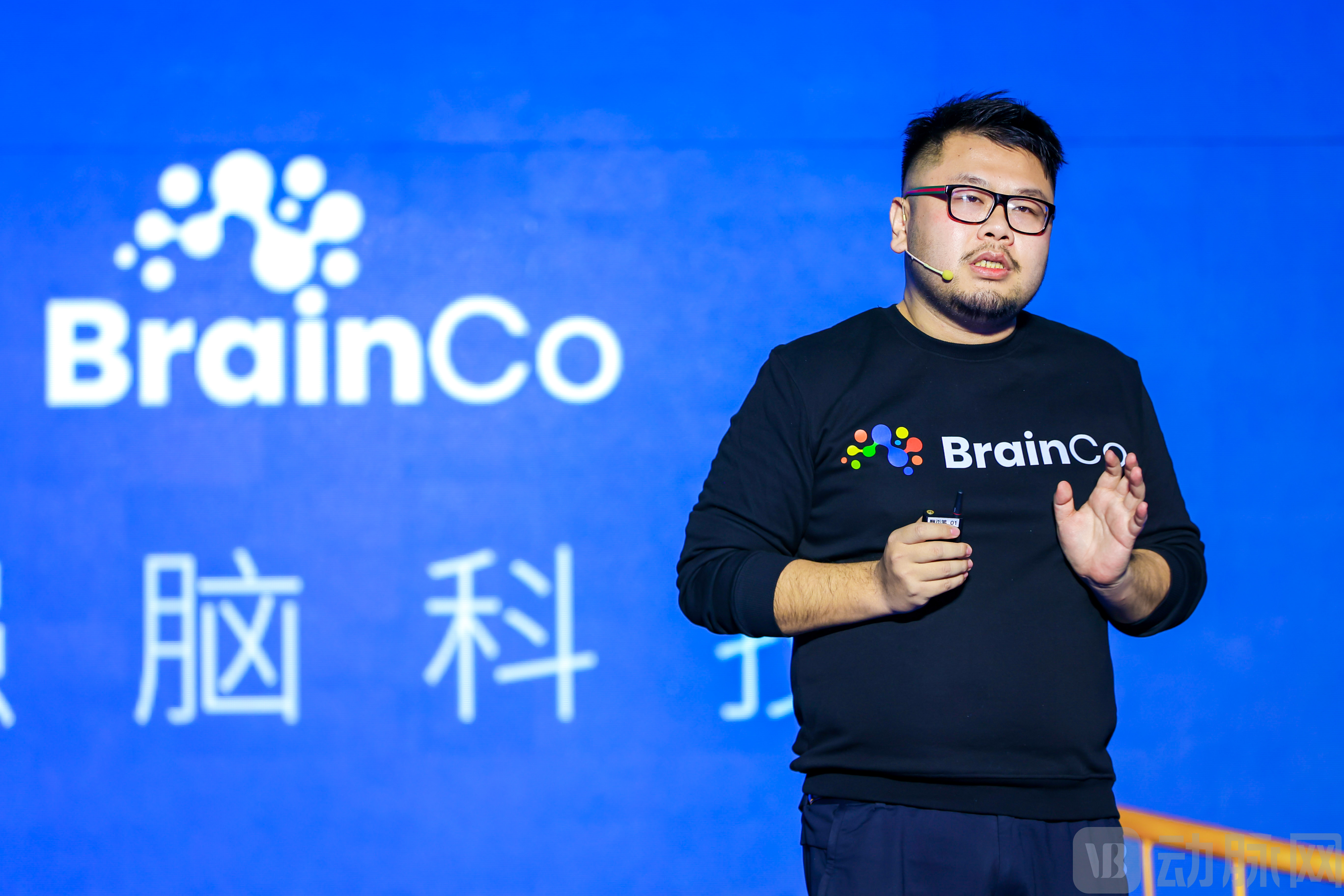
BrainCo Founder and CEO, Han Bicheng, at the press conference. (Source: BrainCo)
Moreover, according to publicly available information, BrainCo is currently one of only two technology companies globally to have raised over $200 million for fundamental research and development in brain-computer interface technology, standing shoulder to shoulder with Elon Musk's Neuralink. With everything in place, Han Bicheng has set his sights on the horizon. BrainCo is striding boldly toward a future where "brain-computer interface technology opens up more possibilities for life"…
Brain-Computer Interface (BCI) technology, the interface that connects the brain to machines, establishes a direct signal transmission pathway between the brain and external devices, enabling information exchange between the brain and the device. BCI technology represents the next generation of artificial intelligence, integrating AI with human intelligence into a fusion intelligence.
Brain-computer interface technology first captured the world's attention in 2014. At that time, a 29-year-old paralyzed patient, Juliano Pinto, used a non-invasive brain-computer interface system to control an exoskeleton and kicked off the first ball of that year’s Brazilian World Cup, with an audience of 1.2 billion people. The TV commentators were thrilled: "Pinto's small step in walking is a giant leap for brain-computer interface development."
The project was led by Miguel Nicolelis, an authoritative expert in brain-computer interfaces. Professor Nicolelis is an Emeritus Professor at Duke University in the United States and has served as the Principal Investigator (PI) leading the academic team at the Duke University Medical Center laboratory. He has trained hundreds of experts in the field of brain-computer interfaces, including Max Hodak, co-founder and former CEO of the brain-computer interface company Neuralink. His profound influence in the field of brain-computer interfaces has laid the foundation for academic research in this area, earning him the title of "Father of Brain-Computer Interfaces" from the media.
 Professor Miguel Nicolelis, Image Source: BrainCo
However, brain-computer interface technology is not a new technology; it has a development history of nearly a hundred years. In 1924, German psychiatrist Hans Berger first discovered human brain waves, allowing people to realize that consciousness could be converted into electronic signals and read. Decades later, technical research on brain-computer interfaces began to emerge. In 2003, Professor Nicolelis implanted microelectrode arrays in the brains of monkeys to detect their brain electrical signals, enabling them to control robotic arms with thoughts, ushering in a new era for brain-computer interface technology.
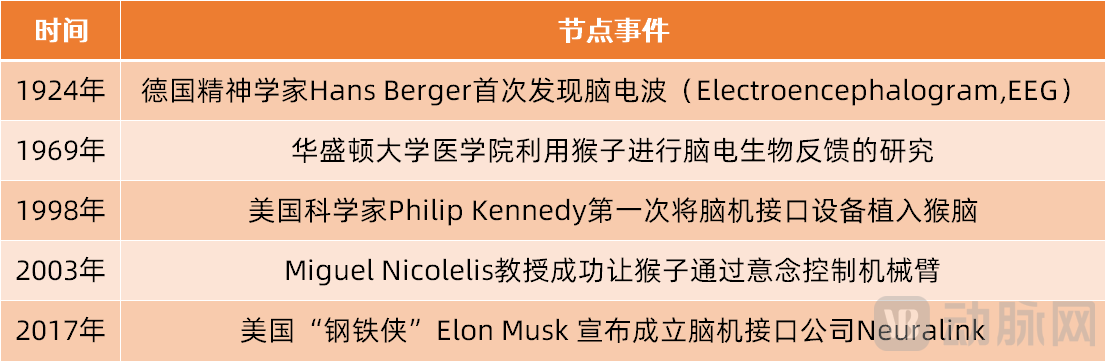
In 2017, Elon Musk announced the establishment of the brain-computer interface company Neuralink, once again sparking a global wave of industrialization in brain-computer interface technology. In terms of applications, brain-computer interface technology is roughly divided into two types: invasive and non-invasive.
Invasive brain-computer interface technology represented by Neuralink, in order to "rebuild" new pathways between the brain and operational terminals, enabling individuals with uncontrollable limbs to gain new control abilities. This can be used for treating severe paralysis, Parkinson's disease, and other conditions.
Non-invasive brain-computer interface technology represented by BrainCo, it mostly helps the brain and operational terminals "restore" the original signal transmission and "repair" damaged pathways. It targets corresponding rehabilitation training for diseases such as ADHD, stroke, epilepsy, and disabled individuals, with the primary method being neurofeedback training.
Currently, most brain-computer interface companies worldwide focus on non-invasive research. The advantage lies in analyzing surface signals of the cerebral cortex using relevant equipment, allowing for direct signal collection and processing without the need for surgical intervention. This makes it easier to apply in wearable devices that can monitor brainwave states in real time, providing auxiliary functions and being utilized in consumer-level fields such as education.
In fact, whether invasive or non-invasive, a typical brain-computer interface system mainly consists of four components: signal acquisition, signal analysis, control equipment, and feedback loop.The biggest technical challenge for non-invasive brain-computer interface technology currently lies in signal acquisition and analysis.
Han Bicheng, founder and CEO of BrainCo, told VCBeat that when collecting brain electrical signals non-invasively, the signal first undergoes attenuation through the scalp, resulting in a very poor signal-to-noise ratio. This places significant demands on the amplification and noise reduction capabilities of the collection device.
In the signal analysis phase, due to the variety of EEG signals, which are the superposition of electrical signals produced by the entire brain's neural activities, it is difficult to distinguish neural activities from different regions. Therefore, how to label and locate different EEG signals becomes crucial.
BrainCo, founded in 2015, is the first Chinese company incubated by Harvard University's Innovation Lab. To achieve accurate and portable EEG acquisition, the BrainCo team has made significant breakthroughs in signal collection and analysis, inventing revolutionary electrode materials and overcoming the challenges of large-scale bioelectrical signal acquisition.
At the same time, the company has also overcome the noise processing difficulties of portable bioelectric signal acquisition devices, significantly improving the signal acquisition accuracy of miniature devices, making the device's signal sampling precision comparable to medical-grade EEG detection equipment.
Since its establishment, BrainCo has developed highly precise products for many professional fields based on this platform, gaining recognition from NASA, NBA players, and national teams. With the continuous advancement of technology, BrainCo has decided to leverage the broader value of brain-computer interface technology to "unlock more possibilities for life."
In fact, brain-computer interface technology is not as far away as people imagine. In China, healthcare is becoming the first industry where brain-computer interfaces are being applied, and clinical applications have already been achieved.
In addition to the breakthroughs in hardware and materials mentioned earlier, the BrainCo team has developed core AI algorithms for processing electrical signals. With these technological advancements and reserves, in 2018, BrainCo began transforming its technology into commercial products, first exploring the medical fields of neuromodulation and cognitive enhancement.
Han Bicheng introduced that in China, there are 24.72 million people with physical disabilities, of which about 3 million have upper limb disabilities. However, the current situation is that the usage rate of prosthetics among physically disabled individuals in China is extremely low—accounting for all types of prosthetics, the usage rate may be less than 1%. The main reason is that the cost, often reaching hundreds of thousands of yuan, is unaffordable for many disabled individuals. Among users who have purchased upper limb prosthetics, 20% are dissatisfied with their performance, leading to an extremely high rate of abandonment.
Targeting these pain points, after nearly 10 years from the initial technology accumulation to generations of trials, feedback, and iterations, BrainCo has finally developed the world's first brain-controlled mechanical prosthetic product, the BrainRobotics Smart Bionic Hand.
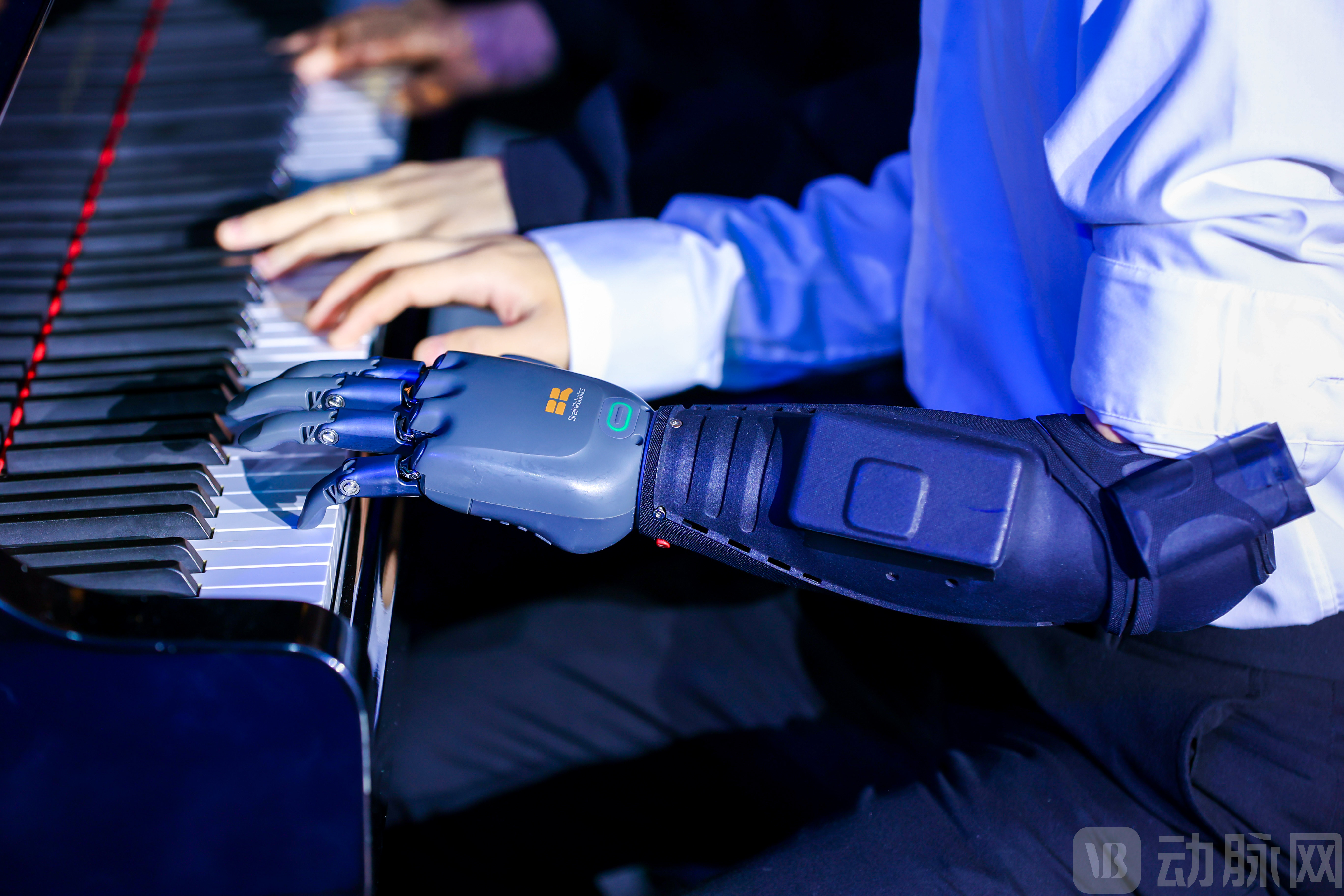
Hu Gu, the experience officer of the intelligent bionic hand, performed a piano performance at the press conference. Image source: BrainCo
This is a smart prosthetic hand that can be directly controlled through muscle nerve signals. It is currently the most precisely operated and functionally versatile smart prosthetic hand in the world, priced at one-fifth the cost of mainstream smart prosthetics, significantly enhancing its accessibility. The product was also named one of TIME Magazine's 100 Best Inventions of 2019 and featured on the magazine's cover.
Currently, the BrainRobotics intelligent prosthetic hand has evolved to its fifth generation. In addition to performing daily tasks such as shaking hands and grabbing cups, some disabled patients have achieved more complex operations like writing calligraphy, playing the piano, and rock climbing through practice, realizing their dreams.
At the 2021 annual press conference, BrainCo unveiled a significant new product — the intelligent bionic leg.
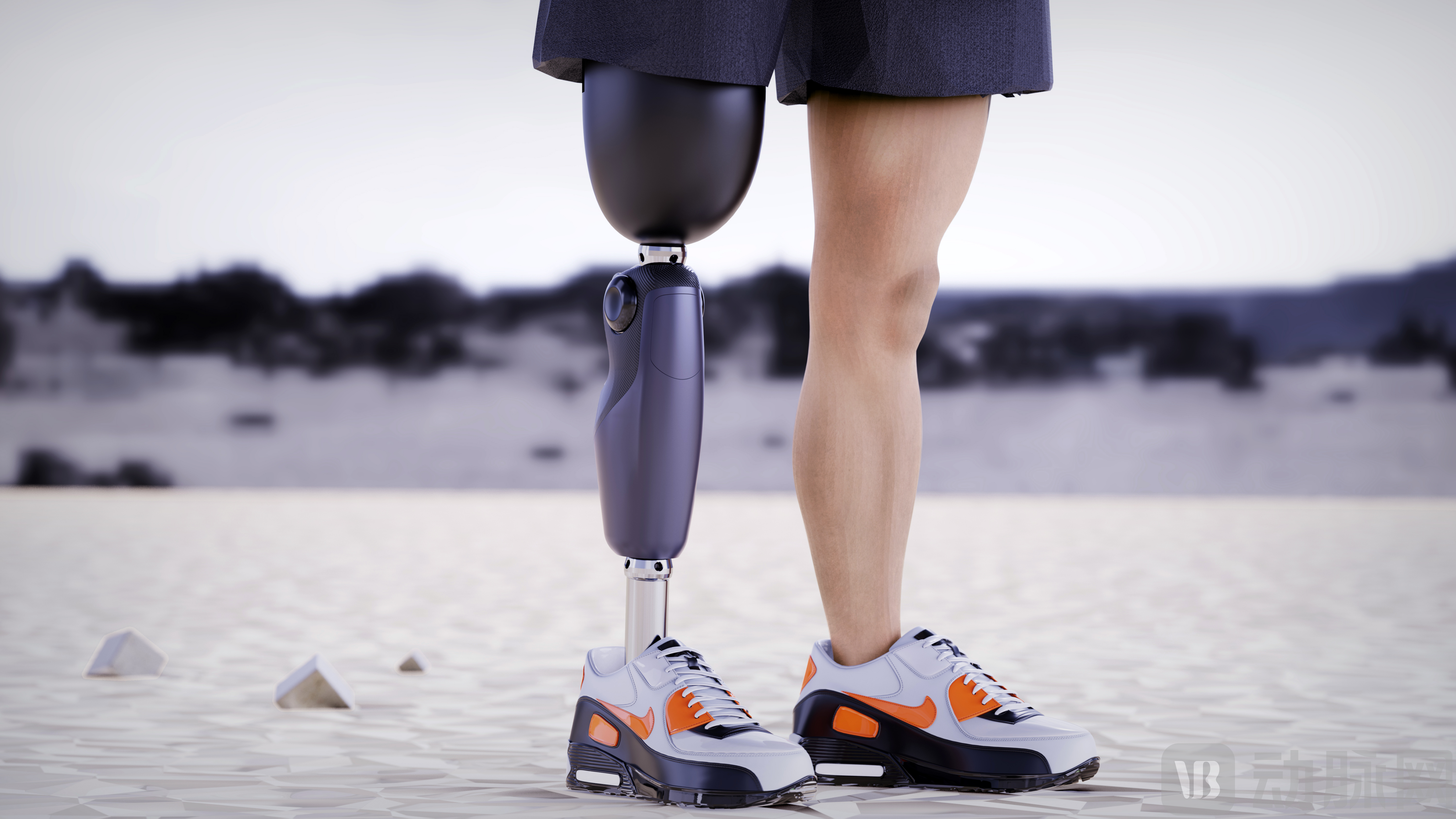 BrainCo Smart Bionic Leg Image Source: BrainCo
Among China's 24 million people with limb disabilities, the number of individuals with lower limb disabilities is 5 to 10 times that of those with upper limb disabilities. For patients who have had amputations above the knee, traditional prosthetics cannot receive commands from the brain like a normal leg would, and are unable to make real-time gait adjustments based on environmental and muscle conditions. Such prosthetics merely serve as support tools.
Although the development of intelligent bionic legs does not require the same level of flexibility as bionic hands, it poses high demands on the materials (size, weight), control (balance, speed, pressure changes), and perception (proprioception) of the prostheses. Normal walking requires a high degree of coordination between our nervous system and muscles, and muscle feedback varies at different stages of walking. A normal walking pace is 1.5 steps per second, taking 134 milliseconds.
BrainCo's Intelligent Bionic Leg utilizes brain-computer interface technology, similar to the intelligent bionic hand, capable of extracting 20,000 myoelectric and neural signals per second. It quickly identifies the wearer’s intent and makes corresponding adjustments based on AI algorithms. The entire system has a response time of just 100 milliseconds, significantly faster than the average human reaction time of 134 milliseconds.
 BrainCo Intelligent Bionic Leg Demonstrator Xiaolin and Dance Partner. Image Source: BrainCo
At the press conference, Xiao Lin, the demonstrator of BrainRobotics' intelligent bionic leg, and their dance partner performed a duet. Behind the seemingly simple dance steps lies the core capabilities of BrainCo.
In summary, this new product has the following five advantages: first,超强的承重能力; second,较快的响应速度; third,超高的加工精度; fourth,超强的耐用能力; and finally,足够轻便. Not long after its upcoming release, this product will become the world's first mass-producible "mind-controlled" smart bionic leg on the global market.
Han Bicheng stated that, to date, BrainRobotics' users have covered 80% of the provinces in China. The launch of the smart bionic leg product will help more disabled friends regain their confidence in life in the future.
BrainRobotics Intelligent Bionic Hand and the Intelligent Bionic Leg, which made its debut at this product launch, both belong to extension tools that utilize brain control to interact with the external environment. Another key development direction of BrainCo, highly emphasized by top clinical medical and brain science experts at this high-level forum, is the exploration of digital therapies for brain-related disorders such as autism through feedback and adjustment mechanisms of the brain.
There are approximately 75 million people with autism worldwide. In the United States, one in every 54 children is diagnosed with ASD, and the incidence rate has doubled over the past decade. Conservative estimates suggest that there are 10 million children with autism in China. This condition, which is "of unknown cause and has no cure," has become a globally recognized major public health issue and a heavy social burden. Identifying scientific, effective, and affordable ideal intervention methods has become a top priority.
StarKids BrainCo Social Skills and Attention Rehabilitation System, non-invasive brain-computer interface technology is adopted, attracting the interest and attention of children through brain-controlled therapeutic games and social interactive videos. The electroencephalogram (EEG) recording device worn on the child's head purely records the brain’s electrical activity, then transmits it to an AI algorithm designed for mirror neuron μ waves for analysis. The software then provides feedback on brain activity to the child’s senses and brain through visual and auditory signals.
Throughout the process, the device does not apply any electromagnetic stimulation to the child's brain or body. A 50-minute session can provide 3,000 feedback instances, offering significant advantages in promoting neuroplasticity.
In January 2021, BrainCo collaborated with Professor Zhang Tong, Deputy Director of the China Rehabilitation Research Center and Director of the National Autism Rehabilitation Research Center at the China Rehabilitation Research Center, to conduct the first clinical research experiment in China on autism intervention based on wearable brain-computer interface devices at the National Rehabilitation Center.
The study adopted a strict randomized grouping, placebo-controlled, single-blind experimental design. After 60 sessions of neurofeedback training (conducted 5 times a week, each lasting half an hour), the experimental group showed significant improvements over the control group in mimicking social interactions, social communication, verbal expression, and problem behaviors, achieving the expected experimental outcomes.
If its efficacy can be confirmed in further large-scale, multi-center clinical studies in the future, and the results are consistent with existing data, brain-computer interface technology may provide cutting-edge rehabilitation methods for children with autism.
Besides, brain-computer interface technology can actually make a difference in more disease areas such as depression, insomnia, and Alzheimer's disease.
"I want to bring brain-computer interface technology to the entire world and attempt to create neurorestorative devices that can treat 1 billion people. Just a few days before I decided to leave Duke University, Max and Bicheng from BrainCo invited me to serve as BrainCo's scientific advisor—what an incredible coincidence! I had long heard about BrainCo’s achievements, and what pleases me most is that we share the same dream and vision," Professor Nicolelis said in his speech at the press conference.
BrainCo's mission of "Brain-Machine Technology, Unlocking More Possibilities for Life" aligns perfectly with Professor Nicolelis's grand vision of using brain-computer interface technology to "treat one billion people." Currently, Professor Miguel Nicolelis has been invited to join BrainCo as the Chief Scientific Advisor.
Han Bicheng emphasized that the applications of brain-computer interfaces are divided into two forms: one is internal neural regulation, and the other is interaction with the external environment, such as controlling machines with the brain.The addition of Miguel Nicolelis also signifies that BrainCo will continue to strengthen its research into the underlying technology of brain-computer interfaces.
Han Bichen is confident in the potential of non-invasive brain-computer interface technology: "While invasive brain-computer interface technology is still being validated in laboratories, non-invasive brain-computer technology has already enabled disabled people to regain their abilities and pursue their dreams."
With the support of an increasingly powerful research team and funding, in 2022, BrainCo will fully accelerate the development of new products and the implementation of technology for brain-computer interface solutions targeting Alzheimer's disease and insomnia. Creating good products that everyone needs and everyone benefits from is the key to unlocking the "brain-computer era."
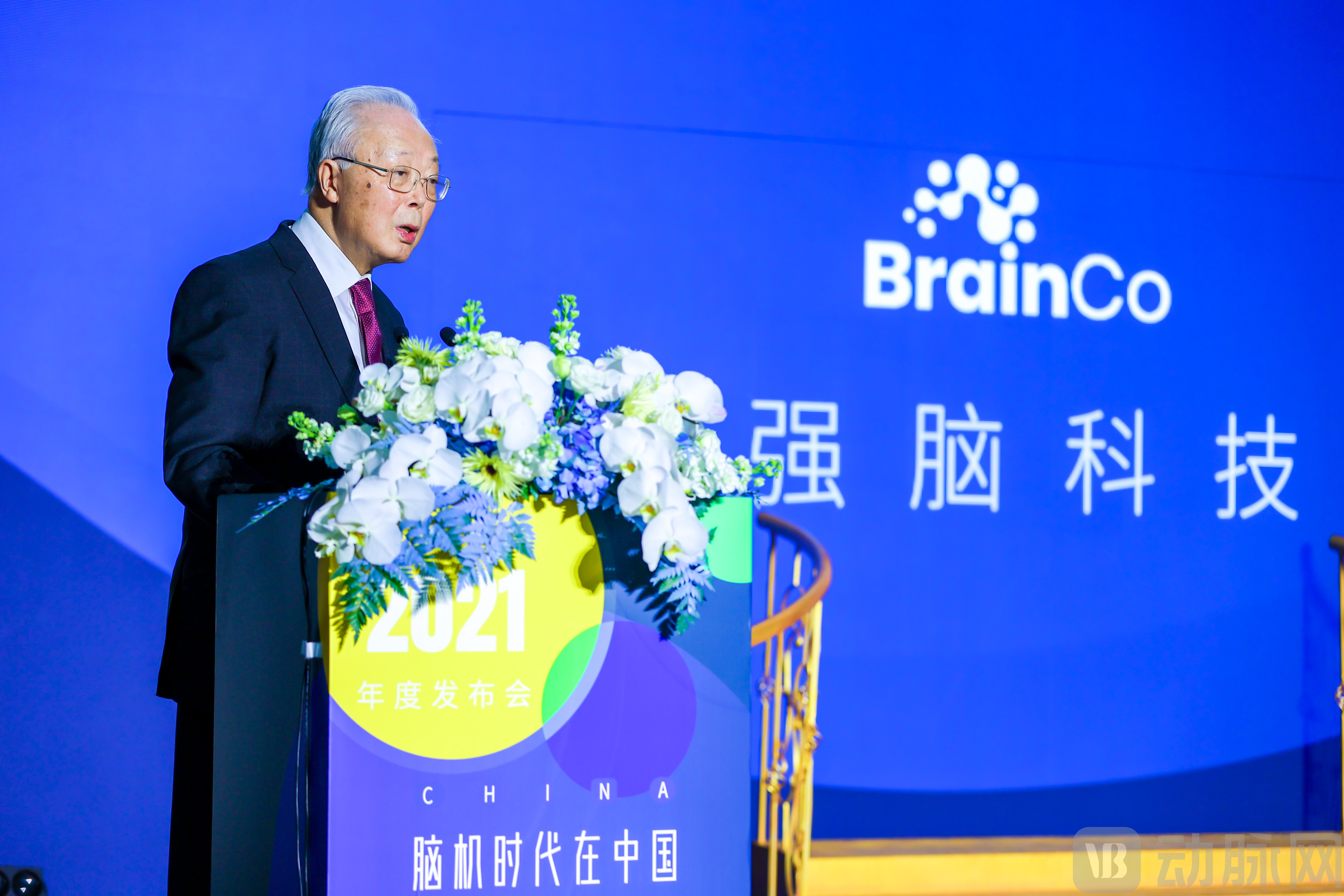
Academician of the Chinese Academy of Sciences, Director of the Academic Committee of the Institute of Brain Science at Fudan University - Academician Xiongli Yang
But at present, the public's understanding of brain-computer interface technology is not deep, and there are some concerns.
In this regard, Yang Xiongli, an academician of the Chinese Academy of Sciences, the director of the Academic Committee of the Brain Science Research Institute of Fudan University, and the founder and promoter of China's Brain Science Plan, quoted the words of the British poet John Milton in his speech at the summit."The truth is likened to a flowing spring; if the spring does not flow eternally, it will stagnate into a quagmire of conformity and blind adherence. We must keep our thinking up with the times."
"The journey through the 'rivers' surging between the brain and machines, the brain and the body, and one brain to another has begun, but the road across the chasm of thought remains long." The future is here. Let us face the power of technology for good and jointly anticipate the arrival of the "brain-machine era."