Weko Medical and Dr. Shang Xiaoke: Pioneering Heart Failure Innovation with D-shant Atrial Shunt

Vickor
Structural Heart Disease Minimally Invasive Intervention Product Developer
"Clear indications for catheter pressure measurement, prepare to implant the shunt." At 1 a.m., Dr. Shang Xiaoke from the Department of Cardiac and Great Vascular Surgery at Wuhan Union Hospital was conducting the last surgery of the day. "Heart rate and blood pressure are stable, left atrial pressure and pulmonary artery pressure have decreased, and the shunt flow does not exceed 1.5; the immediate effect of the shunt is good."
Seeing the patient out of life danger, Professor Shang Xiaoke finally breathed a sigh of relief. This was the 40th heart failure patient saved by the domestic首创 heart failure treatment device "D-shant Atrial Shunt," developed by Wuhan Vickor Medical Technology Co., Ltd.
Heart failure is known as the last unbroken frontier in cardiovascular disease.In China, there are tens of millions of patients with heart failure, but the number of related therapeutic devices is very limited. With the original aspiration of "manufacturing more cost-effective medical devices and being a good guardian of the heart," this post-80s doctor, who has completed nearly 20,000 interventional cardiac surgeries, ranking among the top in China for individual surgical volume, founded Wuhan Vickor Medical Technology Co., Ltd. (hereinafter referred to as "Vickor") in Optics Valley.A company focused on the research and development of innovative minimally invasive interventional devices for structural heart disease and heart failure.。
"D-shant Atrial Shunt" is a heart failure treatment device independently developed by Vickor, which is the first of its kind in China and internationally leading. It stems from the insights and explorations of frontline clinical experts in medical practice and represents a powerful tool for heart failure treatment born from the collaboration between medical professionals and engineering.
As early as his undergraduate years, Shang Xiaoke, a clinical medicine major, developed a strong interest in cardiac intervention and chose it as the focus of his lifelong research.
A Chinese epidemiological survey that he saw during his school days showed that the prevalence rate of heart failure in Chinese adults was 0.9%, with about 4 million patients suffering from chronic heart failure. The 2013 "Report on Cardiovascular Diseases in China" also pointed out that the prevalence of cardiovascular diseases in China is in a continuous upward phase, with heart failure patients reaching 4.5 million.
In the field of heart failure, traditional drug treatments have poor compliance and low target achievement rates. Device-based treatments such as Cardiac Resynchronization Therapy (CRT) and Ventricular Assist Devices (VAD) have high technical barriers, with costs often reaching hundreds of thousands, making it difficult for patients to afford.
Professor Shang Xiaoke, who has been following this field, began to ponder, "Can we develop more cost-effective devices to help more ordinary heart failure patients alleviate their conditions and improve survival rates?"
In 2014, the world's first early research paper on atrial shunt devices was published, while China was still in a blank state in this aspect. In 2018, early academic studies on three foreign atrial shunt devices were also published in international authoritative journals, proving that after the product is implanted in the heart, it can generate continuous interatrial blood flow shunting, effectively reducing pressure in the atrium and alleviating the patient’s condition. This gave Professor Shang Xiaoke, who had been groping in the dark, a glimpse of hope: "We must independently develop the first domestically produced atrial shunt device in China and strive to enter clinical trials as soon as possible to benefit more patients."
Professor Shang Xiaoke's most admired person is Mr. Earl Bakken, a legendary figure who founded Medtronic, a global leading medical technology company with products covering areas such as arrhythmia, heart failure, vascular diseases, and heart valve replacement. Interestingly,Professor Shang Xiaoke's first major industry award was the China Earl Bakken Award.(An award established by the Chinese Medical Association's Thoracic and Cardiovascular Surgery Branch in memory of Earl Bakken, with two recipients selected every two years in China.)
Professor Shang Xiaoke is determined to create innovative medical devices that truly meet clinical needs, just like Mr. Earl Bakken, developing devices that clinicians find useful, and making products that are the first of their kind in China and world-leading, without blindly following the direction of capital. He hopes that Vickor will become a great innovative medical device R&D company, leading the way in China's cardiovascular interventional treatment, and gaining recognition from Chinese doctors in the future.
The innovation of medical devices is a very difficult process; no matter how good the idea is, it requires an excellent team to put it into practice. This is especially true for enterprises whose entire product line focuses on Class III high-risk medical devices. As key regulated devices by the national drug regulatory authorities, products such as atrial shunters have strict manufacturing processes and approval standards.
As a leader, Professor Shang Xiaoke deeply understands the importance of a professionally complementary core team for industrialization. Therefore, at the start of his venture, he formed a core team comprising doctors, senior engineers, and industry management personnel.
Wang Xueli, a co-founder who has worked in Beijing for over a decade at a Fortune 500 healthcare company, has extensive management experience in Class III medical device industries. Co-founder Chen Song, a senior engineer from Jiangsu, is one of the earliest founders of China’s first congenital heart defect occluders and has rich R&D experience in cardiovascular implant devices. Professor Shang Xiaoke referred to them as the "Golden Triangle."
From the very beginning of its establishment, Vickor positioned itself as an innovator in the field of structural heart disease devices. Relying on the strong policy support from the East Lake High-Tech Development Zone, the three founding partners initially rented a small office in Wuhan’s Optics Valley. With no employees, no manufacturing facilities, and limited research and development funds, they took care of everything themselves. Despite these challenges, they quickly developed a product prototype.
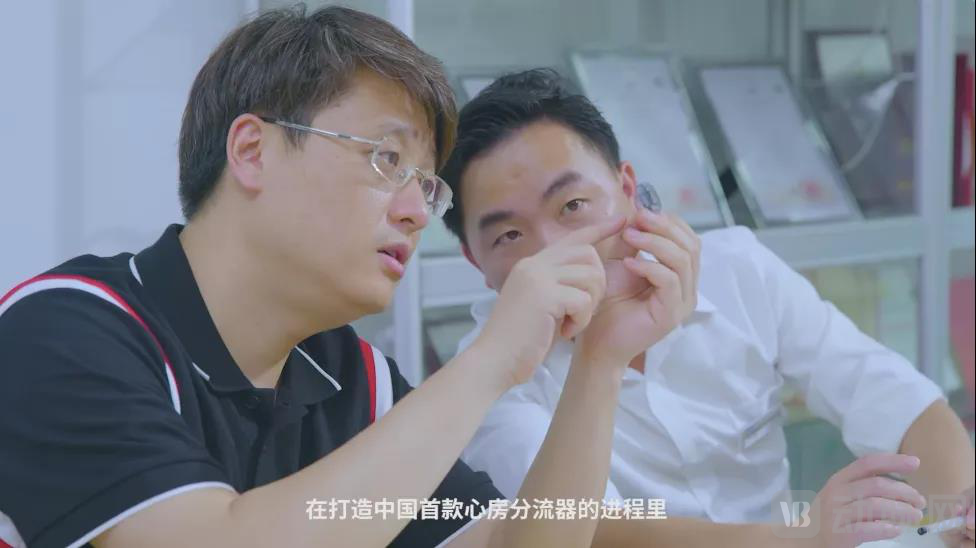
Compared with pharmaceutical enterprises that often require years of R&D time, Vickor, through the integration of industry, academia, and research, has achieved product transformation in no more than six months, increasing production efficiency several times over.The D-shant atrial shunt and PFO occluder are the two earliest products developed by Vickor, targeting heart failure and cryptogenic stroke respectively.These two products are also representative of interventional therapies for structural heart disease. "The product innovations of PFO occluders and atrial shunt devices are almost entirely based on clinical needs, aiming to address various pain points and shortcomings in the clinical application of existing products," said Professor Shang Xiaoke.
In 2018, the first year of Vickor's establishment, Professor Shang Xiaoke participated in the 2018 China Optics Valley 3551 International Entrepreneurship Competition with the startup project "A New Generation of Nanocoating Rivet-Free PFO Occluder," winning the second prize and the Best Popularity Award. In the same year, Vickor received angel investment from Belling Star Venture Capital, providing a strong boost for the company's product development.
Vickor received investment from Mountain Blue Capital at the end of 2020, and in late 2021, it secured another round of Series B financing worth hundreds of millions of yuan, led by Sequoia Capital with continued support from the original shareholder Shengyu. This marks the fourth round of financing for Wuhan Vickor Medical Technology Co., Ltd. within three years, providing strong support for the company’s next phase of new product development.
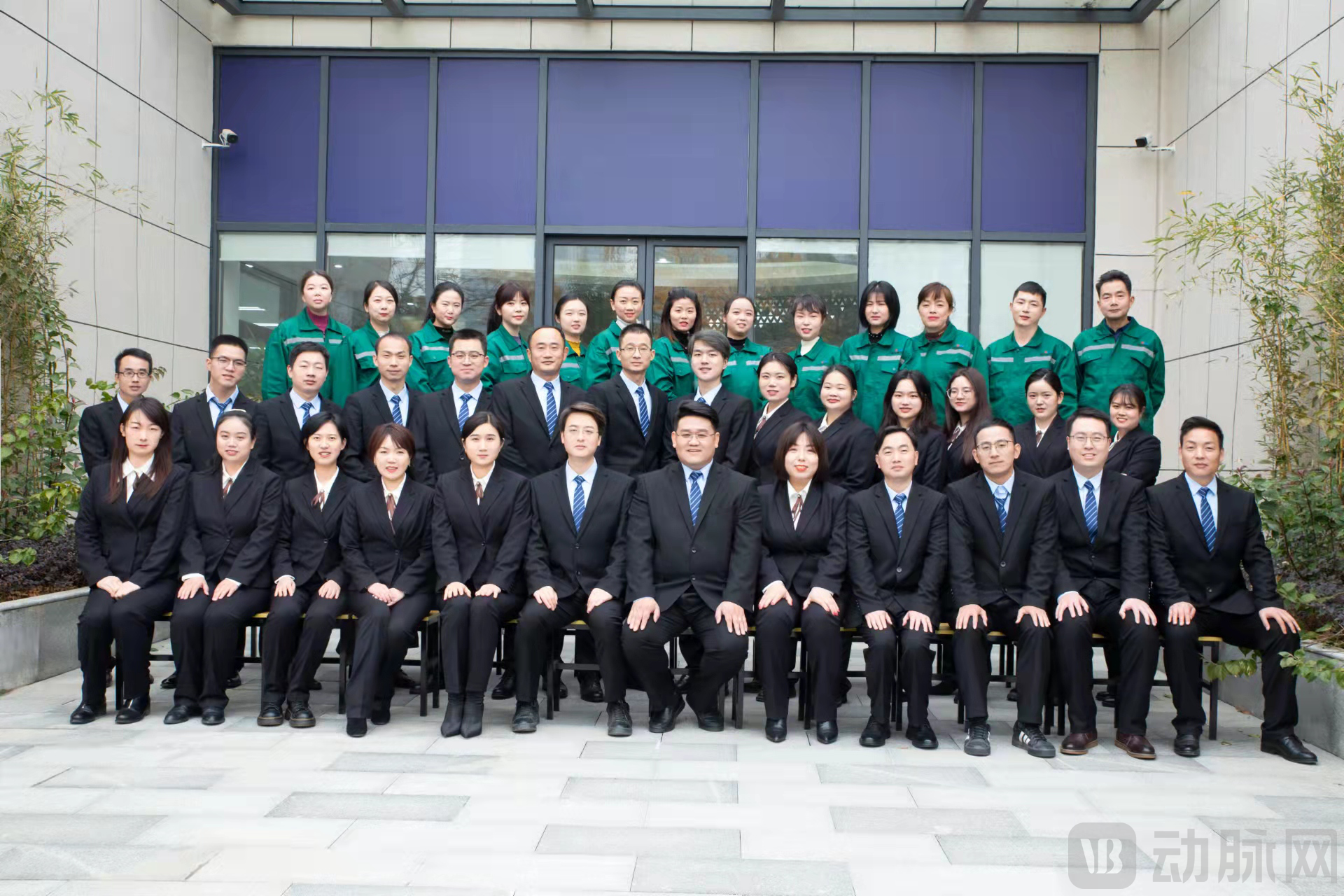
To this day,Vickor has grown from a single office to owning three independent office buildings that integrate R&D, office work, and production. It has built a 3000㎡ GMP-standard R&D laboratory and production workshop.The company has more than 50 full-time employees, of whichR&D personnel account for more than 60%,entering the fast lane of rapid development.
Focus on Heart Failure and Structural Heart Disease Treatment Devices
Self-developed products have obtained more than 40 national patents.
Adhering to the concept of "clinical doctor-led innovation at the source," Vickor Medical is driven by a large number of top domestic structural heart disease surgeons who actively participate in research and development, focusing on creating medical value through innovative device development. The company has a multidisciplinary R&D team combining medical and engineering expertise. Different from most medical innovation enterprises, the company genuinely addresses significant clinical treatment needs, and all its products have full independent intellectual property rights.
As of now,The company has applied for more than 40 national patents and 1 PCT patent., strategically layout in the field of interventional treatment for structural heart disease, with products and technologies closely following the most cutting-edge international areas.
In May 2020, D-shant, the atrial shunt device independently developed and produced by Vickor, successfully completed the first patient implantation. This milestone is of great significance for the device treatment of heart failure patients in China.
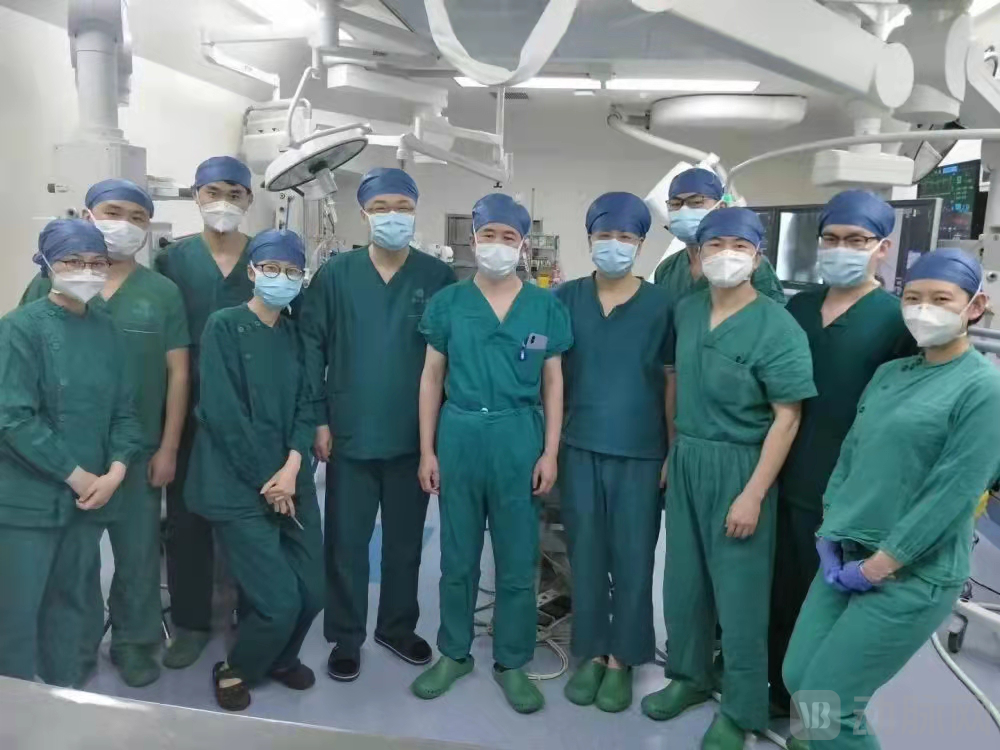
As of now,"D-shant" Atrial Shunt Completes 40 Human ImplantsThe follow-up results at 1 year post-operation showed improved exercise tolerance and significant relief of clinical discomfort symptoms in the patients.
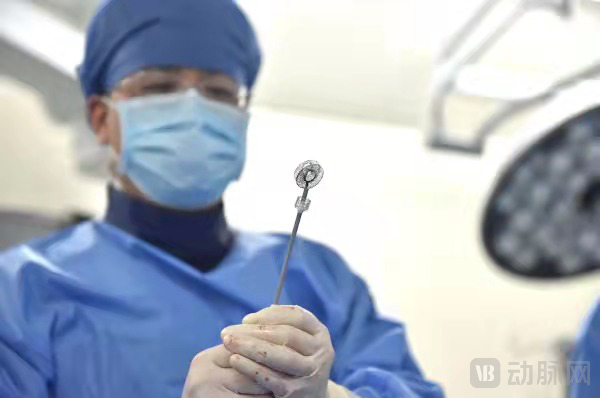
A coin-sized atrial shunt, after being implanted in the heart, can effectively reduce pressure in the left atrium, potentially extending a patient's survival time by 5 to 10 years and significantly improving their survival rate. In the treatment of end-stage heart failure patients assisted by ECMO, doctors can use the atrial shunt as a bridging therapy to help patients gain more time while waiting for a donor. This technology has successfully treated nearly 20 patients.
In addition, Professor Shang Xiaoke was the first in China to propose the "D-shant Atrial Shunt Device" for the treatment of right heart failure caused by idiopathic pulmonary arterial hypertension, which is "broadly indicated, economical, safe, and easy to promote."
It is reported that this product is currently undergoing multi-center registration clinical validation at 15 centers in China. The clinical trial enrollment is expected to be completed by June 2022, with registration and market approval anticipated by 2024.
"We hope this technology can become an economical, safe, and effective way to treat heart failure, thereby changing the survival status of a large number of heart failure patients in China. Vickor will continue to develop more innovative devices for heart failure treatment, allowing more patients to gradually摆脱 traditional drug dependency," said Professor Shang Xiaoke.
Beyond the atrial shunt device, Wuhan Vickor Medical Technology Co., Ltd.'s first product, the nanofilm PFO occluder, has completed verification in over 200 subjects with significant results. Meanwhile, the company has successfully developed China’s first percutaneous transcatheter mitral regurgitation valve, which has already completed animal testing. The second-generation heart failure repair device is currently under intense development and is expected to make its mark by the end of next year. Additionally, the company has four interventional medical devices undergoing registration approval.
Awarded "One of China's Top Ten Outstanding Young Cardiothoracic Surgeons"
20,000 Surgeries Accumulate to Create the "Heart Guardian"
Since starting a business, interviewers often ask: Can doctors who start businesses perform their core duties well? At what level must a doctor reach before starting a business? Professor Shang Xiaoke’s answer is, "Not until you become one of the top experts in your field."
Since 2008, Professor Shang Xiaoke has been the first to carry out large-scale interventional surgeries in Hubei Province. He has completed nearly 20,000 congenital heart disease interventional surgeries, ranking among the top in China for individual surgical volume. After 2015, Professor Shang Xiaoke also led the Wuhan Xiehe Structural Heart Disease Interventional Team to be the first in Hubei to perform a series of minimally invasive valve replacement and repair surgeries. Currently, the annual number of TAVR surgeries exceeds 1,000 cases, earning him the title of "Top Ten Outstanding Young Cardiothoracic Surgeons in China."
As a well-known expert in the field, he has a large number of surgeries waiting for him to perform every day. Sometimes, work starts at dawn and doesn’t end until late at night; overnight overtime is the norm. When he can no longer keep going, he rests for ten minutes on the cot in his office. "Surgery is life-saving for patients—if you don’t do it, the patient might lose their life."
A Busy Life Brings Much Pressure to Professor Shang Xiaoke, but in His View, Interest is the Best Teacher and a Huge Motivation. Since Becoming a Surgeon in 2005, He Has Devoted Himself to the Operating Table for Over a Decade. It Is Precisely This Accumulation of 20,000 Surgeries That Has Provided Him with Abundant Clinical Experience for His Entrepreneurial Journey.
"In China's structural heart disease field, it is unprecedented for doctors to take the lead in establishing medical device companies." Such a move implies that entrepreneurs need more courage and determination.
Professor Shang Xiaoke recalled that in the early days of entrepreneurship, many investors questioned the structure of Vickor. "Are doctors capable of guiding enterprise development?" became the most frequently asked question he heard.
In the eyes of investors, doctors have a relatively heavy daily workload and lack the time and energy to manage enterprises. Moreover, doctors who start businesses are more likely to be misunderstood by the public, as many believe that entrepreneurship could affect their primary responsibilities.
Deeply involved in research and development, proposing one product design idea after another, personally conducting animal experiments, and staying up late to write product clinical validation plans, Professor Shang Xiaoke dispelled their concerns with his actions.
In the research and development process of atrial shunt devices, Professor Shang Xiaoke and his team designed more than ten solutions just to address the challenge of "how to maintain the balance between aperture stability and compliance." After dozens of sleepless nights and hundreds of structural improvements by the company’s engineers, the team finally enhanced the waist support of the product by improving the braiding process. A single-sided eccentric rivet design enabled the product's retrievable structure.
"Abroad, it's very common for doctors to start their own businesses. Whether as a doctor or an entrepreneur, my goal is to be the best guardian of the heart," said Professor Shang Xiaoke.To be the leader in the cardiovascular innovative medical device industry, creating top-notch heart products" is Vickor's vision, as well as the ongoing goal for him and all Vickor employees.