

Jialiang Medical Completes Series B Financing of Several Hundred Million RMB to Advance Global Leadership in Neurosurgery and Brain Science Technology

Qiming Venture Partners
Healthcare Investment Institutions

Vision Capital
Technology Sector Investment Firm

GenLight
Innovative Medical Device Solution Provider
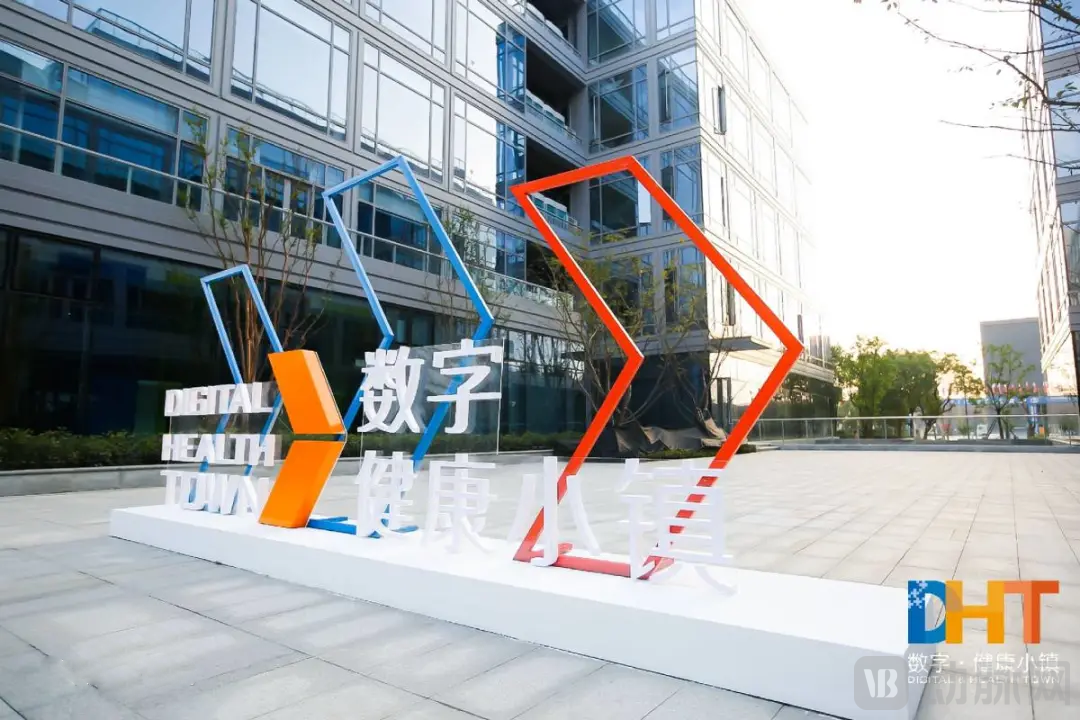
On January 16, 2022, Hangzhou Genlight Medical Technology Co., Ltd. ("Genlight Medical" for short) officially announced that it had completed a Series B round of financing worth hundreds of millions of RMB several months prior. The round was led by Qiming Venture Partners, with participation from Vision Capital and CICC Chuanyu Phoenix (Hangzhou) Equity Investment Fund Partnership (Limited Partnership). Original shareholder Suzhou Chenzhide Investment Partnership(L.P.) continued its support, and DSC Advisory served as the exclusive financial advisor. The funds raised will be used to further expand the R&D pipeline, clinical trials, personnel recruitment, and more. Meanwhile, Genlight Medical held a grand relocation ceremony at its new office location — China (Hangzhou) Digital Health Town.
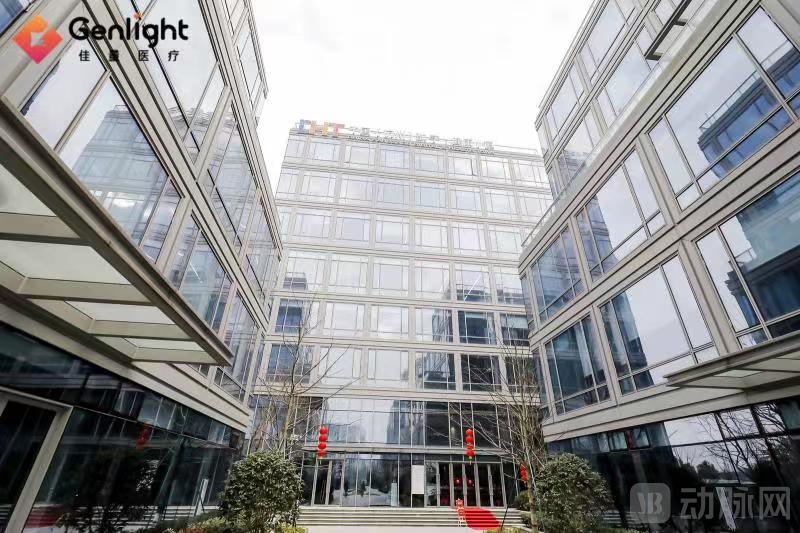
Genlight Neurotech, founded in 2020, is a high-tech group company dedicated to the fields of neurosurgery and brain science research. It owns the brands Nuowei Medical and Newtech. After years of research and development, it has established innovative medical device solutions for drug-resistant epilepsy, brain tumors, Parkinson's disease, and depression, aiming to become a trusted leader in global neurology solutions.
Genlight Neurotech also provides brain-computer interface research services and comprehensive solutions based on neurocognition and diseases, including optogenetic research equipment and consumables. Epilcure, a responsive neurostimulator for refractory epilepsy developed and produced by NovoMed in collaboration with Zhejiang University, completed the first clinical implantation in Asia in March 2021, showing significant efficacy. In August 2021, the investigator meeting for the prospective, multicenter, controlled clinical trial of the Epilcure implantable closed-loop self-responsive neural stimulation system was successfully held, marking the official launch of the Epilcure China registration clinical trial jointly led by Professor Mao Ying, president of Huashan Hospital Affiliated to Fudan University, and Professor Zhao Guoguang, president of Xuanwu Hospital, Capital Medical University.
Based on the founding team's deep understanding of the clinical pain points in central nervous system (CNS) diseases, Genlight Neurotech has currently established a closed-loop neuromodulation technology platform based on brain-computer interface technology for CNS diseases, named BCmod. They also developed a minimally invasive surgical system for brain tumors and functional neurosurgery, the LaserRO MRI-guided laser ablation (LITT) system, as well as a neurosurgical robot. Additionally, they provide instruments, equipment, and consumables for neuroscience research, including optogenetics and brain-computer interface-related research products.
Genlight Neurotech's universal closed-loop neuromodulation technology platform based on brain-computer interface technology, BCmod (also known as responsive stimulation), is at its core. Its current flagship product, the next-generation responsive neurostimulator Epilcure, is significantly different from other domestically and internationally marketed open-loop stimulators (such as VNS, DBS, etc.).
This product uses a closed-loop stimulation mode to directly stimulate the lesion site, capable of simultaneously covering both the cerebral cortex and deep brain regions. The closed-loop mode reduces unnecessary stimulation, minimizing side effects on the human body while also decreasing battery consumption. Additionally, its small size allows for direct implantation into the skull. Compared to other open-loop stimulators implanted in the chest, the closed-loop stimulator offers advantages such as lower infection risk, better aesthetics, and avoidance of lead fracture risks.
Professor Zhang Jianmin, Director of the Neurosurgery Department at the Second Affiliated Hospital of Zhejiang University, stated, "It is like installing an 'anti-missile system' in the patient's brain, which can monitor the patient's brain electrical activity in real time and automatically identify characteristic brainwave patterns of diseases such as epilepsy. It can 'alert' before or just as the disease begins to occur, while simultaneously activating a pulse generator to deliver precise electrical stimulation, thereby suppressing abnormal brain activity."
At this stage, Genlight Neurotech's Epilcure product targets focal epilepsy. Based on its product iteration and clinical trial design concept, it will gradually expand to the treatment of generalized epilepsy in the field of epilepsy treatment in the future, benefiting a broader patient population.
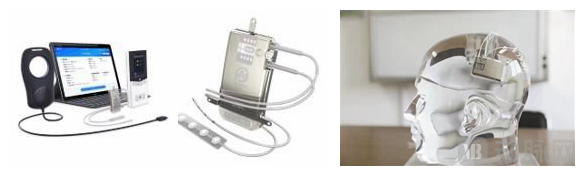
GenLight Epilcure Responsive Neurostimulator
Closed-loop neuromodulation devices serve as a window for understanding brain signals. The intracranial EEG data accumulated through long-term implantation can be used to further optimize treatment plans for patients, bringing significant benefits to both clinical practice and research. After 2019, the field of neuromodulation experienced explosive growth, with several U.S.-listed companies emerging and expanding applications in areas such as stroke rehabilitation and heart failure treatment.
Overall, apart from epilepsy, Parkinson's disease represents another ideal market for neurostimulators that remains not fully tapped, based on over 30 years of development experience with Medtronic's DBS products. Currently, the patient population in China has exceeded 3 million people. The exact cause of Parkinson’s disease remains unclear, generally presenting as sporadic, and drug treatments are often unsatisfactory. Therefore, the market for neurostimulation therapy will continue to exist in the long term.
Since the majority of patients have long disease durations and require lifelong treatment, closed-loop neuromodulation devices can reduce stimulation doses over longer treatment periods while providing adaptive stimulation based on various bodily states such as tremors, rigidity, standing, and stopping, achieving better outcomes.
From the perspective of future scientific research, invasive brain-computer interfaces are an essential path for brain science studies, and closed-loop neuromodulation devices serve as a crucial entry point for in-depth exploration in the field of brain science. In recent years, countries and regions such as China, the United States, and Europe have successively launched brain science initiatives. The collection and analysis of electrical signals from brain activity represent an important method for studying the brain, with brain-computer interface chips being the core components of related scientific research instruments.
Currently, many wireless technology chips have high power consumption, and frequent battery replacement during use can interrupt the monitoring process and disturb the natural state of the organism. Genlight Neurotech is set to release its brain-computer interface chip for neurological disorders this year, which features "multi-channel, low power consumption, and high computing power."
In 2021, three foreign scientists shared the Lasker Award for Basic Medical Research, which is second only to the Nobel Prize in the medical field. They discovered light-sensitive microbial proteins capable of activating or silencing individual brain cells, and based on this, they can decode the role of individual neurons in complex brain circuits.
Optogenetics can fundamentally explain the connection between the microstructure and complex functions of the brain. For Genlight Neurotech, its forward-looking business layout has already achieved product exports. Its neuroscience products have helped partner academic institutions publish over 100 SCI articles, with a total impact factor exceeding 600, and the highest single-article impact factor reaching 53.44 (Nature Medicine). Collaborative clients span more than 10 countries globally, including over 50 universities/research institutions such as Harvard University, MIT, and Oxford University. Research achievements cover areas like basic neuroscience, neural circuit stimulation, neuron imaging, brain-computer interface fundamentals, and wireless optoelectronic recording.
Outside the field of neuromodulation, Genlight Neurotech has also developed the LasorRo MRI-guided Laser Ablation Surgery System, providing internationally leading solutions for patients suffering from primary deep brain gliomas and brain metastases. The Laser Interstitial Thermal Therapy (LITT) technology was initially applied in soft tissue ablation and prostate cancer ablation, and later gradually used in the treatment of brain tumors and epilepsy. After Medtronic entered the industry by acquiring Visualase in 2014, LITT accelerated its application in brain tumor treatment. Compared with existing open surgeries, chemotherapy, and radiofrequency ablation, LITT offers significant advantages and is already covered by insurance in the United States. The clinical trial of the Genlight LasorRo system is about to begin, and once the product is launched, it will bring great benefits to a large number of brain tumor and focal epilepsy patients.
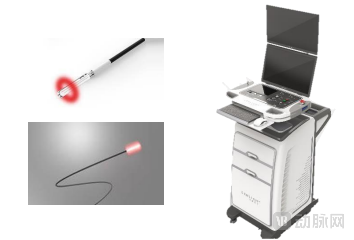
GenLight Medical Magnetic Resonance-Guided Laser Interstitial Thermal Therapy System LasorRo
Dr. Peng Cao, founder of Genlight Neurotech, keenly observed in 2020 that the medical device track driven by brain science in the neurological field held great promise. He decided to establish Genlight Neurotech and build a globally leading neurosurgery and brain science technology platform.
The management and R&D team, led by high-level talents who have returned from overseas, have previously worked in Fortune 500 medical device companies such as General Electric, Siemens, BD, and Boston Scientific, possessing extensive experience in the research and development, operations, and production of medical devices. The core R&D team members have accumulated over 10 years of professional experience in the development of Class III active products, medical imaging, artificial intelligence, and other fields. Currently, the company’s team has grown to exceed 120 people.
Dr. Peng Cao stated, "A truly first-class medical device company must be a global medical enterprise, and it must be 'Made in China, serving the World.' Brain science is receiving strong support worldwide; it is an industry full of opportunities and challenges, and a cause that one can dedicate their entire life to. I hope that GenLight can become an important force in this field, providing patients with a better quality of life."
Regarding this round of financing, Hu Xubo, Managing Partner of Qiming Venture Partners, stated: "Central nervous system diseases correspond to a large market of nearly 50 million people in China. In this field, implantable Class III active devices are considered a powerful complement to traditional drug treatment options. We highly recognize the vision of the Genlight team to create China's own innovative closed-loop stimulator and fully appreciate the craftsmanship and professional capabilities demonstrated by the team in this process. We believe that achieving this goal cannot be separated from the full cooperation of the industry, academia, and clinical ends. Genlight Neurotech is a practitioner of this approach, which is also an important consideration for our eventual partnership with the company."
Tian Min, partner of Vision Capital, stated: "Vision has always adhered to the investment philosophy of 'rooted in the Chinese perspective, seeking international teams.' The founding team of Genlight Neurotech is diversified and combines both domestic and overseas professional experience, enabling them to deeply understand the profound transformations occurring in the field of neurological diseases and brain science from a higher perspective. Moreover, Genlight's universal neural stimulation platform can continuously innovate in product design concepts based on patient big data in the future, ensuring ongoing optimization of therapeutic efficacy. This is also key to laying a solid foundation for the company’s future development."
Tong Xuanzi, head of CICC Chuanyu Phoenix (Hangzhou) Equity Investment Fund Partnership (Limited Partnership), stated: "The future of brain science is vast and promising, and China's Brain Project serves as an important complement to global brain research. A massive patient database will provide core support for scientific research and commercialization in the field of brain disorders. Genlight Neurotech has demonstrated significant strength in neurosurgery and brain science, with a highly experienced team that has already achieved phased results. Its products are expected to have wide-ranging clinical applications. We are optimistic about Genlight Neurotech’s development prospects in the field of brain science."
Suzhou Chenzhide Investment Partnership(L.P.) stated: "In this round, we continue to increase our investment in Genlight Neurotech. The development experience of neuromodulation products worldwide has already demonstrated the tremendous appeal of this market. We highly recognize Genlight Neurotech's product portfolio in this field and are pleased to see the various advancements the company has achieved over the past year. We believe that the Genlight team led by Dr. Cao will continue to surprise us, and Suzhou Chenzhide Investment Partnership(L.P.) will also provide comprehensive support to the company moving forward."
In mid-September 2021, the official website of the Ministry of Science and Technology released the notification for the 2021 project application guidelines of the "Brain Science and Brain-like Research" major project under the 2030 Science and Technology Innovation initiative. This covers 59 research areas and directions, with an estimated national funding budget exceeding 3.148 billion RMB, marking the official launch of China's Brain Project. This is of great significance for scientists to uncover the mechanisms of the human brain and nervous system.
The future world of brain science will be dominated by brain-computer interfaces. By 2035, the global brain science market is expected to reach $38.4 billion, with brain-computer interfaces accounting for nearly 50%. In terms of commercialization, Neuralink, a U.S.-based company, has released an invasive microchip containing 1,024 electrode channels to detect changes in the electrical activity of participants' brains. The chip has been granted "Breakthrough Device" designation by the FDA. In fact, related applications in the field of brain-computer interface research are slowly making their way into people's lives.
In the foreseeable future, the connection between brain science and information science, computational science, and other engineering sciences will become even closer. Emerging technologies such as brain-computer interfaces will also move further into the spotlight, providing crucial observational tools for exploring the vast microscopic world of the brain.
Qiming Venture Partners was founded in 2006 and has successively established offices in Shanghai, Beijing, Suzhou, Hong Kong, Seattle, Boston, and the San Francisco Bay Area. Currently, Qiming Venture Partners manages ten US dollar funds and six RMB funds, with total managed assets under management reaching 6.2 billion US dollars. Since its establishment, it has focused on investing in outstanding companies in the early and growth stages of the TMT and Healthcare industries. To date, Qiming Venture Partners has invested in more than 430 rapidly growing innovative enterprises, of which more than 170 have been listed or exited through mergers on exchanges such as the New York Stock Exchange, NASDAQ, the Hong Kong Stock Exchange, the Taiwan OTC Market, the Shanghai Stock Exchange, and the Shenzhen Stock Exchange. Over 40 of these enterprises have become unicorns or super unicorns recognized within their respective industries.
Vision Capital was founded in 2015 by Mr. Wu Yongming, a co-founder of Alibaba. As an investment institution with the "industry + investment" gene, our team members consist of experts from core positions at top-tier internet companies and senior investors from leading domestic venture capital firms, focusing on early-stage startups and conducting investments in both RMB and USD. Vision Capital specializes in enterprise services, digital healthcare, cutting-edge technology, new consumer sectors, and has invested in over 130 projects, including well-known ventures such as Li Auto, Tuya Smart, Missfresh, Tantan, New Tide Media, Weimai, Jushuitan, Xiaodian Technology, AISpeech, Fadada, and Yaoyanshe.
CICC Chuanyu Phoenix (Hangzhou) Equity Investment Fund Partnership (Limited Partnership), managed by CICC Capital, has an initial scale of 4 billion RMB. The fund is registered in Zhejiang Province and has received strong support from governments at all levels in Zhejiang. It focuses on investing in high-quality projects in the fields of life health, hard technology, new energy, and digital economy. Through high-level market-oriented operations, the fund empowers its investment projects, contributing to the construction of Zhejiang's three major science and technology innovation highlands and the establishment of a global advanced manufacturing base.
ChenDe Capital is an investment institution focused on innovative medical technology and cutting-edge biotechnology subfields. It is managed and operated by a professional team with a deep background in the medical industry and oversees multiple RMB funds and USD funds. ChenDe Capital adheres to the investment philosophy of "Focus, Perfection, and Reputation." Leveraging extensive industry resources and years of in-depth research and cultivation in the medical field, it gains early insights into the latest international technological trends and seizes investment opportunities driven by technological innovation. ChenDe Capital is committed to discovering top-tier companies with industry leadership potential and, through an interconnected and win-win investment methodology and a precise and pragmatic post-investment empowerment system, co-builds an industrial ecosystem with entrepreneurs for mutual growth while delivering optimal returns to investors.