

Johnson & Johnson's JNJ-75348780: China's First CD3/CD22 Bispecific Antibody Enters Clinical Development

Johnson & Johnson
Healthcare Product Manufacturers, Health Service Providers
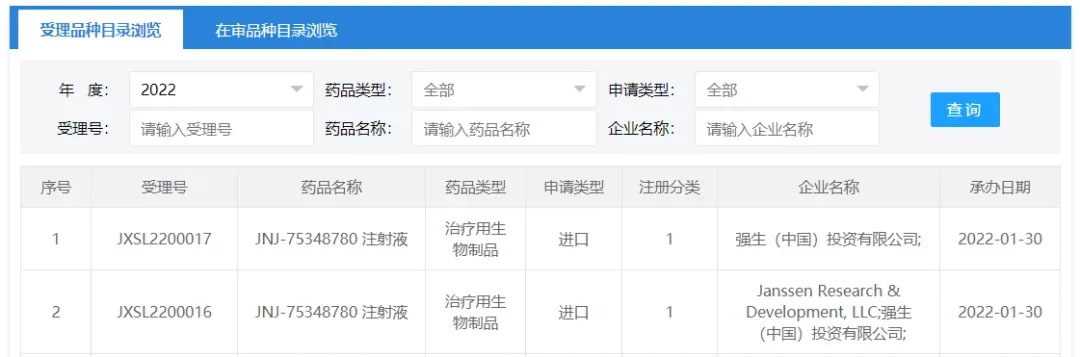
On January 30, the CDE website showed that Johnson & Johnson's JNJ-75348780 (JNJ-8780) injection clinical trial application was accepted. This is the first CD3/CD22 bispecific antibody to be clinically registered in China, and also the world’s first and only CD3/CD22 bispecific antibody to enter the clinical development stage.
The CD3 molecule can be linked to the T-cell antigen receptor (TCR), participating in T-cell signal transduction. It is primarily used to mark thymocytes, T lymphocytes, and T-cell lymphomas. Therefore, CD3 is considered a recruitment target for T cells and a popular target for new drug development under immunotherapy treatment strategies. As early as 2009, catumaxomab (targeting CD3/EpCAM), a bispecific antibody developed by Trion Pharma, was approved for the treatment of malignant ascites (Chinese rights belong to Linton Pharmaceutical). Blinatumomab (targeting CD3/CD19), developed by Amgen, received its first FDA approval in December 2014 for the treatment of acute lymphoblastic leukemia. Tebentafusp (CD3/gp100), a bispecific TCR therapy developed by Immunocore, has just received FDA approval on January 26 for the treatment of uveal melanoma (see: Targeting Ocular Tumors! FDA Approves First TCR Therapy).
CD22 is restrictively expressed on the surface of mature B cells and most malignant B lymphoma cells, making it one of the popular targets for the treatment of autoimmune diseases and B cell malignancies. There are two approved drugs targeting CD22: moxetumomab pasudotox (anti-CD22 recombinant immunotoxin) from AstraZeneca and inotuzumab ozogamicin (CD22 monoclonal antibody) from Pfizer.
Currently, JNJ-8780 is undergoing Phase I clinical trials abroad, with indications for non-Hodgkin lymphoma and chronic lymphocytic leukemia.