

Novartis and Voyager Therapeutics Enter $1.7 Billion Collaboration to Develop Next-Generation AAV Gene Therapies

Voyager Therapeutics
Gene Therapy Developer

Novartis
Drug Development and Manufacturing
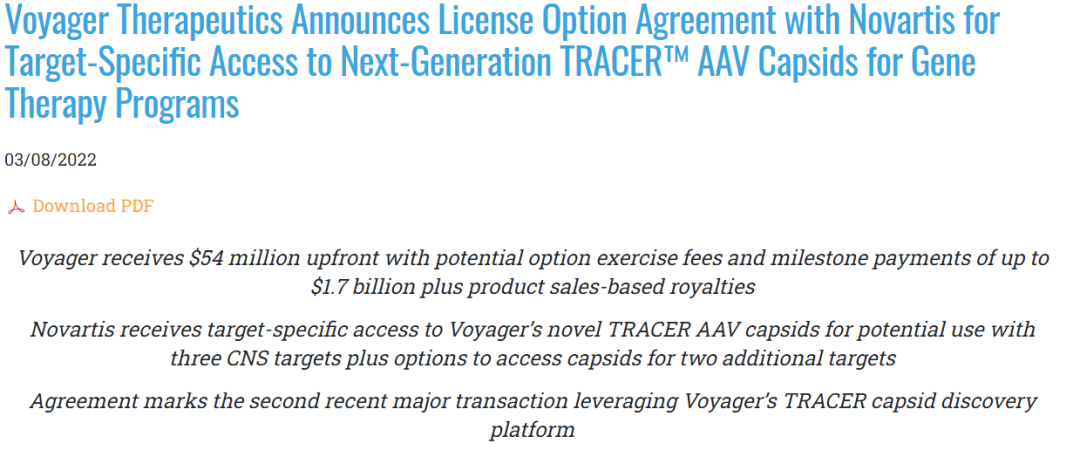
On March 8, Voyager Therapeutics announced that it had reached an agreement with Novartis, granting the latter rights to innovative AAV capsids developed through its AAV capsid discovery platform for three undisclosed central nervous system (CNS) targets, as well as options for capsids targeting two additional targets.
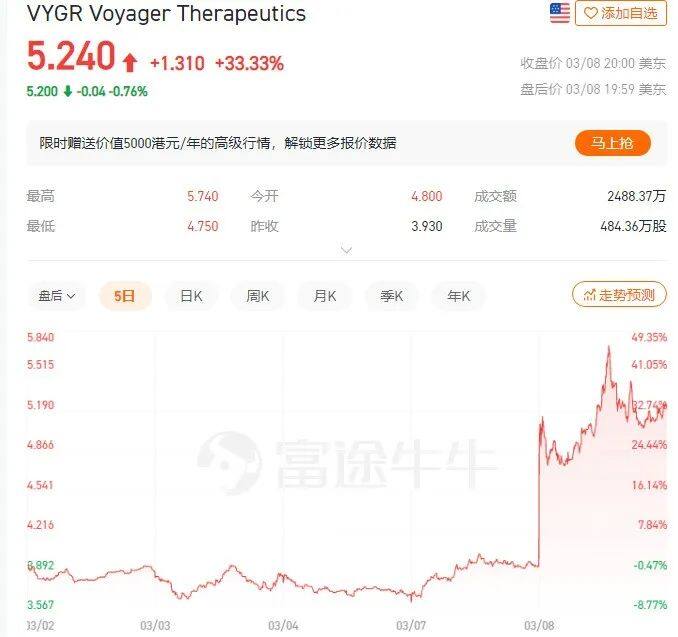
Following this news, the share price of Voyager Therapeutics, Inc. surged.
Under the terms of the agreement, Voyager will receive an upfront payment of $54 million, as well as up to $37.5 million in fees from Novartis within 12 months for three initial CNS targets. Additionally, Novartis may opt to use two additional capsids from Voyager and pay $30.5 million for each target. Voyager is also eligible to receive up to $1.5 billion in potential development, regulatory, and commercial milestone payments, as well as sales royalties.
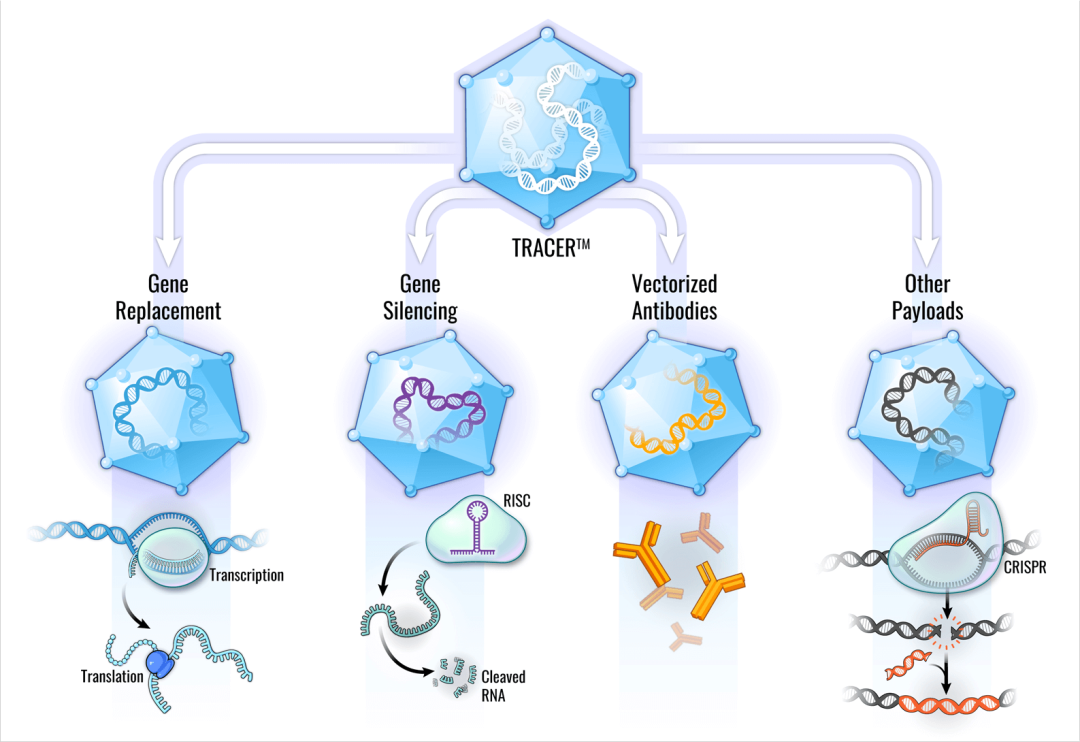
AAV vectors are one of the important carriers for delivering various gene medicine products such as gene therapy. Compared with traditional AAV, the capsids generated by Voyager's TRACER platform can target the desired cells and tissues with stronger specificity, lower dosage, and reduced off-target risk. They also possess enhanced blood-brain barrier penetration capabilities, improving transfection efficiency in the brain and spinal cord.
In non-human primate experiments, one of the capsids increased the expression level of transgenes in different brain regions by more than 1000 times compared to traditional AAV vectors. Subsequent screening projects discovered a new class of AAV9 variants that can selectively target glial cells, making it possible to more precisely target CNS diseases affecting non-neuronal cells. The company also identified various AAV5 capsids that selectively target the CNS.
In 2014, Voyager was founded by the renowned biotech venture capital firm Third Rock Ventures. It was among the first batch of companies to emerge during the advent of new gene therapies, aiming to improve neurological conditions such as Alzheimer's disease and Parkinson's disease through one-time gene treatments. Previously, collaborations with AbbVie, Neurocrine, and Genzyme were all terminated, causing the company’s stock price to plummet. In October 2021, Pfizer reached a collaboration with them worth over $600 million, betting on a novel AAV vector.