

Xinrui Medical Secures Over RMB 10 Million in Series Angel Funding Led by Northern Light Venture Capital to Advance Polymer Heart Valve Development

Northern Light Venture Capital
Venture Capital Firms
Recently, Suzhou Xinrui Medical Technology Co., Ltd. (hereinafter referred to as"Xinrui Medical" completed an angel round of financing exceeding RMB 10 million, exclusively invested by Northern Light Venture Capital. This round of financing will be used for the research and development of polymer valves, industrial production, and the development of multiple supporting products. Northern Light Venture Capital will empower the company to accelerate the clinical transformation, popularization, and promotion of polymer valves by introducing abundant industry resources.
Xinrui Medical Technology Co., Ltd. in Suzhou is a company in China engaged in the research and development of polymer valves. The company focuses on novel polymer valves to build a comprehensive solution for heart valve diseases. The team members, who have long been involved in the R&D of polymer synthesis and polymer-related medical devices, all come from well-known medical device companies, possessing complete product development experience and mature industrialization thinking.
Valvular Heart Disease is caused by abnormalities in the heart valves and their associated structures due to inflammation, ischemic necrosis, degenerative changes, myxomatous degeneration, congenital malformations, rheumatic diseases, and trauma. The most commonly affected valve is the mitral valve, followed by the aortic valve. According to Frost Sullivan data, there were approximately 209 million patients globally with valvular heart disease in 2018, resulting in about 2.6 million deaths annually. The incidence rate of valvular heart disease in China is 2.5% to 3.2%, with over 27 million patients in 2018. Among those over 75 years old, the incidence rate is as high as 13.3%. With the increasing trend of an aging population, the incidence of valvular disease continues to rise annually.
For patients with severe valvular heart disease, replacing the artificial heart valve is the most effective treatment. Currently, when selecting clinical valves, there are two main factors that need to be comprehensively considered: valve degeneration and anticoagulation. Valve degeneration, also known as structural valve deterioration, refers to valve dysfunction caused by wear, fracture, calcification, leaflet tearing, chordae tendineae rupture, leaflet perforation and contraction, stent creep, or suture line interruption of artificial valve components.
Based on the materials used in valve fabrication, artificial heart valves can be divided into mechanical valves (made from pyrolytic carbon) and biological valves (made from biological tissues sourced from pigs, cows, etc.). Mechanical valves have a longer designed service life (over 50 years), but their blood compatibility is poor, making them prone to adverse events such as thromboembolism. Patients must undergo lifelong anticoagulation therapy post-surgery.
Warfarin is the most widely used oral anticoagulant currently. Patients receiving warfarin treatment must undergo regular INR testing for personalized dosing to maintain optimal anticoagulation levels. However, the management of patients on warfarin anticoagulation therapy is highly challenging due to its narrow therapeutic window, significant inter-individual dose variability, and susceptibility to dietary and concomitant medication influences.
Biological valves have better blood and tissue compatibility, requiring patients to take anticoagulants for only 3 to 6 months post-surgery. However, their lifespan is shorter than that of mechanical valves (10-20 years), and some patients may experience valve failure shortly after replacement.
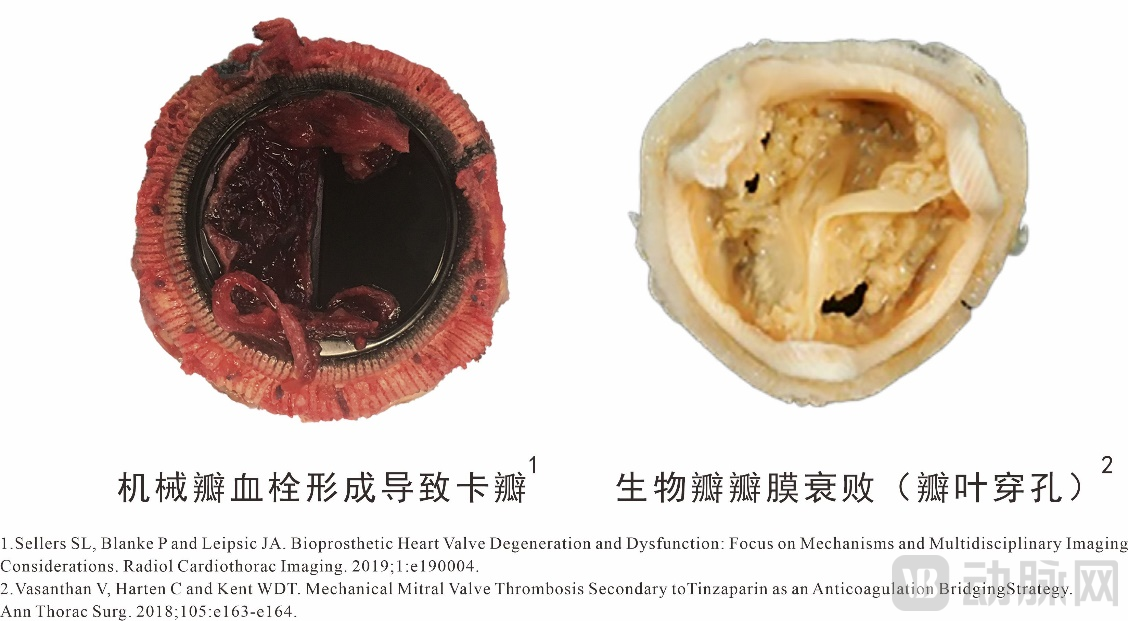
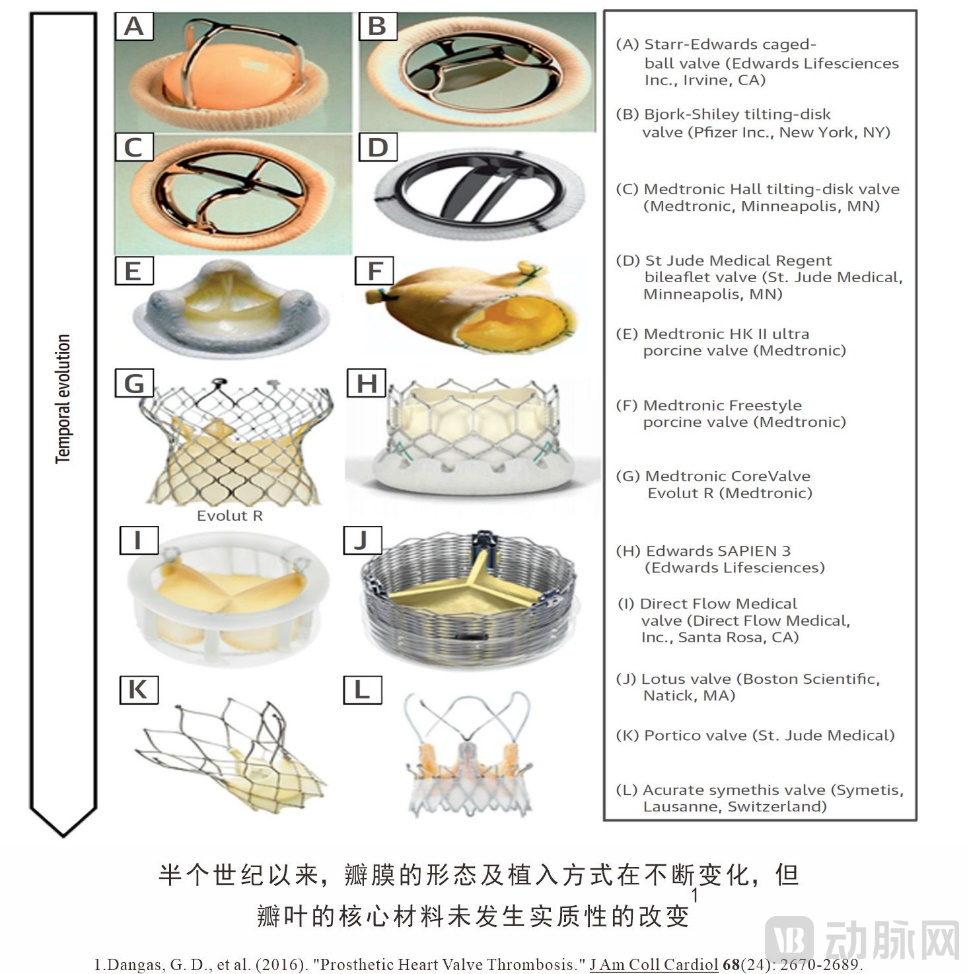
Mechanical and bioprosthetic valves have been used for half a century. However, after the initial rapid development of more than ten years, there has been no significant progress in the past three decades. The 10-year mortality rate of valve replacement remains as high as 30%-55%. An ideal valve should possess good biological stability, blood compatibility, anticoagulation, anti-degradation, anti-calcification, and excellent durability.
Foldax, a company based in the United States, was one of the first to advance polymer material heart valves into clinical trials. Currently, the polymer material heart valves developed by the company are undergoing clinical trials. Relevant publicly available follow-up data indicates that the quality of life for patients implanted with these polymer material valves has significantly improved (they do not need to take oral anticoagulants long-term). In September of last year, Foldax released two-year clinical data showing that more than 30 patients who received the polymer valves had not taken anticoagulants in the two years since their implantation.
The emergence of polymeric valves has disrupted the traditional competitive landscape of heart valves. Valves based on polymeric materials combine the advantages of both mechanical and biological valves, offering excellent fatigue resistance as well as superior blood compatibility. Their appearance is considered by many cardiologists to be the future of heart valves.
Polymeric valves have many advantages, such as being more durable and not requiring the use of any animal tissue; they will reduce or eliminate the need for lifelong anticoagulant medication; provide a larger opening area than traditional valves, establishing hemodynamics and blood flow similar to human heart valves; can be used to treat heart valve diseases via catheter-based or surgical methods; are manufactured mechanically, achieving better precision and quality control while eliminating the unpredictability of manual production; and possess more competitive economic value, among others.
The key performance of the valve polymer material independently developed by Xinrui Medical is basically consistent with Foldax's LifePolymer, fully meeting the usage requirements of heart valves. The company will develop corresponding medical devices for use with the polymer valve, such as delivery systems, suturing instruments, and related products, while expanding its product pipeline comprehensively. Adhering to innovation and internationalization, the company focuses on cutting-edge fields of heart valve disease treatment, guided by minimally invasive surgery and interventional therapy concepts. Through independent research and development, industry-academia collaboration, and other approaches, it continuously builds a strong product pipeline, establishes competitive market advantages, provides systematic solutions, and assists medical professionals in delivering high-quality healthcare services. The company’s current production and operation area is expected to exceed 2,300 square meters.
Gong Bing, Founder of Xinrui MedicalIt has been indicated that mechanical valves and biological valves have been used for half a century. Mechanical valves are durable but exhibit poor blood compatibility, requiring patients to take the anticoagulant warfarin for life. This drug has a narrow therapeutic window, significant inter-individual dose variations, and is easily affected by diet and concomitant medications, severely impacting patients' quality of life. Biological valves have good blood compatibility but suffer from poor durability. Finding new heart valve materials that combine the advantages of both has long been a research focus in the field. A high polymer valve material independently developed by Xinrui Medical combines the superior blood compatibility of biological valves with the high durability of mechanical valves. Additionally, the material is soft and foldable, making it applicable in the field of interventional valves. The high polymer valve independently developed by Xinrui Medical will bring good news to tens of thousands of patients with heart valve disease in the near future.
Fang Yu, Partner of Northern Light Venture CapitalVCBeat stated that Aurora has always maintained a high sensitivity to early-stage new technologies and a strong tolerance for risks. The team at Xinyue Medical has been deeply engaged in the industry for many years, and we are very pleased to join hands with the team to explore and work hard in the field of next-generation heart valve and biomaterials technology, benefiting a large number of patients.