

Ruixing Medical Successfully Completes Pivotal Animal Study for Its Vascular Interventional Surgery Robot, Advancing Toward Clinical Trials

RaysightMed
Medical Imaging Product Developer
On April 26, 2022, the vascular interventional surgical robot independently developed by RaysightMed successfully completed clinical registration animal experiments. The experiment verified the safety, effectiveness, and precision of the RaysightMed vascular interventional surgical robot; achieved coordinated operation of three devices: guidewire, balloon/device catheter, and guiding catheter; completed the full process of PCI (percutaneous coronary intervention): coronary angiography, guidewire manipulation, balloon dilation, stent placement, etc.; and tested algorithms such as surgical navigation and intelligent operation. All experimental results met the expected goals.
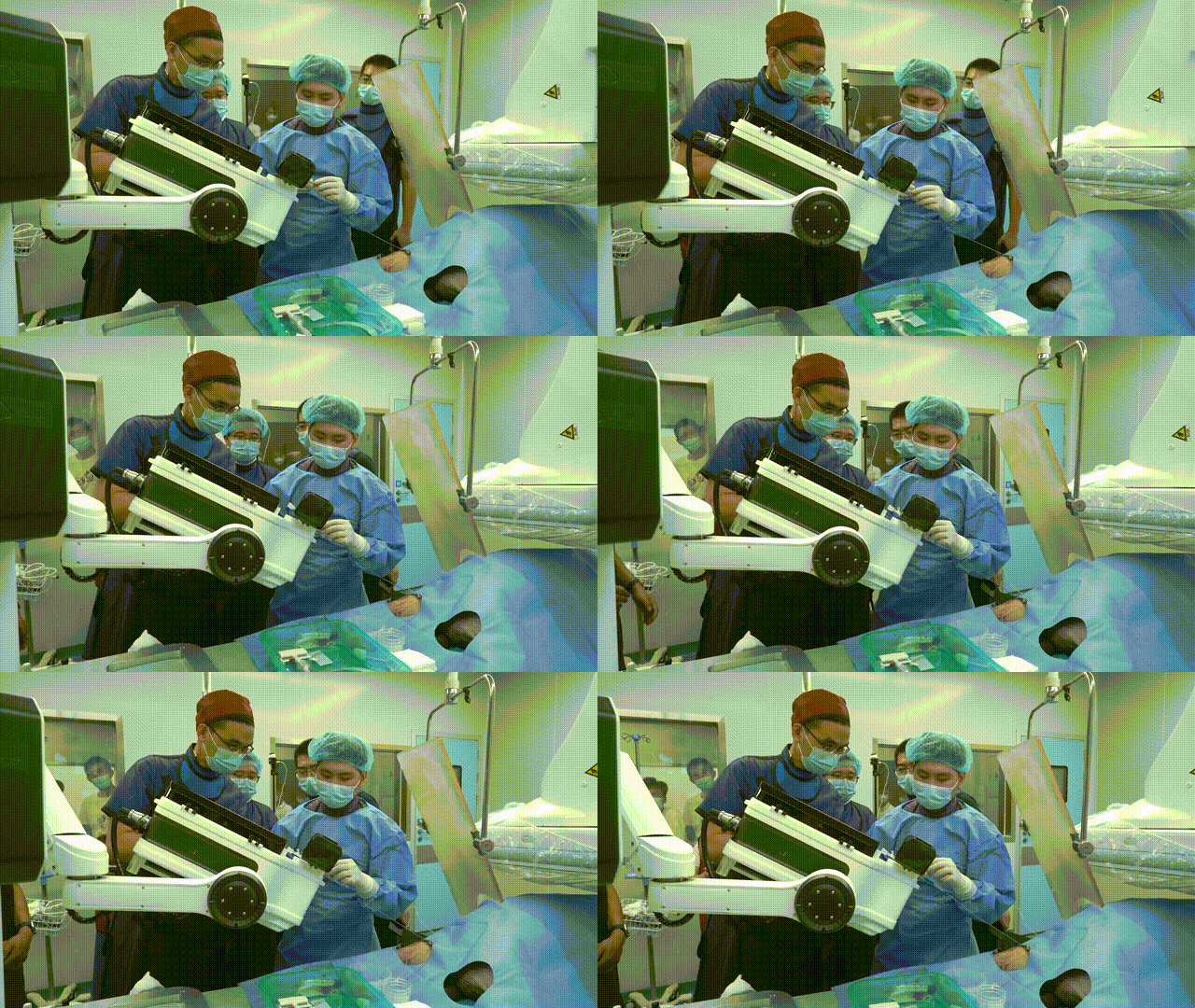
The success of this animal experiment not only means that RaysightMed's vascular interventional surgery robot is one step closer to clinical application, but also signifies that its vascular interventional surgery robot has truly achieved full-process assistance from surgical decision-making, surgical navigation to surgical implementation.
It is reported that RaysightMed is the only team in the cardiovascular and cerebrovascular field that simultaneously possesses capabilities in intelligent algorithms and smart hardware implementation.In the cardiovascular field,RaysightMedPreviously, products such as RuiXin-FFR (RaysightMed's FFR solution) and the Raysight Coronary Intelligent Post-Processing Platform have been launched, establishing a strong reputation in the AI medical imaging diagnostics and treatment field.
Why has RaysightMed, a leading company in the AI imaging diagnostics and treatment field, chosen to focus on vascular interventional surgical robots?
RaysightMed CTO Dr. Ma Jun introduced: "This is the result based on the logic of enterprise development and the medical industry."
On the one hand, since its establishment, the mission of RaysightMed has been to "ensure that every blood vessel receives the earliest diagnosis and the most precise treatment," with a commitment to building an intelligent integrated diagnosis and treatment platform for cardiovascular and cerebrovascular diseases. To this end, RaysightMed has developed a series of products based on artificial intelligence technology, including RuiXin-FFR (which enhances diagnostic accuracy), an intelligent imaging system for assessing plaque risk, an auxiliary platform for surgical planning, and a postoperative chronic disease management system. These products collectively form a critical chain for the diagnosis and treatment of vascular diseases, encompassing large-scale screening, precise testing, preoperative and intraoperative guidance, postoperative chronic disease management, and follow-up. However, a crucial link is still missing to complete the true closed loop: surgical execution.
In order to complete the closed-loop diagnosis and treatment of vascular diseases and create a full-process solution for vascular diseases, RaysightMed has developed a vascular interventional surgical robot. At the same time, RaysightMed connects the vascular interventional surgical robot with the coronary intelligent post-processing system, RuiXin-FFR (RaysightMed Fractional Flow Reserve), surgical planning, and other products to build an integrated ecosystem that links pre- and post-operative processes, enhancing its core competitiveness.
On the other hand, RaysightMed learned through in-depth exchanges with clinical experts that there are still many pain points in current vascular interventional surgeries.
First, doctors need to wear 8-20 kilograms of radiation-proof lead clothing while performing vascular interventional surgeries under X-rays. The heavy lead clothing, prolonged standing, and high-intensity work will undoubtedly affect the doctor's attention and energy, exacerbating the operator's fatigue. In the long run, it will also increase the operator's...Risk of occupational diseases such as spinal disorders and cataracts.
Second, the current vascular interventional surgery is still not precise enough. Hand movements when operating guidewires and catheters can lead to shaking and displacement. At the same time, due to factors such as medical imaging and the doctor's clinical experience, there may be misalignment or incomplete matching between the treatment device and the lesion during surgery.
Third, vascular interventional surgery has a long learning curve. Clinicians require an extended training period to perform related surgeries, and the surgical experience and skill levels of doctors vary significantly.
Not only in vascular interventional surgery, but also in other surgical procedures, the aforementioned pain points exist. The Da Vinci Surgical Robot has set a benchmark solution for the industry. Surgical robots are not only an effective solution to the current clinical pain points in cardiovascular interventions but also a blue ocean in the medical industry.
Based on the above-mentioned enterprise development logic and the healthcare industry development logic, it is inevitable for RaysightMed to strategically position itself in vascular interventional surgical robots.
According to the introduction, the application scenarios of RaysightMed's vascular interventional surgical robot mainly include performing various procedures in cardiovascular interventions, peripheral interventions, and neurointerventions, such as stent placement, coronary balloon angioplasty, thrombectomy, and intravascular coil embolization for aneurysms.
Currently, the annual volume of cardiovascular interventional surgeries has exceeded one million cases and continues to maintain rapid growth. Studies show that by 2030, the number of PCI surgeries in China will reach 2.5 to 3 million cases. Peripheral interventional surgeries and neurointerventional surgeries are also experiencing accelerated penetration due to promotions by related companies. In particular, China’s neurointerventional surgeries have been growing at a rate of 30% per year, bringing increasing pressure and challenges to hospitals' catheterization labs.
The rapid growth in the volume of vascular interventional surgeries provides an opportunity for surgical robots to address critical clinical pain points that currently need urgent resolution.
Regarding Radiation and Overweight Anti-Radiation Clothing IssuesRaysightMed has designed a master-slave structure with fully independent intellectual property rights. Unlike traditional surgery, the surgeon does not need to stand next to the operating table but operates the master console outside the operating room, controlling the slave end near the operating table to perform the surgery, thus avoiding issues such as radiation exposure. Through the control lever at the master end, doctors can manipulate three types of instruments: guidewires, balloon/stent catheters, and guiding catheters. The slave end is a precision mechanical structure designed to mimic the human hand, capable of performing various movements as flexibly as a human hand.
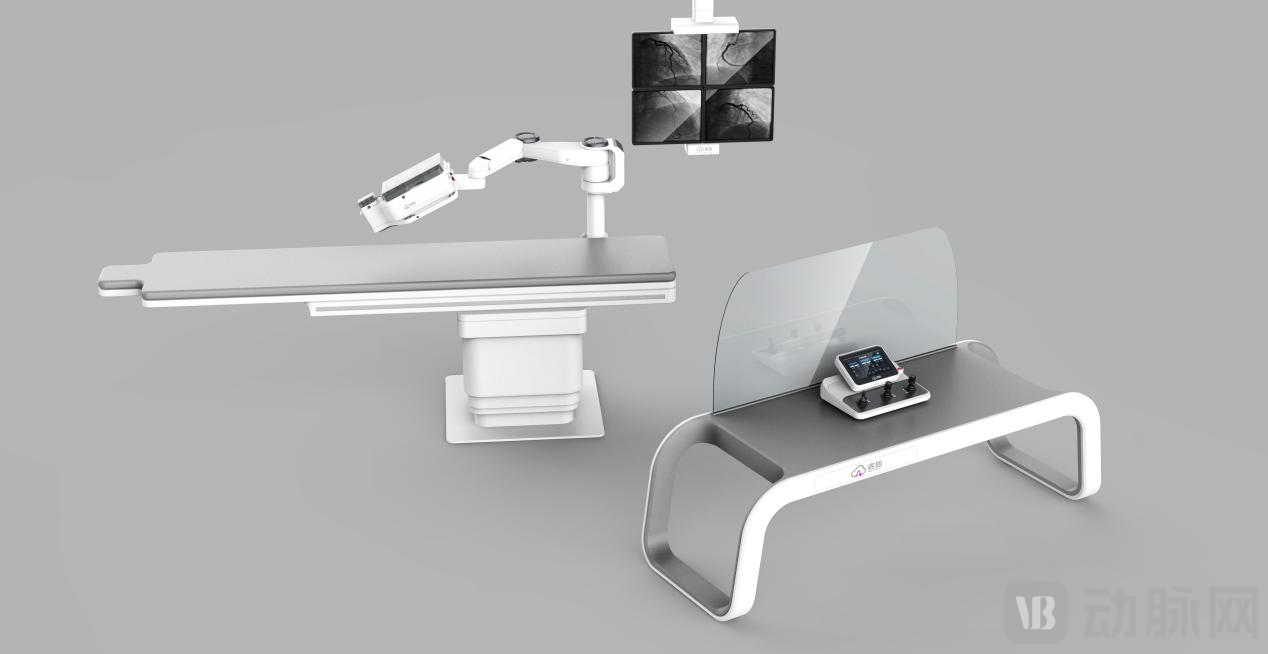
"Through vascular interventional surgery robots, doctors are able to complete a full vascular interventional procedure, including a series of operations such as advancing and rotating the guidewire, adjusting the guiding catheter, expanding the balloon, and placing the stent."
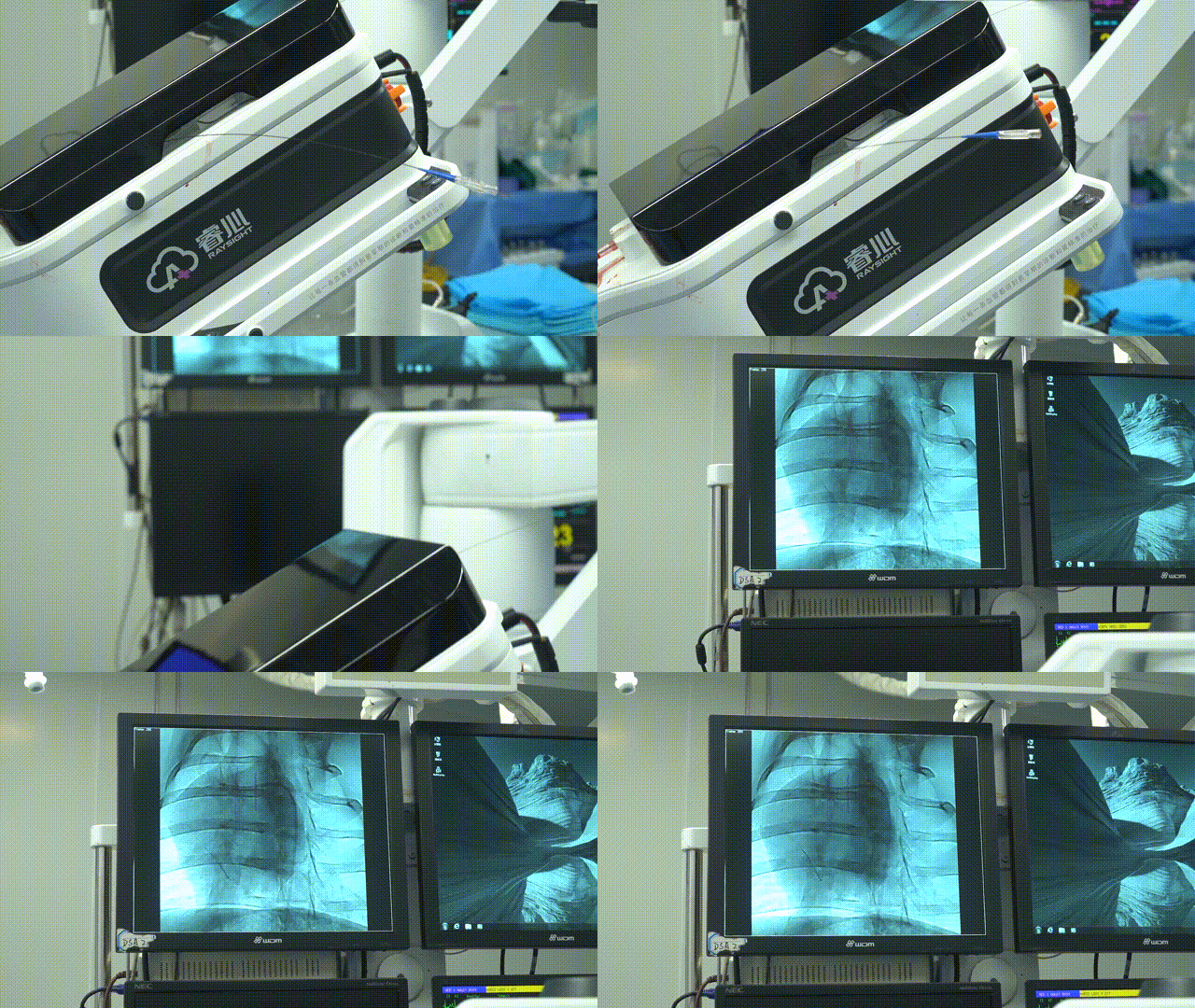
(From the control of the main-end bracket)
Clinicians emphasize "tactile sense" when performing surgeries. Instruments such as catheters and guidewires experience different forces in normal vascular segments compared to lesion areas. Experienced operators often rely on precise force feedback to successfully complete procedures. Therefore, vascular interventional surgical robots also require an accurate force feedback system.
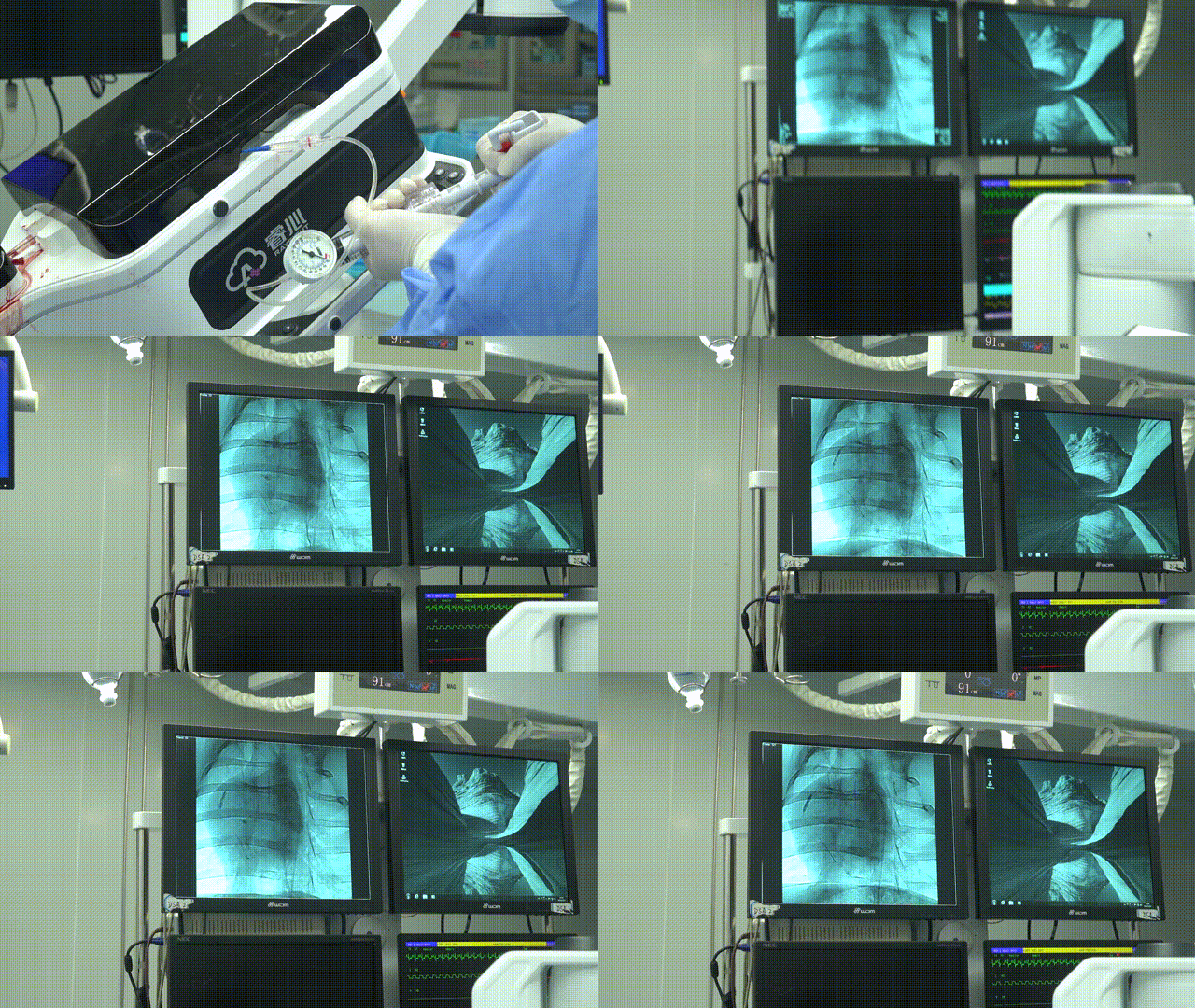
(Release of the distal balloon)
In response, RaysightMed has reached a collaboration with Shenzhen Institutes of Advanced Technology, Chinese Academy of Sciences, to develop "Bidirectional Force Feedback Technology". Through bidirectional force feedback technology, the doctor at the control master end will perceive the force on instruments such as guidewires via the force measurement devices on the slave-end robotic arms, enhancing the tactile feedback and enabling more precise control of the vascular interventional surgery robot.
In addition to the two-way force feedback technology, RaysightMed has also developed advanced image algorithms.Real-time Surgical Navigation Technology, thereby providing visual feedback to doctors. Force feedback + visual feedback will become a powerful tool for efficient surgery.
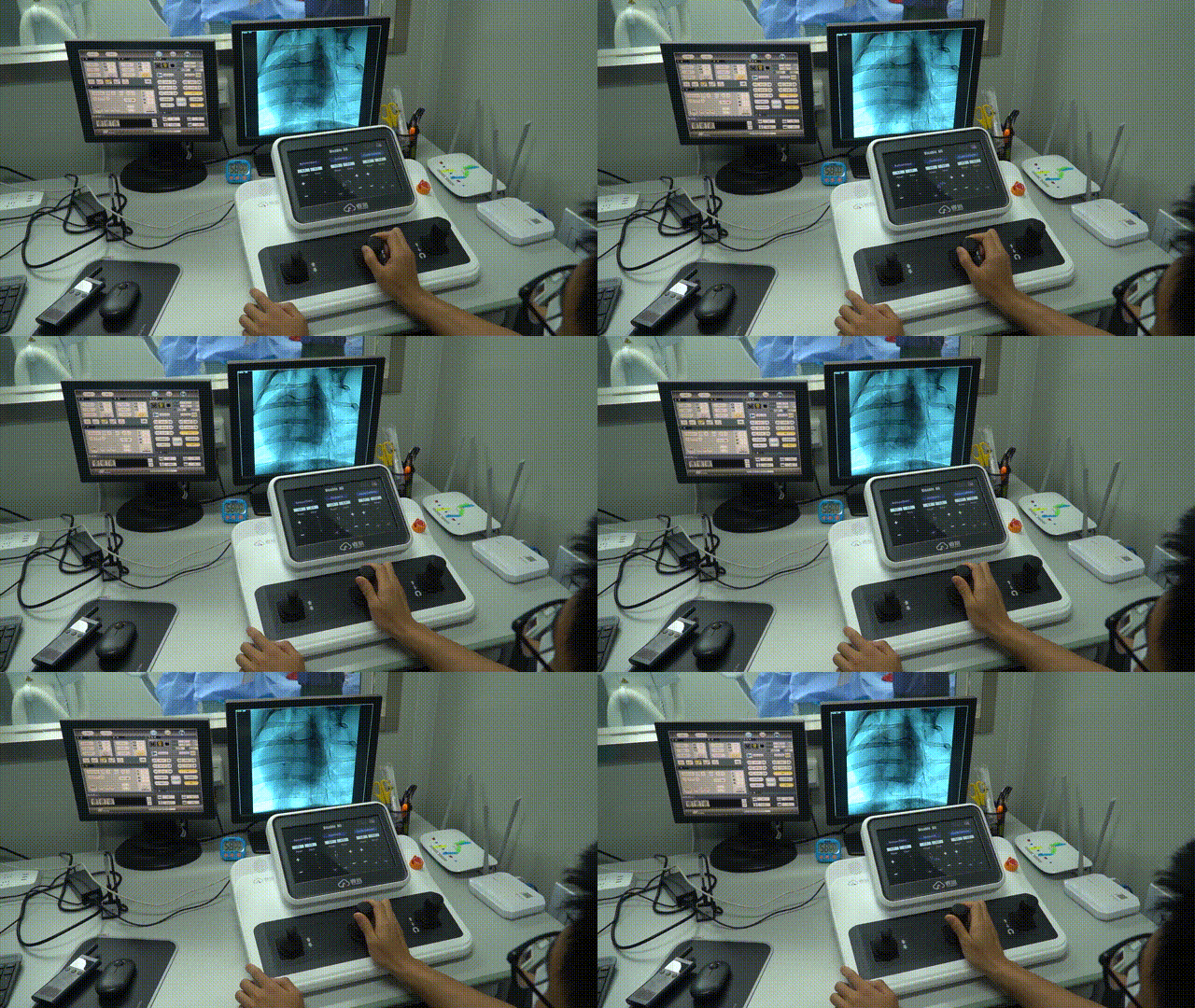
(Control of the Main Guidewire)
Regarding the issue of surgical precisionCompared with manual operation, vascular interventional surgical robots are synonymous with "precision." For instance, when advancing a guidewire by 1mm, human hands can only rely on the operator's experience, whereas a vascular interventional surgical robot can precisely advance it by 1mm. Moreover, these robots eliminate issues like hand tremors or shaking, avoiding problems such as blood vessel punctures caused by vibrations or displacement of instruments like guidewires.
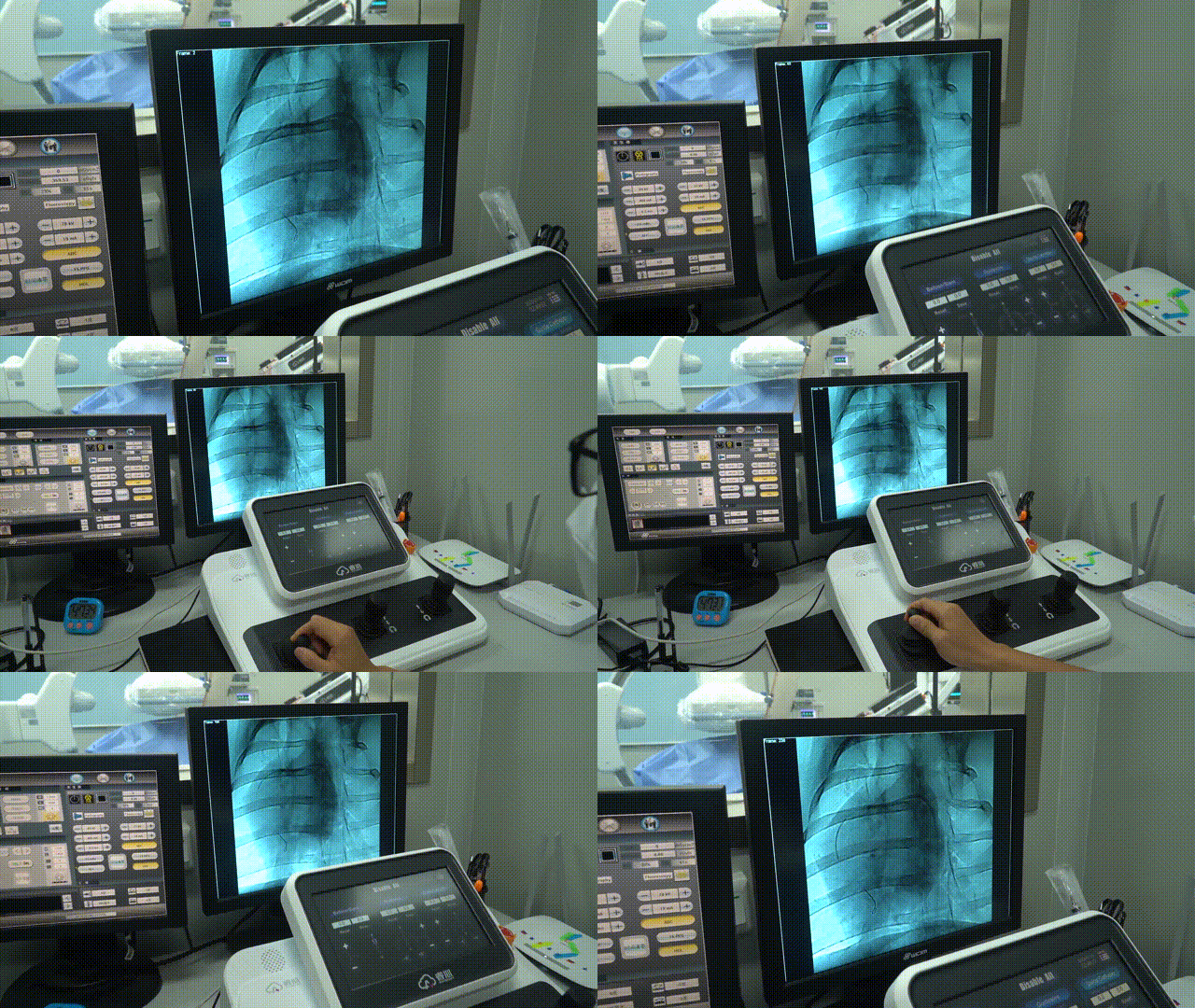
(Controlling the stent catheter from the main end)
For the issue of a long learning curveRaysightMed, with its advantages in intelligent algorithms and medical imaging, combines intelligent functions such as "morphology + functional" intelligent diagnosis, preoperative planning, and real-time intraoperative image navigation with vascular interventional surgical robots. This helps doctors locate lesions, calculate the real-time position of stents and other therapeutic devices, and assist in advancing guidewires and catheters, significantly reducing training time.
In fact, this strategy is fundamentally different from vascular interventional surgical robots on the market.The implementation of surgery is important, but the decision-making in surgery is even more crucial. A skilled surgeon not only possesses dexterous hands but also has eyes capable of precise imaging interpretation and a brain rich with experience. Currently, most vascular interventional surgical robots under research can enhance the "hands" of the surgeon, but offer limited assistance for the surgeon's "eyes" and "brain."
This is precisely where RaysightMed's advantage lies. As a company that started with artificial intelligence algorithms and has developed a complete matrix of integrated diagnosis and treatment products, RaysightMed applies intelligent imaging software such as RuiXin-FFR, the Raysight Coronary Intelligent Post-Processing Platform, and 3D navigation to vascular interventional surgical robots, enhancing doctors' "vision." It also applies intelligent algorithms like surgical planning, angiographic FFR, simulated stent placement plans, and plaque risk assessment systems to vascular interventional surgical robots, enhancing doctors' "brainpower."
In this way, RaysightMed combines its original foundation in artificial intelligence and medical imaging technology with vascular intervention.SurgeryRobot, fromEye、Brain、HandThree aspects to assist doctors, helping them complete complex surgeries more accurately and efficiently.
In addition, when vascular interventional surgical robots are mass-produced and applied on a large scale, they will facilitate the decentralization of medical resources through remote surgery technology. In the past, patients with strict time windows for treatment missed the optimal treatment time due to insufficient medical resources in grassroots medical institutions. Now, after installing vascular interventional surgical robots in grassroots medical institutions, top experts thousands of miles away can perform surgeries on patients visiting grassroots hospitals via the vascular interventional surgical robot, achieving timely treatment.
According to reports, since the vascular interventional surgery robot project of RaysightMed was launched in August 2020, it has developed extremely rapidly: it took only 11 months from project initiation to completing technical verification; only 6 months from laboratory animal experiments to product encapsulation; and only 2 months from product encapsulation to completing clinical registration animal experiments.
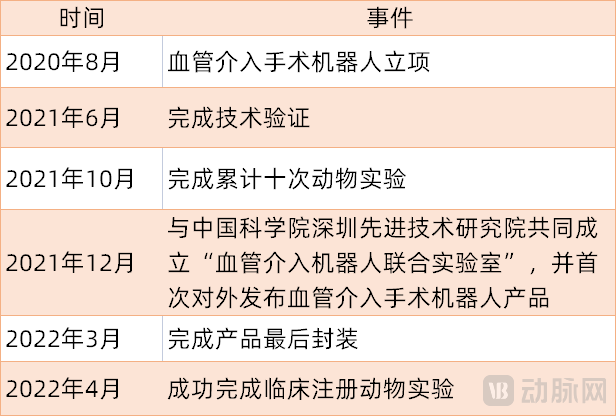
(RaysightMed Vascular Intervention Robot Milestone Event)
Why Can RaysightMed Advance Vascular Intervention So Rapidly?SurgeryRobot?
First, the core team of RaysightMed has the gene for developing surgical robots, with the three founders having a long-standing connection to machinery and medicine. For instance, CEO Dr. Zheng Lingxiao graduated from the Department of Mechanical Engineering at Johns Hopkins University and has over 10 years of experience in biosimulation research. Chief Scientist Lan Hongzhi completed his undergraduate and master's degrees in mechanical engineering at Tsinghua University, served as a researcher at Stanford University’s Cardiovascular Simulation Lab, and has deep expertise in biomechanics. CTO Dr. Ma Jun previously worked as a core member at Da Vinci Surgical Robotics, where he developed a robotic system for lung cancer biopsies, and he has extensive experience in machine learning, image-guided surgery, and intelligent robotic control technologies.
Secondly, RaysightMed has a strong interdisciplinary R&D team covering many fields such as bio-simulation, intelligent algorithms, mechatronics, and more. At the same time, the team members are not only experts in their respective fields but also share common values, enabling them to achieve a synergistic effect where the whole is greater than the sum of its parts (1+1>2).
Dr. Ma Jun added, "We often debug the machine until midnight, even working through weekends without rest, continuously iterating and optimizing the precision and safety of the vascular interventional surgical robot."
Finally, RaysightMed has carried out extensive and in-depth cooperation with many scientific research institutions and clinical experts. For example, RaysightMed has collaborated with the Shenzhen Institutes of Advanced Technology, Chinese Academy of Sciences, and the China Cardiovascular Innovation Club (CCI) to accelerate technological innovation; it has also engaged in in-depth exchanges with top medical experts in regions such as Beijing, Shanghai, and Guangdong to optimize the application of vascular interventional surgical robots.
Benefiting from the above three reasons, RaysightMed not only rapidly advances vascular interventionSurgeryThe robotic project also ensured the safety and user experience of the product, laying a solid foundation for future market promotion.。
Nowadays, a major pain point exists in the surgical robotics industry: the dedicated single-use surgical boxes are complex in structure and expensive to produce, making large-scale application difficult. According to reports, single-use surgical boxes act as "gloves" for surgical robots—after completing one surgery, changing to a new pair of gloves (a new single-use surgical box) allows the next surgery to proceed. Without single-use surgical boxes, serious issues such as cross-infection may arise. Therefore, single-use surgical boxes are a core technology determining whether surgical robots can be widely applied in real clinical scenarios.
In response, RaysightMed has developed a safe, simple, and highly efficientDisposable Surgical BoxDr. Ma Jun, CTO of RaysightMed, stated: "To date, RaysightMed has fully mastered the production process of this disposable surgical box and is able to achieve large-scale mass production."
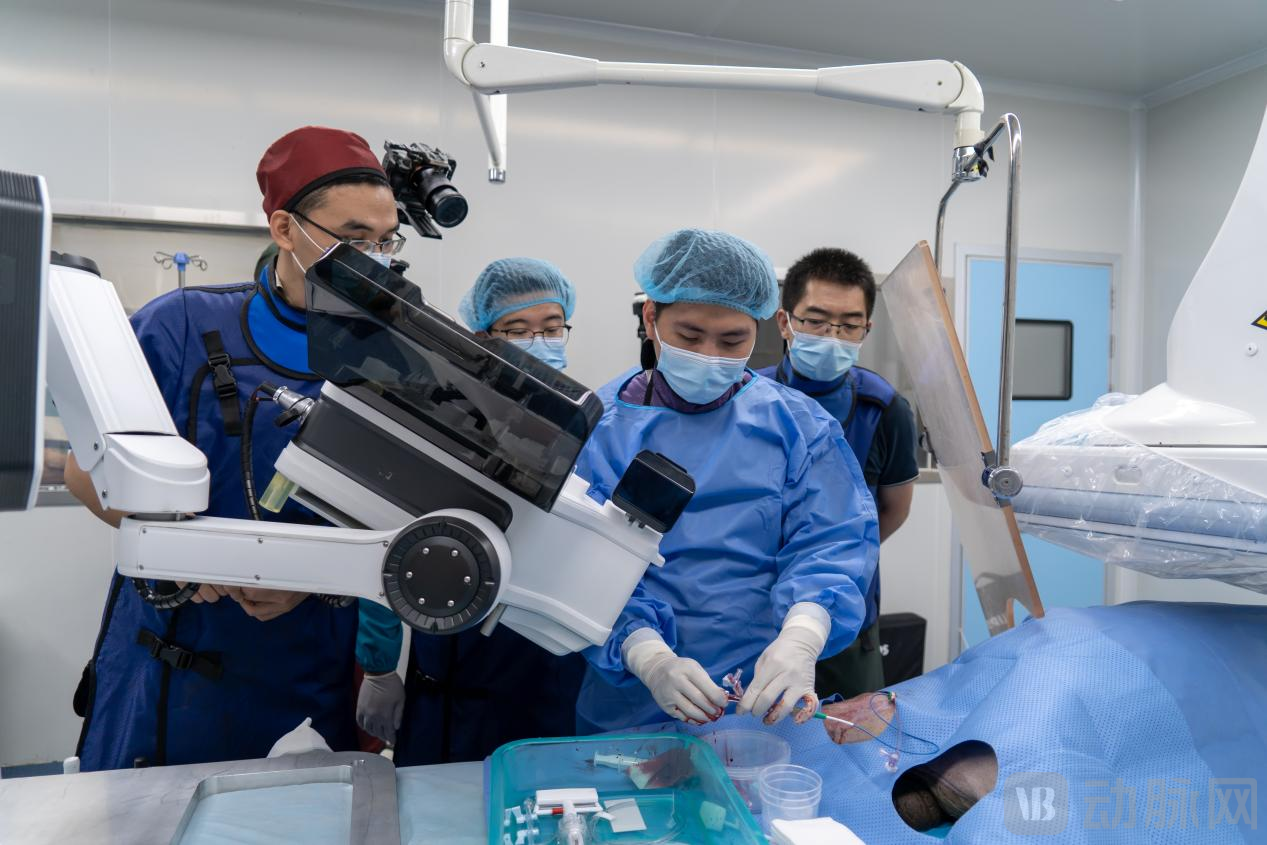
(RaysightMed Vascular Interventional Surgery Robot Clinical Registration Animal Experiment)
Dr. Ma Jun finally told VCBeat: "RaysightMed also plans to layout vascular interventional surgical robots in both depth and breadth dimensions."
In terms of depth, RaysightMed plans to further refine the closed-loop of "preoperative planning, real-time navigation, and precision surgery," enhancing the smooth integration of its intelligent algorithms with vascular interventional surgical robots.
In terms of breadth, RaysightMed plans to develop surgical robots for different application scenarios, broaden the range of indications, and benefit the health of an increasing number of patients.