

Eisai Publishes Long-Term Modeling Study of Lecanemab in Early Alzheimer’s Disease in Neurology and Therapy

Eisai
Pharmaceutical Product R&D and Manufacturer

Biogen
New Drug Developer
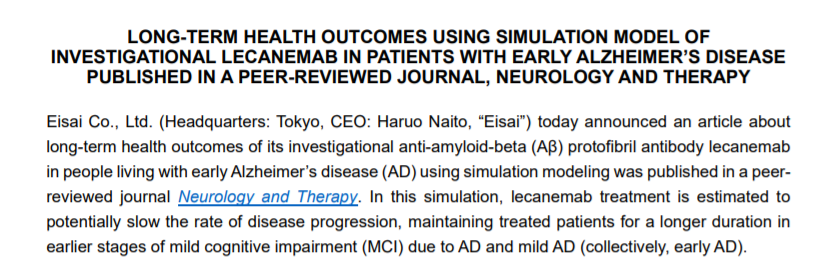
On April 27, Eisai released a press release stating that it had published an article on the long-term health outcomes of using the Aβ antibody Lecanemab in early Alzheimer's disease (AD) patients, based on simulated modeling, in *Neurology and Therapy*. The results showed that Lecanemab may slow the progression of AD, allowing treated patients to remain in the early stages of mild cognitive impairment (MCI) caused by AD for a longer period.
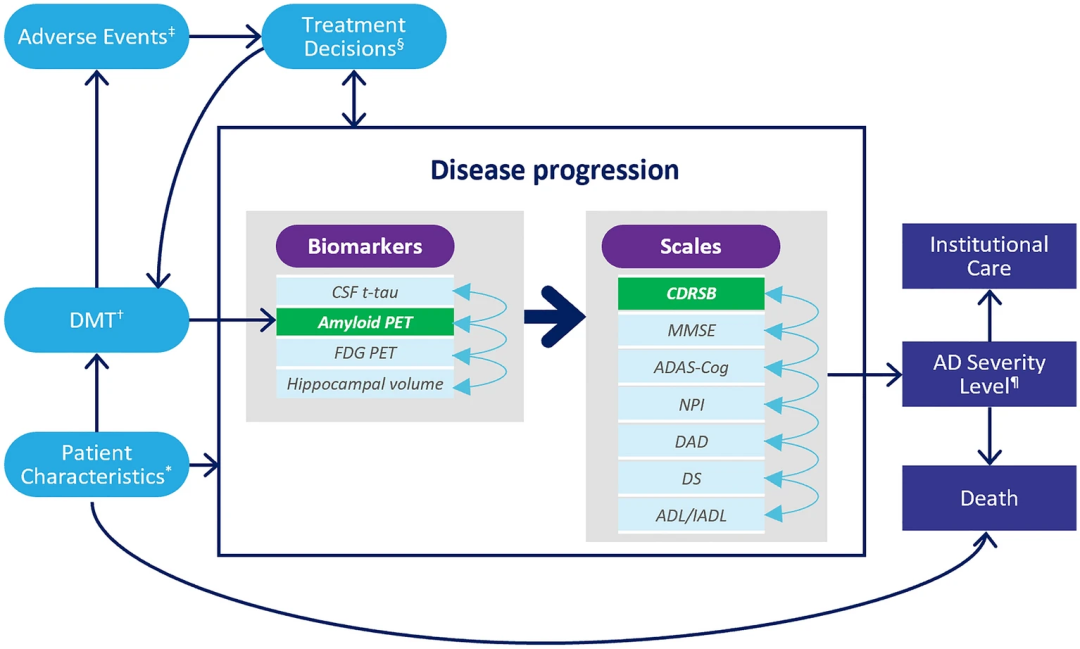
Based on the Phase IIb clinical trial data (BAN2401-G000-201) evaluating the efficacy and safety of lecanemab and published literature, researchers used a disease model to predict and compare the long-term clinical outcomes of lecanemab + standard of care (SOC) versus SOC alone in patients with early AD who have amyloid pathology.
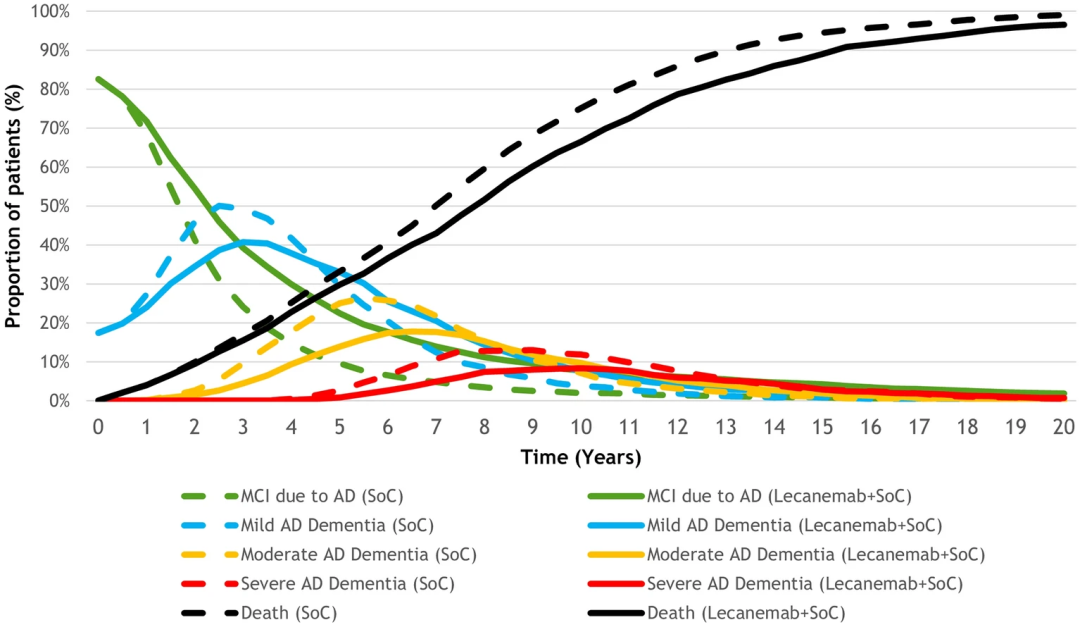
Results showed that, compared with SOC, the lifelong risk of disease progression to mild, moderate, and severe AD in the lecanemab + SOC group may be reduced by 7%, 13%, and 10%, respectively. The average time for patients in the lecanemab treatment group to progress to mild, moderate, and severe AD was extended by 2.51 years (3.10 vs 5.61 years), 3.13 years (6.14 vs 9.27 years), and 2.34 years (9.07 vs 11.41 years), respectively. Meanwhile, the study indicated that the earlier lecanemab treatment is initiated, the greater its potential impact on disease progression. In subgroup analysis, when treating MCI caused by AD, the incremental mean time to transition to mild and moderate AD dementia was 2.53 years and 3.34 years, respectively, compared with SoC.
Eisai Chairman Ivan Cheung stated: "As the population ages, the number of people with Alzheimer's disease will continue to grow, becoming an increasingly important and urgent public health issue. Alzheimer’s disease is a growing concern in terms of healthcare and caregiving costs. Model research results suggest that early treatment with lecanemab may delay the progression of AD to more severe stages, potentially giving early AD patients and their loved ones more time together and possibly reducing healthcare costs. These projections and simulated long-term health outcomes provide healthcare decision-makers with insights into the potential clinical and socioeconomic value of lecanemab. The ongoing Phase III study will soon be able to inform model inputs and refine the findings."