

Key Success Factors for Chinese Innovative Drugs Going Global: Insights from Evergreen Therapeutics' IPO Filing
Evergreen Therapeutics
Innovative Drug Developer
——Interview with Dr. Changqing Li of Evergreen Therapeutics
Recently, the combination therapy of Hutchmed's Surufatinib and Junshi Biosciences' Toripalimab faced consecutive setbacks in gaining U.S. approval. Previously, Innovent/Lilly announced in February this year that their drug Sintilimab failed in its attempt to enter the overseas market. Apart from BeiGene’s Zanubrutinib and Legend Biotech’s BCMA-targeted CAR-T therapy Cilta-cel successfully making it abroad, domestically produced innovative drugs have stumbled multiple times on their path to internationalization. Beyond disappointment, most people harbor considerable doubts.
Why do those domestically "highly anticipated" star innovative drugs produced in China keep encountering obstacles in their "going global" attempts? How should Chinese local pharmaceutical companies explore the path to "going global" in the future? What are the experiences and lessons gained by those brave pharmaceutical companies that have previously "gone global," whether successfully or with challenges?What should the innovative path based on a global perspective look like?
Perhaps we can gain some insights from the thoughts of senior industry professionals who possess a truly international perspective and rich industry experience.As a former senior medical reviewer at the FDA and former Senior Vice President of Asia-Pacific at Parexel, Dr. Changqing Li not only has years of experience in FDA drug reviews but also has led hundreds of clinical trials globally and over 30 new drug applications. He is capable of formulating comprehensive solutions for global new drug development, regulatory registration, clinical strategies, and risk management. As a clinical expert and top executive with an international perspective on drug regulation, what are Dr. Changqing Li's thoughts on the current state of new drug research and development in China? VCBeat conducted an exclusive interview with Dr. Changqing Li.
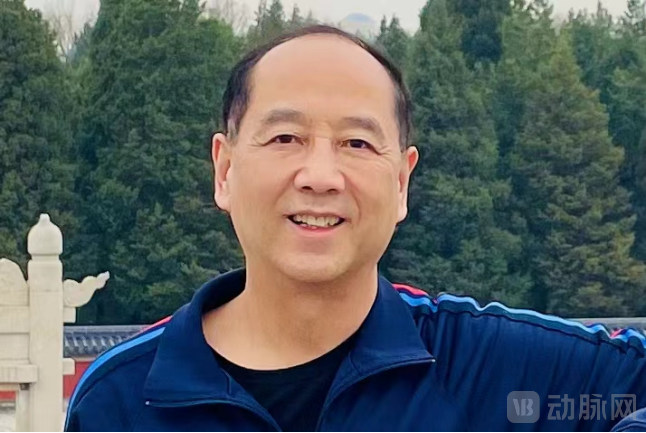
Dr. Changqing Li, Co-founder and Chief Medical Officer (CMO) of Evergreen Therapeutics
Personal Profile: Li Changqing graduated from the Medical School of Xi'an Jiaotong University, obtained a Master's degree in Hospital Management and a Ph.D. in Public Health from the University of Alabama at Birmingham in the United States, completed a three-year residency at the University of Chicago Medical Center, and obtained the American medical license and American Board Certification in Clinical Pathology.
Dr. Li Changqing was once a senior medical reviewer at the U.S. Food and Drug Administration (FDA) and was the first person from mainland China to enter the FDA’s clinical review in a physician capacity. With years of experience in drug reviews at the FDA, he has led the research and development of new drugs at several multinational pharmaceutical companies, achieving outstanding performance and significant business growth. Dr. Li Changqing was responsible for Parexel's clinical, regulatory, and market access consulting services in the Asia-Pacific region and led regulatory teams across seven countries/regions in the Asia-Pacific area. He directly managed and participated in hundreds of R&D strategy consulting projects annually, developed global research plans for large Chinese drug manufacturing and R&D companies to enter international markets, and helped international companies gain approval and successfully launch their drugs in China.
Dr. Li has experience in new drug development across multiple fields, including oncology, immunotherapy, anti-inflammatory, gastrointestinal diseases, and gynecological diseases, with extensive global clinical trial experience from Phase I to Phase IV. He has led hundreds of clinical trials worldwide and over 30 new drug applications, providing comprehensive solutions for global new drug development, regulatory registration, clinical strategy, and risk management. Additionally, Dr. Li Changqing has substantial experience working with global pharmaceutical regulatory agencies (FDA, EMEA, MHRA, Health Canada, TGA, PMDA, DCGI, and NMPA).
The following is a transcript of the dialogue between VCBeat and Dr. Li Changqing:
(To facilitate smooth reading for the audience, VCBeat has made editorial adjustments to the text without altering the original meaning.)
VCBeat: The issue of Chinese innovative pharmaceutical companies "going global" has recently received keen attention from the industry. China-based pharmaceutical companies have also experienced some setbacks in this matter. Regarding the practice of using clinical data from only one country to file an FDA application, what is your opinion?
Dr. Li Changqing:I estimate that to some extent, some pharmaceutical companies may have been misled by certain information previously conveyed by the FDA. Earlier, a director of the FDA's review center mentioned several times in public that PD-1 drugs in the U.S. are too expensive. These companies might have interpreted this as the FDA potentially showing some regulatory flexibility in approving PD-1 drugs with competitive pricing advantages. However, the FDA’s final stance indicated that these companies indeed had a misunderstanding, which might be the direct reason.
VCBeat: In the process of Chinese pharmaceutical companies "going global" in the past, the U.S. FDA has shown a strict attitude toward the evaluation and approval of new drugs, emphasizing the "innovation" in addressing unmet clinical needs and the necessity for new drugs to undergo "global multi-center clinical trials." What implications does this have for Chinese pharmaceutical companies that are currently seeking to achieve global expansion and development?
Dr. Li Changqing:If Chinese pharmaceutical companies want to realize their projects going overseas, I personally think that at least the following four points should be considered:
First, consider the ethical issues.For a clinical trial, if there is a significant change in the standard of care for clinical patients, it is necessary to clearly explain to the patients that the current standard treatment has been updated before enrolling them. In other words, enrollment can only be completed with the full informed consent of the patients.
Secondly, consider the local current medical practice.Previous cases of setbacks in "going global" by some pharmaceutical companies in China tell us that if a company chooses to develop drugs in a market field that is changing very rapidly, it cannot take for granted that as long as the clinical trial succeeds according to the previous trial design, the drug will definitely be approved. This is because if the standard treatment in clinical practice changes, the standards for review and approval may also change accordingly. The conduct of clinical trials for drugs must take into account the current medical practices in the locality. For example, head-to-head comparisons should be made using the latest similar new drugs.
Thirdly, regarding data, the experimental data for drug development must be authentic and complete.Although some of our pharmaceutical companies’ efforts to promote the "going global" of domestically produced innovative drugs did not involve data falsification, in the past, instances of data fraud among Chinese pharmaceutical companies led to a certain level of suspicion and bias in foreign markets. Of course, today's Chinese pharmaceutical companies are not comparable to those from five or six years ago, but it is difficult for us to quickly dispel the doubts and biases that foreign markets once held against Chinese companies. Therefore, we must ensure the authenticity and integrity of clinical trial data in drug development.
4. Compliance with GxP (GCP, GMP, GLP, etc.) Good Practice Guidelines for Pharmaceutical Development.
Chinese pharmaceutical companies wanting to expand overseas must firstMust be very familiar with relevant regulatory policies and laws and regulations.In this way, there won't be significant errors or loopholes in the drug review and approval process. Secondly,Close communication with regulatory authorities is crucial for pharmaceutical companies.Moreover,Clinical application strategy is a key factor in determining drug marketing.We all know that the broader the indications for a drug, the higher the corresponding regulatory requirements will be. Similarly, when developing a drug, if it is for a smaller indication, the likelihood of approval will be greater. The most common scenario is when there is an urgent clinical need and no similar products are available. In such cases, a new drug that shows significant efficacy in Phase III clinical trials and has no major safety issues may have the possibility of receiving conditional FDA approval for marketing. However, throughout the entire process of drug development and application, pharmaceutical companies must engage in thorough communication and negotiation with the FDA to reach a consensus.
VCBeat: You just mentioned the issue regarding changes in standard treatment protocols. To give an example, does this mean that when a pharmaceutical company initially starts a clinical trial using Drug A as the standard treatment for comparison, but then during the trial, Drug B—which is superior to Drug A—gets approved, implying that the company would need to restart the clinical trial with Drug B as the new standard treatment for comparison?
Dr. Li Changqing:Yes, this is not only a problem currently faced by drug approvals in China, but also a challenge for drug approvals abroad. I previously worked at Parexel for a long time, and during my interactions with the CDE, I found that pharmaceutical companies generally don’t encounter much controversy over the choice of controls in Phase I and II clinical trials. However, special attention is required when moving into Phase III clinical trials:Are the currently ongoing Phase III clinical trials using the latest drugs on the market as clinical controls? Even if Phase III clinical trials have been initiated, if a new drug in the same field is approved during this period, whether the drug under development can ultimately pass the approval process will be questionable.
Not only in China, but also in the United States. In the U.S., after pharmaceutical companies complete Phase II clinical trials and before entering Phase III clinical trials, they generally hold a meeting with the FDA. During this meeting, the company needs to discuss with the FDA whether the clinical trial design plan is feasible, including the issue of control in the standard treatment plan. If other new drugs in the same field are approved during the Phase III clinical trial period,Pharmaceutical companies and the FDA need to reach a consensus agreement before clinical trials begin, and any subsequent situations will be handled directly according to the mutual agreement.
VCBeat: You have worked at Parexel for a long time and have extensive experience in leading the clinical development of new drugs. From your international perspective, how large is the gap between Chinese pharmaceutical companies and those in Europe, the US, and Japan in terms of drug clinical development? In which aspects are these gaps mainly reflected?
Dr. Li Changqing:I think the gap is not only reflected in clinical development.
The difference lies in the gap between culture and management systems.The vast majority of multinational pharmaceutical companies, which rank among the top globally, hire local employees for their regional branches around the world. They aim to "localize" relevant teams as much as possible. The reason for this approach is not to save money but because locals have a deeper understanding of the local culture and customs.
Takeda is the best example. When Takeda first entered the U.S. market, the first thing it did was to establish a joint venture with a foreign company as a springboard to gain a deeper understanding of the U.S. market. When the time was ripe, Takeda no longer needed to rely on the joint venture and was able to stand on its own, because it had already gained a thorough understanding of the U.S. market.
But few pharmaceutical companies in our country that go global can achieve this.Even though some pharmaceutical companies have already established relevant R&D teams abroad, from the perspective of personnel types, the vast majority are still Chinese, with very few foreign staff. This makes it difficult to have in-depth exchanges with the local market.Therefore, the capabilities and awareness of Chinese pharmaceutical companies in terms of "localization" when expanding overseas still need improvement.
Secondly, in clinical development, the significant gap between China and countries like Europe, the US, and Japan lies in the differentiated selection of drug clinical development.At present, people in China are talking about new targets. These so-called new targets are new in the Chinese context, but from a global perspective, they may not be. Similarly, there is talk of entirely new mechanisms in China. However, if the targets themselves are not entirely new, how can we speak of an entirely new mechanism?
VCBeat: Specifically, what problems exist in clinical development?
Dr. Li Changqing:Currently, the clinical protocols designed by some pharmaceutical companies in China are basically "copying without thinking," directly duplicating foreign clinical protocols without sufficient independent and in-depth consideration. For instance, after completing animal models, there is often insufficient analysis of preclinical research data, and a lack of clarity on what indications the drug will target in clinical trials. There is also inadequate consideration of how to select clinical treatment options—whether it should be used as a first-line treatment or second- or third-line treatment. Typically, companies just follow what leading competitors do in their clinical designs and replicate that approach. This has serious implications for the later stages of drug development, and many pharmaceutical companies may fail at this point. This is a common issue among many pharmaceutical companies in China, yet very few people have realized it.
VCBeat: Although everyone is currently talking about the "going global" of China-produced innovative drugs, "going global" is not an easy task. To develop a new drug for the global market, every step from project initiation and development, to IND application, the execution of international multicenter clinical trials, and registration for market launch, etc., must meet global standards. Could you share with us some of the difficulties involved in this process?
Dr. Li Changqing:As I just mentioned, the first issue is the design of clinical trials. The second is how to validate the drug target. The development approach for an entirely new drug is completely different from that of a Fast-follow drug. Moreover, when it comes to developing innovative drugs on a global scale, every step involves exploration and is filled with unknowns. How can we make forward-looking decisions and minimize the risks in drug development? What kind of drugs should be chosen for development? These are all challenges in the development of globally innovative drugs.
Taking EG-301, a drug developed by Evergreen Therapeutics for the treatment of dry age-related macular degeneration, as an example, this is an entirely new drug based on a novel target. The therapeutic pathway for dry AMD has been validated over more than 20 years, but Evergreen Therapeutics is the first company in the world to advance this drug mechanism into clinical research. Being the first to enter clinical trials means that we lack understanding of the critical aspects of this drug's development. I have summarized these uncertainties into four main areas:
1. Our chain of scientific evidence is unclear. How to treat dry macular degeneration? The retina has 11 cells; which cell should be targeted? More specifically, which organelle within that cell should be targeted? Additionally, after the drug enters the cell, what factors will influence it?
2. The issue of preferred indications. Dry age-related macular degeneration is a disease, butDisease Does Not Equal Indication, such as treating mild hypertension and treating malignant hypertension are two completely different things. How should the indications be selected?
3. Since no one has ever used this drug before, we are unclear about the main parameters in clinical settings.
4. How should the clinical application strategy be formulated? What exactly should be discussed with the FDA? What are the issues and risks that need to be communicated and coordinated with the FDA?
Therefore, we can see,Although everyone wants to be the First in class and develop entirely new drugs, every step of this process is filled with risks and uncertainties.Without reference, establishing a set of standards and comprehensively solving every critical issue encountered in each key step poses extremely high demands on a pharmaceutical company’s overall capabilities. However, it is precisely this high risk and uncertainty that makes the success of a novel drug highly rewarding.
For Evergreen Therapeutics, our current solution is very clear. In addition to a top-notch R&D team with rich scientific research and clinical experience, we have also introducedQuantum Computing, Artificial IntelligenceEmpower the development of our new drugs and use these scientific tools to reduce the risks and uncertainties in drug development. Our three major AI technology platforms—the Miaowu-Chem Development Platform, the Miaowu-Bio Development Platform, and the Miaowu-Clin Validation and Prediction Platform—are such tools.
"The 'In Sight' platform has broadened our horizons, enhanced our ability to deeply understand knowledge, and introduced us to new solutions. It can be said that,The use of new technologies, tools, and methods such as quantum computing and artificial intelligence can help us generate new ways of thinking to solve novel problems. They also allow us to broaden, quantify, and deepen our understanding of these problems from different perspectives, thereby guiding our new drug development.To achieve true IES, "Innovation," "Efficiency," and "Sustainability."
VCBeat: In your opinion, what dimensions and specific factors should a good clinical trial design take into account? What is the most critical point among them?
Dr. Li Changqing:On this issue, our team members have a unique perspective based on extensive clinical experience, called the "Golden Triangle," which refers to three key aspects that need attention in drug clinical development.
The first is the selection of indications, which is also the most critical point.I just mentioned,Disease does not equal indication.Before selecting a disease, we must first clarify: is it a gene-driven disease or a phenotype-driven disease? In gene-driven diseases, genes play a decisive role in the overall development of the disease; phenotype-driven diseases are more complex. How do we distinguish between these two types of diseases? This process involves many challenges.
The selection of indications is the same. To choose the right indications for a drug, one must have a thorough understanding of the disease's mechanism of occurrence and the drug's mechanism of action on the body in order to select the correct drug indications. This may sound easy, but it is actually quite difficult to put into practice.
The Biotechnology Innovation Organization (BIO) recently conducted a survey to explore 200 factors affecting the success of new drug development. Among them, the choice of indication has the greatest impact on the success rate of drug development. Nearly 40% of the probability of whether a new drug will ultimately be successfully developed is related to the choice of indication. This shows the importance of indication selection in new drug development.
Secondly, it is the screening of biomarkers for diseases.Generally speaking, the success rate of Phase II clinical trials is around 25%. However, if the right biomarker is selected, the success rate of Phase II clinical trials will nearly double, reaching 50%.
Another point is the correct selection of patients. This is actually a point that the FDA emphasizes a lot.It seems relatively simple, and the implementation of clinical trials will also establish patient enrollment criteria. However, many pharmaceutical companies do not perform well in this aspect—they often borrow patient enrollment standards from similar drugs abroad without seriously considering how patients should be selected for enrollment for a specific drug. As a result, it is common to fail to find eligible patients based on the enrollment criteria.
Other specific issues may also include considering the overall chain of evidence, linking all the evidence together, and so on. When pharmaceutical companies conduct clinical trials, they must consider the preclinical chain of evidence, whether the CMC process of the drug is appropriate, whether the statistical methods are suitable, and so forth.
VCBeat: What have you gained from your experience as a former senior medical reviewer at the FDA? Before and after holding this position, what different perspectives and insights do you have on regulatory registration for new drug development?
Dr. Li Changqing:Judging solely from the Chinese expression of this position, it doesn't fully reflect our past experiences at the FDA. The main aspects of regulatory affairs can be divided into four key areas:
The first part is our knowledge system.This includes background knowledge of many drugs, scientific mechanisms, mechanisms of action, whether they are scientifically sound, and whether they meet regulatory requirements in terms of policies and regulations. In terms of drug approval, one important aspect is the "First-in-Patient focused" (prioritizing patient benefits). Regulatory authorities will conduct a comprehensive evaluation based on the clinical patients' Benefit and Risk to determine whether a drug will ultimately be approved.
The second part is the regulatory tool system.During the drug development process, the FDA will use different regulatory tools to address various issues, such as public education, warnings, inspections, rejections, seizures, and litigation.
The third part is the standard system,That is to say, the specific requirements of supervision, what exactly are required for the CMC process of drugs; what standards and requirements are there for preclinical research and clinical trials, and what risks will drugs face during the review and approval process. The FDA has its own value judgment system in terms of supervision, which is actually reflected in its regulatory laws. It is very important for the development concept of an innovative drug to align with the value judgment system of the regulatory authorities.
The fourth part is methodology.The FDA often mentions "science based," "risk based," and other methodologies. Many times, we only focus on the strictness of regulations while ignoring their flexibility. In advancing drug development, it is crucial to understand how flexible local regulations can be. Sometimes, regulatory authorities issue statements or policies that many people do not fully grasp the deeper meaning of, but we understand them very well.
The experience and methodology we have accumulated at the FDA actually combine the above four points into a comprehensive toolkit. When needed, we can take out the appropriate tools from this toolkit to use.
VCBeat: What kind of company is Evergreen Therapeutics? What are the characteristics of the team?
Dr. Li Changqing:Evergreen Therapeutics is an international innovative pharmaceutical company driven by AI/quantum computing and focused on the clinical stage. In terms of new drug development, we actively utilize new methods and tools—leveraging the capabilities of quantum computing and artificial intelligence to rapidly transform laboratory research into clinical research, thereby bypassing the "valley of death" in drug development. At the same time, combining the core team's extensive experience accumulated from long-term positions in FDA drug regulation and approval, along with a unique understanding of new drug development, we have formed our core competitiveness.
The characteristics of our team, which I just mentioned, are the three key capabilities in drug clinical development — "Innovation," achieving disruptive innovation; "Efficiency," ensuring the clinical trials proceed efficiently; and "Sustainability," guaranteeing the sustainability of the R&D pipeline.
About Evergreen Therapeutics
Evergreen Therapeutics, founded by several former senior FDA review officials and more than ten former executives from multinational pharmaceutical companies, focuses on the research and development of therapeutic drugs with urgent clinical needs. The company emphasizes the clinical research, development, and commercialization of innovative drugs and obtained three clinical trial approvals from the U.S. FDA in 2020. In April 2021, Evergreen Therapeutics completed its Series A financing round of 100 million RMB. In 2021, it received FDA Phase III clinical approval, and in 2022, it received FDA Phase II clinical approval. Currently, Evergreen Therapeutics is simultaneously developing ten candidate drugs, five of which are in Phase I to Phase III clinical trials.