

"Xi'an-Made" Next-Generation Crosslinked Polyolefin Intraocular Lens Wins ASCRS Award, Accelerating Global Market Entry

Eyedea
Ophthalmic Medical Device R&D Developer
"Experimental results conducted under laboratory conditions show that Lens Epithelial Cells (LECs) are less likely to adhere to the surface of cross-linked polyolefin intraocular lenses. Moreover, even if there is minimal adhesion, the spreading and proliferative abilities of LECs are significantly weaker compared to the control group using hydrophobic acrylic intraocular lenses."
This experimental conclusion was presented at the "2022 American Society of Cataract and Refractive Surgery (ASCRS) Annual Meeting," a world authoritative ophthalmology academic conference held on April 24. The report was delivered by Academician Leonard Pinchuk, a member of the National Academy of Engineering and a globally renowned biomaterials expert. As a recipient of the RUSS Prize in engineering, Academician Leonard Pinchuk has long been following new advancements in material innovation within the global intraocular lens industry.
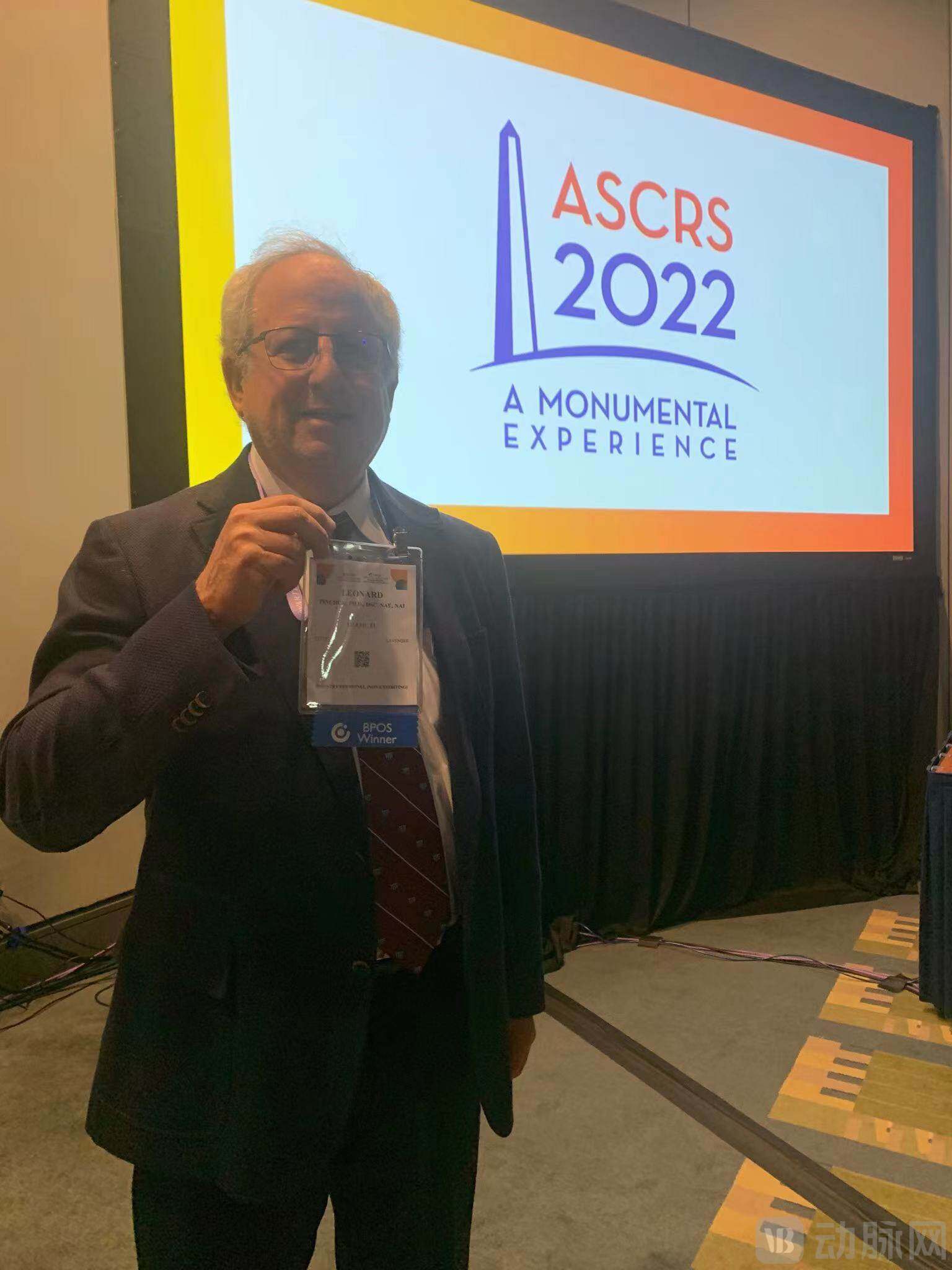
Leonard Pinchuk at the conference venue
Numerous clinical studies have demonstrated that the regeneration of lens epithelial cells and their migration and adhesion to the posterior capsule and the posterior surface of the intraocular lens are among the main factors causing PCO (Posterior Capsular Opacification) and leading to secondary cataract formation. As pointed out by Academician Leonard Pinchuk,Cross-linked polyolefin intraocular lenses can effectively inhibit the occurrence of PCO and significantly improve the postoperative effects of intraocular lens implantation.
In fact, Academician Leonard Pinchuk released three research findings on the next-generation biomaterial "cross-linked polyolefin" intraocular lens at this conference. One of themResearch on the Physicochemical Properties of Cross-linked Polyolefin Intraocular Lenses Awarded the Best Academic Report at This Conference.
Founded in 1974, the American Society of Cataract and Refractive Surgery (ASCRS) is one of the three most authoritative ophthalmology conferences globally. Participants in each conference are top doctors and ophthalmology industry leaders from around the world. After 48 years of development, ASCRS has become one of the primary sources for experts in the global ophthalmology field to obtain the latest and most authoritative clinical information, publish research, and access regulatory information that influences medical practice.
Moreover, VCBeat learned that in previous conferences, there were very few original scientific research achievements from China selected, let alone winning conference awards. This is sufficient to demonstrate the excellence and innovation of cross-linked polyolefins.The world's only manufacturer of this innovative material is a Chinese company — Eyedeal Medical Technology Company Limited (hereinafter referred to as Eyedea).
In 1949, British doctor Harold Ridley successfully performed the world's first artificial intraocular lens implantation, thus unveiling the development of the artificial intraocular lens industry.
After more than 70 years, the implantation of artificial lenses has now become the only effective method for treating cataracts in clinical practice, accompanied by the continuously expanding global market size for artificial lens products.
In terms of demand, China is one of the countries with the largest number of blind and visually impaired patients in the world. According to a study published by the International Agency for the Prevention of Blindness (IAPB) in 2019 based on China's demographic characteristics, it was estimated that by 2020, there would be 132 million people aged 45-89 suffering from cataracts in China, including 93.83 million people with age-related cataracts, and 13.32 million people aged 45-89 who are blind due to cataracts.
Compared with the CSR (Cataract Surgery Rate per million population) of developed countries such as France and the United States, China's intraocular lens market still has significant room for development. According to the annual report data of a domestic listed company, from 2012 to 2018, the average annual compound growth rate of cataract surgeries in China was approximately 16.9%, reaching about 3.7 million cases by 2018, with a corresponding CSR index of 2662. However, as early as 2011, the CSR index in France and the United States had already reached 10,000 (data from "Cataract Surgical Rate and Socioeconomics: A Global Study"). If benchmarked against the levels of developed countries in Europe and America, China’s domestic intraocular lens market is expected to experience a substantial increase in scale in the future.
Behind the unprecedented attention to market potential and the yearly expansion of market size, the most critical raw materials used for manufacturing intraocular lenses are evidently the main driver of product updates and iterations.
The development history of intraocular lens materials can be roughly divided into four stages: polymethyl methacrylate (PMMA), silicone, hydroxyethyl methacrylate (HEMA), and acrylate.
Among them, as the earliest generation of artificial crystalline lens materials, PMMA, although characterized by being lightweight, highly stable, having a high refractive index (1.491-1.497), and being resistant to degradation by the body's biological oxidation reactions, also has very obvious disadvantages. For instance, it cannot withstand high-temperature or high-pressure sterilization; it is relatively hard and cannot be bent, potentially causing direct damage to endothelial cells; and it requires a larger surgical incision, making it unsuitable for the evolving trend towards minimally invasive surgery.
By the mid-1970s, silicone gel began to be used in intraocular lenses. Like PMMA, although silicone gel has certain advantages, such as high thermal stability, the ability to be folded repeatedly without cracking, breaking, or affecting optical properties, it still has significant drawbacks as an intraocular lens material. For example, it has low refractive power, is prone to static reactions, and can easily attract intraocular metabolites, which may affect the transparency of the intraocular lens.
As for hydrogel intraocular lenses, although they have lower hardness and lower hydration compared to the former two types (thus having better biocompatibility than PMMA), there are four obvious drawbacks: First, they are not suitable for cases where surgery is complicated by zonular or posterior capsule rupture; Second, because they cannot prevent the growth of lens epithelial cells, this leads to a higher number of cases requiring capsulotomy; Third, when the posterior capsule suddenly ruptures or during surgical incision, the intraocular lens may fall into the vitreous body; Fourth, due to their water permeability, they easily allow contaminants to remain, certain substances can adhere to the surface of the lens, and smaller metabolic products within the eye can also precipitate into the high molecular structure of the lens, thereby altering the biocompatibility and optical performance of the intraocular lens and reducing its transparency.
When acrylic esters appeared on the historical stage, more specifically in 1993 with the advent of hydrophobic acrylic esters, it seemed to herald a phased victory in the search for an ideal material for intraocular lenses. This is because hydrophobic acrylic esters exhibit excellent physical and chemical properties as well as good biocompatibility, making this material the mainstream choice adopted by major manufacturers over the nearly 30 years since its market launch. For instance, products from foreign giants such as Alcon and Johnson & Johnson, as well as Chinese companies like Aibomed, utilize hydrophobic acrylic ester materials.
Through the development history of intraocular lenses, it is not difficult to find that the characteristics of raw materials determine the clinical performance of intraocular lenses, and the independent research and development and production capacity of raw materials have also become the core key for an intraocular lens enterprise to achieve sustainable development.
However, it is regrettable that there are only a few companies in the global industry that can independently synthesize raw materials through original innovation.Eyedea not only holds the exclusive patent for a new generation of biomaterials, cross-linked polyolefins, but also possesses the independent synthesis capability for today's mainstream hydrophobic acrylic materials.The advantages in the key links of raw materials have laid a solid foundation for Eyedea's development.
The excellent performance of hydrophobic acrylic intraocular lenses in biological, physical, and chemical properties has helped them establish a mainstream position in the industry. However, people's pursuit of an even more ideal and perfectly clear vision never stops.
In long-term clinical practice, researchers have found that certain characteristics of hydrophobic acrylic intraocular lenses still have room for further improvement and enhancement.
Professor Gerd Auffarth, a professor at Heidelberg University in Germany and chairman of the German Cataract Society, pointed out at the European Ophthalmology Annual Meeting that there are some tiny bubbles inside the hydrophobic acrylic material which can easily lead to lens glistening; in terms of optics, hydrophobic acrylic cannot balance a high refractive index with low chromatic aberration; the relatively limited elasticity of the material also restricts the production of intraocular lenses with large optical surfaces (>6.5mm) and the requirements for micro-incision implantation surgery.
To this end, finding an ideal artificial lens material with excellent performance in optics, physicochemical properties, biology, and other aspects has become the goal that industry experts have been striving for over the past few decades.
So, how does cross-linked polyolefin perform?
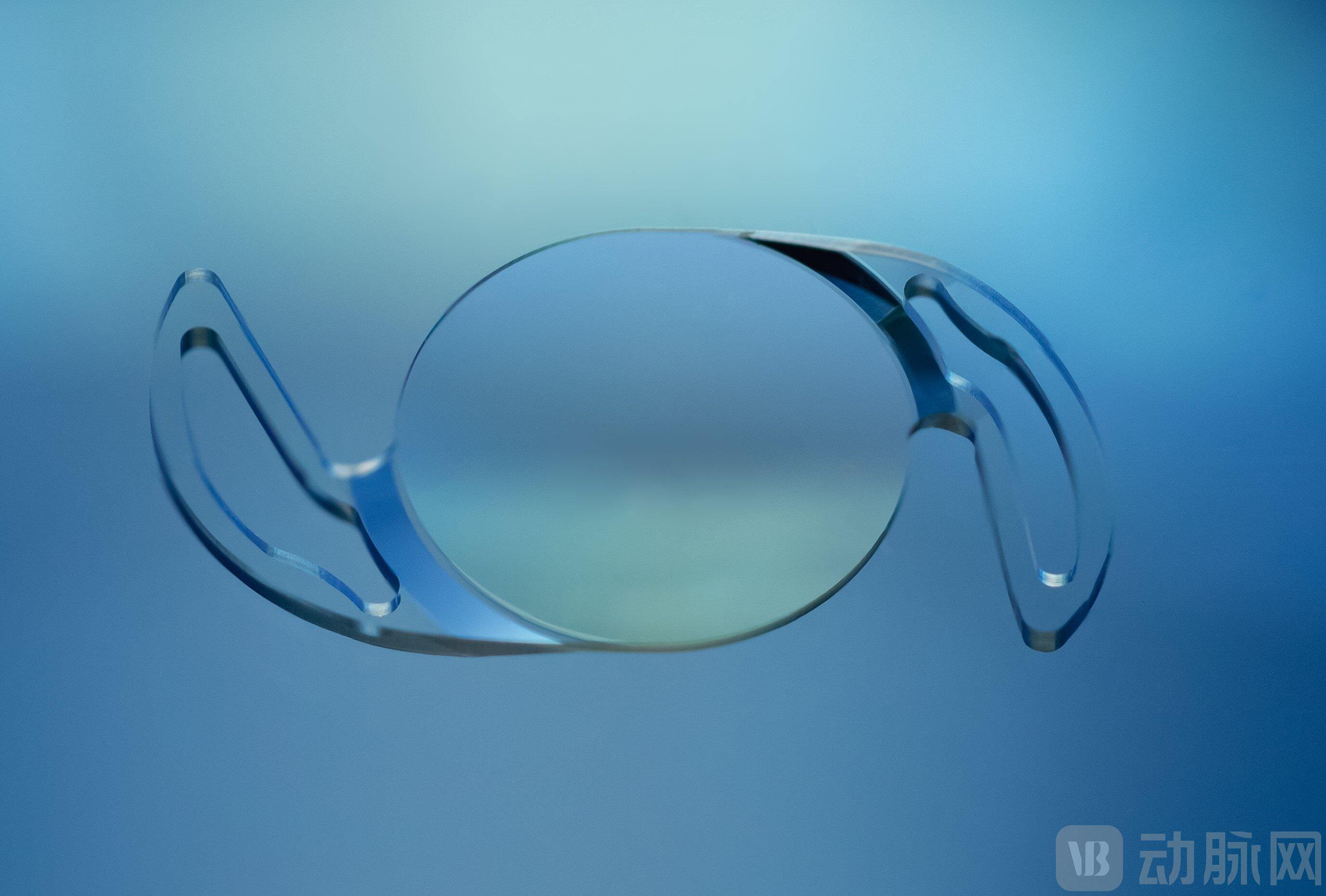
First, cross-linked polyolefins have a uniform molecular structure and excellent biocompatibility, which can not only avoid chronic inflammation after implantation but also completely eliminate tiny bubbles inside the lens, prevent postoperative glare and white spots, and reduce the incidence of secondary cataracts.
This was experimentally validated in the research report published at ASCRS ——"Accelerated aging treatment in aqueous environments and silicone oil adsorption tests have demonstrated that cross-linked polyolefin intraocular lenses are less likely to exhibit glistening phenomena and are less prone to adsorbing ophthalmic surgical silicone oil on their surfaces."
Secondly, in terms of optical properties, cross-linked polyolefin has both a high refractive index and a high Abbe number, which can effectively reduce chromatic aberration.
"The high refractive index is due to the molecular structure of cross-linked polyolefins containing more than 20% quaternary carbon structures. Diamonds also become a material with a high refractive index and high Abbe value (low dispersion) because they possess over 99% quaternary carbon." Dr. Yang Zhou, the leader of Eyedea's R&D team, once explained to VCBeat.
At this year's ASCRS conference, Academician Leonard Pinchuk also specifically pointed out:"The artificial lens made from this new biomaterial has been experimentally confirmed to have excellent surface properties and optical performance. The lens developed with this material exhibits good light transmittance within the visible spectrum, not only possessing a high refractive index but also offering some ultraviolet protection."
Third, cross-linked polyolefins possess ultra-high elasticity characteristics, which not only enable the manufacture of intraocular lenses with an optical surface diameter greater than 6.5mm but also allow implantation through a smaller incision (<2mm), facilitating postoperative recovery, alleviating patient discomfort, and effectively addressing issues such as halos and glare.
In fact, the debut of this entirely new generation of biomaterials has also been full of difficulties and challenges. Behind it lies a grueling journey that lasted 7 years.
According to Dr. Yang Zhou, the main challenge in the research and development lies in the manufacturing process, and the solution usually boils down to one approach — continuous trial and error. After seven years of relentless trial and error, Eyedea has finally successfully advanced its cross-linked polyolefin intraocular lens into clinical trials.
In October 2021, Eyedea's cross-linked polyolefin intraocular lens officially launched clinical trials in China. The trials are mainly conducted by the Eye Hospital of Wenzhou Medical University, Xi'an No. 4 Hospital·Shaanxi Provincial Eye Hospital, the Affiliated Eye Hospital of Shandong University of Traditional Chinese Medicine, Shantou International Eye Center jointly established by Shantou University and The Chinese University of Hong Kong, and Xiangya Hospital of Central South University.
In an interview with VCBeat, Dr. Peng Qun, Chief Medical Officer of Eyedea, disclosed the latest progress of the clinical trial: 112 patients have been enrolled so far (with equal numbers in the control group and the experimental group).
"The latest clinical feedback we have received indicates that the implantation surgeries for cross-linked polyolefin intraocular lenses have been proceeding very smoothly, and so far, no adverse events related to the trial product have been found," said Dr. Peng Qun. "We originally planned to complete the enrollment of 188 patients by the end of June this year, but due to the impact of the pandemic, there is an expected delay. However, we are still working hard with our collaborating clinical trial centers to complete the enrollment of clinical participants and all follow-up visits as soon as possible."”
While conducting the clinical trial of cross-linked polyolefin intraocular lens in China, Eyedea has also begun its global layout.
Specifically, Eyedea's global layout is divided into two aspects: one is the cross-linked polyolefin intraocular lens itself. According to Guo Guangxu, founder of Eyedea, the company has planned to initiate clinical trials in Europe and the United States, with the aim of obtaining global market approval in the future.
Secondly, regarding the cross-linked polyolefin material itself, Eyedea will mainly focus on material supply to enter the international upstream market. "Currently, we have started negotiating cooperation with an American company and can provide them with cross-linked polyolefin materials for their research, development, and production of implantable medical products such as artificial heart valves."
In Eyedea's global layout, holding the global invention patent rights for cross-linked polyolefin materials is its strongest support.
"How can we compete with others abroad? Because we own our patents and independent intellectual property rights from raw material synthesis. This will allow us to better expand our global presence," summarized Guo Guangxu.
In recent years, with the deepening of the country's reform in the procurement system for high-value medical consumables, as well as the promotion of the trend encouraging domestic alternatives, intraocular lenses, as one of the implantable medical device sectors, have already encountered tremendous development opportunities. Materials are the fundamental origin of the intraocular lens industry chain, and companies that master core patents for innovative materials hold an ace, paving a wider and longer path ahead.
References:
1. "Characteristics of Different Artificial Lens Materials", Cui Haipo, School of Medical Instrument and Food Engineering, University of Shanghai for Science and Technology, Journal of Materials Science and Engineering, Vol. 26, No. 3, 2008.
2.《NEW IOL MATERIALS OFFER CLEAR OPPORTUNITY》,Gerd Auffarth,Professor, Heidelberg University, Germany.《EUROTIMES STORIES》.Posted: Tuesday, September 14, 2021.