

Novartis Kisqali® Reinforced as the Only CDK4/6 Inhibitor with Consistently Demonstrated Overall Survival Benefit in HR+/HER2- Metastatic Breast Cancer

Novartis
Drug Development and Manufacturing
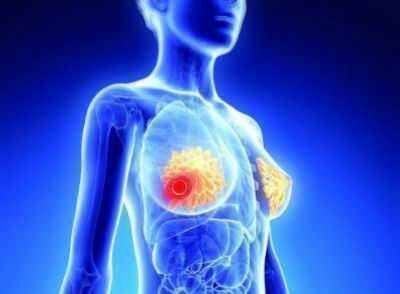
News on June 9, 2022 /BioValleyBIOON/ -- Novartis recently at the 2022 American Society of Clinical Oncology (ASCO) Annual Meeting Announced Targeted Anticancer Drug CDK4/6 Inhibitor Kisqali (Ribociclib) TreatmentBreast CancerPhase 3 MONALEESA-2 Trial (NCT01958021) New Overall Survival (OS) andQuality of Life(QoL) analysis data. The trial was conducted in postmenopausal women with hormone receptor-positive (HR+), human epidermal growth factor receptor 2-negative (HER2-) metastatic breast cancer (mBC) and evaluated the efficacy and safety of Kisqali in combination with letrozole for first-line treatment.
A new exploratory analysis shows,Compared with letrozole monotherapy, Kisqali + letrozole as first-line treatment maintained OS benefits, including patients requiring Kisqali dose adjustments.In this analysis,Patients who started with a 600mg dose and had at least one Kisqali dose reduction had a median OS of 66.0 months.(95%CI:57.6-75.7);For patients without dose reduction, the median OS was 60.6 months.(95% CI: 42.5-79.2). This indicates that starting treatment with an initial dose of 600 mg, andPatients who require dose adjustments due to adverse events (AE) or other reasons will not experience a reduction in survival benefit.. In addition,OS benefits were observed in all patient subgroups with Kisqali + letrozole as first-line treatment.
Kisqali is the only CDK4/6 inhibitor that has demonstrated consistent OS benefits across all three Phase 3 clinical trials, reporting the longest median OS benefit in the treatment of HR+/HER2-mBC. These new data reinforce Kisqali as the only CDK4/6 inhibitor that has consistently shown overall survival benefits in HR+/HER2- metastatic breast cancer.
Matching-Adjusted Indirect Comparison (MAIC) is a method to assess the relative effectiveness of treatments after adjusting for differences in patient populations in the absence of head-to-head clinical trials.MAIC analysis shows that,In the first-line treatment of HR+/HER2- mBC postmenopausal patients, compared indirectly with Eli Lilly's CDK4/6 inhibitor Verzenio (abemaciclib) + aromatase inhibitor combination, the Kisqali + aromatase inhibitor combination is associated with better symptom-related quality of life.。MAIC Results Favor Kisqali + Aromatase Inhibitor Combination in Time to Sustained Deterioration (TTSD), including: decreased appetite (HR=0.46; 95%CI:0.27-0.81), diarrhea (HR=0.23; 95%CI:0.23-0.79), fatigue (HR=0.63; 95%CI:0.41-0.96), and upper limb symptoms (HR=0.49; 95%CI:0.30-0.79).
Novartis U.S. Oncology Executive Vice President Reshema Kemps Polanco stated: "Kisqali is the only one that has consistently demonstratedStatisticsCDK4/6 inhibitors with statistical significance.Overall Survival (OS) is the ultimate goal of clinical trials in oncology, and patients also hope to live longer and better.We are very proud of the quality of life data for Kisqali, and Kisqali has reported the longest median overall survival (OS) ever in HR+/HER2- metastatic breast cancer.
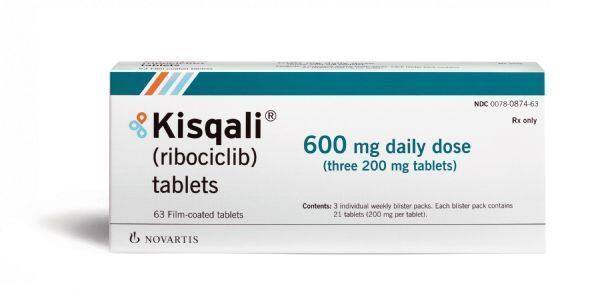
Kisqali is an oral targeted CDK4/6 inhibitor that selectively inhibits cyclin-dependent kinases 4 and 6 (CDK4/6), restores cell cycle control, and blocks tumor cell proliferation.Loss of cell cycle control is a hallmark of cancer, with CDK4/6 being hyperactive in many cancers, leading to uncontrolled cell proliferation. CDK4/6 is a key regulator of the cell cycle, capable of triggering the transition from the growth phase (G1 phase) to the DNA replication phase (S phase). In estrogen receptor-positive (ER+) breast cancer, hyperactivity of CDK4/6 is very frequent, and CDK4/6 is a key downstream target of ER signaling. Preclinical data indicate that dual inhibition of CDK4/6 and ER signaling has synergistic effects and can inhibit the growth of G1 phase ER+ breast cancer cells.
To date, Kisqali has been approved in more than 95 countries worldwide (including the United States and EU countries), with varying indications across different countries and regions, including: (1) in combination with an aromatase inhibitor or fulvestrant as initial endocrine therapy for the treatment of postmenopausal women with HR+/HER2- advanced or metastatic breast cancer; (2) in combination with fulvestrant for patients with HR+/HER2- advanced or metastatic breast cancer who have received prior endocrine therapy but experienced disease progression; (3) in combination with fulvestrant as initial endocrine therapy for the treatment of male patients with HR+/HER2- advanced or metastatic breast cancer.
Kisqali is the only CDK4/6 inhibitor proven to have an overall survival benefit in all three Phase III metastatic clinical trials, and is recommended by the National Comprehensive Cancer Network (NCCN).GuidelinesConfirmed as the only CDK4/6 inhibitor with overall survival benefits in first-line HR+/HER2- metastatic breast cancer. Additionally, on the ESMO Clinical Benefit Scale, Kisqali is the highest-rated among all CDK4/6 inhibitors, scoring 5 out of 5 for first-line treatment in premenopausal women with HR+/HER2- metastatic breast cancer; furthermore, Kisqali + letrozole or fulvestrant scores 4 out of 5 for first-line treatment in postmenopausal women with HR+/HER2- metastatic breast cancer.
Novartis is conducting further research on Kisqali to continue reimagining the future of cancer. NATALEE is a large confirmatory clinical trial conducted in collaboration with the Translational Research in Oncology (TRIO) center, aimed at evaluating the efficacy of Kisqali combined with endocrine therapy in the adjuvant treatment of HR+/HER2- early breast cancer. Novartis is also collaborating with SOLTI, which is leading the Phase 3 HARMONIA clinical trial to evaluate the efficacy of Kisqali compared to Pfizer's CDK4/6 inhibitor Ibrance (palbociclib) in treating HR+/HER2- advanced breast cancer patients with aggressive tumor biology (defined as HER2-enriched). (Bioon.com)
Source of Original Text:New CDK4/6i data at ASCO reinforce Novartis Kisqali® as only drug in class with consistently proven overall survival benefit in HR+/HER2- metastatic breast cancer