

Fixed-Duration Oral Ibrutinib Plus Venetoclax Achieves 98% Three-Year Survival in First-Line CLL Treatment

Johnson & Johnson MedTech
Medical Device Manufacturer

Janssen Pharmaceuticals
Pharmaceutical R&D Developer
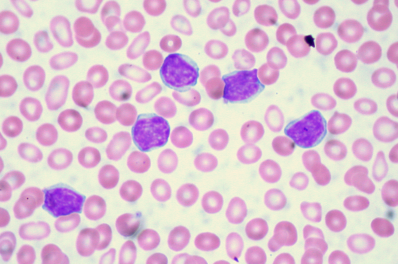
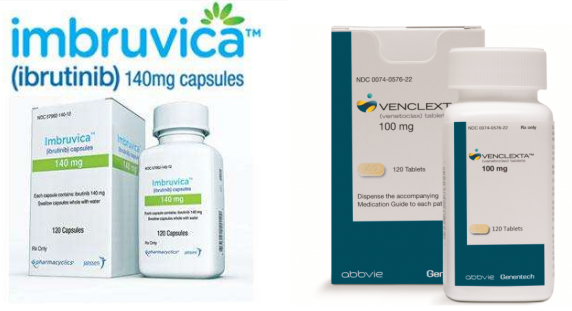
News on June 15, 2022 /BioValleyBIOON/ -- Janssen Pharmaceuticals, a Johnson & Johnson (JNJ) company, recently announced the latest results from the Phase 2 CAPTIVATE (PCYC-1142; NCT02910583) study. The study enrolled 323 patients under the age of 70 with previously untreated (naive) chronic lymphocyticLeukemia(CLL) or small cellLymphoma(SLL) patients (including those with high-risk conditions), were evaluatedOral Bruton's Tyrosine Kinase (BTK) Inhibitor Imbruvicaa (Imbruvica, generic name: ibrutinib)Combined oral B-cell lymphoma factor-2 (BCL-2) inhibitor Venclexta/Venclyxto(Venclexta, generic name: venetoclax) (referred to as: I+V combination therapy) for the efficacy and safety in first-line treatment.
The study includes 2 cohorts: (1)Fixed Duration (FD) Cohort, all patients discontinued treatment after 12 cycles of I+V combination therapy, regardless of minimal residual disease (MRD) status; (2)MRD-Guided CohortThe duration of treatment was guided by the patient's MRD status after 12 cycles of I+V combination therapy (patients confirmed to meet the undetectable minimal residual disease [uMRD, i.e., MRD-negative] criteria were randomly assigned in a 1:1 ratio to receive either placebo or ibrutinib; patients not meeting the uMRD criteria were randomly assigned to receive ibrutinib or the I+V regimen).
Latest data from the three-year follow-up of the FD cohort show that I+V as first-line treatment continues to demonstrate deep and durable remission, with clinically meaningful progression-free survival (PFS) and overall survival (OS).。New data from the MRD-guided cohort shows that the I+V combination can achieveImmunityRecovery.
Imbruvica (亿珂®) is an oral BTK inhibitor co-developed and commercialized by Johnson & Johnson and AbbVie. Venclexta (唯可来®) is an oral BCL-2 inhibitor co-developed and commercialized by AbbVie and Roche. In China, both drugs have been approved, and relevant information can be found on the official websites of Janssen Pharmaceuticals and AbbVie, respectively.
Imbruvica and Venclexta have complementary mechanisms of action.The positive results of the CAPTIVATE study confirm the potential of Imbruvica and Venclexta as a once-daily, all-oral, fixed-duration combination regimen to provide deep and durable remissions, as well as the potential to achieve immune restoration in this patient population.
1. FD Queue Three-Year Follow-Up Data: Median follow-up of 38.7 months, patients receiving treatmentThe 36-month progression-free survival (PFS) rate was 88%., 80% for patients with del(17p)/TP53 mutations and 86% (95% CI) for those with unmutated IGHV. After an additional year of follow-up, no further OS events occurred. Overall,The overall survival (OS) rate at 36 months was 98% (95% CI).The 36-month OS rates were similar for patients with del(17p)/TP53 mutations (96%) or unmutated IGHV (97%).
Complete Response Rate (CR) was 57%(n=159; 95% CI: 50-65), consistent across high-risk subgroups. The median duration of CR was not reached (n=91); the 24-month milestone estimate for CR duration was 94%. For patients with a response (n=153), the median duration of response (DOR) was not reached. Seventy-nine percent of patients (n=125) achieved uMRD at any time in peripheral blood (PB) and/or bone marrow. Of the evaluable patients who achieved PB uMRD at 3 months post-treatment, 78% (66/85) maintained uMRD within 12 months post-treatment.
All patients have currently discontinued treatment. Apart from neutropenia, the severity of frequently occurring treatment-emergent adverse events (TEAEs) (from the first dose to 30 days after the last dose) was mainly grade 1/2. The median onset time for common TEAEs generally occurred within four months (87-100%), with a median resolution or improvement time ranging from 16.5 days (diarrhea) to 42.5 days (arthralgia). Since the preliminary analysis, no new serious adverse events or secondary malignancies have been reported.
Twelve patients with disease progression after FD I+V treatment have been re-treated with ibrutinib monotherapy. Among these 12 patients, the efficacy of 11 patients was evaluable, and 10 patients showed a treatment response.
2. New Data from MRD-Guided Cohort:Analyzed the data on the cellular immune status over time in CLL/SLL patients treated with I+V combination therapy and age-matched healthy donors.In patients confirmed to have uMRD and assigned to placebo, the I+V FD regimen effectively eradicated CLL cells to healthy donor levels and enabled sustained regeneration of normal B-cell counts.
By monitoring the changes in cellular immune status over time in patients treated with the I+V combination regimen and comparing them with 20 age-matched healthy donors, an immunological recovery assessment was performed on 79 previously untreated CLL/SLL patients enrolled in the MRD cohort.
The main findings of the analysis include:Patients confirmed as uMRD (n=40) had significantly lower circulating CLL cell counts compared to those not confirmed as uMRD.(n=39), at cycles 7 and 16, the p-value for I+V combination therapy was <0.0001.From cycles 16-29, patients confirmed as uMRD (n=40) had circulating CLL cell counts similar to those of healthy donors (≤0.8 cells/μL).. In this populationNormalization of key immune cells observed, including T-cell subsets, classical monocytes, and dendritic cell counts.. (Bioon.com)
Source of Original Text:New IMBRUVICA? (ibrutinib) Data in Fixed-Duration Combination Regimen Presented at EHA 2022 Shows Deep, Durable Response at Three Years in Untreated Chronic Lymphocytic Leukemia