

Healionics Corporation Submits IPO Filing for STAR®-Based Permanent Needle-Free Hemodialysis Access Platform

Healionics
Developer of New Vascular Graft Materials
Mid Atlantic Bio Angels
Angel Investment Group

Keiretsu Capital
Venture Capital Firms
Arteriovenous Fistula SurgeryIt is a vascular fusion surgery: the artery near the wrist of the forearm and the adjacent veinSutured to both ends of the graft vessel respectively, allowing arterial blood to flow through the anastomosed vein, forming an arteriovenous fistula. An arteriovenous fistula can provide sufficient blood flow for hemodialysis treatment.To ensure the adequacy of dialysis treatment。
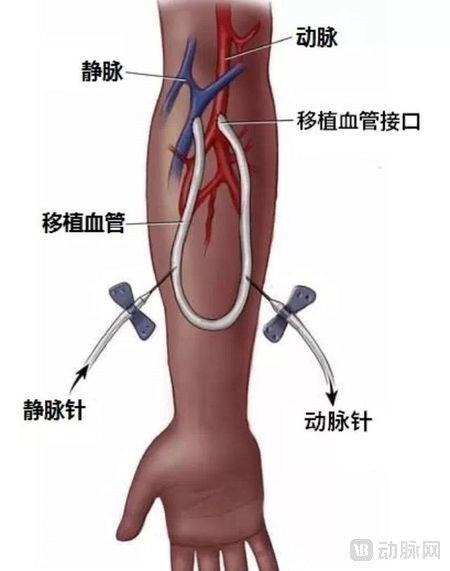
Schematic Diagram of Arteriovenous Fistula Surgery
Patients undergoing maintenance hemodialysis commonly use arteriovenous fistulas to obtain vascular access, but for such patientsThe greatest safety threat comes from bloodstream infections (CRBSI) associated with vascular grafts.In the United States, among more than 430,000 end-stage renal disease patients who rely on hemodialysis to survive, there are over 50,000 new cases of CRBSI each year (Clinical Journal of the American Society of Nephrology, CJASN), which leaves nearly40% of hemodialysis patients are unable to achieve or maintain the preferred functional access through a natural arteriovenous fistula.。
Healionics Corporation (hereinafter referred to as Healionics), a medical device company located in Seattle, Washington, has invented a vascular graft material for arteriovenous fistula surgery., its unique structure has been proven to promote the integration with human blood vessels and reduce infection and hyperplasia.
This new biomaterial is named STAR.®, is byMember of the National Academy of Engineering (NAE), Professor of Bioengineering and Chemical Engineering at the University of Washington, Ph.D. in Polymer Chemistry from the Polytechnic Institute of Brooklyn: Mr. Buddy Ratner, andPh.D. in Chemical Engineering from the University of Washington: Mr. Andrew MarshallJointly developed.
Professor RatnerHas authored more than 400 scholarly works in biomaterials, tissue engineering, polymers, biocompatibility, surface analysis of organic materials, nanobiotechnology, and RF plasma thin-film deposition. Served as President of the American Society for Biomaterials, President of AIMBE, and Vice President of the International Tissue Engineering Society (TESI), and is a Fellow of the American Association for the Advancement of Science (AAAS); awarded the Clemson Award for Literary Contribution in Biomaterials, the Stine Award in Materials Science (AIChE), the Welch Award (AVS), and the Hall Award from the Society for Biomaterials.
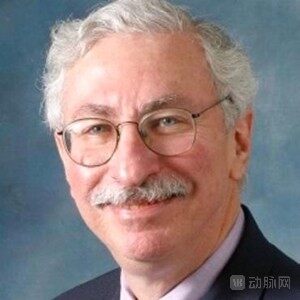
STAR®Inventor of Biomaterials: Professor Buddy Ratner
Dr. MarshallHolding a Bachelor's degree in Biomechanical Engineering from Stanford University and a Ph.D. in Chemical Engineering from the University of Washington,Current Director and CTO of the CompanyHe has over 15 years of experience in the technical development of STAR® materials and their application in enhancing the performance of implantable medical devices. He successfully secured more than $7 million in competitive, non-dilutive SBIR grants from the U.S. National Institutes of Health (NIH) and the U.S. Department of Defense to support his research. He holds 25 issued and pending patents and received the Innovation/Commercialization Award at the "2012 World Congress on Tissue Engineering and Regenerative Medicine."

STAR®Inventor of biomaterials, Director and CTO of Healionics: Dr. Andrew Marshall
HealionicsChairman and CEOWith over 30 years of experience in the medical device industryMr. Mike ConnollyMr. Connolly is a renowned entrepreneur, venture capitalist, and CEO. Three of the device companies he founded are valued at over 2 billion US dollars. He holds an MBA from Stanford University, a master's degree in mechanical engineering from the Massachusetts Institute of Technology, and a bachelor's degree from the United States Naval Academy.

Chairman and CEO of Healionics: Mr. Mike Connolly
In addition to its high-level R&D and management teams, Healionics has also brought in Dr. Jonathan Himmelfarb, President of the American Society of Nephrology, Dr. John Ross, founder of the American Vascular Access Society (VASA), Dr. Ben Starnes, former president of the Pacific Northwest Vascular Surgery Society, Dr. James Bryers, a member of the American Institute for Medical and Biological Engineering (AIMBE), and Professor of Surgery at the University of Washington, among others, as medical and scientific advisors to the company.
STAR®It is a spherical porous biomaterial. It is neither a coating nor a nanotechnology, but a 3D scaffold with a thickness of 150μm or more. Through Healionics' proprietary spherical process, its healing performance can be precisely achieved in a uniformly distributed pore structure without the need for any growth factors or other biological agents.
And, STAR®Not made from biological materials such as bovine, porcine, or human tissue or organs. Ranging from non-degradable to fully biodegradable, itsCan be produced using a variety of medical-grade synthetic biological materials., such as silicone, hyaluronic acid, etc., to meet the needs of specific devices or applications.
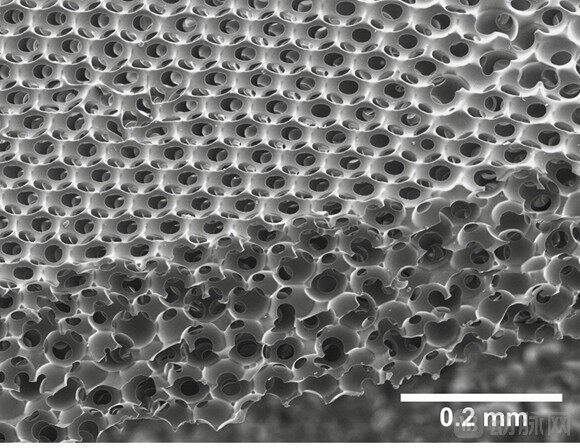
STAR®The spherical model structure
STAR®Biomaterials Have Multifunctionality, whose bio-integration properties come from its proprietary spherical pore shape rather than the substrate itself. Therefore, different synthesis techniques can incorporate STAR®Structures can be synthesized into completely different product types such as blood vessels, CDs, sheets, and injectable particles. The laboratory and cleanroom production facilities at Healionics' headquarters are capable of providing effective design and manufacturing services for custom samples based on customer requirements.
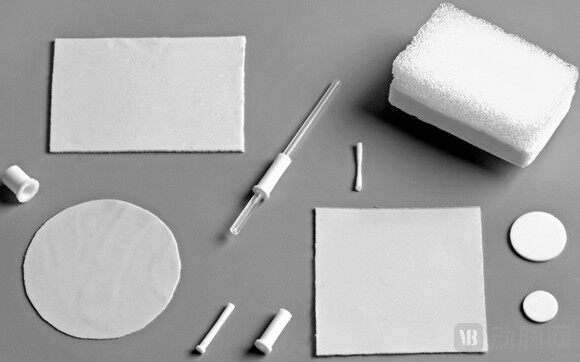
Using STAR®Products Produced from Biomaterials
STAR®ItsSpherical structures simulating cell shapesMake it inEnhance Biointegration,Reduce Foreign Body Reaction (FBR),Promote Angiogenesis,Reduce Scar Tissue FormationHealionics has developed two product lines based on this structure, demonstrating clear advantages in certain aspects.Vascular Graft: STARgraftTM;Needle-Free Dialysis Vascular Access: STARportTM。
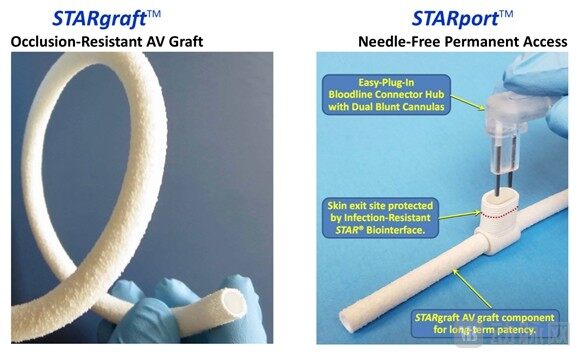
STARgraftTM: Inhibit hyperplasia and stenosis, maintain vascular wall vibration
Anti-obstructive Type A Vascular Graft STARgraftTMDiameter: 6mm, with a total of three layers.The innermost layer is the expanded PTFE material, ePTFE, which has excellent biocompatibility; the outermost layer is named STARsprinkles.TMSTAR®Structure, with a thickness of 300-500μm and spherical pore size of approximately 30μm; the middle layer between the two structures is a silicone adhesive layer.
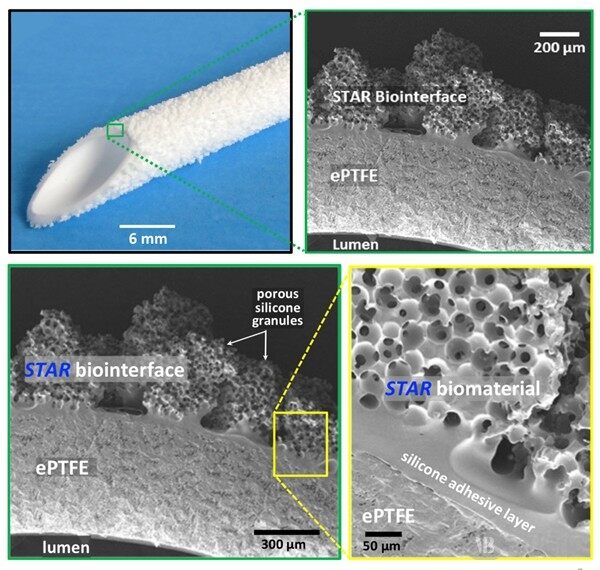
STARgraftTMSpecific Structure Display
Dr. Andrew Marshall led his team in conducting animal experiments on the bio-integration capabilities of its surface structure.The experimental results showed that: after six weeks, compared with the other two ordinary silicone grafts,STARsprinklesTMThe foreign body tissue produced is thinner (<100μm) and looser, with almost no granuloma structure formed.。
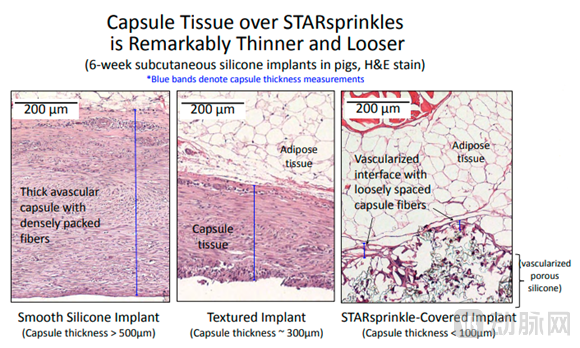
STARsprinklesTMThe surface hardly generated any fibrous tissue with avascular cystic structures.
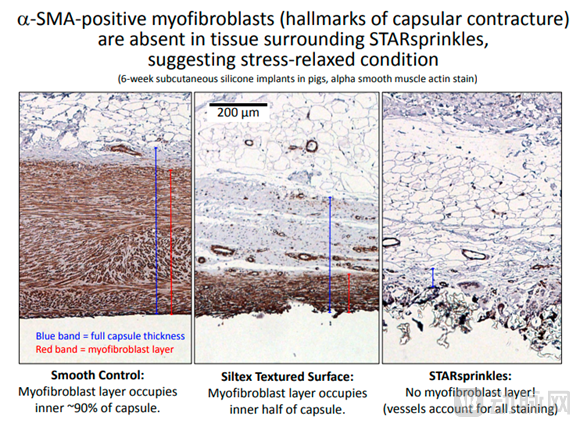
α-SMA-positive myofibroblasts (a marker of capsular contracture) in STARsprinklesTMIt does not exist in the surrounding tissues, indicating that the tissue is in a relaxed state.
Based on this research成果,Dr. Marshall continues to lead the team in the development of STARgraftTMAssessment was conducted on the realization of vascular function.. Use STARgraftTMPerform arteriovenous fistula surgery on sheep weighing 65-80kg, record with non-invasive Doppler ultrasound at each stage of the experiment, and use fluoroscopic angiography and intravascular ultrasound (IVUS) for the STARgraft graft.TMConduct an evaluation.
The results show that, STARgraftTMThe average degree of vascular stenosis caused by hyperplasia in the treatment group was less than 10%, while the average obstruction caused by hyperplasia in the control group reached about 50%, with some cases even showing complete occlusion. This demonstrates thatTransplant Vessel Surface STARsprinklesTMSpecial spherical pores can significantly reduce stenosis caused by neointimal hyperplasia.. In addition,No dense fibrous capsule formed near the graft surface, allowing the implanted blood vessel to maintain the vibration of the vascular wall. The increased freedom of movement of the vascular wall helps the graft suppress hyperplasia and improve performance.。
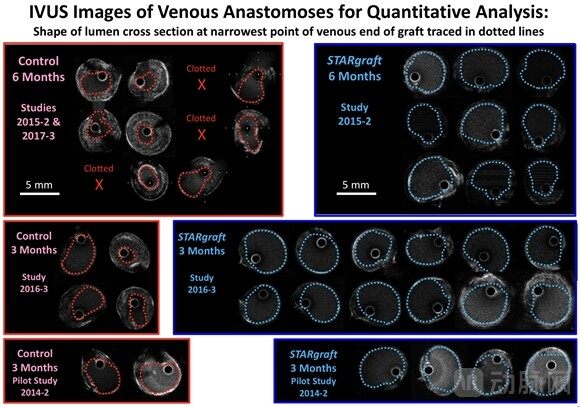
IVUS Image of the Venous Anastomosis (Dotted Line Depicts the Lumen Cross-Sectional Shape at the Narrowest Point of the Graft's Venous End)
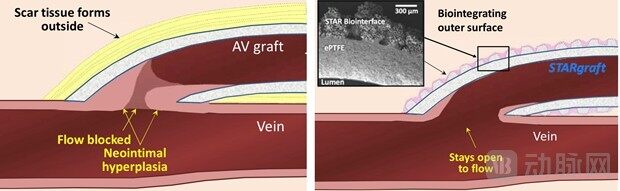
STARgraftTMSchematic Diagram of Solving Transplant Vessel Occlusion
STARportTM:"Socket-style" Permanent Needle-free Dialysis Access, Empowering Home Dialysis
In STARgraftTMAfter its performance in anti-proliferation, anti-obstruction, and maintaining vascular vibration was confirmed, Healionics further upgraded it and developed a needle-free permanent dialysis vascular access: STARport.TM。
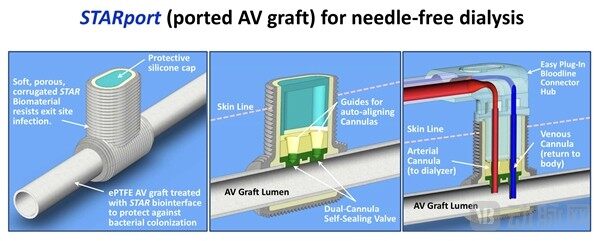
STARportTMSchematic Diagram of the Structure
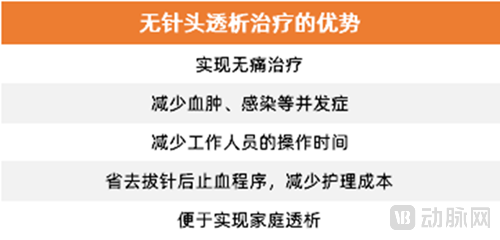
STARportTMIt was in STARgraftTMBased on the transplanted blood vesselsAdded by STARsprinklesTMMaterial-Wrapped Dual-Port Self-Sealing Valve Interface. About 10% of the interface area is exposed above the skin surface,The junction with the skin is at STARsprinkles.TMExhibits excellent anti-proliferative and anti-infective properties under the action of the material.(Animal experiments confirmed: no infection at the port site within 6 weeks and with STARportTMComplete healing).
Dialysis operation is like "Plug the plug into the socket":"The "plug part" is equipped with a venous catheter and an arterial catheter, each havingTwo non-needle blunt tube openings, with "Socket"Self-sealing valve connectionAfterward, dialysis treatment can be started. Between two courses of treatment,Provide an antibacterial soft silicone cover to protect the interface area.。
For Healionics, sinceThe team was established in 2014, marking the main developmental stage of its theoretical research.The research team has published more than 50 papers or journals in the fields of cell morphology, vascular regeneration, dermatology, biomaterials, and subcutaneous transplantation.
From 2014 to present is the testing phase for various products.。After a series of animal experiments on pigs and sheep,In 2019, STARgraftTMTransplant Vessels Enter First Human Trial. The preclinical study showed that STARgraftTMVascular grafts can improve vascular access failure caused by stenosis of arteriovenous interfaces.
Since then, Healionics has continued to conduct further human studies and obtained $4.7 million in funding from Keiretsu Capital on September 2, 2021. The company plans to use this funding forComplete STAR®FDA Market Authorization for Series Products, allowing commercialized products to provide patients with safer and more convenient hemodialysis treatment.
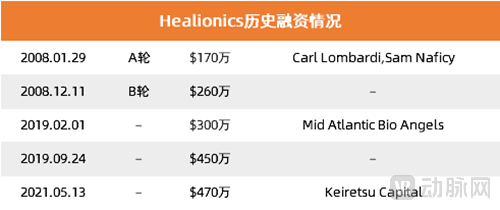
Summary of Healionics' Historical Financing (Data Source: Crunchbase)