

Sanofi's Second-Generation Enzyme Replacement Therapy Nexviadyme (avalglucosidase alfa) Approved by European Commission for Pompe Disease
Sanofi
Pharmaceutical R&D Developer

European Commission
The European Commission, abbreviated as the EU Commission, is a supranational body under the European Union. Within the EU political system, the European Commission primarily undertakes executive tasks, thus being roughly equivalent to the government in a national system. However, the European Commission has other functions as well. In particular, except for the few circumstances specified in the treaties, the European Commission is the only institution with legislative power in the EU legislative process.
News on June 30, 2022 /BioValleyBIOON/ -- Sanofi recently announced that the European Commission (EC) has approvedNexviadyme (avalglucosidase alfa, neoGAA): This drug is a second-generation enzyme replacement therapy (ERT) for the long-term treatment of Pompe disease, including late-onset Pompe disease (LOPD) or infantile-onset Pompe disease (IOPD).
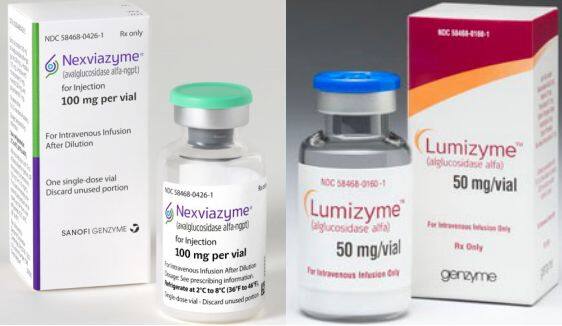
Notably, Nexviazyme is the first new Pompe disease drug approved in Europe since the EU's approval of Myozyme (alglucosidase alfa, recombinant alpha-glucosidase) in 2006.In the United States, Nexviadyme is sold under the brand name Nexviazyme., which was approved in August 2021,For the treatment of LOPD patients aged ≥1 year. Previously, the United StatesFDANexviazyme has been granted Breakthrough Therapy Designation (BTD) and Fast Track Designation (FTD) for the treatment of Pompe disease.
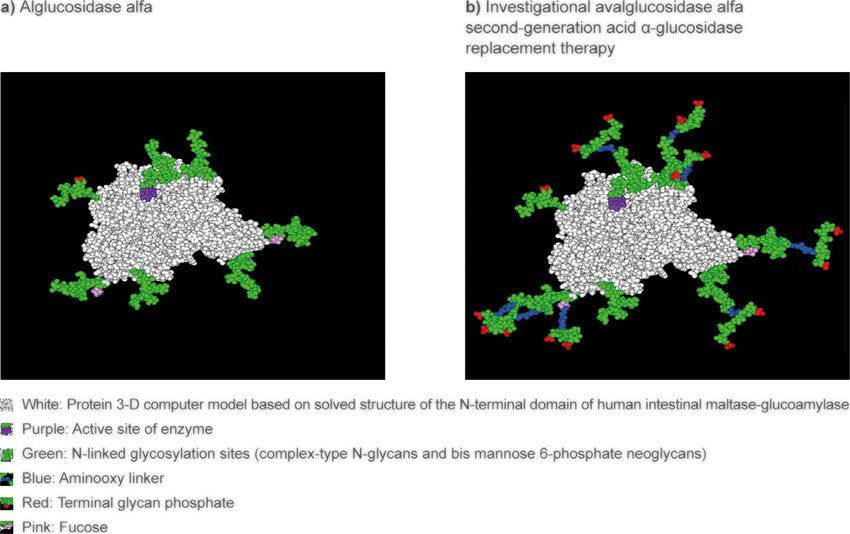
Before Nexviadyme was approved,Myozyme (brand name Lumizyme outside Europe) is the only enzyme replacement therapy (ERT) approved for the treatment of Pompe disease. Developed by Sanofi, it is the first-generation ERT for Pompe disease.Nexviadyme and MyozymeSpecifically targets the mannose-6-phosphate (M6P) receptor, which is the key pathway for cellular uptake of ERT and its transport to lysosomes.。The M6P portion of Nexviadyme is on average 15 times higher than that of Myozyme. Compared with Myozyme, Nexviadyme is designed to help improve the uptake of ERT in target tissues and enhance glycogen clearance.。
Pompe disease is a progressive, debilitating muscle disorder that impairs patients' mobility and respiratory function.In patients with Pompe disease, acid alpha-glucosidase (GAA) is deficient or absent.GAA is the key to preventing the accumulation of glycogen in muscle cells to toxic levels.Nexviadyme and Myozyme are designed to replace defective GAA and reduce glycogen accumulation in the heart and skeletal muscles.
Nexviadyme is the second-generation ERT developed by Sanofi. As a long-acting ERT, this drug aims to improve the delivery of GAA to muscle cells, delivering more GAA to the lysosomes of muscle cells. Nexviadyme will provide a new standard of care for patients with Pompe disease. In clinical trials, treatment with Nexviadyme demonstrated clinically meaningful improvements in respiratory function and mobility among Pompe disease patients.
A robust clinical development program demonstrated that Nexviadyme showed clinically meaningful differences in key disease burden measures in LOPD and IOPD patients.
COMET (NCT02782741) is a head-to-head Phase 3 study conducted in LOPD patients. In the study, patients were randomly assigned to receive either Nexviadyme or the standard-of-care drug Lumizyme at a dose of 20mg/kg every two weeks via intravenous infusion. The results showed that during the nearly one-year treatment period (49 weeks), Nexviadyme demonstrated clinically meaningful improvements in key manifestations of LOPD (respiratory impairment and reduced mobility) and was non-inferior to Lumizyme in efficacy. Preliminary data from the open-label portion of the trial, involving 20 patients who switched from Lumizyme to Nexviadyme, also showed better pulmonary function and mobility performance at week 97.
The specific data is as follows:(1) At Week 49 of treatment, the predicted forced vital capacity (FVC) percentage in the Nexviazyme group improved by 2.9 points (SE=0.9) from baseline, showing a 2.4-point greater improvement compared to the Lumizyme group. The difference exceeded the non-inferiority margin (p=0.0074; 95% CI: -0.13, 4.99) but missed...StatisticsSuperiority (p=0.06). (2) A key secondary endpoint of the trial was functional endurance as measured by the 6-minute walk test (6MWT). At Week 49 of treatment, patients in the Nexviazyme group walked an additional 32.2 meters (SE=9.9) compared to baseline, and walked 30 meters more (95% CI: 1.33, 58.69) compared to the Lumizyme group.According to the hierarchical structure of the study protocol, formal statistical tests were not conducted for all secondary endpoints.
Phase 2 mini-COMET (NCT03019406) study evaluated the safety and exploratory efficacy of Nexviadyme in treating IOPD patients. All patients had previously received Lumizyme treatment but did not achieve adequate relief. In the study, these patients were randomly assigned to receive either of two doses (20mg or 40mg/kg body weight) of Nexviadyme or continue their current stable dose of Lumizyme. The results showed,After 6 months of treatment, both doses of Nexviadyme were well tolerated with no serious side effects. Secondary objectives showed that in patients who had previously received Lumizyme but experienced a decline or insufficient control in efficacy indicators, Nexviadyme treatment led to improvements or stabilization in efficacy measures, including the Gross Motor Function Measure (GMFM-88) and the Quick Motor Function Test (QMFT).ChildrenDisability Index Assessment (Pompe-PEDI), Left Ventricular Mass Z-Score (LVMZ), Eyelid Position Measurement Results.
A pooled safety analysis from four clinical studies found that serious adverse reactions reported in patients treated with Nexviadyme included chills (1.4%), headache, dyspnea, respiratory distress, nausea, skin discoloration, chest discomfort, fever, increased blood pressure, increased body temperature, increased heart rate, and decreased oxygen saturation (each 0.7%). Additionally, hypersensitivity reactions (43.5%), anaphylaxis (1.4%), and infusion-related reactions (26.1%) were reported. The most common adverse drug reactions (ADRs) (>5%) were pruritus (9.4%), rash (8%), headache (7.2%), urticaria (6.5%), fatigue (6.5%), nausea (5.8%), and rigors (5.1%).
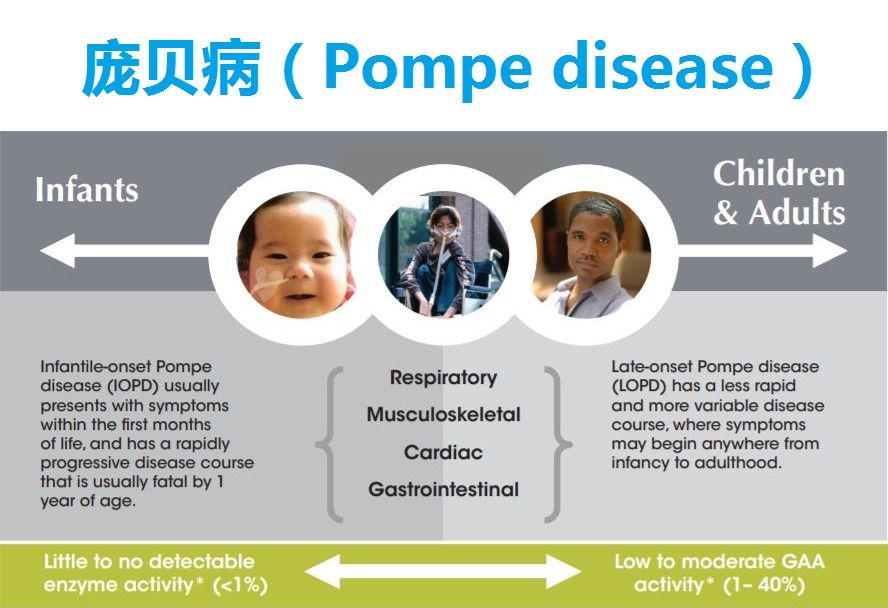
Pompe disease is caused by genetic defects or dysfunction of the lysosomal enzyme acid alpha-glucosidase (GAA), leading to glycogen accumulation in muscles (including proximal muscles and the diaphragm), ultimately causing progressive and irreversible muscle damage. This rare disease affects approximately 50,000 people worldwide, manifesting at any age from infancy to late adulthood. Pompe disease is typically categorized as either Late-Onset Pompe Disease (LOPD) or Infantile-Onset Pompe Disease (IOPD). LOPD patients generally present symptoms from the first year of life to late adulthood. Characteristic symptoms of LOPD include impaired respiratory function and skeletal muscle weakness, often resulting in reduced mobility. Patients usually require wheelchairs for mobility assistance and may also need mechanical ventilation to aid breathing. Respiratory failure is the most common cause of death among Pompe disease patients. When classified as IOPD, symptoms begin before the age of one. In addition to skeletal muscle weakness, cardiac function is also commonly affected.
The purpose of Pompe disease enzyme replacement therapy (ERT) is to introduce the enzyme (GAA) into the lysosomes within muscle cells to replace the missing or deficient GAA, which is an enzyme necessary to prevent glycogen accumulation in muscles. Nexviadyme can enhance the delivery of the enzyme to muscle cells, particularly to skeletal muscles.Compared with the standard-of-care medicine Myozyme (alglucosidase alfa, recombinant acid alpha-glucosidase), Nexviadyme has approximately 15 times more mannose-6-phosphate (M6P) content, aiming to enhance cellular uptake of the enzyme and improve glycogen clearance in target tissues.
Myozyme (recombinant alglucosidase alfa) is the first-generation ERT developed by Sanofi, and Nexviadyme is the second-generation alglucosidase alfa ERT, specifically designed to enhance receptor targeting and enzyme uptake through greater affinity for the M6P receptor on muscle cells, thereby enhancing glycogen clearance and improving the clinical efficacy of alglucosidase alfa.In preclinical studies, Nexviadyme demonstrated approximately 5 times the efficacy of Myozyme in reducing tissue glycogen. In a mouse model of Pompe disease, Nexviadyme showed a similar level of substrate reduction at one-fifth the dose of Myozyme. (Bioon.com)
Source of the original text:Nexviadyme (avalglucosidase alfa) approved by European Commission as a potential new standard of care for the treatment of Pompe Disease