

Hans Clevers: Pioneering Organoid Technology from Lab Bench to Global Industry

HUB Organoids
Drug Development Service Provider
Xilis
Developer of Precision Oncology Platform
Introduction:
1. In addition to its application in drug research and development, another emerging application field of stem cells, "organoids," has also developed rapidly in the past decade.
2. Behind the breakthrough development of organoids, Hans Clevers is a key figure.
3. Hans Clevers not only made breakthroughs in scientific research, but he also quickly participated in incubating the first batch of organoid companies, such as HUB Organoids and Xilis.
4. Although they come from the same origin, HUB and Xilis have taken different development paths.
5. Because of the broad prospects in fields such as in vitro disease modeling, drug discovery and development, companion diagnostics, and personalized medicine, several companies both in China and internationally are actively positioning themselves in the cutting-edge field of organoids.
6. This article will take you through the past and present of HUB Organoids development.
Pioneer of Organoid Research
Balancing Research and Industry
As early as the 1980s, the term "organoid" had been proposed.
Organoids are three-dimensional (3D) cell culture products obtained by seeding stem cells into matrix gel or basement membrane extract and culturing them with a specific mixture of cytokines to produce organ-specific products. Organoids often contain multiple types of organ-specific cells and can partially reproduce organ functions in vitro.
However, it was not until 2009 that a scientific team led by Hans Clevers successfully cultured Lgr5(+) intestinal adult stem cells from the mouse intestine in Matrigel, supplemented with essential growth factors for stem cells such as the Wnt pathway agonist R-spondin, TGF-β inhibitor Noggin, and epidermal growth factor. This led to the development of a three-dimensional structure with crypt-like and villus-like epithelial regions, known as small-intestinal organoids.
This organoid contains most terminally differentiated cell types and can best simulate the physiological conditions of the intestinal epithelium. This culture protocol also became the starting point for other organoid cultures. Later, the lab further optimized it by adding nicotinamide, Alk inhibitor A83-01, prostaglandin E2, and p38 inhibitor SB202190, achieving the culture of human colorectal tumor organoids.
Currently reported various organoid culture media are all formed by adding or subtracting different factors based on the above-mentioned protocols. The culture conditions are still in the process of continuous exploration and improvement to achieve the goal of increasing success rates.
After more than a decade of development, scientists have now established various organoid models, including those for the gastrointestinal tract, esophagus, liver, pancreas, brain, lungs, prostate, breast, skin, kidneys, heart, taste buds, salivary glands, and cornea.
This groundbreaking achievement has also received widespread recognition: In 2013, organoids were named one of the top ten scientific and technological advances by *Science*, and Hans Clevers was awarded the 2013 Breakthrough Prize for his pioneering research in the field of organoids; in 2017, organoids were named "Method of the Year in Life Sciences" by *Nature Methods*; in 2019, *NEJM* pointed out that organoids would serve as a revolutionary preclinical model for human diseases, with broad applications in cancer research, precision medicine, and new drug development.
Behind these breakthroughs, Hans Clevers is a key figure. This master scientist in the fields of stem cell and cancer biology was elected as a member of the National Academy of Sciences in 2014 and received the "Citation Laureate" award in the Physiology or Medicine category in 2019.
In his early years, Hans Clevers was a professor of immunology and also a professor of molecular genetics at Utrecht University in the Netherlands. From 2002 to 2012, Hans Clevers served as the director of the Hubrecht Institute in the Netherlands. The Hubrecht Institute is a world-renowned research institute affiliated with the Royal Netherlands Academy of Arts and Sciences, focusing primarily on developmental and stem cell biology.
It was during his research period at the Hubrecht Institute that Hans Clevers and others pioneered the era of organoid research. Hans Clevers' team can be said to have single-handedly supported the development of the industry in the early stages of organoids.
Based on the above research results, Hans Clevers embarked on his own scientific research transformation journey in 2013 and participated in the founding of HUB Organoids Holding B.V. and Xilis, Inc.
The earliest organoid R&D center
Gave rise to the first batch of organoid enterprises
In 2013, Hans Clevers co-founded HUB Organoids, the world's earliest research and development center for organoid technology. HUB Organoids is a non-profit company established by the Hubrecht Institute, the Royal Netherlands Academy of Arts and Sciences (KNAW), and the University Medical Center Utrecht, dedicated to managing Dr. Hans Clevers' pioneering achievements—organoid technology.
The technical authorization of HUB directly promoted the emergence of the first batch of organoid companies, including Epistem, Cellesce, Crown Biosciences, and STEMCELL Technologies.
HUB's organoid technology has the function of "in vitro simulation of patient lesions in the laboratory," which can better and more accurately predict and simulate tumor heterogeneity and patients' drug responses, and test them to evaluate different treatment options, providing broad prospects for academia, clinical medicine, and the pharmaceutical/biotechnology industry.
HUB has also developed, optimized, and standardized a range of organs and disease types to create patient-derived organoid biobanks. These biobanks can maintain a stable state during long-term culture for direct application in subsequent related research. Based on proprietary IP protection technology, HUB Organoids can directly replicate and differentiate adult stem cells (ASC) from patient epithelial tissue in vitro, thereby generating functional "mini-organs in a dish."
This is an important distinction that sets HUB organoids apart from other patient-derived 3D in vitro systems or other organoid technologies using pluripotent stem cells (iPSC) or embryonic stem cells (ESC).
Unlike PSC-derived organoids, ASC-derived organoids have two sources: healthy tissue and tissue from tumor patients. PSC-derived organoids are typically obtained through embryonic stem cells or induced iPSCs. ASC-derived organoids develop from tissue-specific stem cell populations. The development of ASC is supported by growth factors, whose presence ensures the self-renewal of ASC and differentiation into various downstream cell types. This ASC process has been gradually applied in the industry due to a series of significant discoveries from the Clevers laboratory.
HUB has expanded and optimized this process, and developed three-dimensional organoids using both healthy and diseased tissues. Based on ASC-derived organoids, there is no need for stem cell reprogramming or transformation. As a result, HUB is able to develop more robust and renewable organoid models that can retain the genetic and gene expression characteristics of the original organ over multiple generations, including clinically relevant mutations.
Currently, HUB has developed tumor organoids for various types of cancer. These organoids are developed based on materials from cancer patients and can be used to establish a biobank of tumor (and matched healthy) organoids, thereby capturing the phenotypic and genetic heterogeneity within the cancer patient population.
Specifically, HUB Organoids technology has the following characteristics:
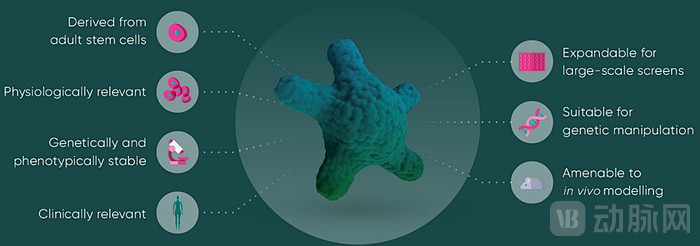
Characteristics of HUB Organoid Technology, Image Source: Hubrecht Organoid Technology Official Website
Based on the above characteristics, HUB Organoids can be applied in the following fields:In vitro disease modeling, drug discovery and development, Dish clinical trials (CTiD); companion diagnostics, safety and toxicity: personalized medicine.
HUB Organoids, based on the aforementioned characteristics and applications, primarily encompass three service sectors: biobanking, model and assay development services, and preclinical drug development services.
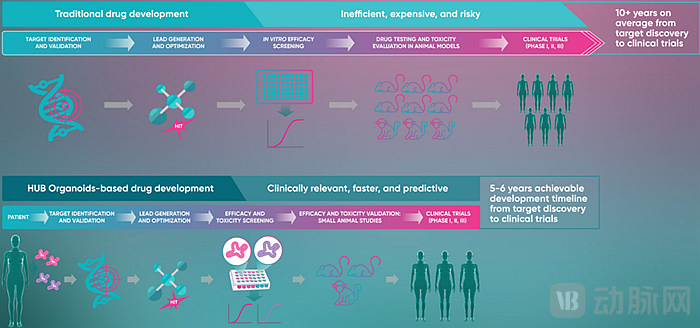
Preclinical Drug Development Services, Image Source: Hubrecht Organoid Technology Official Website
A $70 million financing round
Favored by multiple well-known investment institutions
In addition to HUB Organoids, the pioneering organoid technology incubator founded by Hans Clevers, the pioneer of organoids, in 2019, Hans Clevers, as a co-founder, together with Dr. Xiling Shen and Dr. David Hsu, established the organoid research company Xilis.
Xilis, Inc. is headquartered in Durham, North Carolina, focusing on developing a precision oncology platform to guide oncologists in treatment decision-making, predict the most effective therapies, and accelerate drug discovery and development efficiency for pharmaceutical companies.
The three co-founders have decades of research experience in the fields of biomedicine, oncology, and stem cells. Among them, Dr. Shen and Dr. Hsu both come from Duke University.
Dr. Hsu is an oncologist by training and is currently an Associate Professor of Medicine at Duke University Medical Center, focusing on research in gastrointestinal malignancies and colorectal cancer. His lab focuses on using patient models of cancer, as well as high-throughput genomic and proteomic technologies, to develop new therapies and diagnostic methods for cancer.
Dr. Shen has 13 years of industry and research experience as a design engineer and faculty member at Cornell University and Duke University. His work focuses on integrating engineering, computation, and biological technologies to study patient models in cancer and precision medicine.
The two doctors jointly developed Xilis's core technology—MicroOrganoSphere (MOS) technology—which, by expanding its AI-driven capabilities, provides personalized precision treatment strategies for cancer patients and accelerates drug discovery and development.
Xilis' proprietary MOS technology platform reconstructs tiny models of tumors using tissue samples from cancer patients, preserving the unique characteristics of the original tissue sample, including tissue structure, genetic alterations, gene expression, immune microenvironment, and histopathology. The MOS technology overcomes major limitations of various tumor models, including xenografts and organoids, offering speed, scalability, and predictability in small-scale models.
Hans Clevers stated: "Since my lab invented organoids more than a decade ago, we have provided proof-of-concept for many applications, but the related technological progress remains slow, and model establishment is complex and expensive. The MOS technology invented by Dr. Shen and Dr. Hsu eliminates these obstacles and accelerates its use in clinical settings as well as in drug discovery and development."
The MOS technology platform has three major characteristics:
First, efficient, scalable, and consistent.
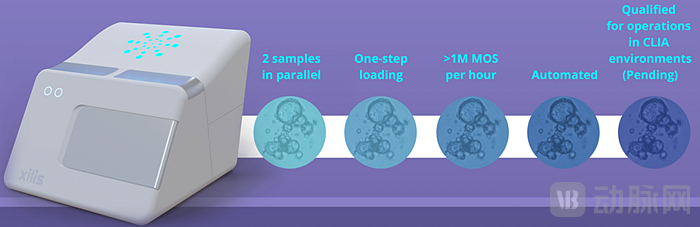 Micro-encapsulation system, image source: Xilis official website
Caption: Xilis' proprietary hardware is an adaptable micro-encapsulation system designed for handling and studying complex biologically relevant 3D tissue models. By integrating microfluidics, extracellular matrices, robotics, experimental protocols, assays, and expertise, MOS technology delivers a rapid, automated, scalable, and reproducible solution suitable for advancing translational research.
Second, capture the entire tumor of the patient:MOS technology captures the complexity and diversity of patient-derived primary tissues. MOS can maintain the same heterogeneous tumor microenvironment as found in primary tissue samples, accurately representing the patient’s complete disease state, making it a predictive tumor model suitable for measuring cell viability and drug response.
Third, high reproducibility.
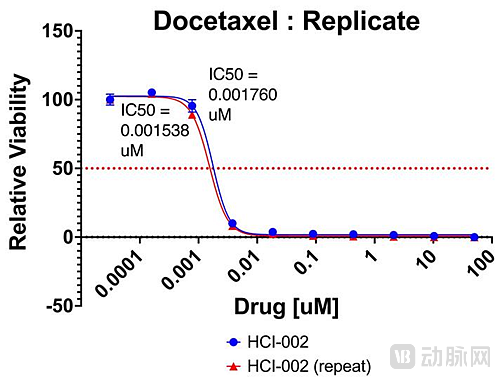
High reproducibility, image source: Xilis official website
Figure: MOS technology overcomes the reproducibility issues of traditional organoid technologies used for evaluating drug responses. As shown in the figure below, MOS technology can generate reproducible data, reduce hands-on time for lab personnel through automated processes, and achieve better consistency, accuracy, and efficiency.
Based on the above characteristics, Xilis currently has three major application areas: machine learning tools, precision oncology, and drug development.
In the development of immuno-oncology drugs, Xilis' platform provides drug developers with an innovative technology to evaluate immuno-oncology candidates. Since each MOS can capture the full microenvironment and cellular heterogeneity of a patient’s tumor, Xilis’ high-throughput platform can be used to study how single agents or combination therapies induce immune system responses and their ability to kill tumor cells. Pharmaceutical companies can use Xilis' platform to research immunotherapy candidates (such as checkpoint inhibitors, CAR-T, TILs) to ensure drug safety and efficacy, improving the success rate of clinical trials.
Compared with the results generated by traditional patient-derived models, MOS can provide faster, higher throughput, and lower cost, as well as more predictive and accurate results. MOS can also be used for large-scale pharmacogenomics studies.
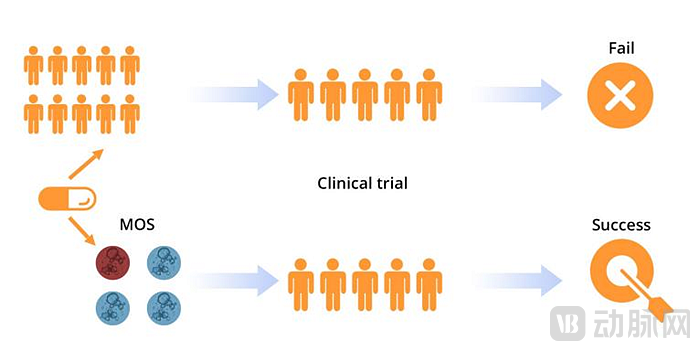
Drug Development Services, Image Source: Xilis Official Website
Figure: Xilis's MOS technology enables drug developers to expand and streamline all phases of preclinical and clinical development, allowing pharmaceutical companies to utilize resources more efficiently. Xilis has been able to achieve ex vivo modeling for an entirely new class of drugs, such as immuno-oncology.
Of course, these technologies and advantages soon attracted the attention of capital.
In July 2021, Xilis completed a Series A financing round of up to 70 million US dollars, attracting the favor of well-known investment institutions including Mubadala Capital, GV, Alix Ventures, Duke Angel Network, KdT Ventures, Felicis Ventures, Life Science Partners, Catalio Capital Management, Two Sigma Ventures, and Pear Ventures.
It can be seen that both HUB and Xilis have related layouts in the fields of new drug development and precision treatment.The connection between the two companies is also very obvious: "they come from the same origin," with the added prestige of Hans Clevers, the pioneer of organoid technology.
However, the differences between the two also stem from this.First, HUB is an organoid technology incubation center, from which many organoid companies have been derived. Xilis' current core technology is also a derivation and optimization based on this foundation. Through the MOS technology invented by Dr. Hsu and Dr. Shen, the complexity of organoid applications has been simplified, and the high cost of organoid research has been reduced.
In addition, HUB’s technology is broader, with presence in areas such as in vitro disease modeling, drug discovery and development, companion diagnostics, and personalized medicine. Xilis, on the other hand, is more "specialized and precise," focusing on developing an accurate oncology platform and has derived related predictive methods, machine learning tools, etc., to guide oncologists in making rapid treatment decisions and to accelerate drug discovery and development for pharmaceutical companies.
While organoid models bring new vitality to scientific research and clinical applications, there are also some barriers that need to be overcome in their translation from the research end to the market end:
First, the construction of organoids is costly and challenging, especially in cancer organoids where normal organoids may be mixed in, leading to a reduction in the purity of cancer organoids. These issues limit the widespread adoption of organoids.
Secondly, there is currently no standardized culture model for organoids, which can lead to differences and instability between experimental results. Moreover, organoids cannot fully replicate human organs and can only be considered simple organ models. Lastly, the culture conditions for organoids still need optimization; for instance, the uncertainty of matrix gel composition poses potential risks, such as infection, when using organoids in fields like regenerative medicine.
Overall, fidelity, stability, and how to precisely control microenvironment conditions remain the challenges that organoid technology needs to address.
Currently, scholars both in China and abroad are focusing on integrating other cutting-edge technologies (organ-on-a-chip, micro-movement arrays, scRNA-seq, CRISPR-Cas9, high-throughput screening, etc.) to analyze and modify organoids. They meticulously optimize and standardize each experimental step in the organoid culture system (culture medium composition, cell types, quantity, reagent addition sequence, etc.), tackling challenges such as the extracellular microenvironment, vasculature, neural networks, and maturation levels. The aim is to enhance the stability, fidelity, reproducibility, and scalability of organoids.
In addition to the aforementioned companies, foreign enterprises that have ventured into this magical emerging technology include Nortis, CN Bio, TissUse, Mimetas, Tara Biosystems, Emulate, Hesperos, Prellis, System1, and NextVivo.
According to incomplete statistics, there are also related companies in China such as Great Oak Technology, Koutu Medicine, Chuangxin International, Jienofly, Zizhan Biotech, Danwang Medical, Wanheyuan Biotech, and Saibo Biotech.PositiveLayout the organoid field.
References:
1. He Xun, Zhang Peng, Zhang Junxiang, Progress in the Construction and Application of Organoids, China Biotechnology, 2020, 40(12): 82-87;
2. Li Xiaomeng, Guan Ruoyu, Gao Jianjun, Hua Guoqiang, Application of Organoids in Regenerative Medicine, Chinese Journal of Cell Biology, 2021, 43(6): 1120–1131;
3. Yu Donghong, Cao Hua, Wang Xinrui, Research Progress and Application of Organoids, Chinese Journal of Biotechnology, Nov. 25, 2021, 37(11): 3961-3974;
4.HUB Technology: The Only Tumor Organoid Platform for Cancer Drug Discovery - Crown Bioscience;
5.https://xilis.com/drug-development/
6.https://blog.huborganoids.nl/