

XR-Based Digital Therapeutics Poised for Takeoff: Who Will Lead the Multi-Billion Dollar Market?

SDODT
Developer of Digital Therapeutics for Neurological Diseases

Xuzhishi Technology
Developer of Digital Medical Technology Products

DOBOSO
Intelligent Medical Platform Provider

Seventh Technology
Scientific Drug Rehabilitation Service Provider
Digital therapeutics can be standalone software or a combination of software, medical devices, hardware equipment, and services. Therefore, even within digital therapeutics, there are different technical pathways and levels of maturity. VCBeat has noticed that digital therapeutics based on XR technology are becoming increasingly popular.
Not long ago,OxfordVR, a British digital therapeutics startup, has received the FDA's Breakthrough Devices Designation for its digital therapy targeting schizophrenia and other severe mental illnesses.. Within less than a year, the FDA has already approved several digital therapies based on XR (Extended Reality) technology.
Apart from the FDA, digital therapeutics based on XR technology have also been gradually approved by regulatory agencies in other regions around the world. There is no doubt that this unique form of digital therapy has demonstrated enormous potential and shown clear effectiveness in real-world applications, and is on the verge of a boom.
XR is a general term for several technologies, including VR. In addition to the common VR (Virtual Reality) and AR (Augmented Reality), MR (Mixed Reality) has also gradually emerged in recent years.
Generally speaking, VR isolates users from the real environment through a headset, immersing them in a purely virtual digital environment generated by a computer. AR, on the other hand, adds or removes interactive virtual objects or information generated in real-time by a computer within a real environment.
MR can be considered as a combination of VR and AR. Conceptually, it is similar to AR, as it involves the interaction between real and virtual environments; however, in terms of integration, it operates more like VR, combining reality and virtuality through digitally generated and interactive digital interfaces.
In addition, it is possible that new technologies different from the above may emerge in the future, and there may even be technologies capable of fully simulating touch and smell, as seen in science fiction novels or films, representing the ideal "Metaverse" (such as The Matrix, Ready Player One, etc.). All these can be categorized under XR.
From 2014 to 2015, several VR products with significant technological advancements were successively launched, driving the XR concept to an impressive industry peak. The year 2016 is considered the first year of XR — that year, XR-related companies attracted $533 million in financing in the primary market, with frequent large-scale financings. The top ten companies receiving the most venture capital funding collectively raised as much as $396 million.
However, although XR has always been highly anticipated, its highlight application scenarios are mainly concentrated in the fields of social interaction, entertainment, gaming, tourism, and shopping. The implementation of XR application scenarios in healthcare was still quite limited at that time, primarily focusing on relatively peripheral medical education and training. Other application scenarios such as clinical assistance, disease treatment, and rehabilitation, while having room for imagination, did not see much progress at that time.
On the one hand, XR's key technologies were still not mature enough at the time and needed further development to meet the requirements of healthcare applications; on the other hand, once it involves core medical fields such as clinical assistance, disease treatment, and rehabilitation, it inevitably faces various stringent regulations, along with long-term research and development and clinical trials. The long-cycle nature of the healthcare industry is undoubtedly evident here.
Some regulatory agencies foresaw the trend early and began to take precautions. In 2018, South Korea’s Ministry of Food and Drug Safety (MFDS) released the "Guidelines on Review and Approval of AR/VR-based Medical Devices," which defined VR- and AR-based medical devices, outlined their key components, and established approval criteria.
Although XR only experienced a fleeting boom and quickly fell into a trough, the overnight popularity of the metaverse concept in 2021 saved XR — as the main interface of the current metaverse, XR naturally also received significant attention.
According to McKinsey, the metaverse concept received $13 billion in financing in the primary market in 2021.In the first five months of 2022, the entire metaverse industry received $120 billion in investment for technology and infrastructure R&D, doubling the total $57 billion investment in 2021. By 2030, the entire metaverse industry is expected to reach a staggering value of $5 trillion!
After years of dedicated development, XR+ healthcare has made substantial progress in core medical areas such as disease treatment and rehabilitation, beginning to bear fruit. Coinciding with the rise of digital therapeutics, which has achieved remarkable advancements in the real world post-pandemic, it is gradually gaining increasing recognition. This provides another major boost for XR+ healthcare, which, supported by two popular themes, has finally started to see light at the end of the tunnel and is poised to take off.
According to the latest report from Fact&Factors,The global XR+ healthcare market size is expected to surge from USD 2.7 billion in 2020 to USD 40.98 billion by 2026, with a compound annual growth rate (CAGR) forecasted at 34.89% during 2021-2026.
VCBeat has found that XR digital therapies are currently mainly concentrated in the fields of mental disorder treatment, disease rehabilitation, pain relief, and ophthalmology.
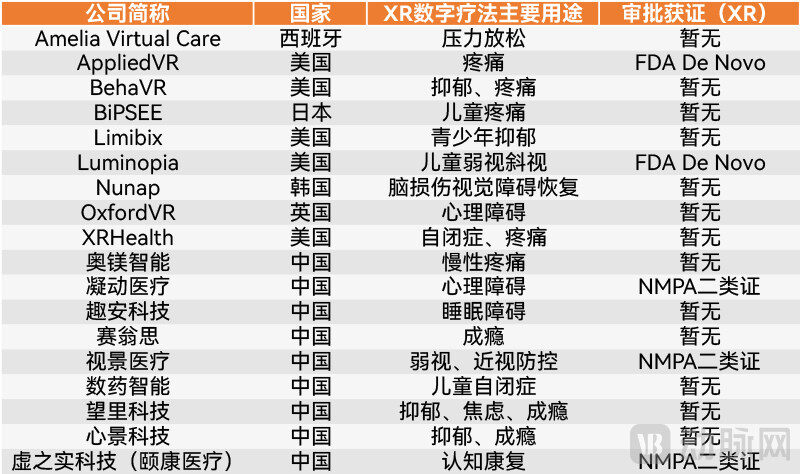
Main XR Digital Therapy Companies (Non-Comprehensive Statistics, VCBeat Mapping)
The use of VR digital therapeutics for treating schizophrenia and other severe mental illnesses is one of its primary categories. Patients with these conditions often experience fear and anxiety triggered by certain situations (such as acrophobia, fear of crowds, or fear of open spaces), leading to the onset of symptoms. If this anxiety remains unrelieved over a long period, it can cause patients to withdraw from their daily environments, restricting their lives to locations and activities perceived as sufficiently safe.
Traditional treatment methods for specific phobias are primarily achieved through cognitive behavioral therapy, one of the main forms of which is "exposure" – that is, allowing patients to be fully exposed to environments that may trigger symptoms to achieve psychological desensitization. This is further divided into "imaginal exposure" and "in vivo exposure."
Imaginal exposure is the most widely used method. Take acrophobia as an example: the psychotherapist will have the patient imagine themselves at a high place, then proceed to the next step of treatment. The advantage of this approach is that it requires minimal environmental setup for therapy, but its drawback is that the effectiveness can be highly unstable.
"The effect depends on the richness of the patient's imagination, the severity of the patient's condition, the potential therapeutic outcomes, the doctor's persuasiveness, and the establishment of an alliance between the doctor and the patient. The final result of this approach can be highly unstable."Ningdong Wansheng Medical Technology (Wuhan) Co., Ltd.Dr. Zhou Dong, Co-founder and Chief Medical Officer, introduced.
In vivo exposure involves exposing patients to real-life environments. For instance, a person with acrophobia can be taken to a high place to desensitize them to the fear-inducing environment. However, this method requires a higher level of treatment environment, and the cost and pressure are also significant. Moreover, there are some hidden safety risks.
"Some patients told us in the study that their fear of heights stemmed from the worry that they might lose control and feel an impulse to jump when standing at a high place. This shows that real-scene exposure does carry certain risks," said Dr. Zhou Dong.
In contrast, XR digital therapeutics can achieve a better balance between efficacy and cost, providing patients with an absolutely controllable safe environment. The intensity can be adjusted according to individual progress, thereby helping patients achieve low-cost personalized treatment.
Taking OxfordVR's acrophobia digital therapy as an example, a clinical trial involving 346 participants was conducted in the UK between 2019 and 2021. The final research report was published in The Lancet in April 2022. After six weeks of using the therapy, the most severe patients experienced a 49% reduction in avoidance behavior, a 41% decrease in paranoia symptoms, and a 21% improvement in quality of life. The trial also confirmed that VR digital therapy can be easily scaled while ensuring standardized treatment, significantly reducing reliance on highly trained therapists, thereby lowering treatment costs.
At the same time, since the patient's biofeedback data is recorded and analyzed by the system, it marks a departure from traditional subjective judgment-based diagnostic and treatment methods in the field of mental health. This positive outcome will undoubtedly help OxfordVR gain FDA approval and officially enter the market.
In addition, Amelia Virtual Care and Limbix, which also implement behavioral cognitive therapy based on VR, have released corresponding results: the former demonstrated better effects in reducing stress among college students and enhancing treatment adherence by combining VR with mindfulness; the latter significantly reduced depressive symptoms in a clinical trial using VR to treat adolescent depression, with remission and response rates of 21% and 29%, respectively (compared to 4% and 16% in the control group).
However, these few digital therapies have not yet been approved by the FDA. In contrast, in this field, China is even ahead —In February 2022, Ningdong Wansheng Medical Technology (Wuhan) Co., Ltd.'s VR-based "Specific Phobia Psychological Rehabilitation Training Software" received approval from NMPA and obtained a Class II medical device registration certificate.。
Clinical results showed that acrophobia patients who received VR exposure therapy experienced a nearly 50% reduction in height-related anxiety and avoidance behavior (measured by the Acrophobia Questionnaire, AQ), along with significant improvements in their perception of heights (measured by the Height Interpretation Questionnaire, HIQ) and clinical manifestations of anxiety (measured by the Beck Anxiety Inventory, BAI). Additionally, apart from mild dizziness caused by the VR equipment (measured by the Simulator Sickness Questionnaire, SSQ), no participants reported being unable to adapt or needing to terminate the trial during treatment. No adverse effects were voluntarily reported or mentioned by participants during the follow-up period after the study's completion.
The approval of this product also fills a gap in China's relevant treatment fields, providing a wide range of clinical psychiatry professionals with an environmentally and patient-friendly, controllable auxiliary tool. It also offers patients troubled by acrophobia a stable and reliable solution.
In addition, in ChinaSeventh Technology, SDODT, Wangli Technology, and Hangzhou Xinjing Science and Technology Co., Ltd.Companies such as these are also conducting corresponding explorations in utilizing XR digital therapeutics for the treatment of mental disorders.
Disease Rehabilitation: Another Important Application of XR Digital Therapies
In addition, this type of digital therapy can achieve rapid and standardized expansion, allowing rehabilitation professionals to serve more patients simultaneously, improve efficiency, and reduce the cost for medical institutions.
Nunap is undoubtedly one of the most well-known companies in this field. Established in 2017, this South Korean enterprise has been dedicated to the integration of medicine, neuroscience, and AI technology to develop digital therapeutics for neurological disorders.
Nunaps' Nunap Vision digital therapy utilizes VR technology to conduct visual perception rehabilitation training for visual impairments caused by brain injuries, such as strokes. It is designed based on Visual Perceptual Learning (VPL) to enhance visual perception. Through specific visual perceptual task training, the visual system's ability to perceive external information is significantly improved, generating visual stimuli that are transmitted to different areas of the brain. Ultimately, repeated visual perception training aims to develop new visual pathways to treat visual field defects.
In July 2019, South Korea approved the clinical trial of Nunap Vision's digital therapy under Nunaps. This was also the first digital therapy clinical trial to be approved in South Korea. However, perhaps due to Nunap's choice of the relatively cutting-edge neurology field, it has not yet passed regulatory approval.
It is worth mentioning that, driven by the corresponding industry momentum, South Korean regulatory authorities have successively promoted the release of some policies. In October 2020, the South Korean Ministry of Food and Drug Safety (MFDS) released the "Guideline on Review and Approval of Digital Therapeutics (For Industry)." Subsequently, in 2021, MFDS updated the VR/AR medical device guidelines originally issued in 2018, releasing the "Software Review as the Only Requirement for Approval of AR/VR-Based Medical Devices."
China has actually taken the lead in this field of approval. As early asIn 2020, Xuzhishi Technology's "Cognitive Function Rehabilitation Software" obtained the Class II certificate from NMPA., which can be applied to the rehabilitation training of cognitive function impairment caused by various brain functional diseases, such as degenerative brain diseases, mental illnesses, and brain injury-induced disorders of attention, memory, and executive control abilities. Even on a global scale, this is one of the earliest approved XR digital therapies.
The therapy simulates real-life scenarios through virtual reality technology. For instance, the supermarket module allows trainees to be placed in a virtual supermarket setting where they can pick up various items according to prompts, including geometric shapes, kitchenware, tea sets, vegetables, alcoholic beverages, and fruits.
The difficulty of the tasks will gradually increase during the training process, from picking up one item to multiple items, exercising the trainee's memory, attention, and executive abilities, with the ultimate goal of improving the cognitive function status of the trainee. For elderly patients with cognitive impairments who have been socially isolated for a long time, this virtual social activity scenario serves as external stimulation that can slow down the progression of cognitive impairment.
In addition to the supermarket scenario, the rehabilitation system also includes other therapy modules to meet various needs and can provide personalized treatment by combining different scenarios according to requirements.
For example, for a patient with motor function degeneration accompanied by mild cognitive impairment, the doctor first lets them experience a ping-pong simulator, then applies the breathing module of relaxation therapy. This allows the patient to both delay the progression of neurodegenerative brain disease through appropriate exercise and, by training them to control the frequency and depth of their breathing, helps relax physical and mental tension after exercise.
In 2019, Xuzhishi Technology's "Cognitive Rehabilitation System" conducted a multi-center clinical trial in four hospitals. Based on the MCCB scale, clinical research data validation was performed on 120 enrolled patients. The clinical trial results showed that, compared to the control group receiving traditional interventions by doctors, the training group using the "Cognitive Rehabilitation System" had an average comprehensive score increase of 7% after one month and 15% after three months, demonstrating a more effective improvement in the cognitive function status of patients with mental disorders.
It is generally believed that XR technology, due to the need for prolonged eye use, may have a certain impact on patients' vision when used for extended periods. Interestingly, ophthalmology happens to be one of the major indications for XR digital therapeutics. Particularly for children with strabismus and amblyopia, the emergence of XR digital therapeutics is nothing short of a boon.
Amblyopia is a disease caused by the underdevelopment of visual cells in the macular region. Although children's eyes have no organic lesions, they cannot see clearly whether they wear glasses or not, and severe cases can even lead to blindness in one eye. Generally speaking, it is because the brain favors one eye, leading to vision problems in the other eye.
The traditional treatment method is to use a patch eye mask or blurring eyedrops to block the stronger eye, forcing the brain to rely on the weaker eye, providing appropriate visual stimulation to the amblyopic eye (such as beading, dotting, and light stimulation) to establish normal retinal correspondence in both eyes and promote the recovery of visual function.
The entire treatment process is lengthy and monotonous. Even though many medical device manufacturers have introduced more novel hardware, pediatric patients still struggle to persist with repetitive training content for 3-6 months, or they may go through the motions during treatment, failing to achieve the desired therapeutic effect.
XR digital therapy, through fresh immersive environments and gamified treatment methods, can greatly improve treatment adherence among pediatric patients. For these young patients, the painful and lengthy treatment process will turn into an entertaining and enjoyable experience.
Adhering to this principle,Luminopia's Luminopia One was approved by the FDA through the De Novo pathway in October 2021.. This is also the first amblyopia digital therapy in North America. In fact, XR digital therapies for children's amblyopia were approved earlier in China —In February 2021, DOBOSO achieved the approval of XR digital therapy through a registration change.。
Not only that,In November 2021, DOBOSO's digital therapy for childhood myopia based on XR technology was approved for a Class II certificate.This shows us another possibility.
With the deepening of research on myopia in recent years, among the many mechanisms of myopia occurrence and development, the theories of accommodative tension, optical defocus, and scleral hypoxia have gradually become mainstream understanding. By integrating these medical research theories with the latest digital technologies, an innovative myopia prevention and control solution can be provided to users.
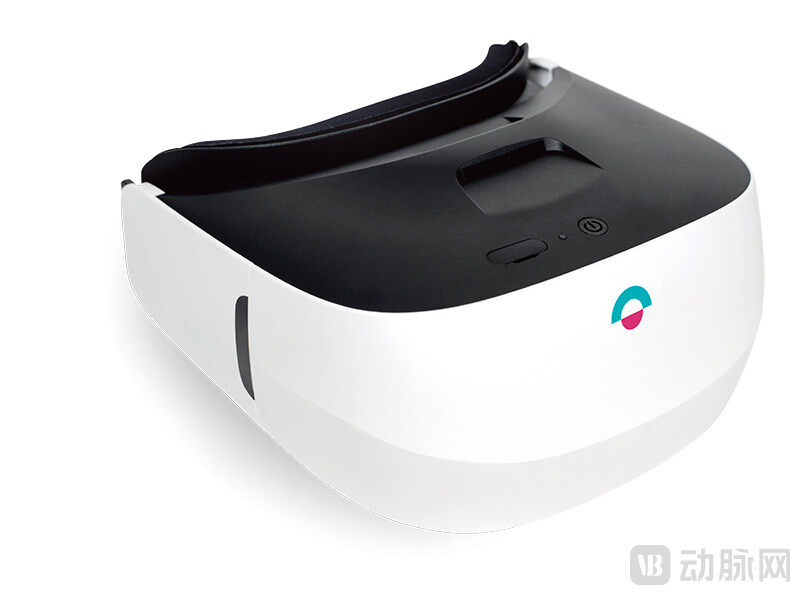
DOBOSO Beibei Comprehensive Treatment Instrument for Myopia and Amblyopia
DOBOSO's XR Digital Therapy integrates red light therapy, VR accommodation training, and VR visual function training. It enables the eyes to undergo hand-eye-brain coordinated ciliary muscle accommodation training while being highly activated by red laser irradiation to promote blood circulation in the fundus, aiming to slow down eyeball growth and control myopia progression.
Red Light Training for Eye Health: The product emits low-energy, high-intensity red light at a specific wavelength (650nm) to irradiate the fundus. This improves blood and oxygen supply to the choroid and sclera, promoting their growth and thickening. Meanwhile, the bright red light causes pupil constriction, increasing the depth of field and reducing blurriness. The dual effects of oxygen nourishment to the fundus and the eye's triadic response mechanism have a clear effect on controlling myopia progression.
The regulation training function combines software and hardware to conduct brain + object distance adjustment training through gamification, effectively relaxing the ciliary muscle and improving and restoring the regulation function. In addition, the therapy includes visual function training, also using gamified methods for patients to perform various eye movement exercises such as fixation, pursuit, and saccade. Combined with fusion function training and stereoscopic vision function training, it enhances the brain's coordination and control of the eyes, improves visual function impairments, and enhances binocular vision function.
Compared with traditional myopia prevention and control methods, XR digital therapy breaks through the limitations of conventional treatments and can provide personalized management and treatment plans. Considering the large population base of patients undergoing ophthalmic visual function rehabilitation, once its effectiveness is verified in long-term applications, it will undoubtedly represent a highly promising application scenario.
Chronic pain generally refers to moderate to severe pain in a specific area over a long period, which may limit the ability to perform daily activities. Typically, chronic pain is mainly treated through medication (painkillers or steroid injections), exercise, surgery, and transcutaneous electrical nerve stimulation (TENS).
Psychological approaches, including cognitive behavioral therapy and hypnosis, have long been proven effective in alleviating pain. Among these, distraction is a time-honored psychological pain intervention that has demonstrated significant efficacy. Typical distraction interventions include deep breathing, listening to soothing music, and watching favorite videos.
The principle behind this therapy lies in the limited nature of human attention resources. Therefore, tasks that consume part of these resources by diverting attention are believed to reduce the cognitive capacity available for processing pain, thereby achieving pain relief.
Researchers have recently also begun to attempt the use of XR technology, which offers better immersive effects, to distract patients' attention. As early as 2010, researchers confirmed that VR distraction could effectively alleviate pain. However, due to the extremely high cost of VR equipment at the time (up to tens of thousands of dollars), this technology was not seriously considered for clinical use.
The great development of XR technology in the past two years has made it possible to apply this kind of digital therapy.In November 2021, AppliedVR's RelieVRx (formerly known as EaseVRx) digital therapy received De Novo approval from the FDA.This cognitive behavioral therapy, which combines VR technology and gaming, can help patients aged 18 and above with chronic lower back pain reduce their pain through methods such as mindful escape, pain education, diaphragmatic breathing improvement, and relaxation/interoception.
This 8-week therapy first enhances diaphragmatic breathing through game-based reaction training, thereby activating and controlling the parasympathetic response. Subsequently, the therapy educates patients on pain management knowledge, such as how the body perceives pain and how patients can control it. Through these methods, patients gradually divert their attention from pain during immersive gameplay.
Subsequently, patients will gradually understand and feel the changes that occur when their bodies relax. The therapy can also simulate various calming immersive environments (such as a quiet snowy landscape) through VR technology, allowing patients to further alleviate pain using mindfulness techniques.
AppliedVR demonstrated its safety and efficacy in an 8-week randomized controlled trial. Participants using the therapy reported substantial improvements after treatment: a 42% average reduction in pain intensity, a 49% decrease in life interference, a 52% reduction in sleep interference, and a 56% decrease in emotional interference.
In addition to chronic low back pain, VR digital therapeutics can also alleviate many pain symptoms. For example, AppliedVR is developing pipelines for labor pain, pediatric peripheral venous catheter pain, rheumatism pain, and emergency room pain management.
In addition to AppliedVR, there are also other XR digital therapeutics companies around the world developing products targeting pain symptoms. For instance, XR Health's digital therapy for chronic pain, and Rocket VR Health’s product for alleviating pain in cancer patients.
The global rise of digital therapeutics for pain management is not difficult to understand. Taking the United States as an example, in 2016, 20.4% of adults suffered from chronic pain, with 8% experiencing high-impact chronic pain. Chronic pain, year after year, not only causes immense suffering for patients but also incurs additional high costs—most notably, the opioid epidemic in the U.S. Moreover, a study published by Johns Hopkins University in The Journal of Pain found that the annual cumulative cost of chronic pain could be as high as $635 billion, surpassing the combined annual costs of cancer, heart disease, and diabetes.
However, due to the relatively low level of attention and differences in perception, this type of digital therapy still awaits development in China. Currently, in China,Aomg IntelligentXR pain digital therapy is also under development but has not yet been certified. Since pain does not directly threaten life as other diseases do, it has always lingered outside the public's attention, and patients' awareness of pain relief is lagging behind. Moreover, the complex causes and pathogenesis of chronic pain result in unsatisfactory outcomes for many treatment methods.
However, this does not mean a lack of demand. According to the "Report on the Development of Pain Medicine in China (2020)," the number of chronic pain patients in China exceeds 300 million, and this figure is rapidly increasing by 10 to 20 million people each year. Since age is an important factor influencing chronic pain, as China's society continues to age, this potentially huge demand urgently needs to be met.
In addition, in 2018, the WHO revised the International Classification of Diseases (ICD-11), for the first time assigning codes and classifications to pain as an independent disease. Although it will take some time, with the continuous advancement of ICD-11 globally in the future, the concept that chronic pain is a disease will inevitably become more widely recognized.
This means a lot for digital therapeutics enterprises, needless to say.
Although XR digital therapeutics are increasingly favored by the industry, they are still a type of digital therapeutic. Therefore, the issues faced by the development of digital therapeutics, such as payment and commercialization, are also unavoidable. Since we have discussed these issues multiple times, this article will not elaborate further.
Unlike other digital therapies, the therapeutic principles and effects of XR digital therapy are closely related to the virtual reality environment it creates. XR technologies, including VR, AR, and MR, are still in the early stages of development. Therefore, technically speaking, XR digital therapy still has significant room for improvement.
Yang Guilong (nickname: Uncle Ka), a VR industry expert who has worked in the VR field for many years and is now employed by an industry-leading manufacturer, believes that due to technical limitations, the main bottlenecks of current VR devices used in medical applications lie in a few areas: display quality, performance, and wearing experience.
Firstly, in terms of display performance, the current display effects of VR devices, whether in resolution or clarity, still fall short of the ideal. Taking pixel density, a key indicator that determines VR display clarity, at least single-eye 6K resolution is required to achieve a relatively ideal sense of immersion, but few devices can currently reach this standard.
Performance is another bottleneck currently faced by VR devices. For example, one of the potential side effects of any VR-based application is 3D motion sickness, and one of the main causes of this dizziness is the visual discomfort generated by the VR device itself.
Visual Vertigo: Visual vertigo refers to the sensation of dizziness caused solely by the visual system, primarily due to high display latency resulting from insufficient performance of VR devices. Simply put, if a user takes 0.5 seconds to rotate their head 90 degrees to the right, the delay in rendering caused by current limitations in VR device performance results in a longer transition time for the virtual reality scene, causing high latency in the image. At this point, the user will immediately experience a strong sense of dizziness.
"In fact, even if the performance is sufficient to eliminate latency, dizziness cannot be completely avoided. The occurrence of dizziness is also individual-dependent, requiring some adaptation, and it is not something that technology can fully resolve. It’s like motion sickness—some people don’t get motion sickness at all, some experience severe motion sickness, and there are also those who used to get motion sick but no longer do after long-term training," Yang Guilong introduced to VCBeat.
Finally, there is the user experience. Yang Guilong stated that currently popular all-in-one VR devices are generally large and heavy with a forward center of gravity due to technical limitations, resulting in a poor wearing experience. Additionally, existing VR devices rely on controllers for operation, offering a less immersive experience, which is not particularly friendly for middle-aged and elderly people who are slower to adopt new technologies.
There is no doubt that the advancement of these technologies requires a significant amount of resources and time. The continuous popularity of the metaverse may help accelerate the pace of such technological progress.
Although still in the early stages of development, XR digital therapeutics have already shown enormous potential and are a particularly popular branch in the field of digital therapeutics. In addition to mental disorder treatment, disease rehabilitation, ophthalmology, and pain management, the industry is also continuously exploring more directions, such as sleep-related fields and children's attention training.
The continuous popularity of the metaverse will not only provide strong momentum for XR digital therapy but also increase awareness and acceptance of this type of digital therapy. Kang Cheng, CEO of Xuzhishi Technology, previously told VCBeat in an interview that digital therapy and the metaverse would begin to merge in 2022, which would significantly boost the popularization of digital therapy.
What particularly excites us is that China has not fallen behind in the application progress of XR digital therapeutics, and even holds a certain lead. Leveraging China’s world-leading digital infrastructure capabilities and open-minded approach to digital technology, building a globally influential digital therapeutics ecosystem is far from a pipe dream. China's digital therapeutics technology will also have more opportunities to impact global healthcare.
References:
Iain Martin ,Forbes.com:FDA Grants Breakthrough Device Designation To VR Mental Illness Treatment
IDC: 2016 VR Industry Report
Sohn Ji-young,the Korea Herald: Korea sets guidelines for medical devices employing VR, AR technologies
McKinsey: Value Creation in the metaverse
Globalnewswire.com:Virtual Reality (VR) in Healthcare Market Size Expected to Attain USD 40.98 Bn by 2026, Global Forecast from Facts & Factors
Freeman D, Lambe S, Kabir T, Lancet Psychiatry:Automated virtual reality therapy to treat agoraphobic avoidance and distress in patients with psychosis (gameChange): a multicentre, parallel-group, single-blind, randomised, controlled trial in England with mediation and moderation analyses.
Modrego-Alarcón M, López-Del-Hoyo Y, García-Campayo J,Behav Res Ther:Efficacy of a mindfulness-based programme with and without virtual reality support to reduce stress in university students: A randomized controlled trial.
Malloy KM, Milling LS. Clin Psychol Rev:The effectiveness of virtual reality distraction for pain reduction: a systematic review.
Garcia LM, Birckhead BJ, Krishnamurthy P,J Pain :Three-Month Follow-Up Results of a Double-Blind, Randomized Placebo-Controlled Trial of 8-Week Self-Administered At-Home Behavioral Skills-Based Virtual Reality (VR) for Chronic Low Back Pain.
Dahlhamer J, Lucas J, Zelaya, C, MMWR Morb Mortal Wkly Rep:Prevalence of Chronic Pain and High-Impact Chronic Pain Among Adults — United States
Fan Bifa, Tsinghua University Press: "Report on the Development of Pain Medicine in China (2020)"