


On July 29, the first hospital innovation and transformation ranking list in China — "China Hospital Innovation and Transformation Ranking List" — was officially released. This list was jointly launched by the China Medical Innovation Alliance (CMIA), Hainan Boao Medical Innovation Research Institute, Healthworld, Hainan Boao Lecheng International Medical Tourism Pilot Zone Administration, and KANGWEI MEDICAL INNOVATION.
In recent years, with the gradual implementation of national policies on the transformation of innovative achievements, medical innovation transformation oriented towards clinical needs has gradually become a consensus. The innovative elements of government, industry, academia, research, capital, and medicine are forming a synergy, ushering in a golden age for medical innovation transformation.
According to the ranking index system, the top 100 comprehensive innovation rankings were calculated by ranking tertiary hospitals in China across six dimensions: patent applications, patent grants, invention patent applications, invention patent grants, PCT applications, and patent conversions.
Top 100 Comprehensive Rankings

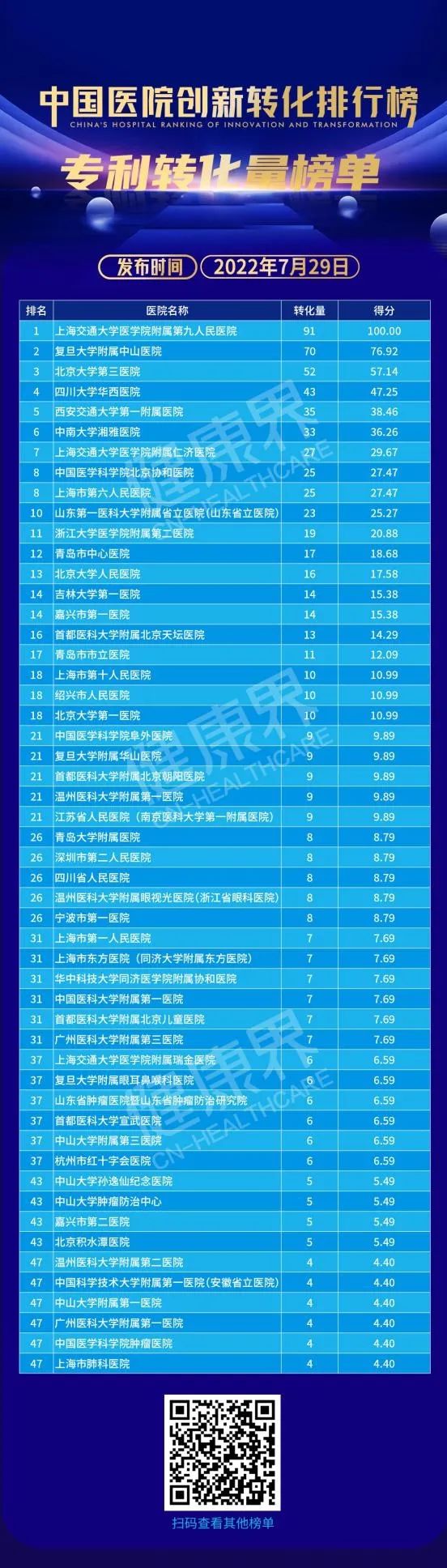
Top 50 List of Patent Conversions

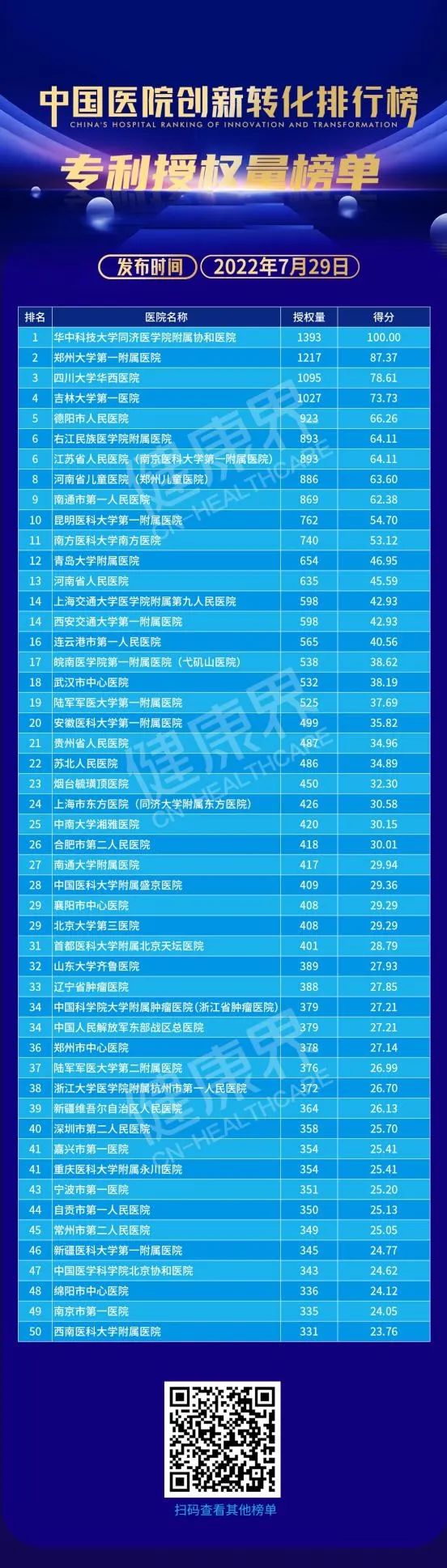
TOP 50 Patent Authorization Rankings

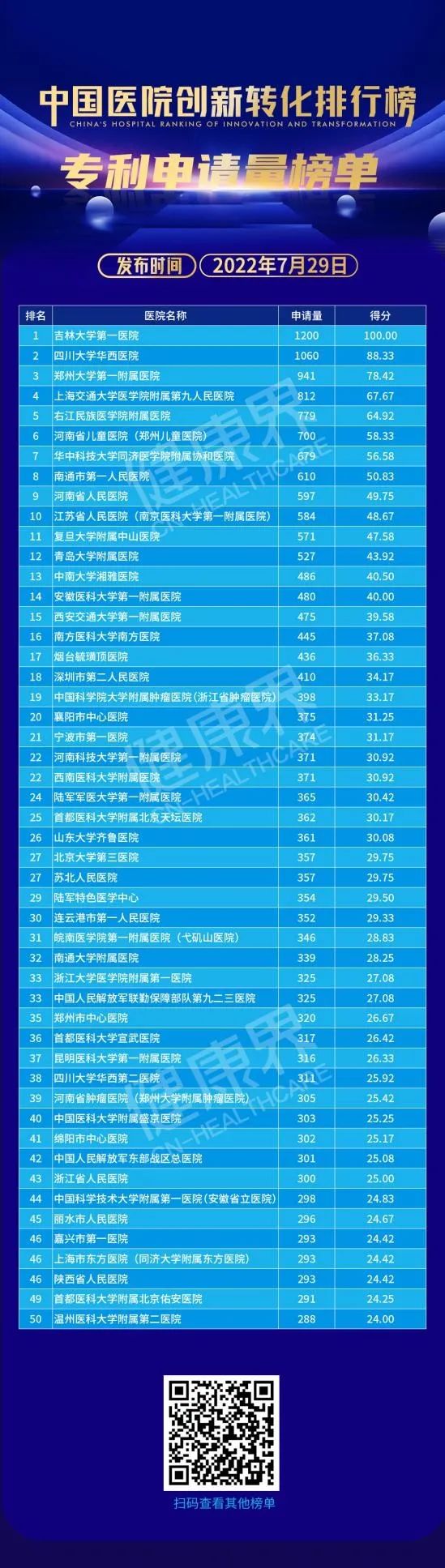
Top 50 in Patent Application Rankings

Top 50 List of Invention Patent Grants
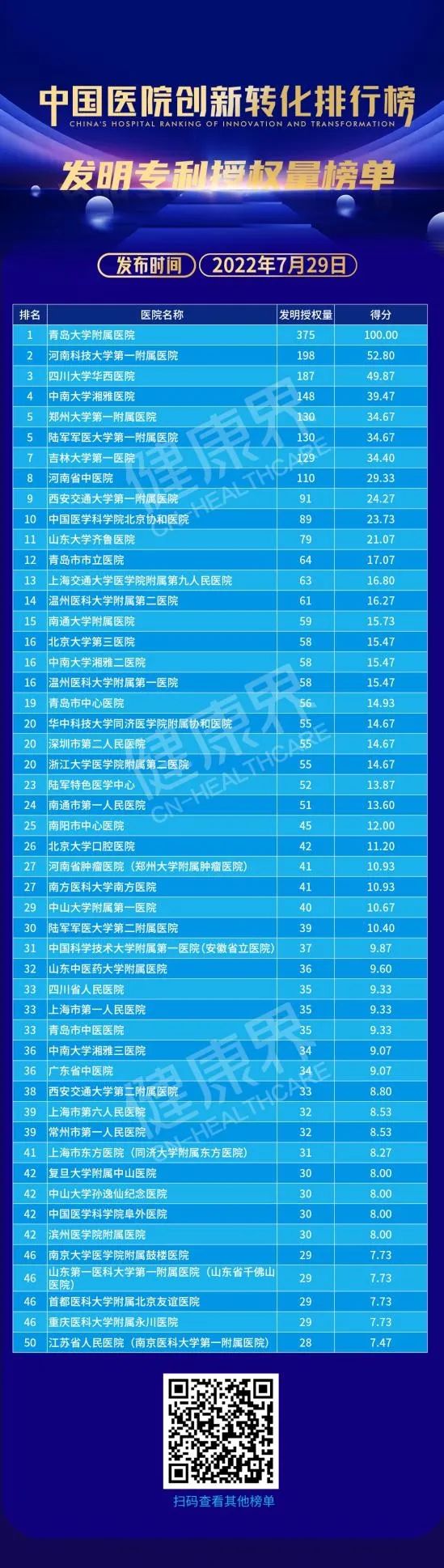
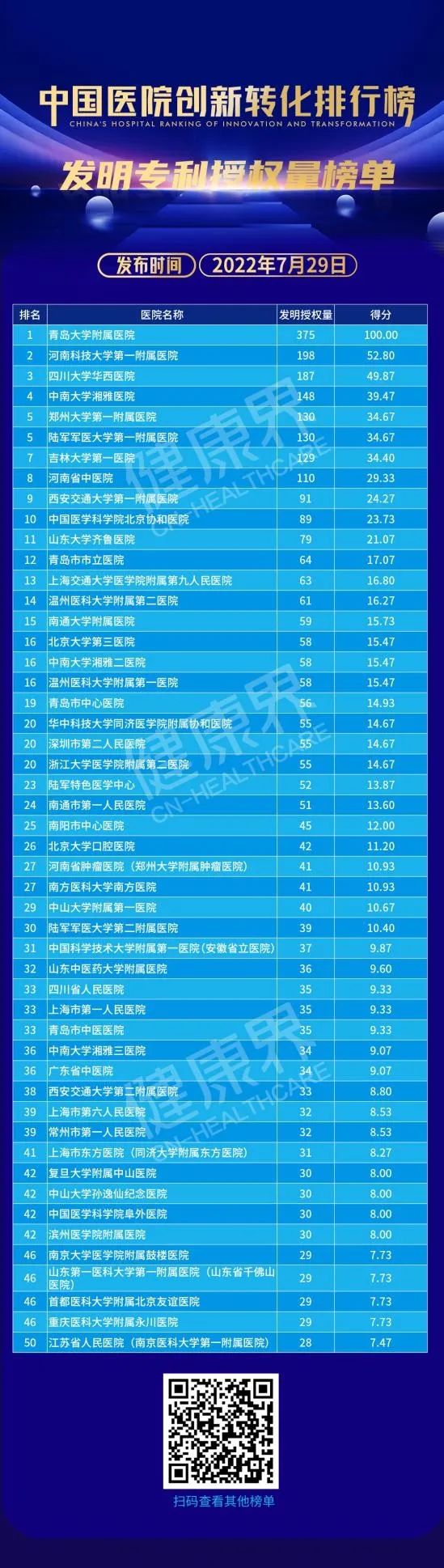
Top 50 List of Invention Patent Applications

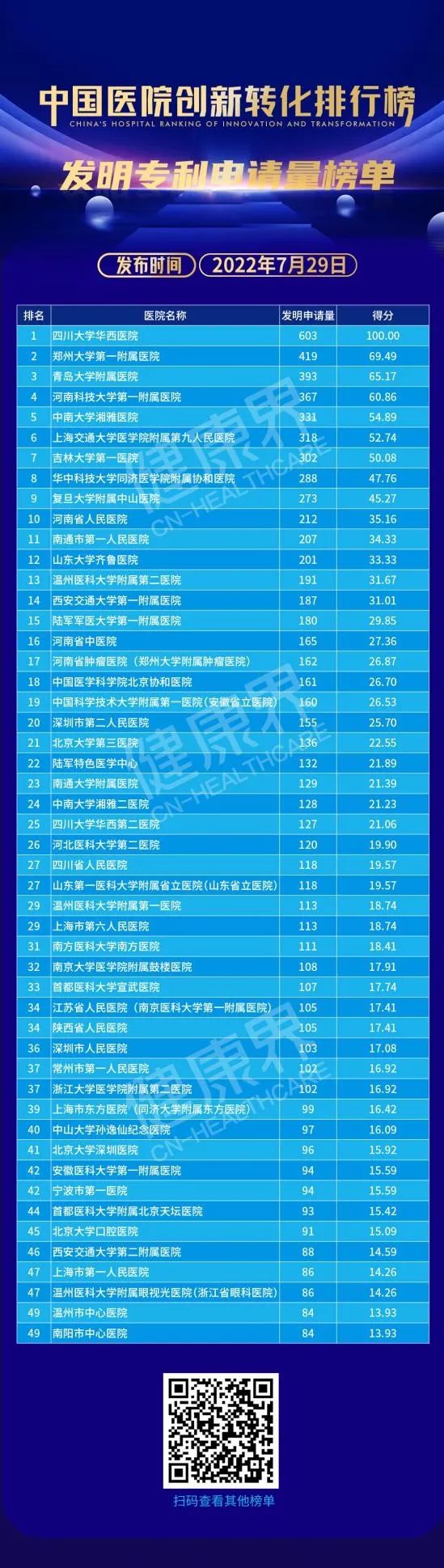
Top 50 List of PCT Applications


1. Patent Application
1. Patent Application Composition
In 2021, tertiary hospitals in China applied for a total of 69,422 patents, including 69,274 Chinese patents, comprising 19,147 invention patents, 48,179 utility model patents, and 1,948 design patents, with invention patents accounting for 27.6%; additionally, in terms of international applications, 148 PCT international applications were filed through the World Intellectual Property Organization (Figure 1).
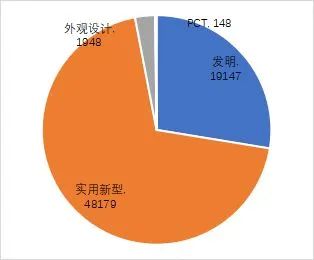

Figure 1 Composition of Patent Applications
2. Patent Application Trends
The total number of Chinese patent applications and various types of patent applications from tertiary hospitals in China have been steadily increasing over the past five years. In 2021, tertiary hospitals across China filed a total of 69,274 Chinese patent applications, representing a 19% year-on-year increase and more than four times the number of applications in 2017. In 2021, the number of invention patent applications reached 19,147, marking a 35% year-on-year increase and four times the number of invention applications in 2017. The number of utility model applications reached 48,179 in 2021, up 13% year-on-year, while the number of design patent applications reached 1,948, reflecting a 30% year-on-year increase. (Figure 2)
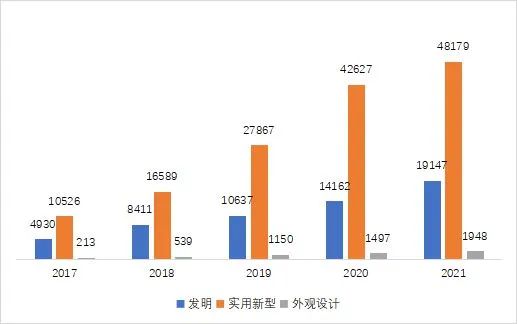

Figure 2 Patent Application Trends
3. Technical Composition of Patent Applications
In 2021, the largest number of patent applications from tertiary hospitals in China were in the A61B category (diagnosis; surgery; identification), accounting for approximately 26.29% of the total patent applications; followed by the A61M category (devices for introducing media into or onto the human body; devices for transferring or removing media from the human body), with a share of approximately 23.89% of the total patent applications; ranking third was A61G (transportation means, specially adapted for patients or disabled persons; operating tables or chairs; dental chairs), accounting for about 13.33% of the total patent applications. (Figure 3)
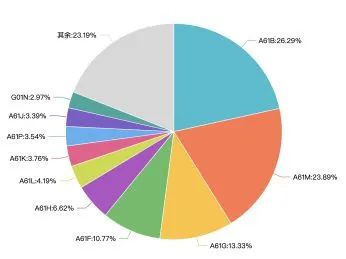

Figure 3 Technical Composition of Patent Applications
4. Distribution of Patent Applications in China
In 2021, the distribution of patent applications by tertiary hospitals in China across provincial administrative regions (Chinese patents only) shows that Jiangsu had over 9,000 patent applications. Beijing, Zhejiang, Sichuan, and Guangdong each had more than 6,000 patent applications, while Henan and Shanghai each had over 4,000 patent applications. (Figure 4)
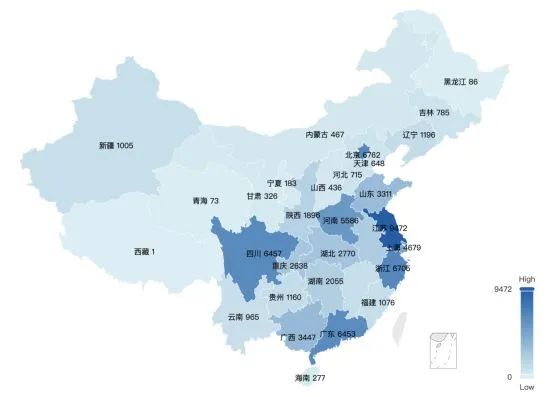

Figure 4 Patent Application Status in Various Provinces and Cities
In 2021, the distribution of invention patent applications by tertiary hospitals in China across provincial administrative regions (only Chinese patents were counted) showed that Henan's invention patent applications exceeded 2,000. Beijing, Jiangsu, Shanghai, Guangdong, Shandong, Sichuan, and Zhejiang also had a high number of patent applications, all exceeding 1,000. (Figure 5)


Figure 5 Patent applications for inventions in various provinces and cities
2. Patent Authorization
1. Patent Grant Composition
In 2021, tertiary hospitals in China were granted a total of 81,172 patents, including 6,317 invention patents, 73,134 utility model patents, and 1,721 design patents. The proportion of invention patents was relatively low, accounting for only 7.78%. (Figure 6)
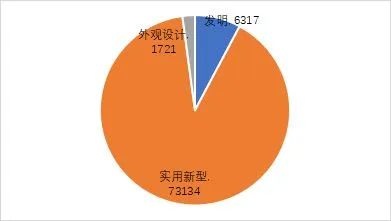

Figure 6 Patent Authorization Composition
2. Patent Grant Trend
The total number of patent grants and various types of patent grants in China's top-tier hospitals have been in a rapid growth trend over the past five years. In 2021, the total number of patent grants reached 81,172, representing a 117% year-on-year increase compared to the previous year, which is 8.7 times the total number of patent grants in 2017; among them, the number of invention grants in 2021 was as high as 6,317, marking a 98% year-on-year increase from the previous year, which is 5.5 times the number of invention grants in 2017; the number of utility model grants reached 73,134 in 2021, showing a 123% year-on-year increase from the previous year, which is 12 times the number of utility model grants in 2017; the number of design patent applications reached 1,721 in 2021, with a 25% year-on-year increase from the previous year. (Figure 7)


Figure 7 Patent Granting Trends
3. Technical Composition of Authorized Patents
In 2021, the largest number of patent grants for tertiary hospitals in China was in A61M (devices for introducing media into or onto the human body; devices for transferring or removing media from the human body), accounting for approximately 26.95% of the total patent grants; followed by A61B (diagnosis; surgery; identification), accounting for approximately 26.43% of the total patent grants; and ranking third was A61G (vehicles specially adapted for transporting patients or disabled persons; operating tables or chairs; dental chairs), accounting for approximately 14.37% of the total patent grants. (Figure 8)


Figure 8 Composition of Authorized Patent Technologies
4. Distribution of Patent Authorizations in Chinese Provinces
In 2021, the distribution of patent grants among tertiary hospitals in China at the provincial administrative level (only Chinese patents were counted) showed that Jiangsu had over ten thousand patent grants, while Sichuan, Zhejiang, Beijing, and Guangdong each had more than six thousand patent grants. (Figure 9)
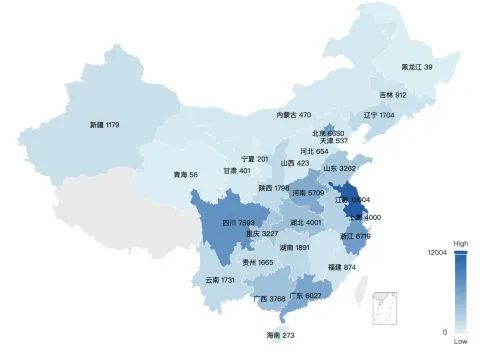

Figure 9 Patent Grant Status in Various Provinces and Cities
In 2021, the distribution of invention patent grants among tertiary hospitals in China's provincial administrative regions (only Chinese patents were counted) showed that Shandong had more than 900 invention patent grants. Beijing, Henan, Jiangsu, Guangdong, and Shanghai also had a high number of patent grants, all exceeding 400. (Figure 10)

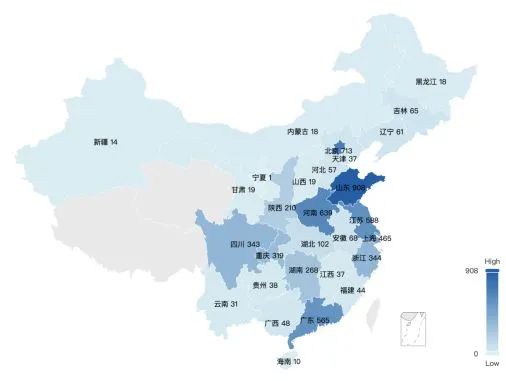
Figure 10: Invention Patent Grants in Various Provinces and Cities
3. PCT International Application
1. Trend of PCT International Applications
In 2021, tertiary hospitals in China filed 148 PCT international applications through the World Intellectual Property Organization. The number of PCT international applications has been in a basically stable growth trend over the past five years, reaching a peak of 219 in 2020. However, the number dropped to 148 in 2021, a year-on-year decrease of 32%. (Figure 11)
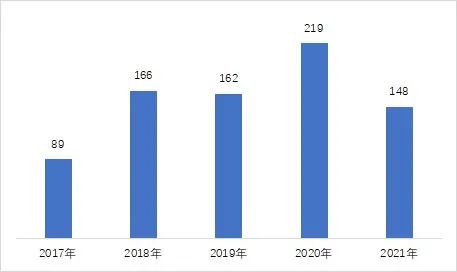

Figure 11: Trend of PCT International Applications
2. Technical Composition of PCT International Applications
In 2021, the PCT international applications of Class A61K (Preparations for medical, dental, or cosmetic purposes) accounted for approximately 46.93% of the total volume from tertiary hospitals in China, the highest proportion; followed by Class A61P (Specific therapeutic activity of chemical compounds or medicinal preparations), accounting for about 44.13% of the total; and ranking third was Class A61B (Diagnosis; Surgery; Identification), with a proportion of approximately 16.76% of the total. (Figure 12)


Figure 12 Technical Composition of PCT International Applications
3. Distribution of PCT International Applications in Chinese Provinces and Cities
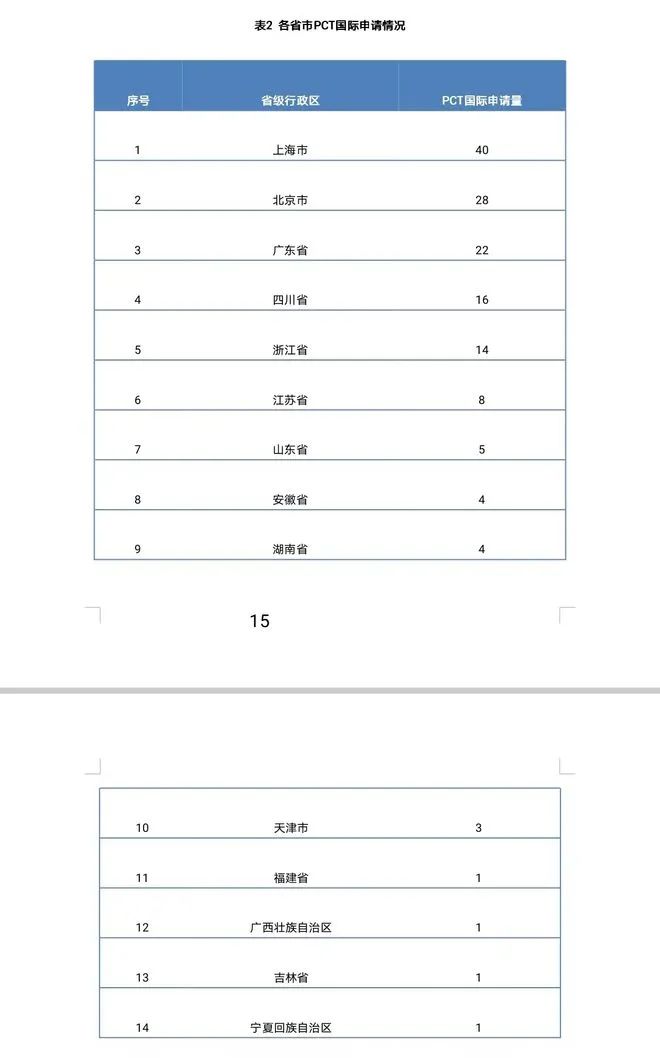
In terms of the distribution of PCT international applications by tertiary hospitals in China across provincial administrative regions in 2021, Shanghai, Beijing, and Guangdong each had more than 20 PCT international applications, while Sichuan and Zhejiang each had more than 10 PCT international applications. (Table 2)
Table 2 PCT International Application Status in Various Provinces and Cities

4. Patent Achievement Transformation
1. Composition of Transformed Patents
In 2021, the total number of patent conversions in tertiary hospitals across China reached 1,002, including 838 transfers and 164 licenses. Among the 838 transferred patents, there were 474 invention patents, 353 utility model patents, and 11 design patents, with invention patents accounting for approximately 56.56% (Figure 13). Among the 164 licensed patents, there were 91 invention patents, 69 utility model patents, and 4 design patents, with invention patents accounting for approximately 55.49% (Figure 14).
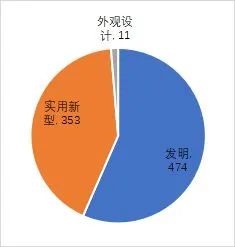

Figure 13 Transfer Patent Composition Diagram


14 Licensed Patents Composition
2. Patent Conversion Trends
In the past five years, the patent transfer and licensing volume of tertiary hospitals in China have been in a rapid growth trend. In 2021, the total volume of patent commercialization was 2.8 times that of 2020; specifically, the total number of patent transfers in 2021 reached 838, which was 2.5 times that of 2020; the total number of patent licenses in 2021 reached 164, more than ten times that of 2020. (Figure 15)
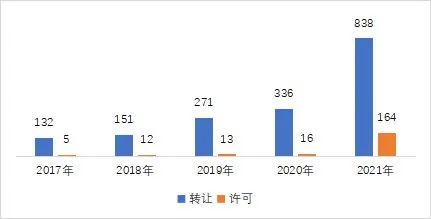

Figure 15 Patent Conversion Trends
3. Classification of Transformation Patents
In 2021, the patents transferred by tertiary hospitals in China were classified according to technical composition. The largest number of patents were in A61B (Diagnosis; Surgery; Identification), accounting for approximately 32.18%. This was followed by a significant number of patents in A61M (Devices for introducing media into or onto the human body; Devices for transferring or removing media from the human body), with a proportion of about 13.28%. Ranking third and fourth were A61F (Filters implantable into blood vessels; Prostheses; Devices providing openings for or preventing collapse of tubular structures of the body, e.g., stents; Orthopedic, nursing, or contraceptive devices; Poultices; Eye or ear treatment or protection; Bandages, dressings, or absorbent pads; First-aid kits) and A61K (Preparations for medical, dental, or cosmetic purposes), accounting for 11.54% and 11.13%, respectively. (Figure 16)


Figure 16 Technical Composition of Transformed Patents
In 2021, the patents transferred by tertiary hospitals in China were classified by product category. The largest proportion was medical device patents, accounting for approximately 84%, followed by drug patents at about 13%, and medical service patents being the least, accounting for 3%. (Figure 17)
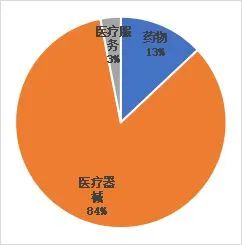

Figure 17: Product Category Classification of Transformed Patents
In 2021, the patents transformed by tertiary hospitals in China were categorized by treatment processes. The largest proportion was treatment-related patents, accounting for approximately 64%, followed by diagnostic patents at about 14%, and nursing-related patents at around 8%. (Figure 18)
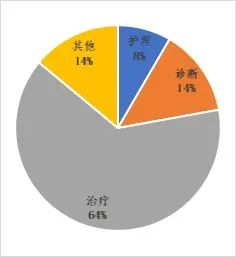

Figure 18 Classification of Diagnostic and Treatment Links in Translational Patents
In 2021, among the patents transformed by tertiary hospitals in China, orthopedic-related patents accounted for the largest proportion, approximately 13%, followed by patents in dentistry and cardiology, which accounted for 8% and 7%, respectively. (Figure 19)
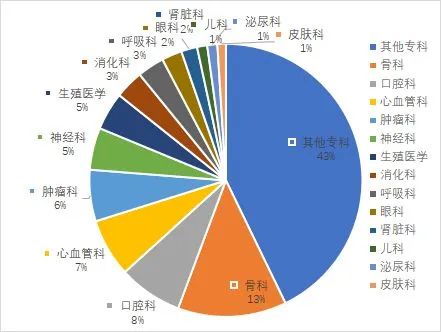

Figure 19: Specialized Classification of Transformed Patents
4. Legal Status of Transformed Patents
Among the patents transferred by tertiary hospitals in China in 2021, 762 are currently authorized, accounting for 76%. 206 are in the substantive examination stage, accounting for 21%. 17 are in an undisclosed state, 8 are in a disclosed state, 4 have not paid the annual fee, 3 have been rejected, and 2 have been withdrawn. (Figure 20)


Figure 20 Legal Status of Transformed Patents
5. Distribution of Patent Conversions in Chinese Provinces and Cities
In terms of the distribution of patents transformed by tertiary hospitals in China across provincial administrative regions in 2021 (only Chinese patents are counted), Shanghai had the highest number of patent transformations at 257, followed by Beijing, Zhejiang, and Shaanxi with over 100 transformations each, while Guangdong, Shandong, and Sichuan saw over 50 transformations each. (Figure 21)


Figure 21 Distribution of Patent Conversions in Various Provinces and Cities
Source: Medical Device Innovation Network, compiled by Healthworld
Follow our WeChat Official Account
Get More Information
