

Ruixin Medical Validates Broad Applicability of Its Vascular Interventional Surgery Robot Through Successful Animal Trials Across Cardiac, Cerebral, and Peripheral Procedures

RaysightMed
Medical Imaging Product Developer
In August 2022, the vascular interventional surgical robot independently developed by Shenzhen Raysightmed Co, Ltd. (hereinafter referred to as "RaysightMed") completed its first neurointerventional animal experiment. The experiment was jointly completed by several clinical experts, including Chief Physician Wang Hao from the Department of Neurosurgery at Shenzhen People's Hospital, along with the RaysightMed team.
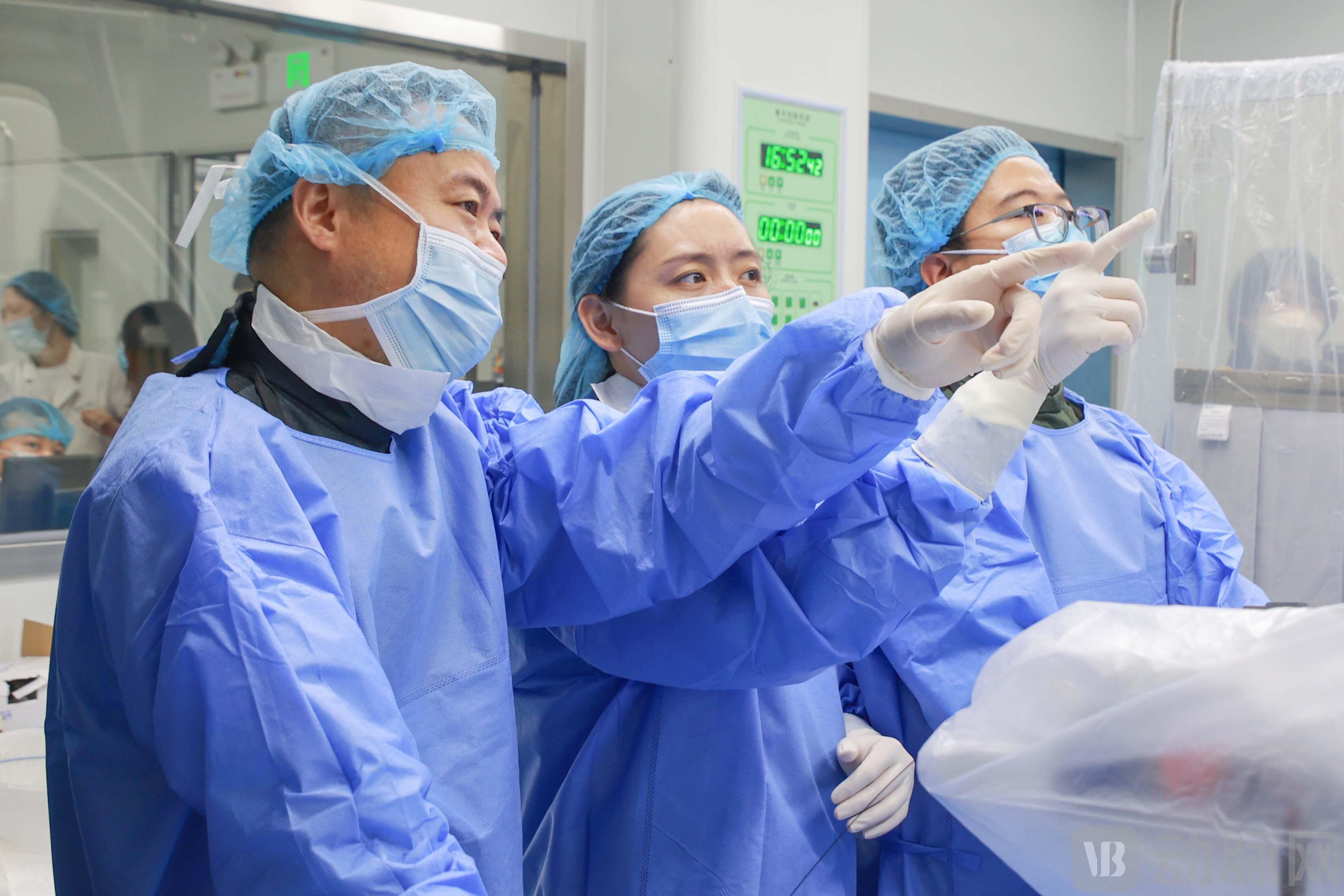
Chief Physician Wang Hao On-site Guidance
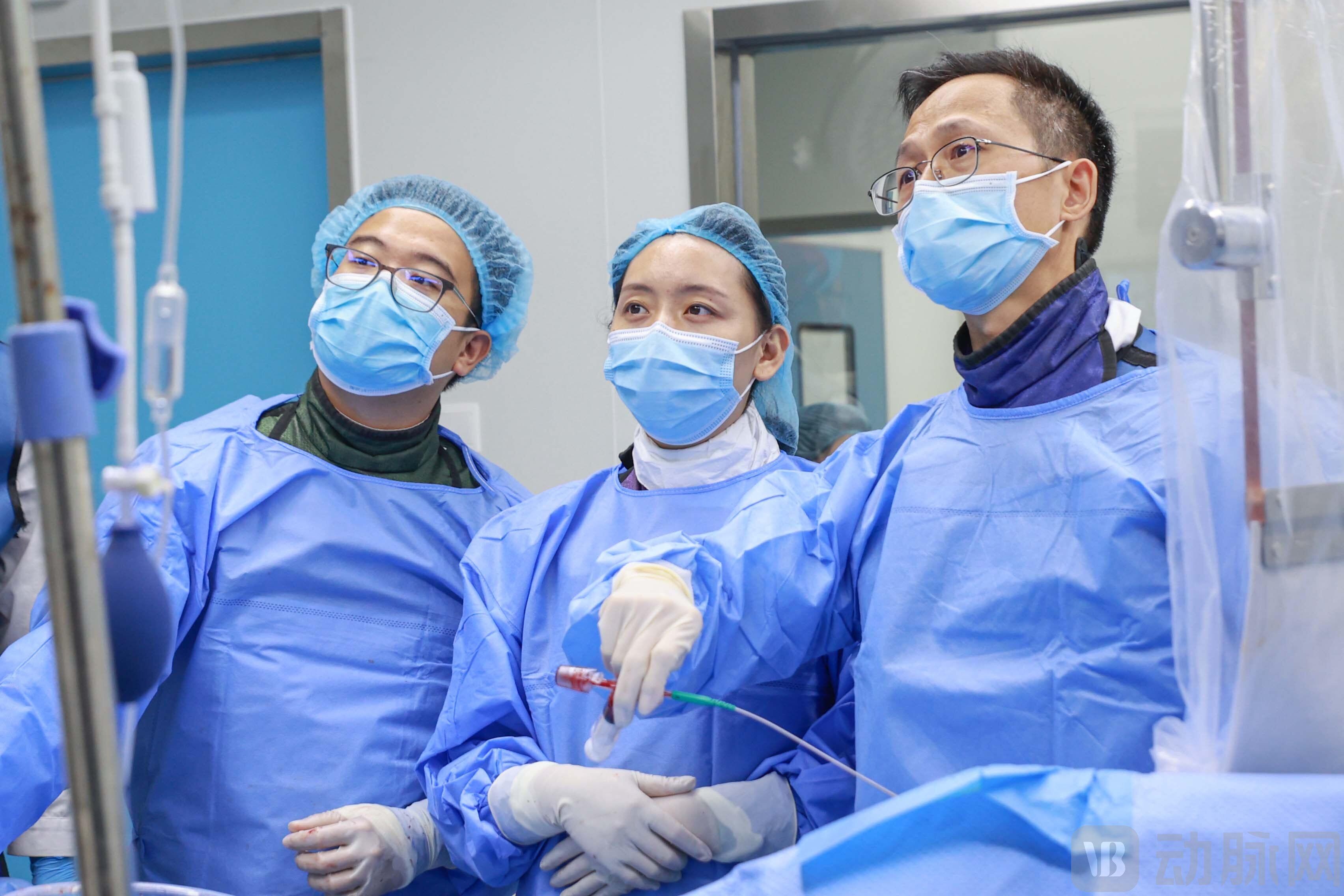
Cardiovascular Experts Guide On-Site
This project utilized a rapid exchange system to complete the use and operation of various devices covering the entire process of cerebrovascular angiography and carotid artery stent surgery, including guidewires, angiographic catheters, embolic protection umbrellas, carotid balloons, and carotid stents. It also achieved the delivery of micro-guidewires to multiple intracranial sites via a surgical robotic system. The focus was on verifying that the RaysightMed cardiovascular interventional surgical robot is compatible with various specifications of guidewires, balloon catheters, and stent catheters, while also demonstrating the safety and effectiveness of the system across different procedures. Assisted by the robot, three types of interventional procedures—cardiac, cerebral, and peripheral vascular—were successfully performed on a single animal model. This marks a world-first achievement.
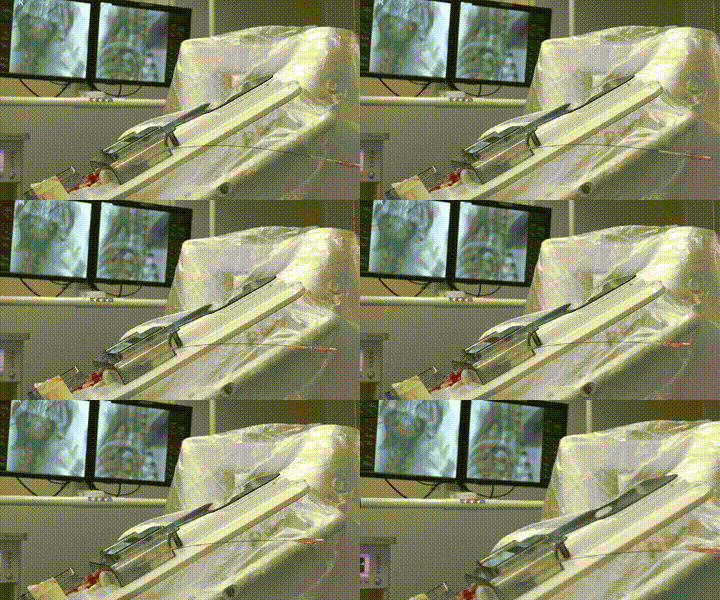
Surgical Robot-Assisted Carotid Artery Balloon Delivery
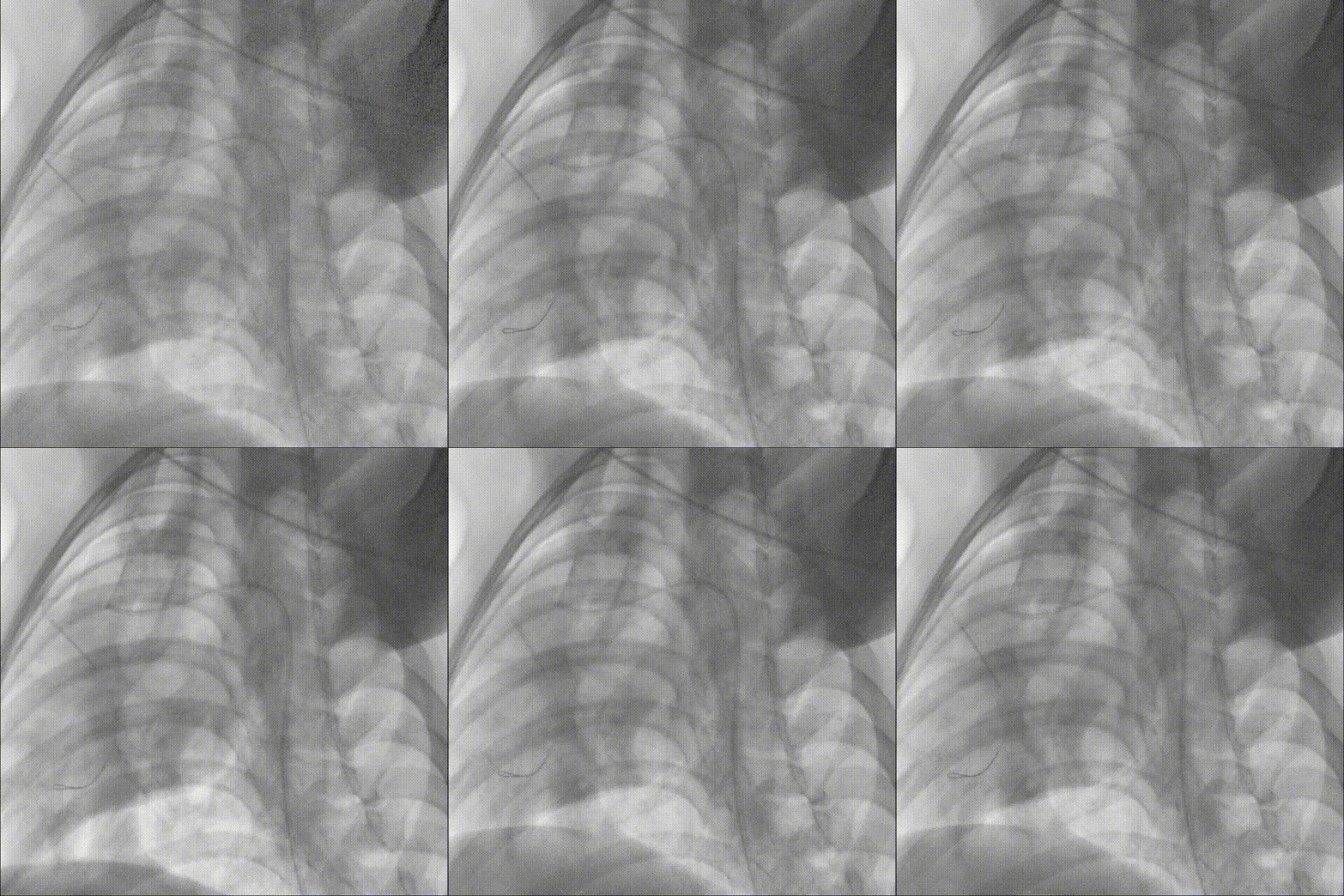
Surgical Robot-Assisted Coronary Stent Delivery
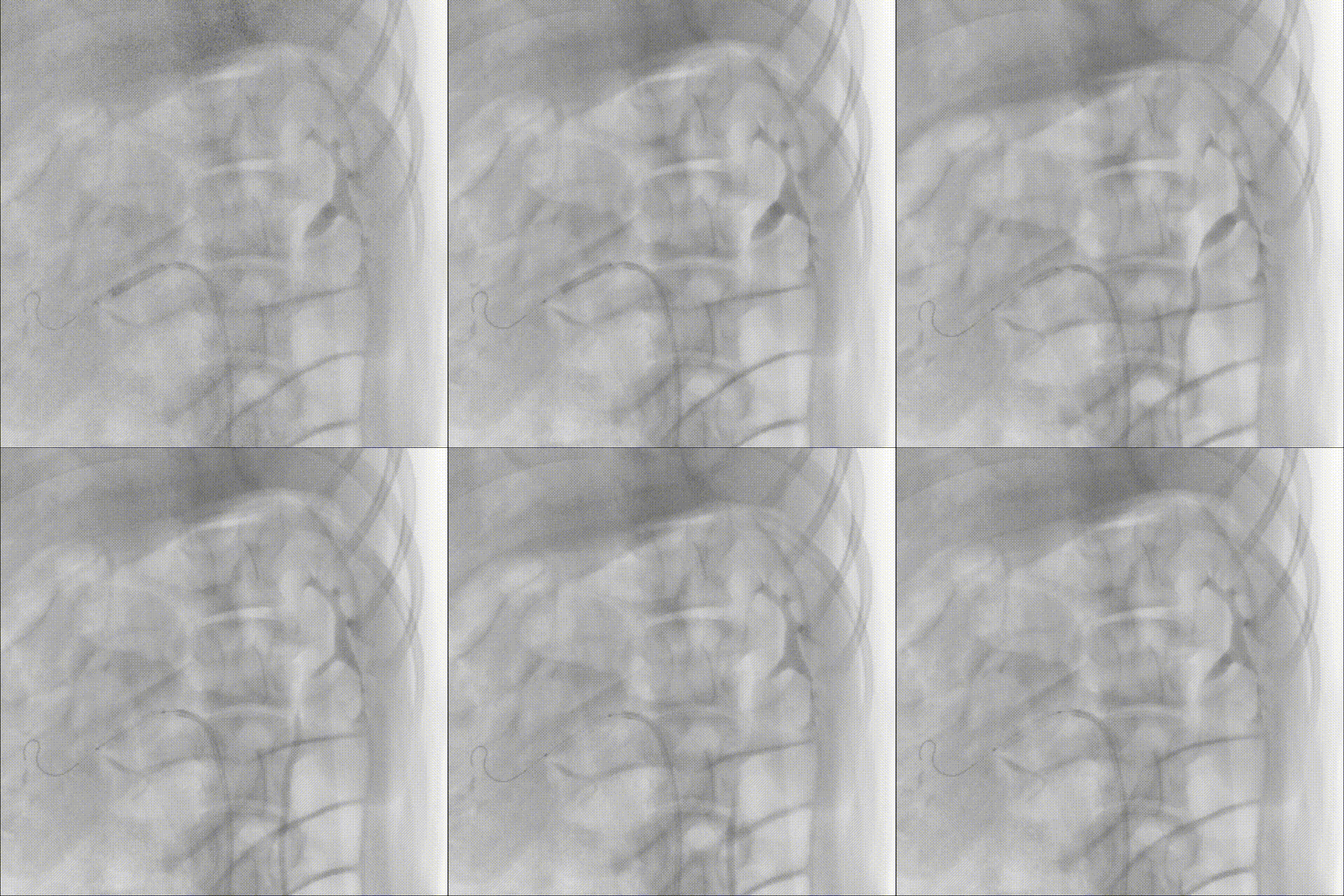
Catheter Withdrawal After Robotic-Assisted Renal Artery Stenting
Due to limited space and budget in hospital catheterization labs, it is usually impossible to purchase corresponding equipment for all surgical procedures. Developing vascular interventional surgical robots that can cover more surgical processes and more types of surgeries is an effective way to achieve broader application scenarios with a single device while improving the economic benefits of medical institutions.
Therefore, the successful completion of animal experiments for three types of interventional procedures—cardiac, cerebral, and peripheral vascular—by RaysightMed undoubtedly holds significant importance for the development of vascular interventional surgical robots in China.
Generally speaking, the vascular interventional surgery robot system includes key technologies such as image navigation, robotic arms, force feedback systems, and disposable surgical kits. While continuous efforts are being made both in China and internationally to overcome the above-mentioned technological challenges, new or emerging technologies are also being developed or integrated on the basis of existing ones. Industry R&D achievements include novel remote-controlled vascular interventional robotic systems, the integration of magnetic navigation systems with digital imaging systems, and disposable adjustable clamping claws. These technological innovations aim to expand the application of vascular interventional surgery robots into more scenarios, thereby meeting the needs of various surgical procedures.
Looking at the research and development progress at home and abroad, although most researchers are currently exploring more possibilities for vascular interventional surgical robots and attempting to integrate technologies such as 5G and artificial intelligence, overall,Systematization and specialization are the key logic and main future development directions.
Systematization means that the surgical robot system covers the entire process of vascular interventional surgery, making the overall systematization of the product higher. Specialization means that for a specific surgical procedure, the system not only covers the entire operational process of vascular interventional surgery but also has unique advantages for specific procedures.
Taking the RaysightMed cardiovascular interventional surgical robot as an example, the system features a master-slave structure.Doctors can control three types of instruments—guidewires, balloon/stent catheters, and guiding catheters—through the master console's joystick, completing the entire process of instrument use and operation in vascular interventional surgery.
The sophisticated mechanical structure at the end mimics the human hand, enabling the robot to perform various movements as flexibly as a human hand. In terms of visual presentation, RaysightMed has independently developed real-time surgical navigation technology, providing doctors with visual feedback through image algorithms. By synchronously optimizing both software and hardware, the system achieves better performance for specific surgical procedures, laying the foundation for the product's future application in a wide range of scenarios.
From the initiation of RaysightMed's cardiovascular interventional surgery robot project in 2020 to the current animal experiments for three types of interventional procedures—cardiac, cerebral, and peripheral vascular. During the numerous animal experiments, RaysightMed has validated the flexibility, coordination, and broad applicability (compatible with various guidewire specifications, balloon stent catheters, and adaptable to multiple instruments) of its surgical robotic system across cardiac, cerebral, and peripheral vascular interventions.
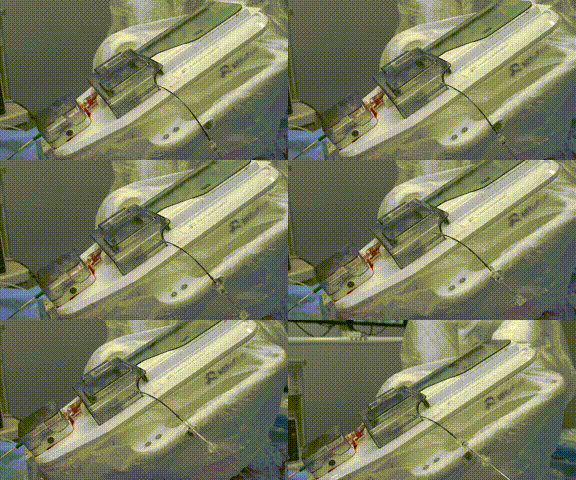
Surgical Robot-Assisted Carotid Artery Stent Delivery
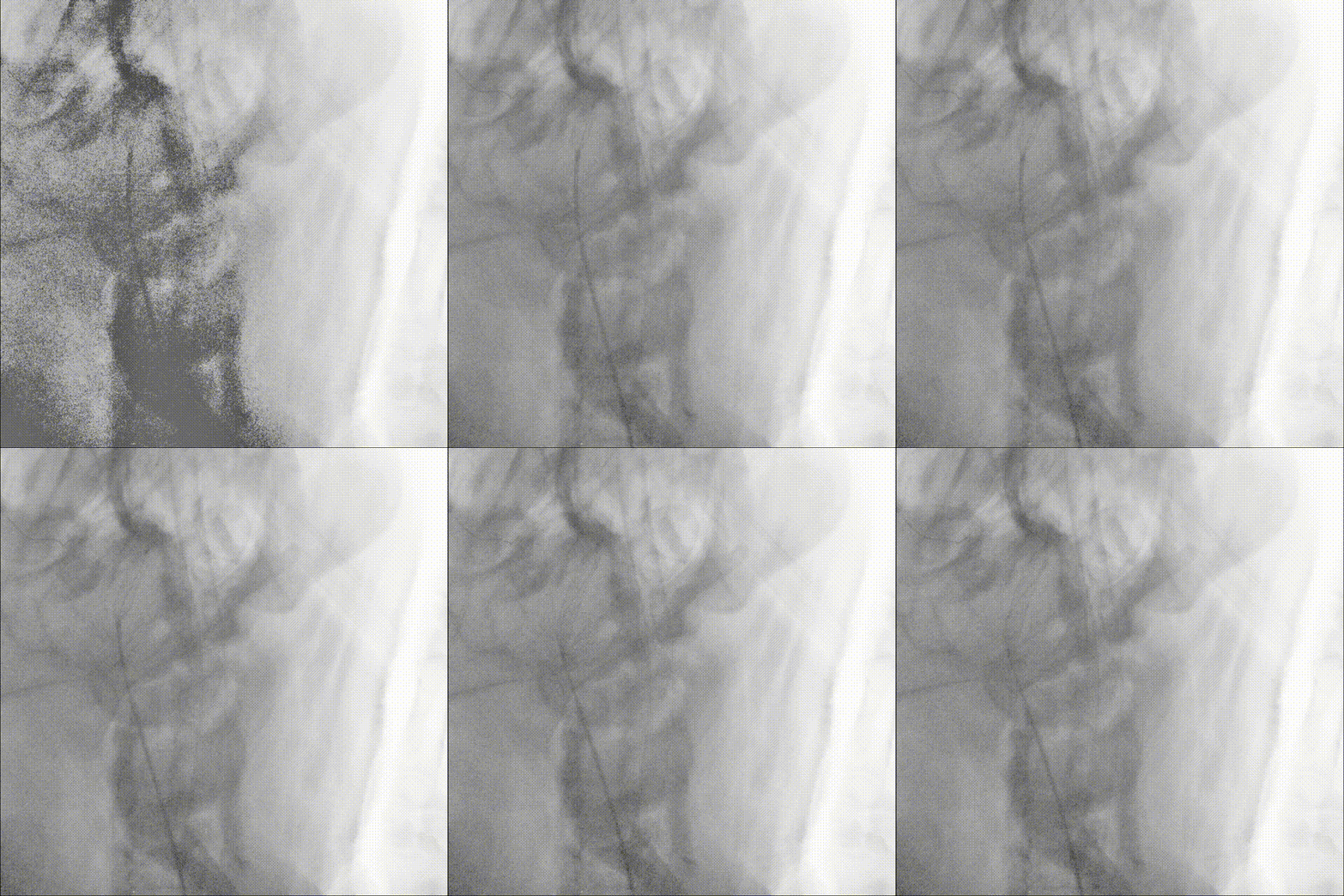
Carotid Artery Stent Deployment
In this regard, Wang Hao, Chief Physician of the Neurosurgery Department at Shenzhen People's Hospital, stated"Nowadays, there are few surgical robot products on the market that take into account the coordinated operation of the heart, brain, and peripheral blood vessels, and are relatively mature. From the initial establishment of the project, the RaysightMed cardiovascular interventional surgical robot has fully considered the applicability of various instruments during surgery, and designed and developed the product around three types of procedures: heart, brain, and peripheral blood vessels. Currently, the company has validated the value and feasibility of this technology during the animal testing phase. As a doctor, I feel very gratified and look forward to working with the company to refine this product in the future."
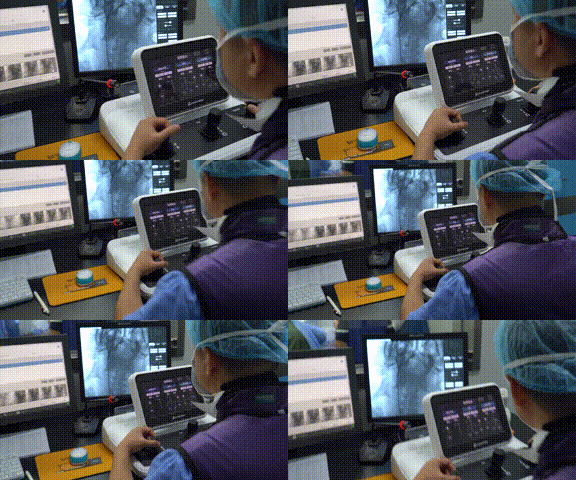
Expert Operation and Guidance
When it comes to the core of vascular interventional surgical robots, technology is an indispensable part.
Image navigation systems, robotic arm mechanisms, and force feedback systems are all hot topics currently discussed within the industry.However, among these technical modules, the disposable surgical box has become the overlooked key.
In fact, the advancement of vascular interventional surgical robots, as well as the success of the system, largely depends on whether the system can operate in a fully isolated and sterilized clinical environment.,Achieve precise control of guidewires and catheters.Disposable surgical kits play a crucial role in this process.
In addition to the pan-vascular intervention field, most surgical robot systems, including the Da Vinci Surgical Robot, can rely on motor-driven mechanisms to directly contact guidewires and catheters during surgery. However, pan-vascular interventional procedures typically require doctors to manipulate guidewires and catheters within a patient’s blood vessels. If issues such as cross-contamination of the patient's blood or incomplete sterilization of instruments occur during the procedure, it can easily lead to cross-infection of bacteria and viruses.
Therefore, the clinical scenarios of isolation and disinfection, as well as the fact that motors and active drive devices cannot come into direct contact with guidewires and catheters, must be taken into consideration by both doctors and medical device manufacturers. Otherwise, it will be difficult to ensure the safety of vascular interventional surgeries.
The above factors determine the fact that almost all surgical operations performed through vascular interventional surgery robots need to be completed based on a disposable surgical box. The installation and operation process of the disposable surgical box is not complicated. After the operation, the doctor only needs to install the surgical box, complete the surgery, discard the disposable surgical box, and finally reinstall a new surgical box to achieve complete isolation of blood and body fluids.
This experiment further verifies the breakthrough of RaysightMed's cardiovascular interventional surgical robot in disposable surgical boxes.
RaysightMed's disposable surgical box has high sealing performance, which can prevent blood from seeping into the main instrument. Its simple appearance and smooth line design also facilitate sterilization. In terms of detailed design, the disposable surgical box independently developed by RaysightMed adopts a precise snap design and a convenient loading and unloading method, allowing doctors to operate more smoothly. Its open clamping mechanism makes it easier to pass, place, and replace guidewires and catheters.
Not only that, but the entry port of this disposable surgical box also supports various sizes of consumables (such as guidewires ranging from 0.014mm to 0.035mm), enabling the simultaneous coordinated operation of three devices: guidewires, balloon stent catheters, and guiding catheters, thereby meeting diverse procedural needs.
It is foreseeable that disposable surgical boxes will not only become an important part of vascular interventional surgical robots in the future, but also their related consumables and other software services will bring continuous and stable revenue to enterprises.
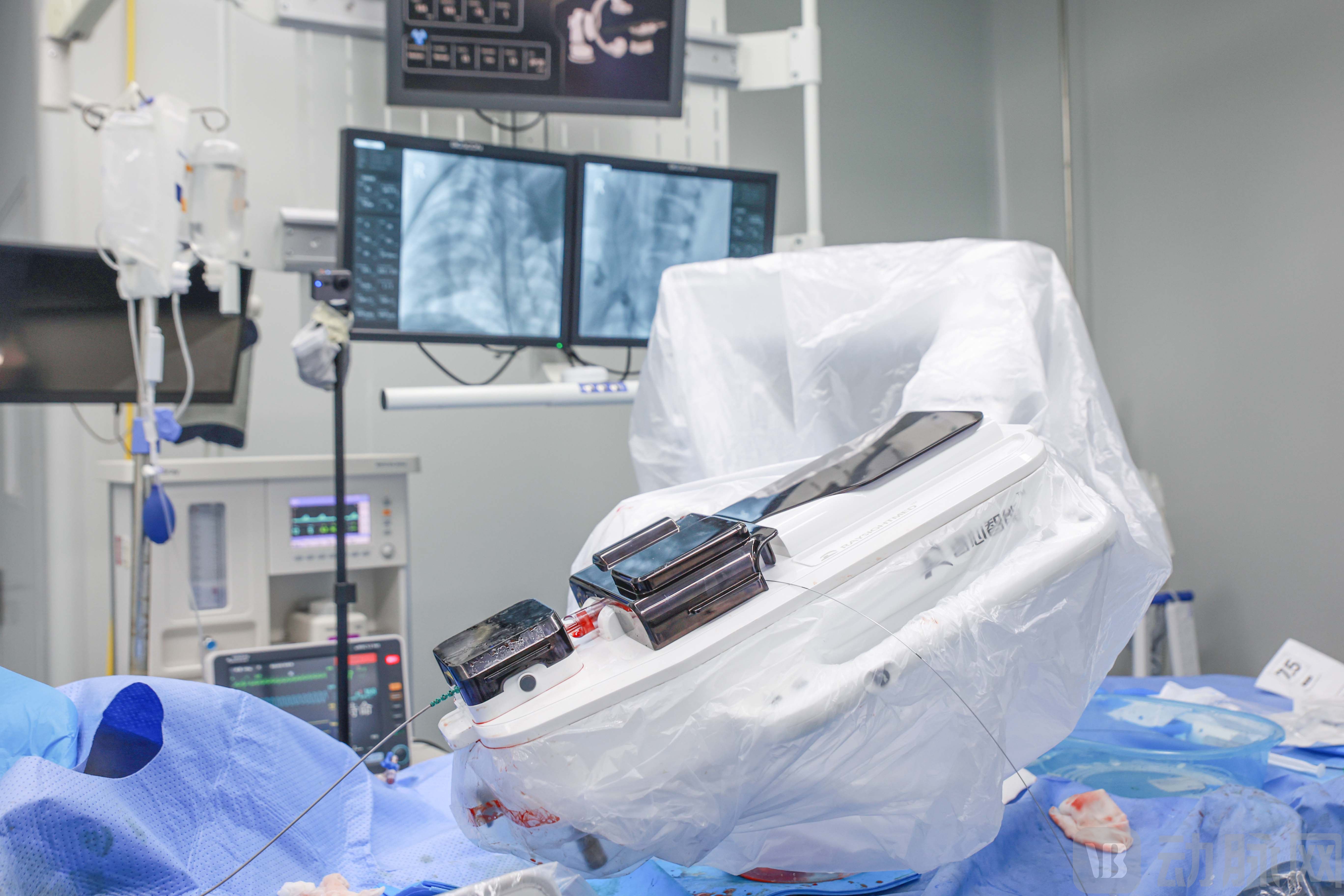
RaysightMed Cardiovascular Interventional Surgical Robot End-effector and Surgical Box
As a minimally invasive treatment method, vascular interventional therapy has been widely used in fields such as vascular surgery, cardiovascular internal and external medicine, and neurology/internal medicine. Its value has also been continuously validated in clinical practice. However, due to the heavy reliance on the physician's technical skills and the extremely high demand for precision, there have always been numerous pain points associated with this procedure.
First and foremost, this surgical procedure has an extremely high operational threshold. Doctors must not only determine the vascular access route before the surgery, complete the corresponding angiography, and confirm the location, nature, and severity of the lesion, but also construct a three-dimensional model of the blood vessels by combining two-dimensional vascular images with their own anatomical knowledge. Only then can they ultimately rely on their sense of touch and experience to maneuver the catheter and guidewire through the patient's narrow, tortuous, and extremely thin-walled blood vessels to reach the affected area.
The high technical requirements make it difficult to guarantee the precision and success rate of this surgical procedure, limiting the expansion of vascular interventional surgeries in more regions. However, market demand is soaring. According to Frost & Sullivan, the number of泛血管 surgeries performed globally has increased from 11.3 million cases in 2015 to 14.3 million cases in 2020, and is expected to further grow at a compound annual growth rate of 8.1%. Under the influence of multiple factors, this will also lead to a large and still rapidly growing demand for interventional treatments that cannot be fully met.
The emergence of vascular interventional surgery robots has become a major breakthrough in the field of vascular intervention in recent years.
Vascular interventional surgery robots have emerged to address the pain points of traditional vascular interventional surgeries. With advantages such as reducing operators' exposure to X-rays, precise imaging positioning, and accurate and stable operation, they have been proven to effectively reduce the occurrence of complications like perforation or dissection. The optimization of instrument delivery makes stent release positioning and anchoring more precise. As a result, not only can catheter and guidewire achieve synchronized control, but also the surgical precision and instrument delivery time will be shortened, effectively enhancing the clinical outcomes of vascular interventional procedures.
To this day,RaysightMed has achieved phased results in the research and development of vascular interventional surgical robots, allowing us to see more possibilities for this procedure in the future. Ma Jun, CTO of RaysightMed, stated that behind this achievement, RaysightMed mainly followed two sets of internal and external logic.
The external logic is that the human vascular system is complex and closely related to various organs, making the diagnosis and treatment of cardiovascular and cerebrovascular diseases extremely difficult. Not only is it necessary to accurately simulate real situations in the model, including the role of vascular morphology, various human organs, and the terminal circulatory system, to provide patients with the most precise diagnostic results, but real-time navigation during surgery is also required to assist interventional physicians in improving surgical accuracy. This, in turn, enhances surgical safety and controls the total cost of a single operation.
In its internal logic, RaysightMed's vision is "to ensure every blood vessel receives the earliest diagnosis and the most precise treatment." Vascular interventional surgical robots have always been part of the company’s blueprint. On one hand, the founding team of RaysightMed inherently possesses the expertise for robot development. On the other hand, from the early launch of RuiXin-FFR (Raysight FFR), to the creation of the "Raysight Coronary Intelligent Post-Processing Platform," and now progressing to the Raysight Vascular Interventional Surgical Robot, the company has effectively built a closed-loop system that spans from diagnosis to treatment.
The emergence of vascular interventional surgical robotic systems represents a development trend aimed at precision medicine. The organic integration of vascular interventional robotic systems with endovascular imaging equipment will provide a more feasible diagnosis and treatment plan for precise vascular intervention.
From the development trajectory of RaysightMed, its rich accumulation in the AI medical imaging field, combined with the team's exploration results in the surgical robot domain, will inevitably form a product closed loop from preoperative planning, to intraoperative real-time navigation, and then to "AI + surgical robot" integrated hardware and software solutions, truly providing solutions that address the full-process pain points of screening, diagnosis, and treatment for cardiovascular and cerebrovascular diseases.
The recent completion of animal experiments in three types of interventional procedures—cardiac, cerebral, and peripheral vascular—by the RaysightMed vascular interventional surgical robot further validates the health economics and social value of its overall solution. Amid the macro trend of medical insurance cost control and the DRG payment system, hospital administrators will be more inclined to choose low-cost, high-safety procedural solutions. At that time, vascular interventional surgical robots may usher in significant commercial opportunities.